
When it comes to your kitchen, choosing the right utensils is more than just a matter of convenience; it’s about health and safety. You might find yourself asking, “Are silicone kitchen utensils safer than plastic?”
This question is crucial, especially when you consider how often you use these tools to prepare meals for yourself and your loved ones. Your kitchen is a place where creativity meets nutrition, and the tools you use can make all the difference.
Imagine the peace of mind you’ll have knowing you’re using the safest materials available. By the end of this article, you’ll be equipped with the knowledge to make informed decisions about what goes into your kitchen drawers. Stay with us, and discover the truth behind these popular kitchen essentials.
Credit: teeocreations.com
Silicone Vs. Plastic: Key Differences
Silicone kitchen utensils are often considered safer than plastic due to their heat resistance. Silicone is non-toxic and doesn’t leach harmful chemicals, making it a preferred choice for health-conscious cooks. Plastic can sometimes release toxins when exposed to high temperatures, raising safety concerns in the kitchen.
When considering kitchen utensils, you might wonder about the differences between silicone and plastic. Both materials are popular, but they serve different purposes in the kitchen. Understanding their key differences can help you make informed choices that prioritize your safety and cooking needs.Material Composition
Silicone is made from silica, which is a natural compound found in sand. This makes it a more eco-friendly option compared to plastic, which is derived from petroleum. Silicone’s composition is similar to rubber, offering flexibility and a non-stick quality that’s perfect for cooking. Plastic, on the other hand, is manufactured through chemical processes. It often includes additives that can be harmful if they leach into your food. You might recall a time when you used a plastic spatula and it started to melt, leaving you worried about what chemicals were now in your meal.Heat Resistance
Silicone is renowned for its heat resistance, capable of withstanding temperatures up to 450°F (232°C) or more. This makes it ideal for use in high-heat cooking like frying or baking. Have you ever used a silicone spatula to flip pancakes? It remains cool to the touch, unlike plastic. Plastic utensils tend to melt or warp when exposed to high temperatures. This can not only ruin your utensils but also introduce harmful substances into your food. Imagine stirring a hot pot of soup, and your plastic spoon starts to bend—not the most reassuring kitchen experience.Durability And Longevity
Silicone is incredibly durable. It doesn’t crack, break, or become brittle over time. Its flexibility ensures it can withstand regular kitchen use without showing signs of wear and tear. You might find yourself using the same silicone spatula for years without any issues. Plastic utensils, however, often show signs of damage quickly. Scratches, cracks, and fading are common problems, leading to more frequent replacements. Reflect on how many times you’ve had to throw away a cracked plastic ladle—it’s frustrating, right? As you assess your kitchen needs, consider these differences. Is it time to switch to silicone for better safety and longevity? Your kitchen choices can have a lasting impact on your cooking experience and peace of mind.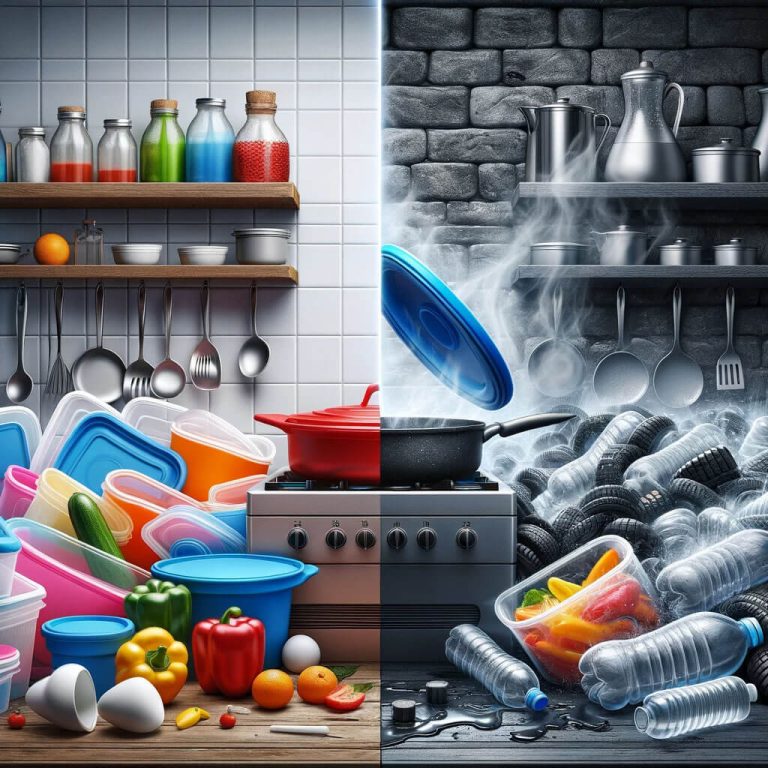
Credit: www.sannyin.com
Health And Safety Considerations
Choosing kitchen utensils involves more than aesthetics. Health and safety matter most. Silicone and plastic both have their pros and cons. Understanding these can guide your decision.
Chemical Leaching
Plastic can release harmful chemicals into food. Heat accelerates this process. Silicone is less likely to leach chemicals. It withstands high temperatures better. This makes silicone a safer choice for cooking.
Food Safety Standards
Silicone often meets strict food safety standards. Many brands ensure their products are BPA-free. Plastic utensils may not always meet these standards. Checking labels helps you choose wisely.
Allergy Concerns
Silicone is hypoallergenic. It rarely triggers allergies. Plastic may contain allergens. This can pose risks for sensitive users. Opting for silicone can minimize allergy concerns.
Environmental Impact
When you’re cooking up a storm in the kitchen, have you ever paused to consider the environmental impact of the utensils you use? Silicone kitchen utensils have gained popularity, often touted as a safer choice over plastic. But how does this choice affect our planet? Let’s dive into the environmental implications of using silicone utensils instead of plastic ones.
Biodegradability
Unlike plastic, silicone is not biodegradable. It doesn’t break down easily in landfills, which might sound concerning. However, its durability means it doesn’t crumble into microplastics that can harm wildlife and pollute our waters. Plastic utensils often end up in oceans, causing havoc. Silicone’s resilience, while imperfect, offers a slight advantage by not adding to this specific pollution.
Recycling Challenges
Recycling silicone is more complex than recycling plastic. Not all recycling centers accept it, which can make disposal tricky. While plastic recycling is more widespread, the process often results in lower-quality products. I once tried to recycle silicone baking mats, only to find out my local center didn’t take them. It’s worth checking recycling options in your area to avoid surprises.
Sustainability Factors
Silicone is derived from silica, found in sand, a plentiful resource. This makes it a more sustainable choice than plastic, which is petroleum-based. But sustainability is not just about materials. Consider the longevity of products. Silicone utensils often last longer than plastic, reducing the need for frequent replacements and cutting down on waste. Have you noticed how plastic spatulas often warp after a few uses? Silicone ones endure, sparing you from constant repurchasing.
So, what’s your take? Does the environmental footprint of silicone make you rethink your kitchen choices? These insights might make you ponder the broader impact of everyday items. Your kitchen can be a small, yet powerful, step toward a greener planet.

Credit: www.reddit.com
Performance In The Kitchen
Silicone kitchen utensils have gained popularity for their practical benefits. Compared to plastic, they offer unique advantages in the kitchen. Understanding their performance helps in making informed choices.
Heat Conductivity
Silicone utensils withstand high temperatures without melting. This makes them safer for cooking hot dishes. Plastic utensils can warp or melt under high heat. Silicone’s stability ensures safety and durability during cooking.
Ease Of Cleaning
Silicone utensils are non-stick, which makes cleaning easier. Food particles do not cling to the surface. This reduces the need for scrubbing. They are also dishwasher safe, saving time and effort.
Versatility In Cooking
Silicone utensils are flexible yet sturdy. They are perfect for various cooking tasks. You can use them for mixing, flipping, or serving. Their versatility makes them a valuable addition to any kitchen.
Cost And Availability
Silicone kitchen utensils often cost more than plastic ones. They’re widely available in stores and online. Silicone’s safety benefits make it a popular choice for many households.
When it comes to choosing kitchen utensils, cost and availability are often key factors. Many people wonder whether silicone utensils are worth the extra investment compared to their plastic counterparts. Are they more readily available, and do they offer better value for your money? Let’s dive into these aspects and see how silicone stacks up against plastic.Price Comparison
Silicone utensils typically cost a bit more than plastic ones. You might find yourself spending a few dollars extra on a silicone spatula compared to a plastic one. But think about longevity. Silicone often lasts longer and withstands higher temperatures, meaning fewer replacements over time. I once switched from plastic to silicone and noticed I saved money in the long run. My silicone utensils didn’t melt or warp, even after repeated use. Would you rather pay a bit more now for something that lasts, or keep replacing cheaper items?Market Availability
Silicone utensils have become increasingly available in both online and physical stores. With growing demand for safer kitchen tools, many brands have expanded their silicone range. You’ll find silicone options in most home goods stores, often in vibrant colors and sleek designs. While plastic utensils are still widely available, the surge in silicone options means you’re more likely to find exactly what you need. Have you noticed the shift in your local store?Value For Money
When weighing silicone against plastic, consider durability and safety. Silicone doesn’t leach harmful chemicals into food, making it a safer choice. While plastic may be cheaper upfront, silicone offers better longevity and health benefits. I realized the value of silicone when my plastic spatula melted during a BBQ. It was a wake-up call to invest in higher quality utensils. How much is peace of mind worth to you when cooking for your family? Choosing between silicone and plastic kitchen utensils isn’t just about the price tag; it’s about making a smart investment for your kitchen and health. As you consider your next purchase, ask yourself: what’s more important, saving a few dollars now or investing in quality and safety?Consumer Preferences
Silicone kitchen utensils often raise fewer safety concerns compared to plastic ones. Free from harmful chemicals, they withstand high temperatures better. Consumers increasingly prefer silicone for its durability and safety in everyday cooking.
When selecting kitchen utensils, many consumers today face the choice between silicone and plastic. This decision often hinges on safety concerns, durability, and user experience. Silicone has become a popular option, but do consumer preferences reflect its touted benefits over plastic?User Reviews
User reviews offer a glimpse into real-world experiences. Many find silicone utensils safer, noting they don’t leach chemicals at high temperatures. I’ve personally switched to silicone for this reason, and it’s reassuring to know I’m not alone. Others appreciate the flexibility and non-scratch nature of silicone. However, some users miss the rigidity of plastic, especially for tasks needing a firmer touch.Common Complaints
Despite its popularity, silicone isn’t without its critics. Some users report that silicone utensils can retain food odors. A friend of mine once grumbled about how her silicone spatula always smelled like garlic. Plastic, on the other hand, can melt if left on a hot pan. This might leave you wondering if the convenience of plastic is worth the potential mess.Popular Brands
Several brands stand out in the silicone kitchen utensil market. OXO and KitchenAid are frequently mentioned in positive reviews. They offer a range of silicone tools that are both durable and user-friendly. Plastic utensils have their champions too, with brands like Tupperware leading the pack. They provide affordable and colorful options, appealing to those on a budget. So, what matters most to you when choosing kitchen utensils? Safety, durability, or perhaps brand loyalty? Your kitchen, your rules.Frequently Asked Questions
Is Silicone Safer Than Plastic Utensils?
Silicone utensils are generally safer than plastic. They are heat-resistant, non-toxic, and don’t leach chemicals. Unlike plastic, silicone doesn’t release harmful substances into food. Silicone is durable, easy to clean, and suitable for cooking, making it a healthier choice for kitchen use.
Always ensure silicone products are BPA-free.
What Is The Safest Material For Kitchen Utensils?
Stainless steel is considered the safest material for kitchen utensils. It is durable, non-reactive, and easy to clean. This material resists corrosion and does not leach chemicals into food. Opt for high-quality stainless steel for optimal safety and longevity in your kitchen.
What Are The Downsides Of Silicone Utensils?
Silicone utensils can retain odors and stains. They may not withstand very high temperatures. Over time, they can degrade or become sticky. Some low-quality options might contain fillers, compromising safety. Always choose food-grade silicone to ensure durability and safety.
Do Silicone Kitchen Utensils Give Off Microplastics?
Silicone kitchen utensils generally do not release microplastics. They are made from silica, a natural element. Silicone is stable and durable, making it a safer choice. Always ensure utensils are high quality and food-grade to avoid any potential risks.
Conclusion
Silicone utensils offer a safer option than plastic ones. They withstand high heat without melting. This makes them suitable for cooking. They also don’t leach chemicals into food. Plus, silicone is durable and long-lasting. This reduces the need for frequent replacements.
Choosing silicone can lead to a healthier kitchen environment. It’s important to weigh both pros and cons. Consider your specific cooking needs. This will help in making the best choice. Safe, reliable utensils enhance your cooking experience. Choose wisely for peace of mind.

Hi, I’m Daniel Brooks—a food lover and kitchen gear enthusiast. I enjoy testing cookware, utensils, and gadgets to see what really works in everyday cooking. At PlugChef.com, I share honest reviews, comparisons, and simple guides to help you choose the best tools for a safer, smarter, and more enjoyable kitchen.
Related posts:
 What Type of Cooking Utensils are Safe: Expert Picks
 What Innovations Could Blenders Make: Unleashing Future Tech
 Smart Strategies to Organize a Small Kitchen: Maximize Space
 How to Organize a Kitchen Cabinet: Expert Tips & Tricks
 How to Organize Kitchen Drawers: Expert Tips and Tricks
 How to Organize a Corner Kitchen Cupboard: Expert Tips

