
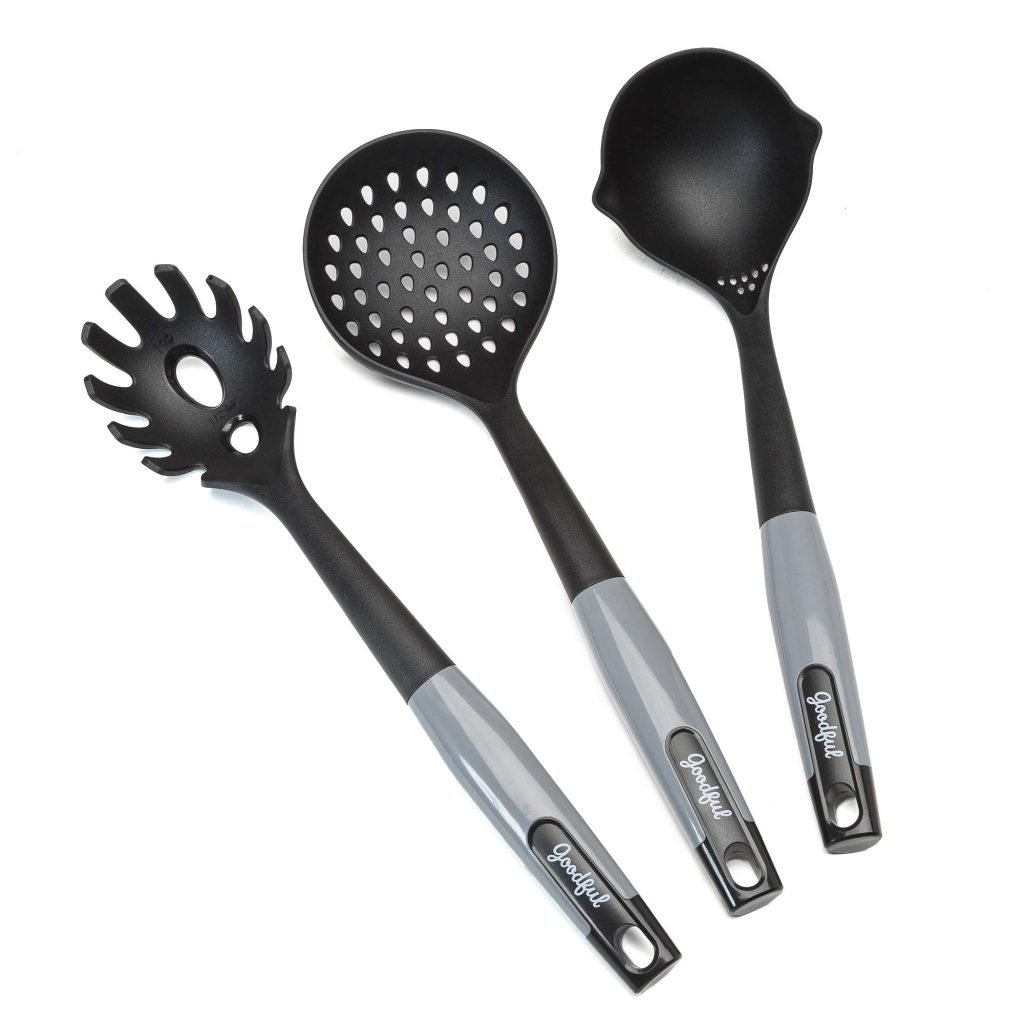
Have you ever wondered about the safety of the kitchen tools you use every day? With so many materials out there, it can be tough to know what’s best for your health and cooking needs.
Nylon is a popular choice for cooking utensils because it’s lightweight and affordable. But is it really safe for cooking? This question might be lurking in the back of your mind as you stir your favorite dishes. You deserve peace of mind when preparing meals for yourself and your loved ones.
Let’s dive into what you need to know about nylon utensils and whether they should have a place in your kitchen. Stay with us as we unravel the facts that could impact your cooking routine and health.
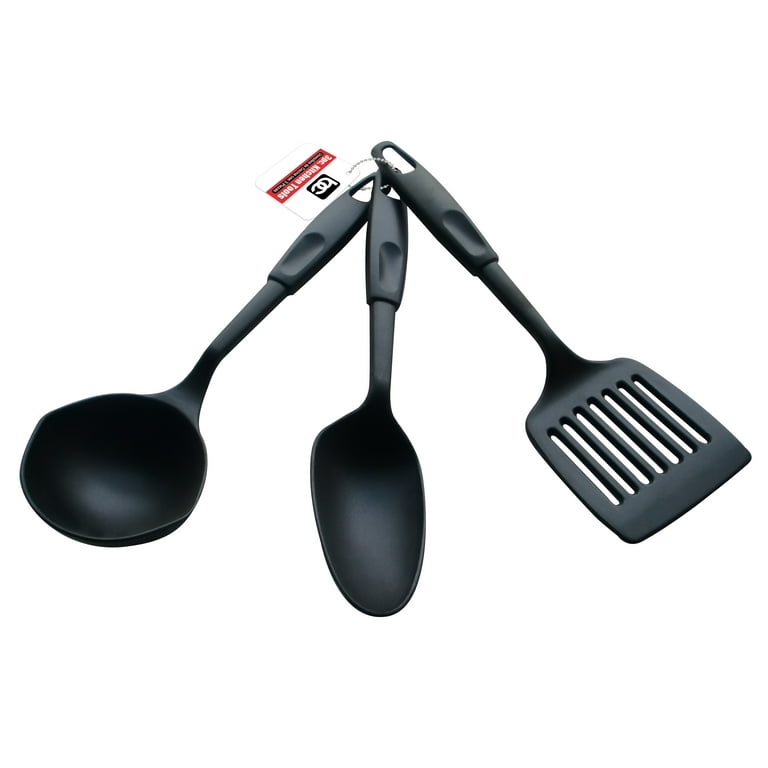
Credit: www.walmart.com
Nylon In Cooking Utensils
Nylon has become a popular material for cooking utensils. Its durability and affordability make it a common choice in many kitchens. But is it safe to use? Understanding the role of nylon in cooking utensils can help you make informed decisions.
What Is Nylon?
Nylon is a synthetic polymer known for its strength. It was first developed in the 1930s. Its resilience makes it suitable for a variety of products. In cooking, nylon utensils are valued for their flexibility.
Benefits Of Using Nylon Utensils
Nylon utensils are gentle on non-stick cookware. They prevent scratching, preserving the life of your pans. Nylon is also heat resistant, up to a point. This feature makes it useful in many cooking scenarios.
Potential Risks Of Nylon
Despite its benefits, nylon has some risks. High temperatures can cause it to melt. This melting could release harmful chemicals into food. Always check temperature limits before use.
Caring For Nylon Utensils
Proper care extends the life of nylon utensils. Avoid exposing them to high heat. Hand washing is often recommended. This prevents warping and maintains their quality over time.
Alternatives To Nylon
Consider silicone or wooden utensils for a safer option. These materials can withstand higher temperatures. They also tend to be more environmentally friendly. Choosing the right material depends on your cooking needs.

Credit: siliconemakers.com
Properties Of Nylon
Nylon is a popular choice for cooking utensils. Its unique properties make it suitable for various kitchen tasks. Understanding these properties helps in deciding its safety and effectiveness in the kitchen.
Durability
Nylon is known for its impressive durability. It can withstand daily use without showing signs of wear. This makes nylon utensils reliable for long-term use. They resist scratches and dents, keeping their appearance intact.
Heat Resistance
Nylon offers moderate heat resistance. It can handle temperatures up to 400°F. This makes it ideal for stirring hot soups or sauces. While it handles heat well, avoid using it on open flames or in ovens.
Flexibility
Nylon’s flexibility is another advantage. It bends without breaking, making it easy to maneuver. This is helpful when flipping delicate foods like pancakes. Its flexibility also aids in reaching tight corners of pots.
Benefits Of Nylon Utensils
Nylon cooking utensils have gained popularity for their versatile benefits. These utensils are known for their non-stick compatibility, ease of use, and cost-effectiveness. Let’s delve into these advantages.
Non-stick Compatibility
Nylon utensils are gentle on non-stick surfaces. They prevent scratches and maintain the coating’s integrity. This makes them ideal for delicate cookware. Home cooks can stir and flip without worry.
Ease Of Use
Nylon utensils are lightweight. Their ergonomic designs offer a comfortable grip. Cleaning them is easy, often requiring just a simple rinse. This makes them a favorite in busy kitchens.
Cost-effectiveness
Nylon utensils are budget-friendly. They offer great value for their price. Their durability ensures a long lifespan. Investing in nylon means saving money without compromising quality.
Safety Concerns
Nylon is popular in kitchens for its durability and versatility. Yet, many question its safety in cooking utensils. Understanding the risks associated with nylon is essential for informed choices. This guide explores key safety concerns.
Heat Tolerance Limits
Nylon has a specific heat tolerance. It withstands temperatures up to 400°F (204°C). Above these limits, nylon may melt. This can lead to deformation of utensils. Always use nylon tools at recommended temperatures to avoid damage.
Chemical Leaching Risks
Heating nylon might cause chemicals to leach into food. This occurs when nylon breaks down at high temperatures. This can pose potential health hazards. Opt for high-quality nylon utensils to reduce risks. Check labels for safety certifications.
Potential Health Impacts
Nylon’s chemical leaching could impact health. Some studies suggest risks of hormone disruption. Yet, evidence is not conclusive. Choosing utensils from reputable brands is wise. They often have better control over material safety.
Comparing Nylon With Other Materials
Nylon is a popular choice for cooking utensils due to its durability and heat resistance. Yet, comparing it with other materials can help in understanding its strengths and weaknesses. Each material has unique features that impact cooking. Let’s explore how nylon stacks up against silicone, wood, and metal.
Silicone
Silicone is flexible and withstands high temperatures. It doesn’t scratch non-stick surfaces. Silicone utensils are easy to clean. They don’t absorb food odors. But, they can be less sturdy than nylon.
Wood
Wood is natural and gentle on cookware. It doesn’t react with acidic foods. Wooden utensils have a rustic charm. They need regular maintenance to prevent cracking. Unlike nylon, wood can harbor bacteria if not cleaned properly.
Metal
Metal is robust and long-lasting. It handles high heat without melting. Metal utensils are ideal for scraping and stirring. They can scratch non-stick surfaces, unlike nylon. Metal can conduct heat, leading to burns.

Credit: siliconemakers.com
Tips For Safe Usage
Nylon utensils are generally safe if used below 400°F. Avoid using them in high-heat cooking to prevent melting. Always check for any signs of wear or damage to ensure safety.
Cooking with nylon utensils can be safe and efficient when you follow some essential tips. While nylon is known for its durability and heat resistance, improper use can lead to unwanted consequences. Here’s how you can ensure that your nylon utensils remain safe and effective in your kitchen.Temperature Guidelines
Nylon utensils can withstand heat up to around 400°F (204°C). Using them beyond this limit can cause melting or releasing harmful substances. Always check your cooking temperature to avoid damaging your utensils. A handy tip is to avoid leaving your nylon spatula resting on the edge of a hot pan. This can easily raise its temperature beyond safe levels. Think about how often you multitask while cooking—it’s easy to forget, right? Setting a routine of keeping utensils on a cool, dedicated space can be a game-changer.Proper Maintenance
Maintaining your nylon utensils can significantly extend their lifespan. Regular cleaning in warm soapy water is vital. Avoid using abrasive scrubbers that can scratch the surface. Inspect them frequently for any signs of wear or damage. If you notice any warping or melting, it’s time to replace them. You wouldn’t drive a car with a worn-out tire, so why use a damaged utensil?Choosing Quality Products
Not all nylon utensils are created equal. Investing in high-quality products can make a big difference in safety and longevity. Look for brands that specify BPA-free materials, which are safer for food contact. Reading reviews and product descriptions can provide insight into real user experiences. Imagine cooking a family dinner only to find your new spatula melting in the pan. Taking a little time to research can save you from kitchen disasters. By keeping these tips in mind, you can use nylon utensils safely and effectively in your cooking adventures. Are there any other kitchen tools you’re curious about? Let’s continue exploring the best practices for a safer, more enjoyable cooking experience.Expert Opinions
Experts are divided on nylon’s safety for cooking utensils. Some praise its durability and resistance to heat. Others caution about potential chemical leaching at high temperatures, urging careful use with hot foods.
When you’re considering kitchen tools, safety is always top of mind. Is nylon safe for cooking utensils? Let’s look at what experts say on this topic. Their insights can help you make informed decisions in your kitchen.Food Safety Specialists
Food safety specialists often emphasize the importance of using materials that don’t leach harmful chemicals. Nylon, when used correctly, is generally considered safe. It doesn’t react with food under normal cooking temperatures. However, it’s crucial to avoid using nylon utensils at extremely high temperatures. They can melt and potentially release harmful substances. Always check the manufacturer’s temperature guidelines.Cookware Manufacturers
Cookware manufacturers design nylon utensils with safety in mind. They often create them to withstand typical cooking conditions. This includes use with non-stick cookware where metal might scratch. Manufacturers recommend replacing nylon utensils when they show signs of wear. Scratches or discoloration can be a cue for you to get a new set. This ensures you continue to cook safely.Health Organizations
Health organizations often study materials used in cookware. They assess the potential risks and provide guidelines. Nylon has been recognized as safe for cooking when used properly. Reports from these organizations suggest that while nylon is safe, the temperature should not exceed certain limits. The advice is to always follow best practices and use utensils as intended. Are you following the guidelines to keep your kitchen safe? Understanding these expert opinions can guide you to make the best choices for your kitchen. Keep your cooking enjoyable and safe by being informed. Your health and that of your family are worth the extra attention.Consumer Experiences
Nylon cooking utensils are popular in many kitchens worldwide. Consumers often share their experiences with these tools. Understanding these experiences helps others decide if nylon utensils are right for them.
Common Issues
Some users report that nylon utensils can melt at high temperatures. This is especially true when used on hot pans. Others mention that they can stain easily from certain foods. The flexibility of nylon can sometimes make it hard to handle heavy foods. Scratching is another concern, especially with sharp knives.
Satisfaction Levels
Many users find nylon utensils lightweight and easy to use. They appreciate the affordable cost compared to other materials. Nylon’s smooth surface is gentle on non-stick cookware. Users often praise its durability for everyday cooking tasks. Despite some issues, many consumers express satisfaction with their nylon utensils.
User Recommendations
Consumers suggest using nylon utensils on low to medium heat. They recommend avoiding direct contact with flames. Cleaning them promptly after use can prevent stains. Users advise checking for any signs of melting or damage. They also recommend storing them away from sharp objects to prevent scratches.
Frequently Asked Questions
Is Nylon Or Silicone Better For Cooking Utensils?
Silicone cooking utensils withstand high temperatures and resist staining, making them ideal for non-stick surfaces. Nylon utensils are durable and budget-friendly but can melt at high temperatures. Choose silicone for heat resistance and nylon for affordability. Both materials are safe, but silicone offers more versatility in the kitchen.
What Is The Safest Material For Cooking Utensils?
Stainless steel is the safest material for cooking utensils. It is non-reactive, durable, and resistant to rust. Silicone utensils are also safe, as they withstand high temperatures without leaching harmful chemicals. Both options are ideal for maintaining food safety while cooking.
Do Nylon Kitchen Utensils Have Microplastics?
Nylon kitchen utensils can release microplastics over time, especially under high heat. Choose high-quality options to reduce risks. Always follow care instructions to minimize microplastic release.
Is Nylon Safe For Cooking Utensils?
Nylon is generally safe for cooking utensils. It is heat resistant up to around 400°F. However, it’s essential to avoid exposing nylon utensils to direct heat sources. Overheating can cause the material to melt. Always check the manufacturer’s guidelines for specific temperature limits.
Conclusion
Nylon cooking utensils offer safety and versatility. They resist heat well and don’t scratch cookware. Consider quality before buying, as not all nylon is created equal. Choose reputable brands for durability and safety. Always check for signs of wear, especially in older utensils.
Replace them if you notice damage. Use nylon within recommended temperatures to avoid melting. Many chefs appreciate nylon for its lightweight and non-stick properties. Balancing quality and usage ensures safe cooking experiences. Keep your kitchen safe with informed choices. Remember, proper care extends the life of your utensils.

Hi, I’m Daniel Brooks—a food lover and kitchen gear enthusiast. I enjoy testing cookware, utensils, and gadgets to see what really works in everyday cooking. At PlugChef.com, I share honest reviews, comparisons, and simple guides to help you choose the best tools for a safer, smarter, and more enjoyable kitchen.
Related posts:
 What Type of Cooking Utensils are Safe: Expert Picks
 What Innovations Could Blenders Make: Unleashing Future Tech
 Smart Strategies to Organize a Small Kitchen: Maximize Space
 How to Organize a Kitchen Cabinet: Expert Tips & Tricks
 How to Organize Kitchen Drawers: Expert Tips and Tricks
 How to Organize a Corner Kitchen Cupboard: Expert Tips

