
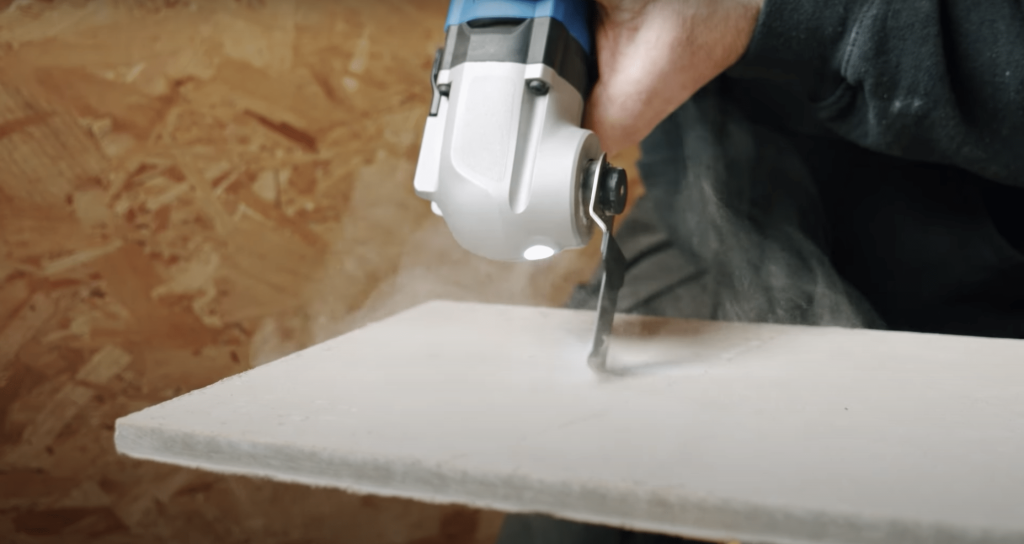
When you’re diving into a home renovation project, you know every detail counts. One crucial material that often pops up is cement board.
It’s your best friend when it comes to tiling and creating a sturdy, moisture-resistant base. But, here’s the catch: cutting cement board can seem daunting. You might worry about making precise cuts or keeping dust at bay. Don’t fret! You’re about to discover how to cut cement board like a pro, with ease and confidence.
Imagine the satisfaction of crafting perfectly fitting pieces that transform your space. Stay with us, and you’ll learn step-by-step techniques that not only simplify the task but also ensure your results are flawless. Ready to make your project a masterpiece? Let’s get started!
Cement Board Basics
Cement board is a popular building material. It offers durability and resistance to moisture. This makes it ideal for areas exposed to water. Understanding its basics helps in its effective use. It is often used in tile installations and as a backing material.
Cutting cement board requires precision. Proper tools and techniques are essential. Knowing more about cement boards will make your task easier. Let’s explore the types and uses of cement boards in construction.
Types Of Cement Board
Cement boards come in different types. The most common are fiber cement and cement-bonded particle board. Fiber cement boards are made from cement and cellulose fibers. They are lightweight and easy to work with. Cement-bonded particle boards are heavier. They are made by binding wood particles with cement. This type is sturdier and used in more demanding applications.
Each type has its specific use. Choose based on your project’s needs. Understanding their differences helps in making informed decisions.
Uses In Construction
Cement boards serve various purposes in construction. They are often used in bathrooms and kitchens. Their moisture resistance makes them ideal for these areas. Cement boards are also used for exterior applications. They provide a stable base for siding materials.
In flooring, they offer a strong underlayment for tiles. This prevents tiles from cracking or shifting. They are also used in countertops and backsplashes. Their versatility makes them a favorite among builders and DIY enthusiasts.
Using cement boards ensures a durable, long-lasting construction. Their properties make them suitable for many projects.
Credit: blog.mosaicartsupply.com
Essential Tools
Cutting cement board requires precision and the right tools. A carbide-tipped scoring knife and a circular saw are essential for achieving clean cuts. Always prioritize safety and wear protective gear while handling these tools.
When tackling the task of cutting cement board, having the right tools is not just helpful—it’s essential. The difference between a smooth cut and a jagged edge often comes down to the equipment you use. Imagine you’re midway through a project, and your tools fail you; it’s frustrating. So, equip yourself with the right gear to ensure precision and safety. Whether you’re a seasoned DIY enthusiast or a newbie, the right tools will make your job easier and more efficient. Let’s dive into the essentials that you’ll need.Cutting Tools
For cutting cement board, precision and durability are key. A carbide-tipped scoring knife is a must for straight cuts. It makes clean lines and requires minimal effort. If you need to make curved cuts, a jigsaw with a carbide-grit blade is your best friend. It offers flexibility and ease of movement. A circular saw can speed up the process, especially for larger boards. Using a blade specifically designed for cement board will prevent wear and tear on your tools. Have you ever found yourself wishing you could cut through cement board like butter? The right tools can make that wish a reality.Safety Equipment
Safety should never be an afterthought. Cutting cement board generates dust, which can be harmful. A dust mask or respirator will protect your lungs. Safety goggles are crucial to shield your eyes from debris. Ever had a piece of cement board fly toward your face? You’ll appreciate the protection. Gloves are also important. They provide grip and protect your hands from sharp edges. Have you ever finished a project only to end up with cuts on your fingers? Gloves can prevent that. Consider ear protection, especially when using power tools. The noise can be overwhelming and potentially damaging to your hearing. Are you prepared for the unexpected? Having the right safety gear ensures you stay safe while getting the job done effectively. Remember, the right tools and safety equipment not only help you achieve better results but also make the process more enjoyable and secure. What tools will you choose for your next cement board project?Preparation Steps
Gather essential tools and materials, including a measuring tape and a cutting tool. Mark the cement board accurately for precise cuts. Ensure a safe working environment by wearing protective gear.
Cutting cement board requires careful preparation to ensure precision and safety. Before you even touch your saw, it’s important to set the stage right. Proper preparation not only makes the cutting process smoother but also prevents mistakes that could lead to costly material waste. Let’s dive into the essential steps that will help you tackle this task like a pro.Measuring And Marking
The first step in preparation is all about accuracy. Begin by measuring the area where the cement board will be installed. Use a tape measure to get exact dimensions. Double-check your measurements; any error at this stage could lead to issues later. Once you have your measurements, mark them on the cement board. A pencil is ideal for marking as it’s easy to see and won’t damage the board. If you’re feeling adventurous, a carpenter’s square can help ensure straight lines. It’s amazing how something as simple as a precise mark can save you from future headaches.Securing The Board
Before you start cutting, securing the board is crucial. Place the cement board on a stable surface like a workbench. Use clamps to hold it firmly in place. This prevents unwanted movement during cutting, ensuring clean, straight cuts. Have you ever tried cutting a moving target? It’s frustrating and dangerous. Securing the board minimizes risks and maximizes control. If you don’t have clamps, heavy objects can also be used as a temporary hold. Just ensure they don’t obstruct your cutting path. Are you ready to tackle the next steps in cutting cement board? Understanding these preparation steps can make all the difference in achieving clean cuts and a professional finish.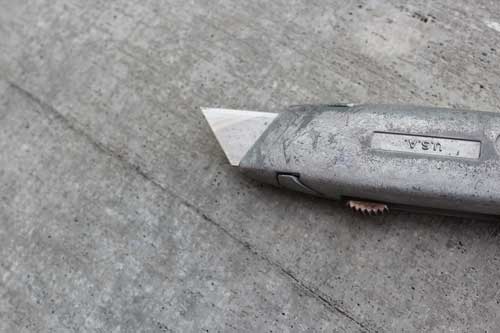
Credit: blog.mosaicartsupply.com
Cutting Techniques
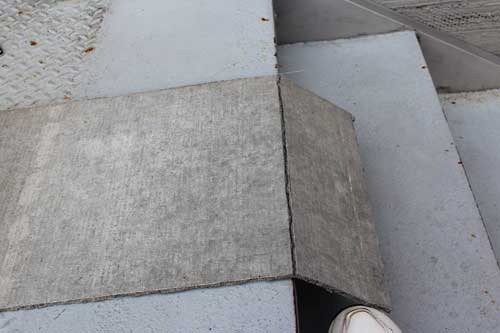
Cutting cement board involves using a utility knife or a circular saw equipped with a carbide-tipped blade. Always score the board along the marked line and snap it by applying pressure. This technique ensures clean edges and reduces dust during the process.
Cutting cement board can seem challenging. But with the right techniques, it’s manageable. Two popular methods are the Score and Snap Method and using a Circular Saw. Each offers unique advantages. Understanding these can make your work easier and more efficient.Score And Snap Method
The Score and Snap Method is straightforward. First, mark the line where you’ll cut. Use a utility knife to score along this line. Apply firm pressure for a deep score. Once scored, place the board on a straight edge. Apply pressure to snap along the scored line. This method minimizes dust. It’s also quieter than using power tools. Perfect for small projects or indoor work.Using A Circular Saw
Using a Circular Saw is effective for straight cuts. Ensure you have a carbide-tipped blade. This is essential for cutting cement board. Wear a dust mask and safety goggles. Cement dust can be harmful. Mark your cut line clearly before starting. Guide the saw along the line steadily. Maintain a firm grip for accuracy. This method is quicker for large projects. Remember to check your blade regularly. Dull blades can cause errors.Handling Curved Cuts
Cutting cement board can be a straightforward task. But when it comes to curved cuts, things can get tricky. Curved cuts allow for more creative and customized designs, especially around pipes or unique architectural features.
Have you ever faced the challenge of cutting a perfect curve on a cement board? It might seem daunting, but with the right tools and techniques, you can achieve a clean finish.
Using A Jigsaw
A jigsaw is your best friend for curved cuts. Its blade can navigate the twists and turns of your design with precision. Choose a carbide-grit blade because it can handle the toughness of cement board.
Before you start, trace your desired curve on the board. This guide will help you stay on course. If you’re new to using a jigsaw, practice on a scrap piece first. This will build your confidence and improve your skill.
As you cut, maintain a steady pace. Rushing may cause your blade to veer off line. Have you ever tried using a jigsaw for curves? It’s quite satisfying watching the blade glide effortlessly along your marked path.
Creating Smooth Edges
Once you’ve made your cut, focus on smoothing the edges. A rough edge can compromise the integrity of your installation. Use a rasp or sanding block to refine the cut edges.
Apply gentle pressure and move in circular motions. This technique reduces the chance of damaging the board. Have you noticed how a little attention to detail can transform a rough cut into a professional finish?
Consider sealing the edges with a moisture-resistant sealant. This step can protect the board from water damage and extend its lifespan. Isn’t it fascinating how a few simple steps can make such a significant difference?
Handling curved cuts on cement board doesn’t have to be a complex task. With practice, you’ll find yourself mastering the technique and enjoying the process. Are there any other tips you’ve found useful for curved cuts?
Safety Precautions
Cutting cement board requires careful attention to safety. Always wear gloves and goggles to protect hands and eyes. Ensure the workspace is clean and well-lit to prevent accidents.
Cutting cement board can be a straightforward task if you prioritize safety. Whether you’re a seasoned DIY enthusiast or a beginner, understanding the importance of safety measures is crucial. Accidents can happen in the blink of an eye, so it’s essential to be prepared. Let’s dive into the key safety precautions you should take when cutting cement board.Dust Control Measures
Cutting cement board generates a significant amount of dust. This dust can be harmful if inhaled. Always wear a dust mask or respirator to protect your lungs. Consider working outdoors or in a well-ventilated area. Use a vacuum attachment on your cutting tool if available. This helps minimize dust spread and keeps your workspace cleaner. Wet cutting is another effective method. By dampening the cement board, you reduce dust creation. It’s a simple step that makes a big difference.Proper Handling
Cement board is heavy and can be awkward to handle. Always lift with your knees, not your back, to prevent injury. If the board is too large, ask for help rather than risking a strain. Use gloves to protect your hands from sharp edges. Cement board can be abrasive, and gloves provide an extra layer of safety. Before you start cutting, ensure the board is securely clamped down. A stable work surface prevents slips and accidents. Double-check your setup to keep the board in place during the cut. These precautions might seem minor, but they can prevent serious injuries. Have you ever skipped a safety step and regretted it later? Remember, being cautious saves time and trouble in the long run.Troubleshooting Common Issues
Cutting cement board often presents challenges. Ensure you have the right tools, like a carbide-tipped scoring knife. Make slow, steady cuts to prevent board damage. Proper support is crucial to avoid cracks.
When cutting cement board, even seasoned DIYers face challenges. Troubleshooting common issues helps ensure a smooth process. Learning to avoid chipping and manage cracks can lead to cleaner cuts. These skills are essential for a successful project.Avoiding Chipping
Chipping is a frequent problem when cutting cement board. To prevent this, use a carbide-tipped scoring tool. Score the board deeply before snapping it. This method reduces the chance of chipping. Ensure the board is supported along the cut line. Improper support can cause breakage and uneven edges. Use clamps or a stable workbench for better results.Dealing With Cracks
Cracks can appear if the board is mishandled. Handle the board carefully to minimize stress. Use a jigsaw with a carbide blade for intricate cuts. This tool reduces the risk of cracks. Ensure the blade is sharp. A dull blade can cause more pressure and lead to cracking. Maintain a steady hand and slow speed for precision.
Credit: www.wikihow.com
Frequently Asked Questions
What Is The Best Tool To Cut Cement Board With?
The best tool to cut cement board is a carbide-tipped scoring knife. It offers precision and minimal dust. For larger projects, a circular saw with a carbide blade is effective. Ensure proper safety gear, like goggles and a mask, to protect from dust and debris.
How Do You Cleanly Cut Cement Board?
Use a carbide-tipped scoring knife to score the cement board. Snap it along the scored line. Sand edges with a sanding block for a clean finish. Wear safety goggles and a dust mask for protection. Clean up dust thoroughly after cutting.
Do You Need A Special Saw Blade To Cut Cement Board?
Yes, you need a special saw blade to cut cement board. Use a carbide-tipped or diamond blade. These blades ensure clean cuts and reduce dust. Always wear safety gear to protect yourself from dust and debris.
Can You Cut Cement Board Like Drywall?
Cement board requires different tools than drywall for cutting. Use a carbide-tipped scoring tool or power saw. Score deeply, then snap along the line. Ensure proper safety gear for dust protection. Unlike drywall, cement board demands precision and strength due to its density.
Suitable cutting enhances installation quality.
Conclusion
Cutting cement board is straightforward with the right approach. Always prioritize safety; wear protective gear and goggles. Use a carbide-tipped blade for precise cuts. Mark your cuts clearly before starting. Ensure your workspace is stable to avoid mistakes. Practice patience; rushing leads to errors.
Clean up edges with a rasp or sandpaper for a smooth finish. Check for dust; a vacuum keeps the area tidy. Follow these steps, and your project will be successful. Cement board cutting can be simple. Just stay focused, and you’ll achieve great results.

Hi, I’m Daniel Brooks—a food lover and kitchen gear enthusiast. I enjoy testing cookware, utensils, and gadgets to see what really works in everyday cooking. At PlugChef.com, I share honest reviews, comparisons, and simple guides to help you choose the best tools for a safer, smarter, and more enjoyable kitchen.
Related posts:
 What Type of Cooking Utensils are Safe: Expert Picks
 What Innovations Could Blenders Make: Unleashing Future Tech
 Smart Strategies to Organize a Small Kitchen: Maximize Space
 How to Organize a Kitchen Cabinet: Expert Tips & Tricks
 How to Organize Kitchen Drawers: Expert Tips and Tricks
 How to Organize a Corner Kitchen Cupboard: Expert Tips

