
Have you ever wondered about the safety of your cooking utensils? You might be surprised to learn that not all utensils are created equal.
Some can leach harmful chemicals into your food, while others might damage your cookware. If you’re concerned about keeping your meals safe and your kitchen in top shape, you’re in the right place. By the end of this article, you’ll know exactly which utensils are safe to use and why they matter.
Imagine cooking with confidence, knowing every tool in your hand is both effective and safe. Let’s explore how you can achieve this peace of mind in your kitchen today.
Non-toxic Materials
Cooking is an art, and like any artist, you need the right tools. Choosing non-toxic materials for your kitchen utensils not only ensures the safety of your food but also contributes to a healthier lifestyle. But how do you know which materials are truly safe? Let’s dive into the world of non-toxic cooking utensils, focusing on three popular choices: stainless steel, cast iron, and ceramic.
Stainless Steel
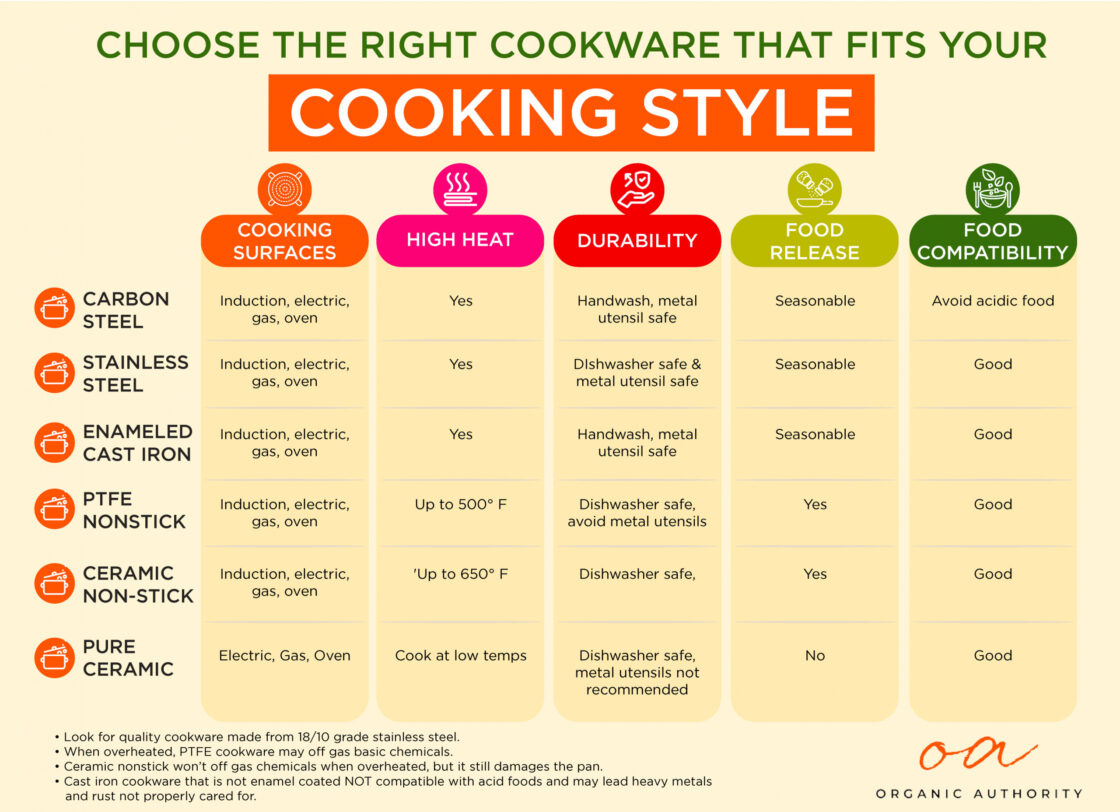
Stainless steel is a favorite among many home cooks and professionals alike. It’s durable, easy to clean, and doesn’t react with acidic foods. Think about that time you made a tomato-based sauce and didn’t have to worry about any weird metallic taste. Stainless steel utensils are also less prone to rust, making them a long-lasting investment for your kitchen.
But here’s the best part—stainless steel is non-toxic. It doesn’t leach chemicals into your food, so you can cook with peace of mind. If you’re someone who loves experimenting with different cuisines, stainless steel is versatile enough to handle all your cooking adventures.
Cast Iron
Cast iron pans have been around for generations, and there’s a good reason why they’ve stuck around. They can handle high heat and distribute it evenly, which is perfect for achieving that crispy crust on your seared steak. Plus, using cast iron can add a bit of iron to your diet, a bonus you might not have considered.
Many people swear by the unique flavors that cast iron can bring out in dishes. If you’ve ever cooked a skillet cornbread, you know what I mean. The non-toxic nature of cast iron also means you’re not exposing yourself to harmful chemicals, keeping your meals wholesome and healthy.
Ceramic
Ceramic cookware is gaining popularity for its aesthetic appeal and non-toxic properties. It’s often coated with a mineral-based glaze, preventing food from sticking while ensuring even cooking. Have you ever made a casserole and admired how beautifully it cooked from edge to edge? That’s ceramic magic.
These utensils don’t leach harmful substances, making them safe for everyday use. If you’re looking for vibrant cookware that complements your kitchen decor while keeping your meals toxin-free, ceramic is a wonderful choice.
So, which material will you choose to elevate your cooking game while ensuring safety and health? Consider what works best for your cooking style and needs. Investing in non-toxic utensils is not just a choice; it’s a step towards a healthier lifestyle. What does your kitchen say about your health choices?
Credit: www.walmart.com
Eco-friendly Options
Choosing eco-friendly cooking utensils supports a sustainable lifestyle. These options help reduce environmental impact. They are made from natural materials. They are biodegradable and often more durable. Let’s explore some popular eco-friendly choices.
Bamboo Utensils
Bamboo utensils are lightweight and strong. Bamboo grows quickly. It doesn’t need pesticides. It absorbs little moisture. This makes it resistant to warping. Bamboo utensils are smooth and easy to clean. They don’t scratch non-stick cookware. They are a great alternative to plastic. Plus, they have a natural look.
Wooden Tools
Wooden tools are classic and reliable. They come from renewable sources. Many are handmade, adding a unique touch. Wood is gentle on pots and pans. It doesn’t conduct heat, keeping handles cool. Wooden tools can last for years if cared for properly. They are biodegradable and often compostable.
Heat-resistant Choices
Choosing the right cooking utensils ensures safety in high temperatures. Silicone spatulas and wooden spoons resist heat effectively. Stainless steel and cast iron are durable options for cooking.
When it comes to cooking, safety is a top priority, especially when selecting utensils that can withstand high temperatures. Heat-resistant choices not only ensure your meals are free from unwanted chemicals but also enhance your cooking experience. The right tools can make a significant difference in the kitchen, providing durability and peace of mind.
Silicone Utensils
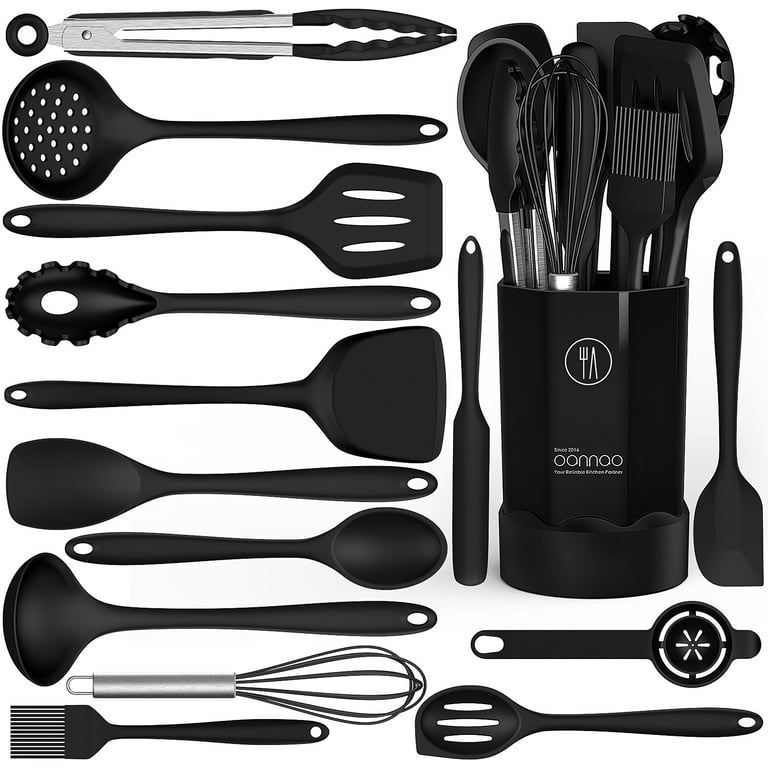
Silicone utensils are a favorite among home cooks for their flexibility and heat resistance. They can withstand temperatures up to 500°F, making them perfect for frying, sautéing, and stirring hot dishes. Have you ever melted a plastic spatula on a hot pan? Silicone solves this problem, keeping your kitchen mishaps to a minimum. Silicone’s non-reactive nature means it won’t leach chemicals into your food. It’s also dishwasher safe, making cleanup a breeze. Next time you cook, consider swapping your old spatulas for silicone ones. Your stir-fry will thank you for it!
Tempered Glass
Tempered glass is a game changer for those who love baking and roasting. Unlike regular glass, it’s designed to endure high heat without breaking. It’s perfect for casseroles and pies, offering a clear view of your culinary creations as they cook. The durability of tempered glass is impressive. It doesn’t stain or retain odors, which is ideal for meals with strong spices or sauces. Have you ever wondered why your favorite lasagna dish always tastes better in glass? The even distribution of heat might be the secret! Choosing the right heat-resistant utensils not only ensures safety but also enhances your cooking adventures. Whether it’s the versatility of silicone or the reliability of tempered glass, these tools are essential for a safe and efficient kitchen. What will you try next in your cooking journey?
Avoiding Harmful Coatings
Choosing safe cooking utensils is crucial for health. Opt for stainless steel or cast iron to avoid harmful coatings. These materials prevent toxic substances from leaching into food, ensuring a safer cooking experience.
Avoiding Harmful Coatings Cooking should be a joyful and healthy experience. But have you ever considered the safety of your cooking utensils? Not all cookware is created equal, and some may even pose risks due to harmful coatings. Let’s explore how you can choose safer options for your kitchen.
Teflon Concerns
Teflon is a popular non-stick coating found in many kitchens. However, it can release toxic fumes when heated to high temperatures. These fumes are harmful to both your health and the environment. You might think, “But I love my non-stick pan for eggs!” Don’t worry. Consider switching to ceramic or cast iron, which are safer and still offer non-stick properties. Your health is worth the change.
Aluminum Warnings
Aluminum cookware is lightweight and affordable. But did you know it can leach into your food, especially when cooking acidic dishes? This could be a concern for your long-term health. Think about that time you made a delicious tomato sauce in an aluminum pot. The acidity may have drawn aluminum into your meal. Opt for stainless steel or anodized aluminum instead. They provide durability without the worry. Choosing safe cookware doesn’t mean you have to give up convenience or taste. What small changes can you make today to ensure your kitchen is both delicious and safe?
Durability And Longevity
Durability and longevity are crucial for cooking utensils. They ensure safety and efficiency. Quality utensils withstand high temperatures and frequent use. They do not warp, chip, or break easily. This longevity saves money over time. It reduces the need for frequent replacements. By choosing durable utensils, you also minimize waste. This is better for the environment.
Maintenance Tips
Proper care extends the life of your utensils. Wash utensils by hand if possible. Avoid using harsh chemicals or abrasive sponges. Dry utensils completely before storing them. This prevents rust and bacterial growth. Regularly check for signs of wear and tear. Replace any damaged utensils promptly.
Investing In Quality
Investing in high-quality utensils pays off in the long run. Choose utensils made from stainless steel, silicone, or cast iron. These materials are known for their durability. They can handle high temperatures without degrading. Quality utensils provide a safer cooking experience. They enhance the enjoyment of preparing meals.

Credit: www.pinterest.com
Expert Recommendations
Choosing safe cooking utensils keeps health risks at bay. Experts suggest materials and brands that prioritize safety. Quality utensils enhance cooking experience and ensure safety.
Chef Insights
Professional chefs prefer stainless steel and silicone. Stainless steel resists rust and lasts longer. Silicone handles heat well and avoids chemical leaching. Chefs recommend avoiding non-stick coatings that contain harmful chemicals. Cast iron is another favorite for its durability and even heating.
Popular Brands
Brands like All-Clad and Le Creuset gain trust for their safe materials. All-Clad offers reliable stainless steel options. Le Creuset specializes in enamel-coated cast iron, offering both safety and style. OXO is known for user-friendly silicone utensils. Their products are safe and functional.
Credit: www.organicauthority.com
Frequently Asked Questions
What Materials Are Best For Cooking Utensils?
Stainless steel, silicone, and wood are excellent choices for cooking utensils. Stainless steel is durable and heat-resistant. Silicone is flexible and non-reactive, making it safe for non-stick surfaces. Wooden utensils are gentle on cookware and don’t scratch surfaces.
Are Non-stick Utensils Safe To Use?
Yes, non-stick utensils are generally safe when used correctly. Choose high-quality options and avoid overheating. Use silicone or wooden utensils with non-stick pans to prevent scratches. This helps maintain the integrity of the non-stick coating.
Is Plastic Safe For Cooking Utensils?
Plastic utensils are safe but use them carefully. Avoid high temperatures, as plastic can melt or release toxins. Choose BPA-free options for food safety. For high-heat cooking, prefer stainless steel or silicone over plastic.
Are Silicone Utensils Heat-resistant?
Yes, silicone utensils are heat-resistant and safe for cooking. They withstand high temperatures without melting. Silicone is also non-reactive, making it ideal for non-stick cookware. This ensures food safety and longevity of your utensils.
Conclusion
Choosing safe cooking utensils is important for your health. Materials like stainless steel, glass, and bamboo are good options. Avoid non-stick cookware with harmful chemicals. Quality matters, so invest in durable utensils. Research before buying new cookware. Keep your kitchen safe by cleaning utensils properly.
Use gentle soaps and avoid harsh chemicals. Remember, safe utensils lead to better cooking experiences. Check labels for safety certifications. Your choice impacts your cooking and well-being. Making informed decisions ensures a healthy kitchen environment. Be mindful of materials for a safer home.
Cook with confidence and enjoy your meals.

I’m Abby Lu, a passionate home cook who loves simplifying everyday meals. At PlugChef.com, I share product reviews and cooking guides to help you find the best tools for your kitchen.
Related posts:
 Best Chef Knife Set for Precision and Durability in Every Kitchen
 Safest Cooking Utensils: Top Non-Toxic Wooden & Silicone Sets Reviewed
 7 Steps in Cleaning the Kitchen: Ultimate Guide for a Sparkling Space
 How is a Cutting Board Stabilized: Expert Tips for Ultimate Safety
 How to Choose the Best Kitchen Knives Made in USA: Expert Tips
 How to Get Fruit Stains Out of Wood Cutting Board: Easy & Fast Tips