
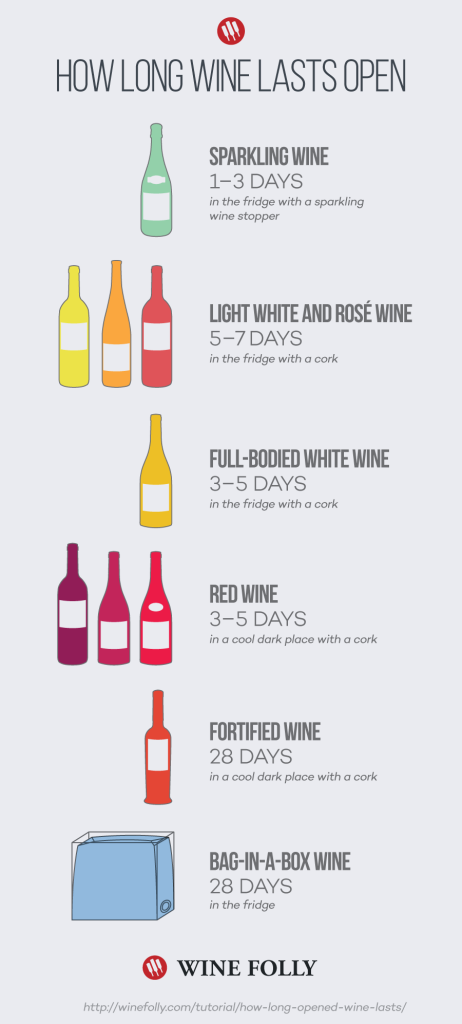
Picture this: you’ve just wrapped up a dinner party with half a bottle of crisp Sauvignon Blanc left over, or you poured one glass of Cabernet Sauvignon after work and tucked the rest away on the counter. Now you’re wondering: can you save it for tomorrow’s casual dinner, or will it taste flat and sour by evening? Understanding how long opened wine stays fresh isn’t just about avoiding waste—it’s about making sure every sip tastes as vibrant as the first pour. In practice, most home wine drinkers either toss opened bottles days before they actually spoil, or risk a disappointing, oxidized sip by holding onto them too long. This guide breaks down exact timelines, preservation hacks, and red flags for spoilage to help you make the most of every bottle you open.
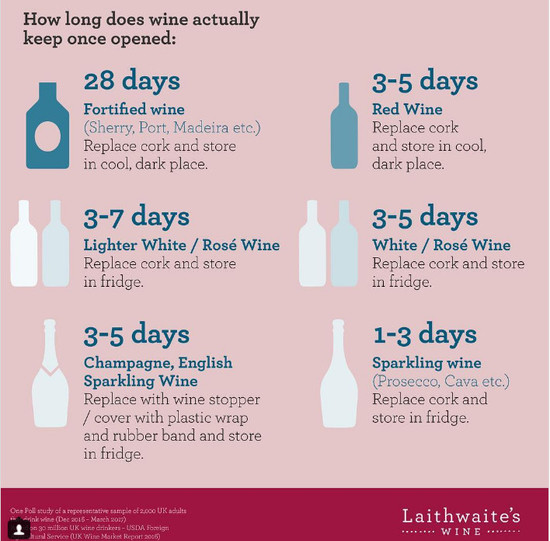 This guide breaks down the key steps to keep opened wine fresh for days.
Credit: www.decanterchina.com
This guide breaks down the key steps to keep opened wine fresh for days.
Credit: www.decanterchina.com
What Happens to Wine After You Open It?
Uncorking a bottle kicks off two natural processes that change wine’s flavor and aroma over time. First, oxygen interacts with phenolic compounds (tannins, anthocyanins, and flavor precursors) to mellow harsh, astringent notes in young, tannic wines—this is why some drinkers swirl red wine in their glass before sipping. But overexposure breaks down these compounds entirely, stripping away bright fruit and floral notes and leaving wine flat, tart, or vinegary. Second, volatile aroma compounds evaporate quickly once the seal is broken, so even perfectly stored wine will lose its signature scent over time.
As noted by the University of Minnesota Extension’s food preservation team, oxygen exposure also triggers microbial activity in low-acid, low-tannin wines, leading to off flavors like wet cardboard or nail polish remover. The rate of these changes depends entirely on the wine type, how you store it, and what preservation tools you use.
Exact Opened Shelf Life for Every Common Wine Type
While general rules of thumb exist, shelf life varies widely by wine variety. The table below outlines typical drinkable windows for opened wine stored in the refrigerator with a tight seal, based on standard industry guidance:
| Wine Type | Typical Opened Shelf Life | Key Preservation Notes |
|---|---|---|
| Light-bodied red (Pinot Noir, Gamay, Beaujolais) | 2–3 days | Low tannin levels mean faster oxidation; refrigerate immediately after opening |
| Full-bodied red (Cabernet Sauvignon, Syrah, Malbec) | 3–5 days | Higher tannin and acidity act as natural preservatives; store upright to reduce air exposure |
| White/rosé (Sauvignon Blanc, Pinot Grigio, dry rosé) | 2–3 days | Delicate aroma compounds degrade quickly; keep cold at all times |
| Sparkling wine (Champagne, Prosecco, Cava) | 1–3 days | Carbonation dissipates rapidly without a specialized sparkling stopper |
| Fortified wine (Port, Sherry, Vermouth) | 4–6 weeks | High alcohol content (20%+ ABV) slows oxidation and microbial growth |
| Dessert wine (Sauternes, Ice Wine, Tokaji) | 2–4 weeks | High sugar content acts as a natural preservative |
The biggest misconception among home drinkers is that all red wine lasts a full week opened—only full-bodied, high-tannin reds approach the 5-day mark, and even then only with proper storage.
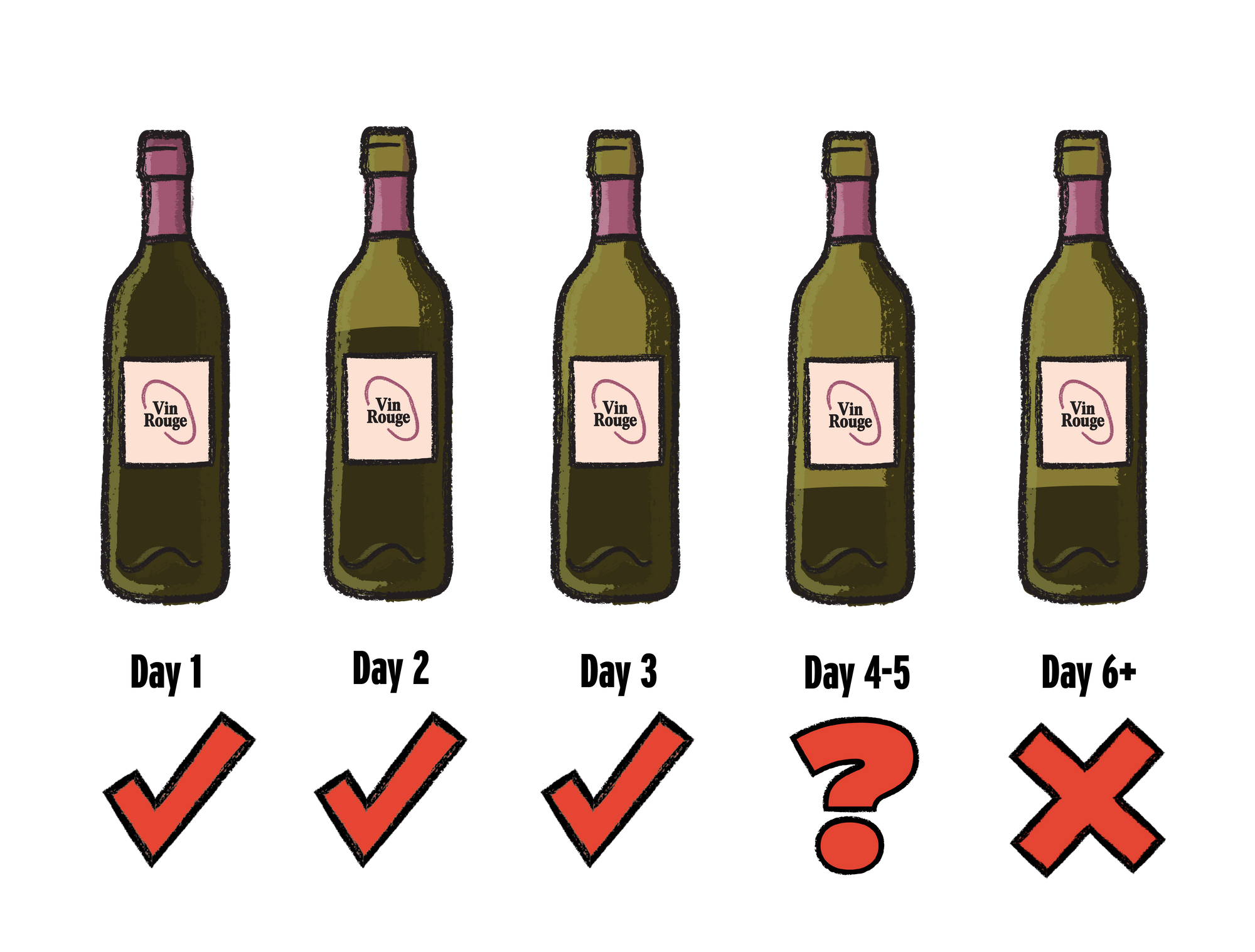 This quick-reference chart breaks down typical opened shelf life for common wine varieties, assuming proper refrigeration and sealing.
Credit: www.goodpairdays.com
This quick-reference chart breaks down typical opened shelf life for common wine varieties, assuming proper refrigeration and sealing.
Credit: www.goodpairdays.com
4 Key Factors That Change How Long Your Opened Wine Lasts
Even within the same wine type, small differences in storage and handling can add or subtract days of freshness. These are the most impactful variables to account for:
Air Exposure
Every time you pour a glass, you introduce fresh oxygen to the bottle, accelerating oxidation. Storing opened bottles upright reduces the wine’s surface area exposed to air by nearly half compared to laying the bottle on its side, slowing degradation significantly. A common mistake is using a loose or dried-out original cork to re-seal a bottle—these rarely create an airtight barrier, letting oxygen seep in over time.
Storage Temperature
Chemical reactions that break down wine double in speed for every 10°F (5.5°C) increase in temperature, per basic food science principles. A bottle left on a 70°F (21°C) kitchen counter will oxidize 2–3 times faster than one stored in a 40°F (4°C) refrigerator. The Wine Institute recommends storing all opened wine between 45°F and 55°F (7°C and 13°C) to slow oxidation and preserve its intended flavor profile. UV light from direct sunlight or even fridge bulbs also breaks down organic compounds, so store wine in a dark spot or opaque wine bag if possible.
Preservation Tools Used
Not all sealing methods are created equal. Basic rubber stoppers block some air, but vacuum pumps remove 70–90% of oxygen from the bottle, extending red wine shelf life by 1–2 days. For delicate whites, sparkling wine, or older vintages, inert gas preservers (argon or nitrogen kits) are a better choice: the heavy gas sits on top of the wine to create an airtight barrier without stripping delicate aroma compounds, which can happen if you over-pull a vacuum on fragile wine.
Age of the Wine Before Opening
A common myth is that older, more expensive wine lasts longer once opened. In reality, wine that has already aged 10+ years in the bottle has already undergone significant slow oxidation, so it will degrade 2–3 times faster once opened than a young, fresh vintage. If you open a 15-year-old Napa Cabernet, plan to finish it within 24 hours for the best flavor.
Step-by-Step Guide to Storing Opened Wine Correctly
Follow these simple steps to maximize the freshness of any opened bottle:
- Re-seal immediately after pouring, using the original cork if it’s still moist and intact, or a tight-fitting rubber stopper. Avoid using a dried-out cork that’s been sitting out on the counter, as it can introduce bacteria.
- Store the bottle upright in the coldest part of your refrigerator (not the door, where temperature fluctuates with every opening).
- Use a preservation tool matched to your wine type: vacuum pumps work well for full-bodied reds, while argon gas sprays are ideal for whites, sparkling wine, and delicate older vintages.
- Limit pours: only open the bottle and remove the seal when you’re ready to drink, rather than leaving it open on the counter for hours.
- Label the bottle with the date you opened it, so you don’t lose track of how long it’s been stored.
 Vacuum-sealing is one of the most effective ways to extend the shelf life of opened red wine.
Credit: casewinelife.com
Vacuum-sealing is one of the most effective ways to extend the shelf life of opened red wine.
Credit: casewinelife.com
How to Spot Spoiled Opened Wine (vs. Just Lost Brightness)
Not every change in opened wine means it’s undrinkable. A slight mellowing of harsh tannins or a small loss of bright fruit aroma after 2–3 days is normal, and the wine will still taste great for cooking. True spoilage has clear, unmistakable signs:
- Aroma: Loss of all fruity/floral notes, replaced by sharp vinegar, wet cardboard, musty basement, or nail polish remover scents (signs of volatile acidity or bacterial contamination).
- Taste: Sharp, burning acidity, vinegary flavor, or a flat, lifeless mouthfeel with no remaining fruit character.
- Visual: Red wines shift from deep purple to brick brown or orange; white wines turn dark yellow or amber; sparkling wine has no remaining bubbles; or visible sediment appears that wasn’t present when the bottle was first opened.
If you notice any of these signs, discard the wine for drinking, but it’s still safe to use for cooking or vinegar making if it doesn’t smell strongly of vinegar.
Creative Uses for Wine That’s Past Its Drinking Prime
Even if wine is too oxidized to sip on its own, it’s far too valuable to pour down the drain. These are the most popular, low-effort ways to use up leftover wine:
- Cooking: Use it to deglaze pans for steak or chicken sauces, add depth to tomato-based pasta sauces, or stir a splash into risotto for extra richness. The cooked-off alcohol leaves deep, complex flavor even if the wine is no longer pleasant to drink.
- Homemade vinegar: If the wine has turned sharp and vinegary, it’s perfect for making homemade wine vinegar. Add a splash of raw vinegar with a "mother" culture to a jar of the wine, cover with cheesecloth, and let sit in a dark pantry for 2–4 weeks, stirring occasionally, to create a flavorful vinegar for dressings and marinades.
- Cocktails and spriters: Mix flat leftover red wine with fresh fruit, a splash of orange juice, and a hint of brandy for an easy sangria, or stir leftover sparkling wine with a splash of juice for a low-effort spritzer.
- Meat marinades: The acidity in wine helps tenderize tough cuts of meat, while its flavor adds depth to marinades for steak, pork, or chicken.
- Freeze for later: Pour leftover wine into ice cube trays, freeze, and store in a zip-top bag for up to 3 months. Pop a cube into a sauce or stew whenever you need a splash of wine flavor without opening a new bottle.
Sommelier-Approved Tips for Perfect Wine Storage
These expert-backed rules will help you avoid common mistakes that shorten your opened wine’s shelf life:
- Always refrigerate opened red wine, even full-bodied, tannic varieties. Leaving red wine on the counter "to breathe" overnight cuts its shelf life by nearly half.
- Never lie an opened bottle on its side unless it has a synthetic cork designed for reuse—natural corks shrink after being pulled, so lying down lets wine seep into the cork and introduce excess air.
- Fortified and dessert wines are the only exceptions to the refrigeration rule: they can be stored upright in a cool, dark pantry for several weeks after opening, though refrigeration will extend their shelf life even longer.
- If you’re opening a delicate, aged vintage (10+ years old), plan to finish the entire bottle the same day—these wines are already on the edge of spoilage, and will degrade significantly within 24 hours even with preservation.
To see a step-by-step demo of how to use a sparkling wine stopper to preserve bubbles for up to 3 days, you can watch this short tutorial.
Frequently Asked Questions
Does wine go bad if you leave it open?
Yes, all opened wine will eventually spoil due to oxygen exposure and microbial activity, though timelines vary widely by type. Proper sealing and refrigeration can extend drinkable windows from 1 day (sparkling) to 6 weeks (fortified wine). If it smells like vinegar, wet cardboard, or nail polish remover, or tastes sharply acidic or flat, discard it.
Can you drink opened wine after 2 weeks?
Only fortified or dessert wines are likely still drinkable after 2 weeks opened, if stored properly in a cool, dark space. Light-bodied reds, whites, rosés, and sparkling wine will almost certainly be oxidized and unpleasant to drink by this point. Always smell and taste a small amount before consuming if you’re unsure.
What is the 30/30 rule for wine?
The 30/30 rule is a serving temperature guideline: chill light-bodied red wines (like Pinot Noir) for 30 minutes in the refrigerator before serving, and remove full-bodied white wines (like Chardonnay) from the fridge 30 minutes before serving to bring them to their optimal temperature. This rule enhances flavor and aroma, but does not impact how long an opened bottle will stay fresh.
How do you know if red wine has gone bad after opening?
Look for a shift from deep purple to brick brown or orange hues, loss of bright fruity aromas replaced by sharp vinegar, wet cardboard, or musty scents, and a flat, overly acidic, or vinegary taste. Slight loss of brightness after 2–3 days is normal, but pronounced off notes mean it’s time to discard or use for cooking.
Can you leave red wine open overnight without refrigeration?
You can, but it will oxidize 2–3 times faster than if refrigerated, cutting its drinkable shelf life by 1–2 days. If you plan to drink the rest the next day, store it in the fridge, even if it’s a full-bodied red—this is one of the most common mistakes home drinkers make that ruins leftover wine.
Final Tips for Enjoying Every Glass
Opened wine doesn’t have to go to waste, and it doesn’t have to taste sour or flat if you store it correctly. Full-bodied reds will stay fresh for 3–5 days with a tight seal and refrigeration, while whites, rosés, and sparkling wine are best enjoyed within 1–3 days. Fortified and dessert wines are the exception, lasting up to 6 weeks when stored properly. If you’re ever unsure if a bottle is still good, trust your senses: if it smells or tastes off, it’s perfectly safe to repurpose for cooking or vinegar making instead of pouring down the drain.
Ready to make the most of every bottle you open? Explore our full library of wine storage, serving, and pairing guides to elevate every pour.

I’m Abby Lu, a passionate home cook who loves simplifying everyday meals. At PlugChef.com, I share product reviews and cooking guides to help you find the best tools for your kitchen.
Related posts:
 How to Make a Fruit Basket for a Gift: Easy DIY Guide
 Do You Need a Basket? Essential Guide for Air Fryers
 How to Adjust Syrup Dispenser Pressure: Expert Tips
 Small Appliances for Kitchen: Maximize Space & Efficiency
 Full Size Retro Kitchen Appliances: Timeless Charm Unveiled
 Black Kitchen Cabinets With White Appliances: Chic Contrast

