
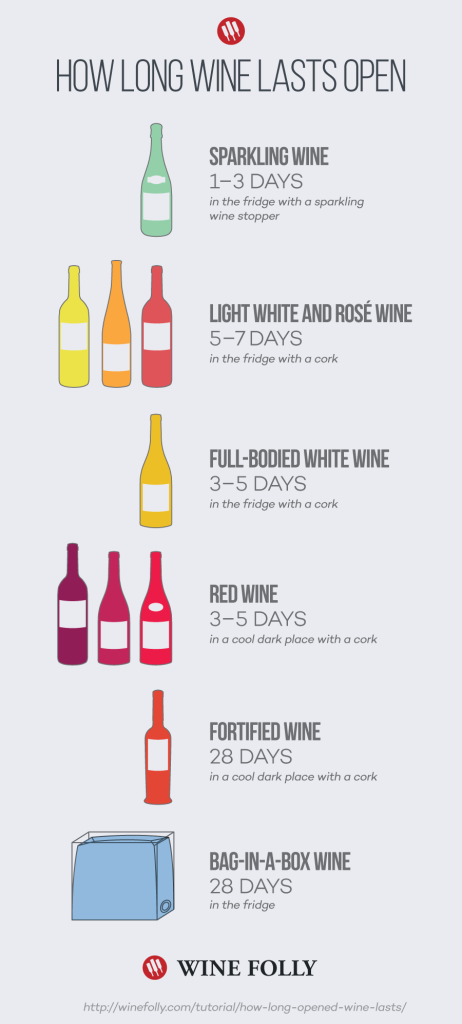
You’ve just finished a glass (or two) of a rich, fruity Cabernet Sauvignon after a dinner party, and you’re left staring at a half-full bottle on your counter. Or maybe you poured a single glass of Pinot Noir after a long workday, and you’re wondering if you can save the rest for tomorrow. Either way, the question is the same: how long can an open bottle of red wine last before it loses the flavors you paid for?
For unfortified table red wines (the standard still reds you’ll find in most liquor stores, excluding port, sherry, and other fortified varieties), the answer depends on a handful of key factors: the wine’s varietal, tannin and acidity levels, how you store it, and what preservation tools you use. In this guide, we’ll break down exact lifespan ranges for every common red wine type, share expert-backed preservation methods used by sommeliers and winemakers, teach you how to spot spoilage before you take a sip, and even give you creative ways to use leftover wine before it goes bad. No vague guesses, no outdated tips — just actionable, 2026 guidance to help you savor every drop of your favorite bottle.
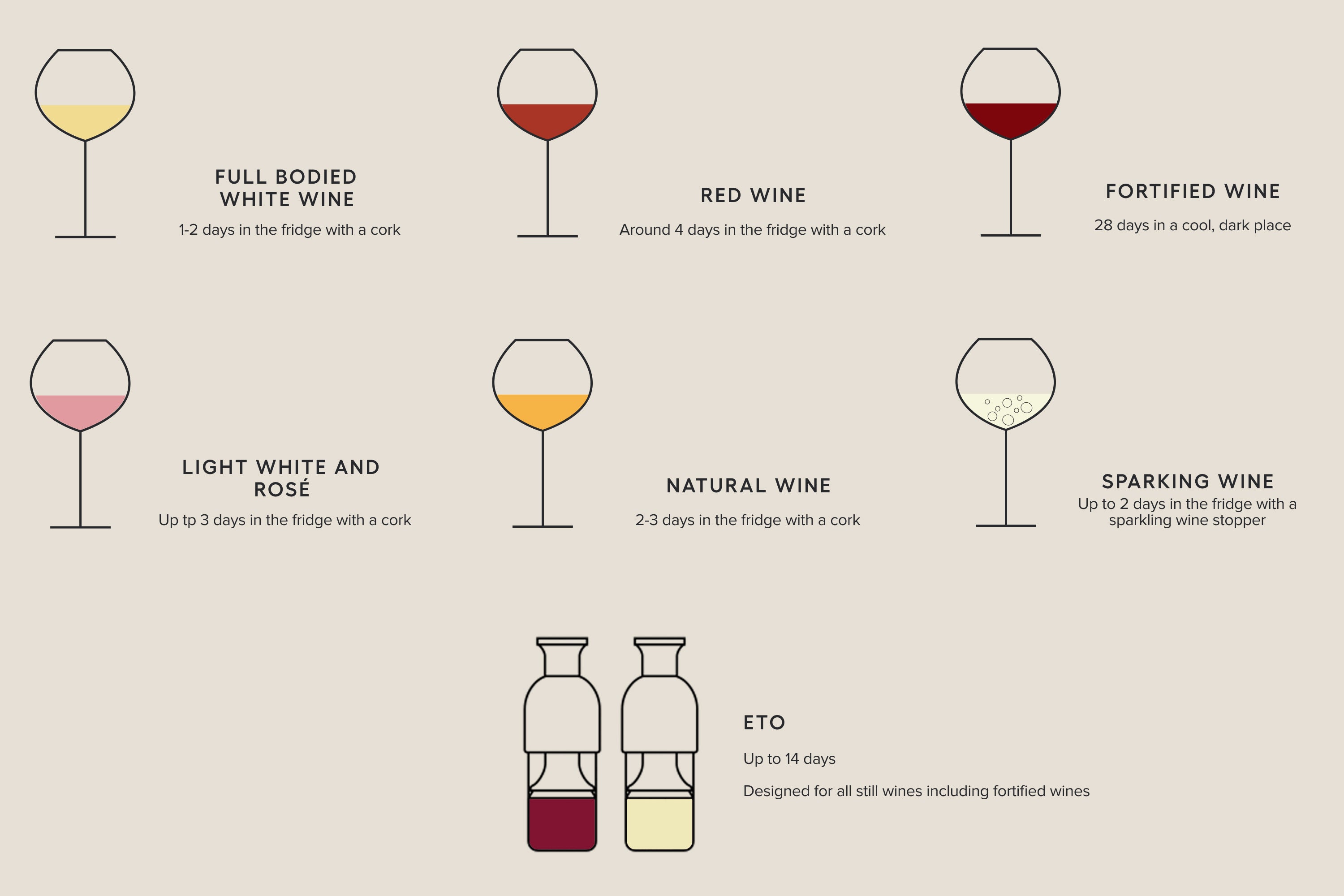 Proper storage can extend the freshness of an open red wine bottle by 2-3 days
Credit: www.etowine.com
Proper storage can extend the freshness of an open red wine bottle by 2-3 days
Credit: www.etowine.com
How Long Does an Open Bottle of Red Wine Actually Last?
There is no universal timeline for opened red wine, but industry consensus from the Court of Master Sommeliers and Napa Valley Vintners confirms clear ranges based on wine type. The biggest variable is the wine’s natural preservatives: tannins (from grape skins, seeds, and stems) and acidity, which slow the oxidation process that causes spoilage.
| Red Wine Type | Typical Opened Lifespan (Refrigerated, Basic Seal) | Key Notes |
|---|---|---|
| Light-bodied, low-tannin (Pinot Noir, Gamay, Beaujolais) | 3–5 days | Delicate aromas fade fastest; best consumed within 3 days for peak flavor |
| Medium-bodied (Merlot, Sangiovese, Tempranolo) | 4–6 days | Balanced tannin and acidity extend freshness slightly |
| Full-bodied, high-tannin (Cabernet Sauvignon, Syrah, Nebbiolo, Malbec) | 5–7 days | Tannins and high acidity act as natural preservatives |
| Premium age-worthy reds (fine Bordeaux, Barolo, Napa Cabernet) | 3–4 days | Delicate, complex flavor compounds degrade faster once exposed to oxygen |
| Fortified reds (Ruby Port, Tawny Port, Sweet Sherry) | 4–6 weeks (Ruby Port) / 2+ months (Tawny Port) | High alcohol and sugar content act as natural preservatives; store in a cool, dark place |
According to research from the University of California, Davis Viticulture and Enology program, the rate of oxidation in opened wine doubles for every 10°F increase in storage temperature, making consistent cool storage the single most impactful factor for extending freshness.
Key Factors That Determine Opened Red Wine Freshness
Tannin and Acidity Levels
Tannins and natural grape acidity act as built-in antioxidants, slowing the chemical reactions that cause spoilage. For example, a high-acid, high-tannin Nebbiolo will last 2+ days longer than a low-acid, low-tannin Pinot Noir stored under identical conditions. Wines with higher residual sugar (like fruity Zinfandels) also tend to last slightly longer, as sugar acts as a mild preservative.
Storage Temperature and Light Exposure
Heat accelerates oxidation and flavor degradation, while cold slows chemical reactions by 50% or more. The ideal storage temperature for opened red wine is 50–55°F (10–13°C), which matches the temperature of a standard wine fridge or the main compartment of your home fridge (avoid the door, which has frequent temperature swings). Direct sunlight and UV exposure cause "lightstrike," a defect that leads to wet cardboard or cooked cabbage off-odors, so store opened bottles in a dark, shaded spot away from windows.
Oxygen Exposure
When wine is exposed to oxygen, ethanol converts to acetaldehyde, the compound responsible for flat, vinegary, nutty off-flavors. Every time you open the bottle to pour a glass, you introduce fresh oxygen, so minimizing how often you open it (pour multiple servings at once if you plan to drink the wine over a few days) will extend its lifespan.
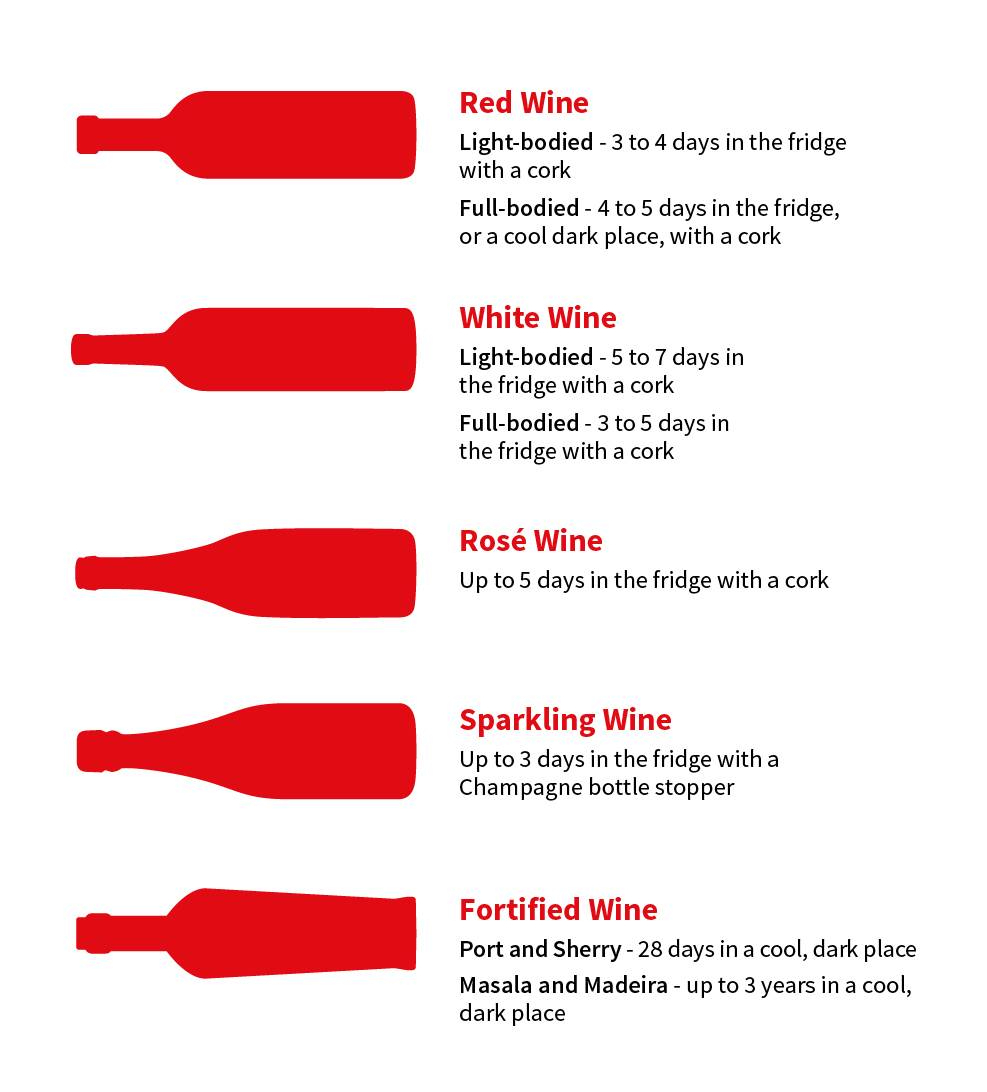 Virgin Wines' reference guide for how long common wine styles stay fresh after opening
Credit: www.virginwines.co.uk
Virgin Wines' reference guide for how long common wine styles stay fresh after opening
Credit: www.virginwines.co.uk
Step-by-Step Preservation Methods to Extend Opened Red Wine Freshness
Refrigeration (Non-Negotiable for All Opened Wines)
This is the simplest, most effective preservation step for every wine type:
- Reseal the bottle immediately after pouring, using the original cork pressed firmly back into the neck, or a dedicated stopper. A common mistake is leaving the cork sitting loosely on top of the bottle, which lets in far more air than a tight seal.
- Store the bottle in the main compartment of your fridge, not the door, to avoid frequent temperature swings. Even full-bodied reds benefit from refrigeration after opening — the cold slows oxidation without harming flavor.
- Remove the bottle from the fridge 30 minutes before serving to let it come to its ideal serving temperature (60–65°F for most reds) so it doesn’t taste overly chilled.
- Pro tip: Label the bottle with the date you opened it to avoid guessing how long it’s been stored.
Vacuum Sealing
A handheld vacuum pump removes 90% of the air from the bottle before sealing with a specialized stopper, drastically slowing oxidation.
- Pros: Extends lifespan of most reds by 3–5 days, inexpensive (pumps cost $10–$20), easy to use.
- Cons: Can flatten delicate, aromatic light-bodied reds like Pinot Noir or Beaujolais, as it also removes volatile aroma compounds. Not recommended for wines you plan to store for more than 5 days, as the seal can slowly leak over time.
Inert Gas Preservation (Restaurant-Grade Freshness)
This is the method used by most high-end restaurants to preserve opened wine for multiple days: a small canister of inert gas (argon or nitrogen, both heavier than air) is sprayed into the bottle before sealing, creating a protective layer between the wine and oxygen that prevents oxidation without removing aroma compounds.
- Pros: Extends lifespan of all red wine types by up to 2 weeks, works for delicate aromatic wines, no flavor alteration.
- Cons: Slightly higher upfront cost ($15–$30 for a home canister), but one canister lasts for 20+ bottles.
Reusable Wine Stoppers
Look for stoppers with a silicone or rubber double-seal gasket, which create an airtight fit for standard wine bottles. Avoid cheap plastic stoppers, which often don’t seal fully.
- Best for short-term storage (1–3 days) if you plan to finish the bottle the next day. Easy to use, no special equipment required.
For casual drinkers, combining refrigeration with a tight stopper is sufficient for most use cases. If you regularly have leftover bottles, investing in an inert gas canister is the most effective long-term solution.
 Common home preservation tools: a reusable silicone stopper and handheld vacuum pump
Credit: www.vinha.co.uk
Common home preservation tools: a reusable silicone stopper and handheld vacuum pump
Credit: www.vinha.co.uk
How to Tell If Your Opened Red Wine Has Gone Bad (Don’t Rely on the Date Alone)
Visual Cues
Fresh red wine has a vibrant, consistent hue: light-bodied reds are bright ruby, full-bodied are deep purple or garnet. If the wine has turned brown, brick red, or has an uneven, murky appearance, it’s likely oxidized. Note: Natural, unfiltered wines often have intentional sediment at the bottom of the bottle — this is not a sign of spoilage, and the wine is still safe to drink if it passes smell and taste tests.
Smell Test
Trust your nose first: fresh red wine has fruity, earthy, or oaky aromas depending on the varietal. Watch for these off-odors:
- Vinegar or nail polish remover: signs of acetic acid bacteria growth, from excessive oxygen exposure.
- Musty basement or wet cardboard: indicates cork taint (TCA contamination), a common flaw in sealed wine that becomes more noticeable after opening.
- Overpowering barnyard, horse sweat, or medicinal smells: may indicate Brettanomyces yeast contamination, which some wine drinkers enjoy in small amounts, but is a sign of spoilage if it dominates the aroma.
Taste Check
If the wine passes visual and smell tests, take a small sip: if it tastes flat, lacks its characteristic fruit flavors, has a sharp or metallic aftertaste, or tastes vinegary, it has spoiled. Important safety note: Spoiled opened red wine is almost never harmful to drink — it will simply taste unpleasant. Discard it only if it has visible mold growth or a strong, rotten, garbage-like smell, which indicates rare contamination.
Common Myths About Opened Red Wine Longevity
- Myth: Red wine doesn’t need to be refrigerated after opening.
Fact: Cold temperatures slow oxidation by 50% or more, even for full-bodied reds. Refrigeration is the single easiest way to extend opened wine lifespan. - Myth: Pushing the original cork back into the bottle is enough to seal it.
Fact: Corks dry out when exposed to air, so a reseated cork will never create an airtight seal. Use a dedicated stopper, vacuum sealer, or inert gas for best results. - Myth: All red wine lasts exactly 5 days after opening.
Fact: Lifespan varies widely by varietal, tannin level, and preservation method: a light Pinot Noir may be past its prime in 3 days, while a vacuum-sealed Cabernet can last 7. - Myth: Decanting opened red wine for a few days will improve its flavor.
Fact: Decanting (pouring wine into a wide glass to expose it to air) for 30–60 minutes before serving can soften harsh tannins in young, tannic reds, but leaving an opened bottle exposed to air for days will only cause oxidation and flavor loss, not improvement.
Creative Uses for Leftover Red Wine (Before It Spoils)
Cooking and Culinary Uses
- Add ¼ cup of leftover red wine to tomato sauce, stew, or chili for a deep, rich umami flavor boost. The alcohol cooks off, leaving only concentrated flavor.
- Use it as a marinade for red meat: the acid and tannins help tenderize tough cuts, and infuse them with fruity, oaky flavor. Marinate steak, lamb, or pork for 2–4 hours before cooking.
- Deglaze pans after searing meat: pour a splash of leftover wine into a hot pan to lift up browned bits from the bottom, creating a flavorful base for pan sauces.
- Add a splash to sautéed mushrooms, onions, or braised red cabbage for an extra layer of complexity.
Wine-Based Drinks
- Make a quick red wine spritzer: mix 3 parts leftover red wine with 1 part soda water or sparkling grape juice, add a slice of orange or lime, and serve over ice.
- Use leftover wine in place of some of the liquid in sangria: mix with chopped fruit, a splash of brandy or orange juice, and let chill for 1 hour before serving.
- Make a red wine mule: substitute red wine for vodka in a classic Moscow Mule recipe, mix with ginger beer and a lime wedge, served over ice in a copper mug.
Homemade Red Wine Vinegar
If your wine is past the point of drinking but not moldy, turn it into homemade vinegar: mix 2 parts leftover red wine with 1 part filtered water and 1 tablespoon of raw, unfiltered apple cider vinegar (as a starter). Cover with a cheesecloth and store in a dark, cool place for 2–4 weeks, stirring occasionally. Once it develops a tangy vinegar flavor, bottle it and use it for salad dressings, marinades, or finishing sauces.
Frequently Asked Questions
Can you drink red wine 7 days after opening?
Yes, but only if it’s a full-bodied, high-tannin red like Cabernet Sauvignon or Syrah, stored in the fridge with a tight seal. Light-bodied, low-tannin reds like Pinot Noir or Beaujolais will almost always be past their prime by day 7, with flat, oxidized flavors. Always check for off-odors and flavors before drinking, regardless of how long it’s been stored.
Does open red wine go bad?
Yes, all unfortified opened red wine will eventually spoil due to oxidation and bacterial growth. With proper storage and preservation, most reds stay enjoyable for 3–7 days, while fortified reds like port can last 4–6 weeks.
Can you drink opened red wine after 1 month?
Only fortified red wines (like port, tawny port, or Madeira) are safe and enjoyable to drink after 1 month of being opened, as their high alcohol and sugar content act as natural preservatives. Unfortified table red wine will be heavily oxidized, with flat, vinegary flavors, after 1 month, even if refrigerated, and should be discarded.
Is it safe to drink old opened red wine?
In almost all cases, spoiled opened red wine is not harmful to your health — it will simply taste unpleasant. The only time you should discard it immediately is if it has visible mold growth or a strong, rotten, garbage-like smell, which indicates rare contamination. If it just tastes flat or slightly vinegary, it’s not dangerous, just not enjoyable to drink.
Can you freeze leftover red wine?
Yes, you can freeze leftover red wine in ice cube trays for use in cooking, sauces, stews, or braises. It will retain its flavor for 2–3 months in the freezer. Note that frozen wine is not ideal for drinking, as freezing can alter its texture and mute its flavors, but it works perfectly for culinary use.
Conclusion
The lifespan of an open red wine bottle ranges from 3 days for delicate light-bodied varieties to 7 days for full-bodied, high-tannin reds, with fortified wines lasting months when stored properly. The most impactful steps to extend freshness are simple: refrigerate all opened reds immediately, seal the bottle tightly with a dedicated stopper, and minimize how often you open it to pour glasses. Always trust your senses over a printed timeline — if a wine smells or tastes off, it’s time to discard it, no matter how recently it was opened.
Ready to put these tips to work? For a quick visual walkthrough of the best preservation methods for opened red wine, check out our 60-second guide here: How to Store Opened Red Wine.

I’m Abby Lu, a passionate home cook who loves simplifying everyday meals. At PlugChef.com, I share product reviews and cooking guides to help you find the best tools for your kitchen.
Related posts:
 How Do You Pronounce Colander: Clear Guide & Tips
 Is Nylon Or Silicone Better for Cooking Utensils: Ultimate Guide
 How to Cut Skirt Board for Stair: Expert Tips & Techniques
 Vintage First Aid Kit Metal Box: Timeless Safety and Style
 First Aid Kit for Restaurant: Essential Safety Gear You Need Today
 First Aid Kit for Sports: Essential Items for Quick Injury Care

