

There’s nothing quite like a bowl of creamy, savory loaded mashed potatoes to make a weeknight dinner feel like a special occasion, or to anchor a holiday spread as the most requested side dish on the table. Unlike plain mashed potatoes, this recipe layers buttery potato base with smoky bacon, melted sharp cheddar, and bright fresh toppings for a balance of textures and flavors that feels indulgent without being complicated. Even first-time cooks can pull this off with foolproof steps that avoid common pitfalls like gluey potatoes or bland seasoning, and it’s easily customizable for dietary restrictions or flavor preferences. Below, you’ll find a tested, restaurant-quality recipe plus pro tips to make this dish a staple in your rotation.
Choosing the Perfect Potatoes
The foundation of any great mashed potato dish starts with the right potato variety, as starch content directly impacts texture, flavor absorption, and final consistency. Picking the wrong type can lead to watery, gluey, or dense results, so taking 30 seconds to select the right produce will pay off tenfold in the finished dish.
Starchy vs. Waxy Varieties
High-starch potatoes like Russets are the top choice for light, fluffy mashed potatoes: their low moisture content and open cell structure mash smoothly and soak up butter, cream, and cheese without turning gummy. Yukon Gold potatoes, a medium-starch variety, offer a naturally buttery, creamy texture and rich golden hue, with less risk of over-mashing making them gluey. Avoid waxy potatoes like red or new potatoes for this recipe, as their high moisture and low starch content lead to lumpy, dense mashed potatoes that can’t hold up to heavy toppings. For a balanced, crowd-pleasing result, many home cooks use a 50/50 mix of Russet and Yukon Gold to get the best of both fluffy and creamy textures.
Freshness and Storage
Only use firm, unbruised potatoes with smooth skin and no green spots or sprouts: green discoloration indicates solanine production, a natural toxin that can cause bitterness and mild illness if consumed in large quantities, so cut away any small green areas or discard the potato entirely if greening is widespread. Store potatoes in a cool (45–50°F), dark, well-ventilated space like a pantry or cellar, never in the refrigerator (cold temperatures convert starch to sugar, leading to off-flavors and browning when cooked) and never near onions, which release ethylene gas that accelerates sprouting. Use potatoes within 2 weeks of purchase for the best flavor and texture.
Peeling vs. Skin-On Options
For ultra-smooth mashed potatoes, peel potatoes thoroughly before cutting. If you prefer a rustic, nutrient-dense version, leave the thin skins on Yukon Golds (Russet skins are thicker and can be tough) and scrub them thoroughly with a sturdy scrubbing brush to remove all dirt and debris before boiling. Skin-on mashed potatoes have a heartier, earthier flavor that pairs well with smoky bacon and sharp cheese.
Core Ingredients for Restaurant-Quality Results
Loaded mashed potatoes get their signature rich, layered flavor from a small set of key ingredients, and small swaps or prep adjustments can elevate the dish from good to unforgettable. Avoid pre-shredded cheese and pre-cooked bacon bits for the best results, as these products often contain anti-caking agents and preservatives that dull flavor and texture.
Cheese Selection
Sharp cheddar is the classic choice for its bold, tangy flavor and excellent meltability, but you can customize the flavor profile with other meltable cheeses: smoked gouda adds a rich, campfire-like depth, pepper jack brings a gentle heat, and a sprinkle of parmesan adds a salty, umami kick. Always grate cheese from a block yourself rather than using pre-shredded varieties, which are coated in cellulose anti-caking agents that prevent smooth melting and can leave a gritty texture. For the creamiest result, mix 2 parts cheddar with 1 part cream cheese, which adds tang and helps stabilize the cheese sauce so it doesn’t separate when heated.
Bacon and Crunch Toppings
Thick-cut bacon crisps up better than thin slices, with less risk of burning and a richer, meatier flavor. Cook bacon in a cold skillet over medium heat, flipping occasionally, until golden and crisp (about 8–10 minutes), then drain on a paper towel-lined plate and crumble into small pieces. For an extra depth of flavor, reserve 2 tablespoons of the rendered bacon grease to stir into the mashed potato base before adding dairy — this adds a smoky, savory backbone that you can’t get from bacon bits alone. For a vegetarian alternative, swap bacon for crispy smoked tempeh, sautéed cremini mushrooms, or coconut bacon for a similar crunchy, smoky texture.
Dairy and Fat Components
The ratio of dairy to potatoes is the biggest factor in creamy, lump-free mashed potatoes: for every 2 pounds of potatoes, use ½ cup of warm heavy cream, 4 tablespoons of unsalted butter, and ¼ cup of sour cream for a rich, tangy base. Always warm cream and butter before adding them to the potatoes, as cold dairy causes lumps and uneven mixing; you can warm them together in a small saucepan over low heat, or in the microwave in 10-second increments, stirring between each. Unsalted butter gives you full control over seasoning, but if using salted butter, reduce the amount of added kosher salt by ¼ teaspoon to avoid over-salting. For non-dairy swaps, use full-fat oat milk, vegan butter, and vegan cheddar or nutritional yeast for a vegan-friendly version that still feels rich. If you’re cooking with little helpers, install child-safe cabinet locks to keep sharp utensils and hot ingredients out of reach.
Step-by-Step Preparation
This foolproof recipe takes 45 minutes total, with minimal active prep time, and yields 6–8 servings as a side dish. Follow these steps exactly to avoid common mistakes like watery potatoes or gluey texture.
Prepping and Boiling Potatoes
Start by scrubbing potatoes thoroughly, then peel if desired, and cut into uniform 1.5-inch chunks — equal size ensures even cooking, so no pieces are undercooked while others turn to mush. Place the chunks in a large pot and cover with 2 inches of cold water, adding 1 tablespoon of kosher salt to season the potatoes from the inside out (this also raises the boiling point slightly, leading to fluffier texture). Bring to a rolling boil over medium-high heat, then reduce heat to a gentle simmer and cook for 12–15 minutes, until a fork slides in and out of the largest chunk with no resistance. Drain the potatoes in a colander and let them sit for 2 minutes to steam off excess moisture — this prevents watery mashed potatoes.
Mashing for Ideal Texture
Return the drained potatoes to the warm pot (the residual heat helps butter melt evenly) and add the warm butter first, mashing gently to combine before adding any liquid. For the smoothest texture, use a potato ricer or food mill, which breaks down potato cells without over-working the starch (over-mashing activates the starch and creates a gluey, gummy texture, a common mistake many home cooks make). For a rustic, chunky texture, use a standard potato masher, stopping when no large lumps remain — it’s okay to have small, uneven pieces for a homemade feel.
Mixing in Toppings and Seasonings
Stir in the warm heavy cream, sour cream, reserved bacon grease, and ½ teaspoon of kosher salt and ¼ teaspoon of black pepper, mixing just until combined. Fold in 1.5 cups of shredded sharp cheddar and ½ cup of crumbled crispy bacon gently, being careful not to over-stir or the bacon will become soggy. Taste and adjust seasoning as needed, adding more salt, pepper, or a pinch of cayenne for heat if desired. Transfer to a warm serving bowl, top with extra bacon, shredded cheese, and chopped chives or green onions, and serve immediately for the best texture. After cooking, clean your pot and mashing tools with a handle-equipped cleaning brush to remove stuck-on potato and cheese residue without scratching cookware.
Pro Flavor Boosters
Once you’ve mastered the base recipe, these small additions add layers of depth and complexity that make the dish feel gourmet, with minimal extra effort.
Aromatic Herbs and Spices
Fresh herbs add a bright, fresh contrast to the rich, creamy potato base: stir ¼ cup of chopped fresh chives or parsley into the potatoes just before serving, or sprinkle on top as a garnish for a pop of color and mild onion flavor. For warm, smoky depth, add ½ teaspoon of smoked paprika or a pinch of cayenne pepper to the potatoes while mashing — these spices complement the bacon flavor perfectly without overpowering the potato taste. Fresh thyme leaves, stripped from the stem, add an earthy, subtle note that pairs especially well with roasted garlic additions.
Savory Allium Additions
Roasted garlic is one of the easiest ways to add deep, mellow sweetness to loaded mashed potatoes: wrap a whole head of garlic in aluminum foil, drizzle with a teaspoon of olive oil, and roast at 400°F for 30 minutes, then squeeze out the soft, caramelized cloves and mash them directly into the potato base. For a sweet, savory twist, stir in ½ cup of caramelized onions, cooked low and slow for 20 minutes until deep golden and tender. Sautéed shallots or leeks add a milder, more delicate onion flavor that won’t overpower the cheese and bacon.
Umami Richness
For an extra savory kick, stir in 1 teaspoon of Worcestershire sauce or a splash of soy sauce (use tamari for gluten-free) into the potato base, or top with a sprinkle of grated parmesan before serving. A dollop of cream cheese mixed into the base adds tang and helps stabilize the texture, while a handful of sautéed cremini mushrooms adds earthy umami that works especially well for vegetarian versions.
Serving and Pairing Ideas
Loaded mashed potatoes are a versatile side dish that pairs with nearly any main, and small presentation adjustments can make them the star of the meal for holiday gatherings or casual weeknights.
Main Dish Pairings
This recipe is a classic pairing for rich, savory mains: serve alongside grilled ribeye or steak for a hearty, indulgent meal, or with roasted chicken or turkey for a classic Thanksgiving or holiday spread. For lighter options, pair with baked salmon, meatloaf, or vegetarian mains like stuffed portobello mushrooms, lentil loaf, or roasted root vegetables. The creamy, savory base balances out salty, crispy, or sweet main dishes perfectly.
Presentation and Make-Ahead Tips
For a rustic, crowd-pleasing presentation, serve the mashed potatoes in a pre-warmed cast iron skillet, top with extra shredded cheddar and crumbled bacon, and broil for 2–3 minutes until the cheese is bubbly and golden. Garnish with fresh chives, a sprinkle of smoked paprika, or a dollop of sour cream for a pop of color. If you’re hosting a holiday meal, you can make the potato base 1–2 days in advance: store it without wet toppings (bacon, cheese, fresh herbs) in an airtight container in the refrigerator, then reheat gently with a splash of extra cream before adding toppings and serving, which cuts down on last-minute prep time. Use a clean prep surface to chop all your toppings ahead of time for even faster assembly on the day of your event.
Storage and Reheating Guidelines
Leftover loaded mashed potatoes stay delicious for up to 4 days when stored properly, and the right reheating method will restore their creamy, fresh-made texture without drying them out. For guidance on safe food handling for creamy dishes, refer to the FDA’s safe food handling resources to avoid foodborne illness.
Proper Storage Practices
Let the potatoes cool completely to room temperature (no more than 2 hours after cooking, per FDA guidelines) before transferring to an airtight container. Store in the refrigerator for up to 4 days, or freeze for up to 1 month for longer storage. If you know you’ll be reheating leftovers, stir an extra 1 tablespoon of cream or butter into the potatoes before storing to help maintain creaminess. For best results, store toppings like bacon, cheese, and fresh herbs separately in airtight containers, so they stay crisp and fresh when you reheat the potatoes. Tackle stubborn cheesy residue on cookware with a heavy-duty cleaning brush to avoid scratching non-stick surfaces when cleaning up after cooking.
Reheating Methods That Preserve Creaminess
The oven is the best method for reheating large batches: preheat to 350°F, spread the potatoes in a baking dish, cover tightly with aluminum foil, and bake for 20–25 minutes, stirring halfway through. Uncover for the last 5 minutes if you want to crisp up the top layer of cheese or bacon. For single servings, the microwave works if you add 1 tablespoon of milk or cream per cup of potatoes, cover the dish with a microwave-safe lid or damp paper towel to trap steam, and stir every 30 seconds until heated through. For the gentlest, most even reheating, use a double boiler: place the potatoes in a heatproof bowl set over a pot of simmering water, stirring occasionally, for 10–15 minutes until warm. This method avoids curdling or drying out, and is perfect for small batches or if you’re serving potatoes for a special occasion.
Frequently Asked Questions
What ingredients make the best loaded mashed potatoes?
The core base is potatoes, unsalted butter, warm heavy cream, and sour cream for creaminess, layered with sharp cheddar cheese, crispy thick-cut bacon, and fresh chives or green onions for garnish. You can customize with add-ins like roasted garlic, caramelized onions, or jalapeños for heat to suit your taste.
How do you make loaded mashed potatoes creamy without being gluey?
The two biggest factors are potato selection and mashing technique: use high-starch Russet or Yukon Gold potatoes, and avoid over-mashing, which activates starch and creates a gummy texture. Always warm your dairy ingredients before adding them to the potatoes, and fold in toppings gently to avoid crushing the fluffy potato base.
Can I prepare loaded mashed potatoes ahead of time for a holiday meal?
Yes! Make the potato base 1–2 days in advance, store it without wet toppings (bacon, cheese, fresh herbs) in an airtight container in the refrigerator. Reheat gently with a splash of extra cream on the day of your event, then add toppings just before serving for the best texture.
What are the best vegan substitutions for loaded mashed potatoes?
Swap unsalted butter for vegan butter, heavy cream for full-fat oat milk, and dairy cheese for vegan cheddar or a sprinkle of nutritional yeast for cheesy flavor. Use smoked tempeh, coconut bacon, or sautéed mushrooms instead of bacon for a smoky, crunchy texture, and top with fresh chives for brightness.
Why are my loaded mashed potatoes bland?
The most common reason is under-seasoning: always salt the water you boil potatoes in, taste the potato base before adding toppings, and adjust salt and pepper as needed. Using sharp cheddar instead of mild cheese, and adding a pinch of smoked paprika or a dash of Worcestershire sauce, will also add depth of flavor without extra salt.
Can I bake loaded mashed potatoes instead of serving them straight from the pot?
Absolutely! Transfer the prepared mashed potatoes to a greased baking dish, top with extra shredded cheddar and crumbled bacon, and bake at 375°F for 15 minutes until the cheese is bubbly and golden. This is a great option for potlucks or holiday meals, as it keeps the potatoes warm and adds a crispy, cheesy top layer.
Conclusion
This loaded mashed potatoes recipe is the ultimate comfort food, balancing creamy, fluffy potato base with smoky bacon, melted cheese, and bright fresh toppings for a dish that works for weeknight dinners, holiday spreads, and casual get-togethers alike. It’s easy to customize for dietary restrictions, can be made ahead for stress-free hosting, and reheats beautifully for leftovers. The pro tips included here will help you avoid common mistakes and create a restaurant-quality dish at home with minimal effort. Ready to build your ultimate comfort food menu? Pair these loaded mashed potatoes with a slow-roasted chicken or grilled ribeye for a meal that feels like a warm hug on a plate.
 Credit: www.favfamilyrecipes.com
A generous scoop of loaded mashed potatoes, ready to serve for a family dinner.
Credit: www.favfamilyrecipes.com
A generous scoop of loaded mashed potatoes, ready to serve for a family dinner.
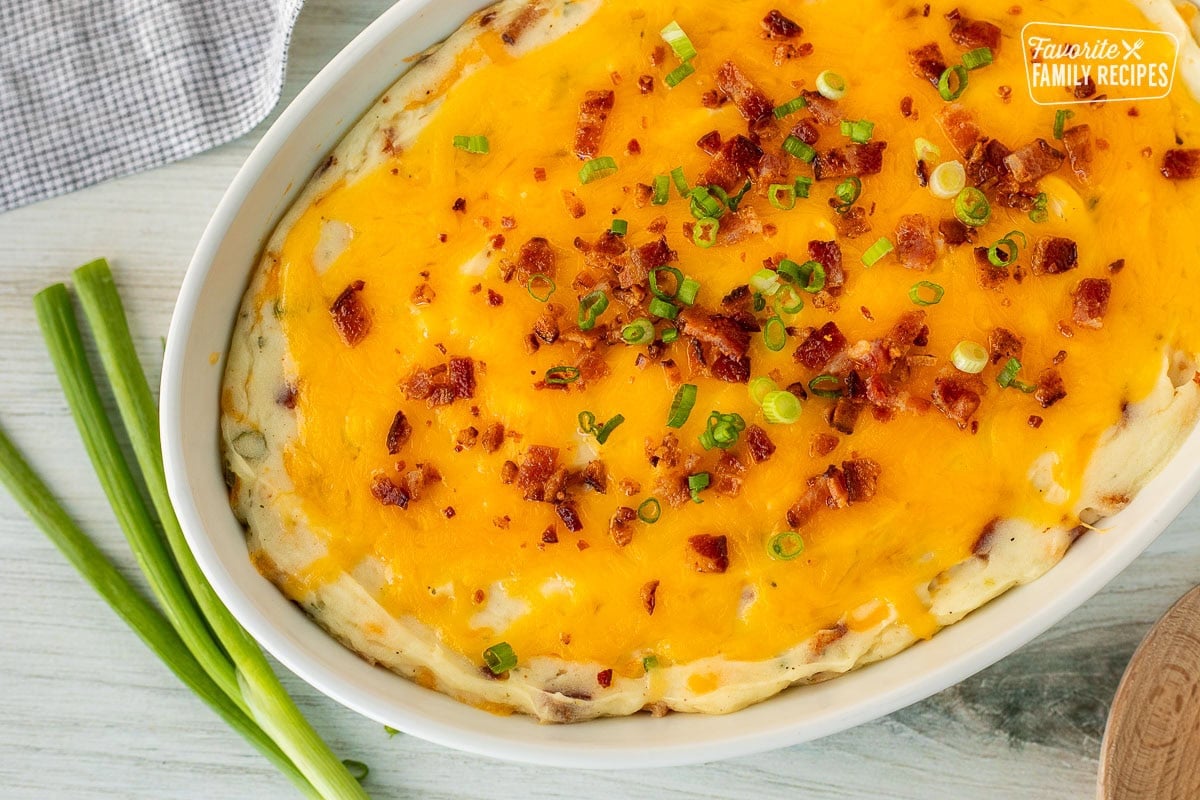 Credit: www.favfamilyrecipes.com
Finished loaded mashed potatoes garnished with crispy bacon and fresh chives, fresh from the oven.
Credit: www.favfamilyrecipes.com
Finished loaded mashed potatoes garnished with crispy bacon and fresh chives, fresh from the oven.
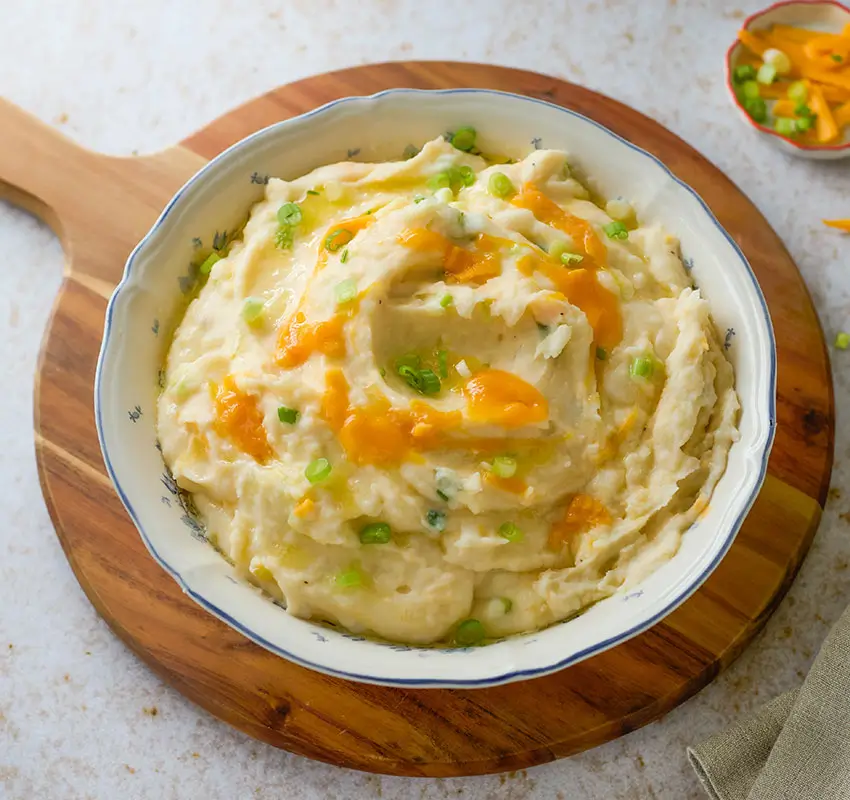 Credit: www.landolakes.com
Million-dollar style loaded mashed potatoes baked in a cast iron skillet for a crispy, golden top layer.
Credit: www.landolakes.com
Million-dollar style loaded mashed potatoes baked in a cast iron skillet for a crispy, golden top layer.
Frequently Asked Questions
What ingredients make the best loaded mashed potatoes?
The core base relies on high-starch potatoes (Russet or Yukon Gold), unsalted butter, warm heavy cream, and sour cream for a tangy, creamy foundation. For toppings, sharp cheddar cheese (grated from a block for optimal melt and flavor), thick-cut crispy bacon, and fresh chives or green onions are non-negotiable for classic, balanced flavor. You can customize with add-ins like roasted garlic, caramelized onions, or jalapeños to match your taste preferences, but sticking to high-quality, fresh versions of these core ingredients will always yield the most consistent, delicious results.
How do you make loaded mashed potatoes creamy without being gluey?
Two key, actionable steps prevent gummy texture: first, avoid over-mashing the potatoes, which activates excess starch and creates a gluey consistency — use a potato ricer for ultra-smooth results, or a standard masher and stop mixing as soon as no large lumps remain. Second, always warm your dairy ingredients (cream, butter, sour cream) to room temperature or gently heat them before adding them to the potatoes, as cold dairy causes lumps and uneven mixing. Draining potatoes thoroughly after boiling and letting them steam for 2 minutes to evaporate excess moisture also prevents watery, dense mashed potatoes.
Can I prepare loaded mashed potatoes ahead of time for a holiday meal?
Yes, this recipe is ideal for advance hosting prep: make the potato base up to 2 days in advance, store it without wet toppings (bacon, cheese, fresh herbs) in an airtight container in the refrigerator. When you’re ready to serve, reheat the base gently over low heat with an extra splash of warm heavy cream to restore its original creamy consistency, then add toppings just before serving for the best texture. You can also freeze the base for up to 1 month for longer storage, though the texture may be slightly softer after thawing, so extra cream when reheating will help fix that.
What are the best vegan substitutions for loaded mashed potatoes?
For a fully vegan version that still delivers rich, indulgent flavor, swap unsalted butter for vegan butter, heavy cream for full-fat oat milk, and dairy cheddar for a store-bought vegan cheddar or a sprinkle of nutritional yeast for cheesy, umami depth. Replace bacon with crispy smoked tempeh, sautéed cremini mushrooms, or coconut bacon for a similar smoky, crunchy texture, and use vegan sour cream or plain coconut yogurt for tang. All core steps of the recipe remain the same, and the result is just as satisfying as the traditional version.
Why are my loaded mashed potatoes bland?
Under-seasoning is the most common cause of bland mashed potatoes: always salt the water you boil potatoes in (this seasons the potatoes from the inside out, rather than just salting the top layer, which tastes uneven), taste the base before adding toppings, and adjust salt and pepper as needed. Using sharp cheddar instead of mild cheese, adding a pinch of smoked paprika, or stirring in a teaspoon of Worcestershire sauce (or tamari for gluten-free diets) will also add deep, savory flavor without extra salt.
Can I bake loaded mashed potatoes instead of serving them straight from the pot?
Absolutely! Baking is a great option for potlucks, holiday meals, or if you want a crispy, golden top layer: transfer the prepared mashed potatoes to a greased 9×13 baking dish, top with extra shredded cheddar and crumbled bacon, and bake at 375°F for 15 minutes until the cheese is bubbly and the top is golden. You can also broil for the last 1–2 minutes for extra crispiness, just watch closely to avoid burning the cheese or bacon.
Conclusion
This loaded mashed potatoes recipe delivers the perfect balance of fluffy, creamy potato base, smoky bacon, melted sharp cheddar, and bright fresh toppings, making it the ultimate comfort food side dish for everything from casual weeknight dinners to Thanksgiving and Christmas holiday spreads. With foolproof steps to avoid common pitfalls like gluey texture or bland seasoning, plus easy customization for vegetarian, vegan, or spicy preferences, it’s a versatile recipe that will quickly become a staple in your kitchen. Whether you serve it straight from the pot or baked for a crispy top layer, this dish is guaranteed to be the first side to disappear from any table. Ready to make it tonight? Pair it with your favorite grilled protein or roasted vegetables for a cozy, satisfying meal that feels like a warm hug in every bite. If you’re looking for more easy, crowd-pleasing comfort food recipes to round out your menu, check out our recipe collection for tested, foolproof dishes that work for every occasion.

I’m Abby Lu, a passionate home cook who loves simplifying everyday meals. At PlugChef.com, I share product reviews and cooking guides to help you find the best tools for your kitchen.
Related posts:
 What to Put in Baskets for Decorations: Creative Ideas
 Cabinet Pot And Pan Organizer: Maximize Your Kitchen Space
 Wusthof in Drawer Knife Organizer: Streamline Your Kitchen
 Best Way to Organize Kitchen: Transform Your Space
 15 X 20 Drawer Organizer: Transform Clutter Into Order
 Kitchen Drawer Organizer for Pots And Pans: Maximize Space

