

Busy weeknights often mean choosing between fast, processed takeout and time-intensive home cooking — but kale in a crock pot solves that dilemma entirely. This low-effort, nutrient-dense cooking method transforms tough, bitter raw kale into tender, flavorful greens with barely any active work, making it perfect for meal preppers, busy families, and anyone looking to add more vegetables to their diet without sacrificing taste. Widely recognized as a nutrient-dense “superfood” by dietetic professionals, kale packs high levels of vitamin K, vitamin A, and fiber per serving Academy of Nutrition and Dietetics, and slow cooking unlocks its best qualities while cutting down on stovetop work. For more quick, low-effort weeknight meal ideas, browse our quick meal prep collection.
What Is Crock Pot Kale?
Crock pot kale refers to any kale dish cooked low and slow in a countertop slow cooker, typically on the low setting for 1 to 8 hours depending on the recipe. Unlike quick stovetop sautéing, which can leave kale tough, bitter, or mushy if overcooked, the steady, gentle heat of a crock pot breaks down the green’s fibrous stems and natural bitter compounds over time, resulting in tender, subtly sweet leaves that absorb the flavors of added aromatics, broth, and seasonings. It works as a standalone side dish, a base for grain bowls, or a key ingredient in stews, soups, and casseroles, making it one of the most versatile leafy greens to cook in a slow cooker.
Key Benefits of Slow-Cooking Kale
Cooking kale in a crock pot offers unique advantages over other cooking methods, from better nutrient retention to unmatched convenience for busy schedules.
Nutrient Retention
One of the biggest perks of slow-cooking kale is its ability to preserve the green’s high nutrient content better than high-heat or boiling methods. According to the USDA, slow cooking retains up to 90% of water-soluble vitamins like vitamin C and B vitamins in leafy greens, compared to 40-60% retention when boiling, where nutrients leach into discarded cooking water USDA Nutrient Retention Factors. The low, steady heat also avoids scorching delicate leaves, which can degrade heat-sensitive nutrients like vitamin C. While slow cooking does reduce raw vitamin C levels by roughly 10-15% compared to eating kale raw, it still retains far more nutrients than boiling or frying, making it a healthy choice for daily meals.
Mellow, Enhanced Flavor
Raw and quickly cooked kale often has a tough, bitter edge that turns off even avid vegetable eaters, but slow cooking completely transforms its flavor profile. The low heat breaks down the tough cellulose in kale’s fibrous stems over hours, releasing natural plant sugars that balance the green’s inherent bitterness. Unlike high-heat sautéing, which can scorch leaves and amplify bitter notes, slow cooking lets spices, aromatics, and broth infuse every leaf evenly, resulting in a tender, subtly sweet side dish that pairs well with almost any main course. In practice, most home cooks find that even people who dislike raw kale will enjoy the mellow, savory flavor of slow-cooked kale.
Unbeatable Convenience
The “set it and forget it” nature of crock pot cooking is a game-changer for busy households. You can prep your kale and other ingredients in 10 minutes or less, set the crock pot before work or school, and come home to a fully cooked, hot meal with no active cooking required. Unlike stovetop dishes that need constant stirring and monitoring, crock pot kale cooks evenly on its own, freeing up your time for work, childcare, or other tasks. It’s also ideal for meal prep: cook a large batch on the weekend and store leftovers for quick lunches or dinners all week.
Reduced Food Waste
Crock pot kale is also a great way to cut down on kitchen waste. If you have slightly wilted kale in your crisper drawer that’s past its prime for raw salads, it’s still perfect for slow cooking — the long cook time will tenderize even limp leaves, no extra prep needed. You can also freeze prepped kale (stems removed, washed and chopped) for up to 3 months, so you always have a ready-to-use ingredient on hand for last-minute meals.
Choosing the Best Kale for Slow Cooking
The type of kale you choose, and how you prep it, will make a huge difference in the final texture and flavor of your crock pot dish.
Popular Kale Varieties & Their Best Uses
Not all kale is created equal for slow cooking: each variety has a unique texture and flavor that works better for specific recipes:
- Curly kale: The most widely available variety, with ruffled leaves and a robust, earthy flavor. It holds its shape well during long cook times, making it ideal for hearty stews and soups.
- Lacinato (dinosaur) kale: Dark blue-green, bumpy leaves with a milder, less bitter flavor than curly kale. It cooks up tender and creamy, making it perfect for simple side dishes and creamy kale recipes.
- Red Russian kale: Flat, tender leaves with a mild, slightly sweet flavor and a hint of peppery spice. It cooks faster than other varieties, so it’s best for recipes with shorter cook times (2-3 hours on low) or for adding to quick weeknight stews.
Freshness & Storage Tips
Fresh, high-quality kale will always taste better than older, wilted greens. When shopping, look for bunches with deep green, crisp leaves with no yellow or brown spots, and firm, crisp stems. Avoid any bunches with slimy or limp leaves, as these are past their prime. To store kale, wrap unwashed bunches in a damp paper towel and place them in a sealed plastic bag in your crisper drawer; this will keep kale fresh for up to 5 days. If you’re concerned about pesticide residue, opt for organic kale, as conventional varieties often have high levels of surface residues trapped in their ruffled leaves — be sure to wash non-organic kale extra thoroughly before cooking. Use a sturdy scrubbing brush to dislodge embedded grit from kale’s ruffled leaves before cooking to avoid sandy bites in your finished dish.
Prep Steps for Perfect Texture
Proper prep is the key to avoiding tough, gritty kale in your crock pot dishes:
- Remove and discard the thick, fibrous central stems, as they stay tough even after hours of cooking and can ruin the texture of your dish.
- Tear or chop leaves into 2-inch uniform pieces for even cooking.
- Wash leaves thoroughly under cold running water to remove embedded grit and dirt; wash at least twice to ensure all debris is removed.
- Dry leaves completely with a salad spinner or clean kitchen towel; excess moisture will make your dish watery.
- For longer cook times (6+ hours), add prepped kale in the final 45-60 minutes of cooking to preserve bright color and tender texture. You can also freeze prepped kale for up to 3 months for easy future use.
Essential Equipment for Crock Pot Kale
You don’t need any fancy gear to make great crock pot kale, but a few key tools will make the process easier and improve your results:
- Slow cooker size: A 2-4 quart crock pot is perfect for side dishes serving 2-4 people, while a 6+ quart model is ideal for stews, soups, and family-sized meals.
- Chef’s knife and cutting board: For chopping kale, onions, garlic, and other vegetables evenly.
- Salad spinner or clean kitchen towels: For drying kale thoroughly after washing, to avoid watery dishes.
- Wooden spoon: For stirring ingredients without scratching your crock pot’s ceramic insert.
- Airtight storage containers: For storing leftovers in the fridge or freezer.
Basic Crock Pot Kale Recipe
This simple, flavorful recipe is a perfect starting point for crock pot kale beginners, and it works as a standalone side dish or a base for more complex meals. It serves 4 as a side, and scales easily for larger batches.
Ingredients
- 1 large bunch (6 oz) Lacinato or curly kale, prepped (stems removed, washed, dried, torn into 2-inch pieces)
- 1 medium yellow onion, diced
- 3 cloves garlic, minced
- 1 tbsp extra virgin olive oil
- 1.5 cups low-sodium vegetable or chicken broth
- ½ tsp fine sea salt
- ¼ tsp freshly ground black pepper
- 1 tsp smoked paprika (optional, for depth)
- ¼ tsp red pepper flakes (optional, for heat)
Step-by-Step Instructions
- Prep all ingredients first: remove kale stems, wash and dry leaves thoroughly, dice onion, and mince garlic.
- Drizzle olive oil across the bottom of your crock pot to prevent sticking, then add diced onion and minced garlic.
- Layer prepped kale on top of the aromatics, then pour in the broth.
- Sprinkle with salt, pepper, and optional seasonings, then stir gently to combine.
- Cover and cook on low for 2.5-3 hours, or on high for 1.5-2 hours, until kale is tender but still has a slight bite.
- Taste and adjust seasoning before serving.
Serving Suggestions
This basic kale recipe works with almost any main course:
- Pair with grilled chicken, roasted salmon, or braised short ribs for a balanced weeknight dinner.
- Mix with cooked quinoa or brown rice, top with a fried egg, and drizzle with balsamic glaze for a hearty vegetarian grain bowl.
- Stir into chicken noodle soup or minestrone during the last 30 minutes of cooking for an extra nutrient boost.
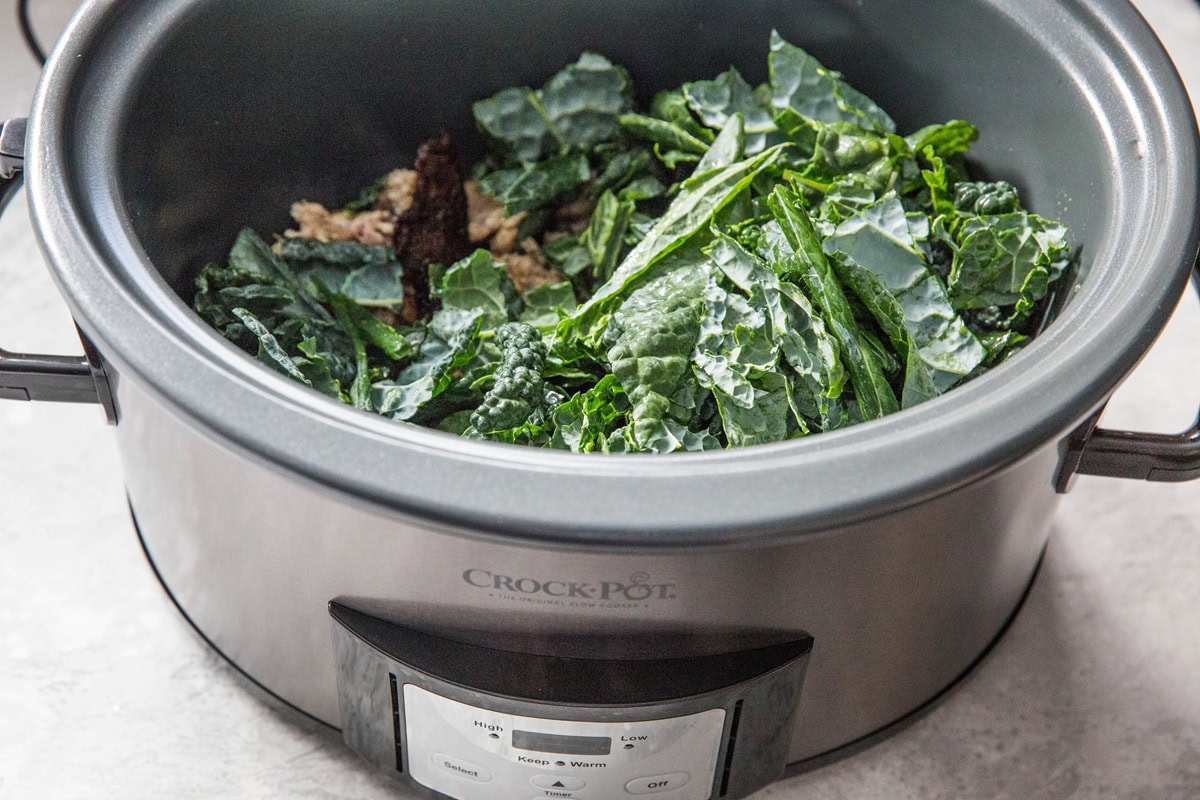 A serving of slow cooker kale soup paired with crusty bread for a balanced, satisfying meal.
Credit: www.theroastedroot.net
A serving of slow cooker kale soup paired with crusty bread for a balanced, satisfying meal.
Credit: www.theroastedroot.net
Hearty Kale and Bean Slow Cooker Stew
This filling, plant-forward stew is perfect for chilly weekends, and it freezes beautifully for quick future meals. The combination of creamy beans, tender kale, and savory aromatics makes it a satisfying main course that even meat-eaters will love.
Core Ingredients
- 6 oz prepped kale (stems removed, torn into 2-inch pieces)
- 2 (15 oz) cans cannellini beans, drained and rinsed (or 1.5 cups dry beans, soaked overnight)
- 2 medium carrots, diced
- 2 celery stalks, diced
- 1 medium onion, diced
- 3 cloves garlic, minced
- 4 cups low-sodium vegetable or chicken broth
- 1 tsp dried thyme
- 2 bay leaves
- ½ tsp smoked paprika
- Salt and black pepper to taste
- Optional: 12 oz smoked sausage, sliced, for a savory, meaty twist
Cooking Instructions
- Layer diced onion, carrots, celery, and garlic in the bottom of a 6+ quart crock pot.
- Add drained beans, broth, thyme, bay leaves, and smoked paprika, then stir to combine.
- If using smoked sausage, add it to the pot now.
- Cover and cook on low for 6-8 hours, or on high for 3-4 hours, until vegetables are tender and flavors have melded.
- Add prepped kale to the pot during the final 45 minutes of cooking, then season with salt and pepper to taste.
- Remove bay leaves before serving.
Flavor Variations
- For a tangy, tomato-based stew, add a 14 oz can of diced tomatoes (undrained) with the broth.
- For a smoky, Southwestern twist, swap thyme for cumin and chili powder, and top servings with diced avocado and a squeeze of lime.
- For a creamy, Italian-style stew, stir in ½ cup of grated Parmesan cheese during the final 10 minutes of cooking, and top with crusty bread for dipping.
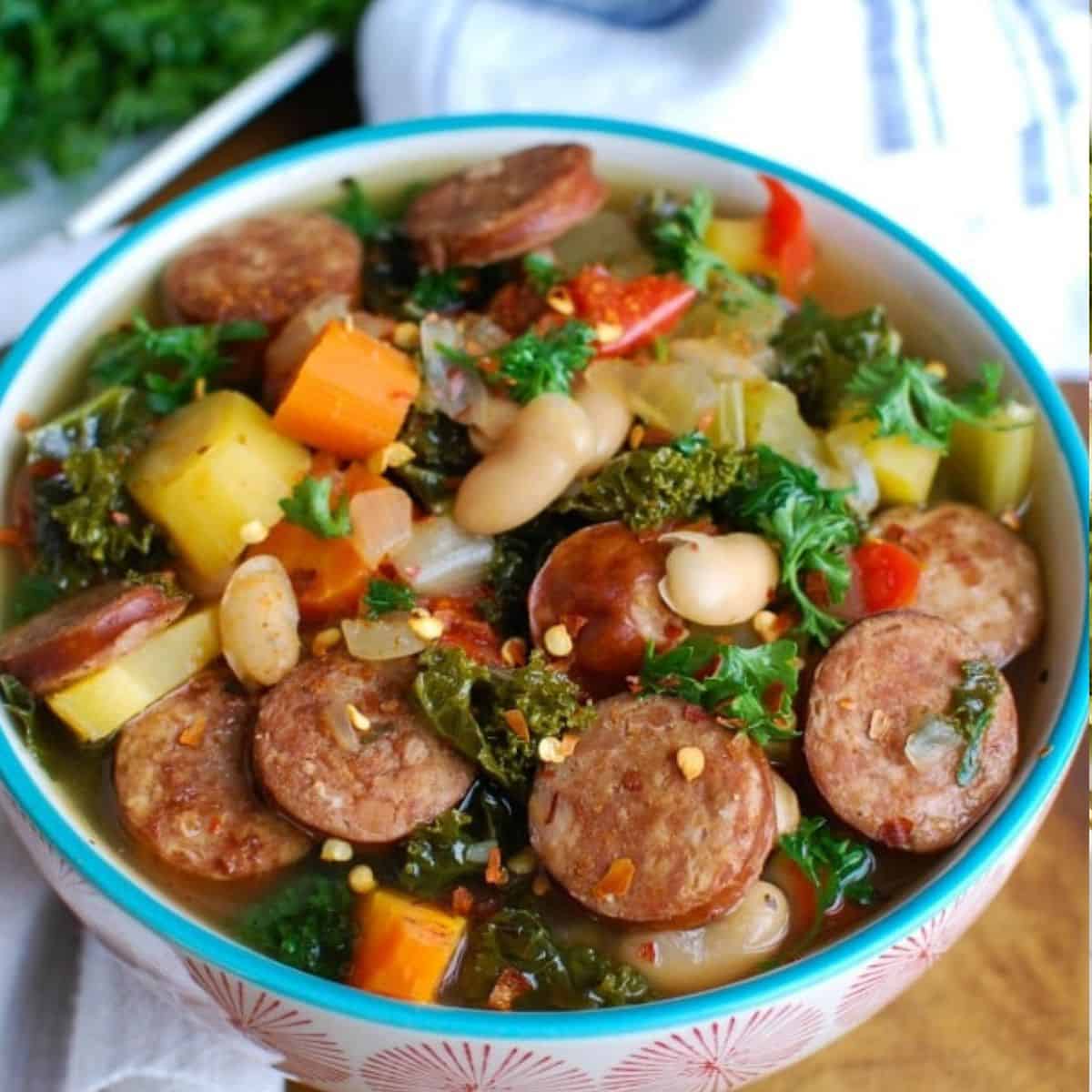 Hearty slow-cooked sausage and kale soup, a customizable variation of the classic bean and kale stew.
Credit: www.acedarspoon.com
Hearty slow-cooked sausage and kale soup, a customizable variation of the classic bean and kale stew.
Credit: www.acedarspoon.com
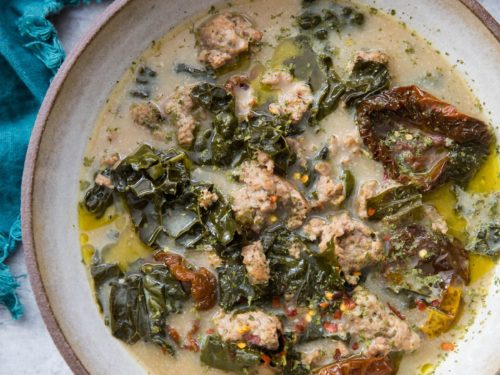 Close-up of perfectly tender, vibrant kale in a rich slow cooker stew, free of sogginess or bitterness.
Credit: www.theroastedroot.net
Close-up of perfectly tender, vibrant kale in a rich slow cooker stew, free of sogginess or bitterness.
Credit: www.theroastedroot.net
Kale and Chicken Slow Cooker Meal
This protein-packed dish combines tender, juicy slow-cooked chicken with flavorful kale for a complete, balanced meal that requires almost no active work. It’s perfect for weeknight dinners, and leftovers taste even better the next day.
Best Protein Pairings
Chicken is a perfect match for kale, as its mild, savory flavor balances the green’s natural earthiness. For the best results:
- Use bone-in, skin-on chicken thighs for extra moisture and rich flavor; they stay tender even after hours of slow cooking.
- Use boneless, skinless chicken breasts for a leaner, lower-fat option; add an extra ¼ cup of broth to keep them moist.
- For extra protein and creaminess, add a 15 oz can of white beans or 1 cup of red lentils to the pot along with the chicken.
Custom Spice Blends
The best part of this recipe is how easy it is to customize to your taste preferences. Try these tested spice blends:
- Italian-style: 1 tsp dried basil, 1 tsp dried oregano, ½ tsp garlic powder, ¼ tsp red pepper flakes
- Moroccan-inspired: 1 tsp ground cumin, 1 tsp ground coriander, ½ tsp ground cinnamon, ¼ tsp ground turmeric
- Smoky Southwestern: 1 tsp smoked paprika, 1 tsp chili powder, ½ tsp ground cumin, ¼ tsp cayenne pepper Add a bay leaf or two to any blend for extra depth of flavor, and adjust salt and pepper to taste before serving.
Cooking Tips for Tender Results
- Always add kale in the final 30 minutes of cooking to avoid mushy texture and preserve bright green color.
- Layer ingredients with chicken at the bottom of the pot and kale on top, so the chicken cooks evenly and the kale absorbs the savory juices from the meat.
- Always check that chicken reaches an internal temperature of 165°F (74°C) before serving to ensure food safety.
- For extra richness, stir in ¼ cup of heavy cream or coconut milk during the final 10 minutes of cooking for a creamy, sauce-like consistency.
Vegan Kale and Vegetable Slow Cooker Medley
This 100% plant-based dish is packed with colorful, nutrient-dense vegetables and tender kale, making it a great option for vegans, vegetarians, or anyone looking for a light, meat-free meal. It’s also naturally gluten-free if you use tamari instead of soy sauce for seasoning.
Vegetable Combination Ideas
Mix and match your favorite vegetables to customize this medley to your taste:
- For a hearty, fall-inspired version: use sweet potatoes, butternut squash, carrots, and mushrooms.
- For a bright, spring version: use bell peppers, asparagus, cherry tomatoes, and zucchini (add asparagus and tomatoes in the final 30 minutes of cooking to avoid mushiness).
- For a low-carb version: use cauliflower, broccoli, and Brussels sprouts, which hold their texture well during slow cooking.
Seasoning & Flavor Tips
Start with a base of 1 tsp garlic powder, 1 tsp onion powder, and ½ tsp dried thyme for a savory, crowd-pleasing flavor. Add a pinch of smoked paprika or cayenne for a subtle smoky or spicy kick, and finish with a splash of lemon juice or apple cider vinegar after cooking to brighten the dish and balance the richness of slow cooking. Fresh herbs like rosemary or sage also work well, but add them in the final 30 minutes of cooking to preserve their fresh flavor.
Texture Enhancement Hacks
Slow cooking can sometimes lead to mushy vegetables, but these simple tips will keep your medley interesting:
- Add firmer vegetables like carrots, celery, and sweet potatoes at the start of cooking, and softer vegetables like zucchini, bell peppers, and kale in the final 30-45 minutes to retain a slight crunch.
- Stir in toasted pumpkin seeds, slivered almonds, or sunflower seeds just before serving for a satisfying crunchy contrast.
- For a creamy, rich texture, stir in ½ cup of full-fat coconut milk or vegan yogurt during the final 10 minutes of cooking. This dish is a great option for picky eaters, and you can keep small hands safe in the kitchen with no-drill drawer locks to lock away cleaning supplies and small objects.
Pro Tips for Perfect Crock Pot Kale Every Time
Even beginner cooks can make perfect crock pot kale with these simple, tested tips:
Avoid Overcooking
Kale cooks much faster than tougher vegetables like carrots or potatoes, so it’s important to time its addition to the crock pot correctly. For recipes with cook times of 3 hours or less on low, you can add kale at the start of cooking. For longer cook times (4+ hours), add kale in the final 45-60 minutes to avoid mushy texture and preserve its bright green color. Always cook kale on the low setting if possible; the high setting can cause leaves to scorch or cook unevenly.
Balance Bitterness
If you find your kale is still slightly bitter after cooking, balance the flavor with a squeeze of fresh lemon juice, a pinch of sea salt, or a diced sweet potato added to the pot at the start of cooking (the natural sugars in the potato will mellow harsh bitter notes). Avoid adding too much salt early in the cooking process, as it can draw out moisture from the kale and make it tough.
Storage & Reheating
Leftover crock pot kale will stay fresh in an airtight container in the refrigerator for up to 3 days. To reheat, place it in a small pan with a splash of water or broth over low heat, stirring gently until warmed through; avoid microwaving on high, as this can make the leaves rubbery. For longer storage, freeze leftover kale in airtight containers for up to 3 months; thaw in the refrigerator before reheating. Clean your crock pot while it’s still warm with a heavy-duty scrub brush to remove stuck-on food residue without scrubbing.
Common Mistakes to Avoid
Even experienced cooks can run into issues with crock pot kale, but avoiding these common errors will guarantee perfect results every time:
Using Too Much Liquid
Crock pots create steam as they cook, so you need far less liquid than you would for stovetop cooking. Adding too much broth or water will lead to watery, bland kale and a soupy final dish. As a general rule, use just enough liquid to come ¼ of the way up the kale and other ingredients in the pot; the vegetables will release additional moisture as they cook.
Skipping Prep Steps
Skipping the step of removing tough kale stems or washing leaves thoroughly will lead to gritty, tough bites in your finished dish. Always destem kale before cooking, and wash leaves at least twice under cold running water to remove all embedded dirt and debris.
Ignoring Kale Variety Differences
Different kale varieties have different cook times and textures, so don’t treat them all the same. Thin, tender Red Russian kale will cook in 30-45 minutes on low, while thick, fibrous curly kale may need 1-2 hours to tenderize fully. Adjust cook times and the time you add kale to the pot based on the variety you’re using.
Always place your crock pot on a stable, heat-proof surface, and use cabinet safety latches to keep young children from pulling on cords or touching hot exteriors during cooking.
Troubleshooting Common Issues
Even with the best prep, you may run into the occasional crock pot kale mishap. Here’s how to fix the most common problems:
- Bitter kale: If your kale turns out bitter after cooking, stir in a squeeze of fresh lemon juice or a pinch of honey to balance the flavor, or add a diced sweet potato to the pot next time to mellow harsh notes.
- Mushy texture: If your kale is overcooked and mushy, you can still use it in soups, stews, or smoothies. To avoid this in the future, reduce cook time, add kale in the final 30 minutes of cooking, or use a firmer variety like Lacinato kale.
- Watery broth: If your stew or soup is too thin, mash ½ cup of cooked beans against the side of the crock pot and stir them in to thicken the liquid, or cook the dish uncovered on high for the final 30 minutes to reduce excess moisture.
Frequently Asked Questions
How long does kale cook in a crock pot?
Cook time depends on the recipe and when you add the kale: for basic side dish kale, cook for 2.5-3 hours on low or 1.5-2 hours on high. For stews and soups with longer cook times, add kale in the final 45-60 minutes to avoid overcooking.
Can I use frozen kale in a crock pot?
Yes, frozen kale works perfectly for crock pot recipes, as long as you thaw it first and drain all excess liquid to avoid making your dish watery. Frozen kale is a great option for meal prep, as it’s pre-washed and pre-chopped for convenience.
What’s the best liquid to use for crock pot kale?
Low-sodium vegetable or chicken broth is the best choice for most recipes, as it adds savory flavor without excess salt. For a lighter, lower-sodium option, use water and add extra seasonings like garlic, onion powder, and herbs to boost flavor. A splash of apple cider vinegar or lemon juice added at the end of cooking brightens the dish and balances any remaining bitterness.
Can I cook crock pot kale on the high setting?
Yes, but you’ll need to reduce cook time by 30-50% to avoid overcooking. For basic side dish kale, cook for 1-1.5 hours on high; for stews, cook for 2-2.5 hours on high, adding kale in the final 15-20 minutes.
Is crock pot kale healthy to eat daily?
Yes, crock pot kale is a healthy daily option when eaten as part of a balanced diet. It’s low in calories, high in fiber, and packed with vitamins and minerals, and slow cooking preserves most of its nutrient content. To maximize nutritional benefits, pair it with a source of vitamin C (like citrus or bell peppers) to boost iron absorption from the kale.
Can I add other vegetables with kale in a crock pot?
Absolutely! Hearty vegetables like carrots, celery, potatoes, and sweet potatoes cook well alongside kale in long-cook stews and soups. For shorter cook times, add softer vegetables like zucchini, bell peppers, and cherry tomatoes in the final 30 minutes of cooking to avoid mushiness.
Conclusion
Crock pot kale is a versatile, low-effort way to add nutrient-dense, flavorful greens to your weekly meal rotation, whether you’re making a simple side dish, a hearty bean stew, or a vegan vegetable medley. With the right kale variety, minimal prep, and a few simple pro tips, you can avoid common pitfalls like mushy texture or bitter flavor, and enjoy tender, perfectly seasoned greens every time. Try one of the recipes above this week, and for more easy, nutrient-packed slow cooker ideas, browse our full recipe collection today.

I’m Abby Lu, a passionate home cook who loves simplifying everyday meals. At PlugChef.com, I share product reviews and cooking guides to help you find the best tools for your kitchen.
Related posts:
 Seville Expandable Cabinet And Pantry Organizer: Space Savior
 Glideware Pull Out Cabinet Organizer for Pots & Pans: Space Saver
 Small 3-Tier Shelf Organizer: Maximize Space Effortlessly
 Trader Joe’S Spicy Lentil Wrap: Delicious, Healthy, and Quick Meal!
 Easy Way to Peel Pumpkin: Quick Tips for Effortless Prep
 How Long Do Grapes Last: Ultimate Freshness Guide Revealed

