
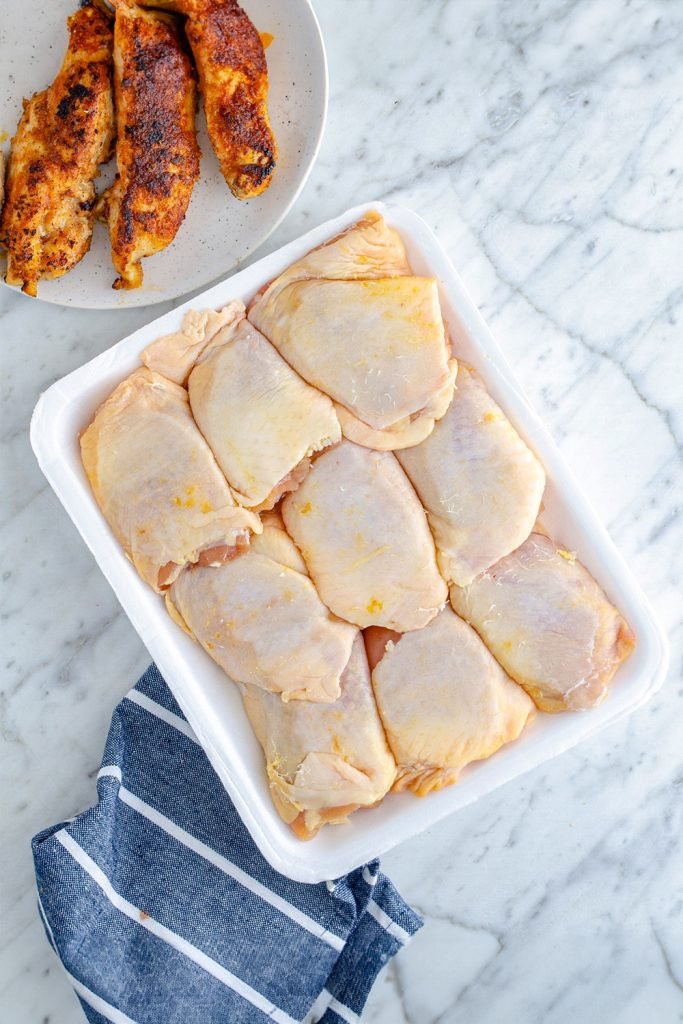
You’re 30 minutes from dinner time, you pull a pack of chicken breasts from the freezer, and it’s a solid, icy block. No one wants to wait 24 hours for fridge thawing, but unsafe quick fixes like leaving chicken on the counter or using hot water can lead to foodborne illness and ruined, watery texture.
The good news: you can unfreeze chicken quickly without sacrificing safety or quality, using methods aligned with current USDA food safety guidelines. This guide breaks down the fastest, most reliable thawing and cooking techniques, common mistakes to avoid, and pro tips to cut prep time even more, so you can get dinner on the table fast, no stress.

The Science of Safe Chicken Thawing
Thawing chicken properly is about more than just saving time — it’s critical for food safety and preserving the juicy, tender texture of your final meal. When chicken freezes, ice crystals form inside its muscle fibers. Slow, uneven thawing causes these crystals to melt gradually, forcing moisture out of the meat and leaving it tough and bland. Controlled, fast thawing preserves that moisture for better results.
The USDA defines the bacterial “danger zone” as temperatures between 40°F and 140°F (4°C to 60°C). When chicken thaws too slowly at room temperature, its outer layer sits in this danger zone for hours, allowing harmful bacteria like Salmonella and Campylobacter to multiply rapidly (USDA Food Safety Basics). Even thorough cooking may not destroy the heat-stable toxins some of these bacteria produce, leading to food poisoning. Proper thawing keeps chicken at a safe temperature the entire time, eliminates uneven cooking, and preserves the flavor and texture you expect from a home-cooked meal.
What Happens When Chicken Freezes and Thaws
When chicken is frozen, the water inside its cells expands to form sharp ice crystals. If freezing is slow (as in a standard home freezer with poor air circulation), these crystals grow larger and pierce cell walls, leading to moisture loss when the chicken thaws. Portioning chicken into small, uniform cuts before freezing reduces ice crystal size and preserves texture.
The Bacterial Danger Zone Explained
Bacteria multiply fastest between 40°F and 140°F (4°C to 60°C), doubling in number every 20 minutes in this range. A small amount of bacteria on chicken can grow to dangerous levels in just 2 hours at room temperature. Keeping chicken below 40°F during thawing stops this growth entirely.
How Improper Thawing Ruins Texture and Flavor
Thawing chicken in warm water, the microwave, or at room temperature causes the outer layer of the meat to cook or partially cook while the inside remains frozen. This leads to dry, rubbery edges and a raw, cold center, even after full cooking. Slow thawing also pushes natural juices out of the meat, resulting in bland, tough chicken.
Refrigerator Thawing (The Safest Baseline Method)
The USDA recommends refrigerator thawing as the gold standard for chicken, as it delivers the best texture and zero food safety risk, even if it’s not the fastest option. This method is ideal if you remember to plan ahead.
Step-by-Step Fridge Thawing Process
- Place frozen chicken in a leak-proof container or on a rimmed plate to catch any drips.
- Store it on the bottom shelf of your refrigerator, away from ready-to-eat foods like produce, leftovers, or deli meats, to avoid cross-contamination.
- Allow 24 hours of thawing time for every 3 to 4 pounds of chicken: a 1 lb pack of boneless breasts takes 6-8 hours, while a 4 lb whole chicken takes 24-26 hours.
Benefits of Fridge Thawing
The refrigerator stays at a consistent 40°F (4°C) or below, so the chicken never enters the bacterial danger zone. Thawed chicken stored in the fridge can be kept for 1-2 days before cooking, and you can safely refreeze it without cooking first, with minimal quality loss. If you have the time to plan ahead, this is the best method for optimal results.
Cold Water Thawing (The Fastest Safe Method for Most Cuts)
When you need chicken thawed in 1-3 hours, cold water thawing is the best balance of speed, safety, and texture preservation. It’s faster than fridge thawing and far safer than room temperature methods.
Step-by-Step Cold Water Thawing Process
- Place the frozen chicken in a heavy-duty, leak-proof plastic bag. Press out as much air as possible before sealing, to keep the bag fully submerged and prevent water from seeping in, which dilutes flavor and introduces bacteria.
- Fill a large bowl, clean sink, or pot with cold tap water (no warmer than 70°F / 21°C). Hot or warm water will cook the outer layer of the chicken while the inside stays frozen, creating a breeding ground for bacteria.
- Submerge the sealed bag completely under the water. If the bag floats, weigh it down with a clean plate or heavy mug to keep it fully submerged.
- Change the water every 20 to 30 minutes to keep the temperature consistently cold. If you’re in a real hurry, you can run a slow, steady trickle of cold water over the bag, which eliminates the need to change water and cuts thaw time by ~15%.
- Thawing times vary by cut: 1 lb of boneless, skinless chicken breasts takes 1 to 1.5 hours; 1 lb of bone-in thighs or drumsticks takes 1.5 to 2 hours; a 3 to 4 lb whole chicken takes 2 to 3 hours.
- Once the chicken is fully thawed (pliable, no icy spots in the thickest part), cook it immediately. Do not refreeze raw chicken thawed with this method unless you cook it fully first.
After handling raw chicken, always scrub all cutting boards, countertops, and utensils with a sturdy kitchen scrub brush and hot, soapy water to eliminate harmful bacteria and avoid cross-contamination.
Cold Water Thawing Safety Rules
Never use warm or hot water for thawing, as it will raise the surface temperature of the chicken into the danger zone in minutes. Always use a sealed, leak-proof bag to prevent water from touching the meat directly, which can introduce contaminants and wash away natural flavor. After thawing, cook the chicken right away to avoid bacterial growth.
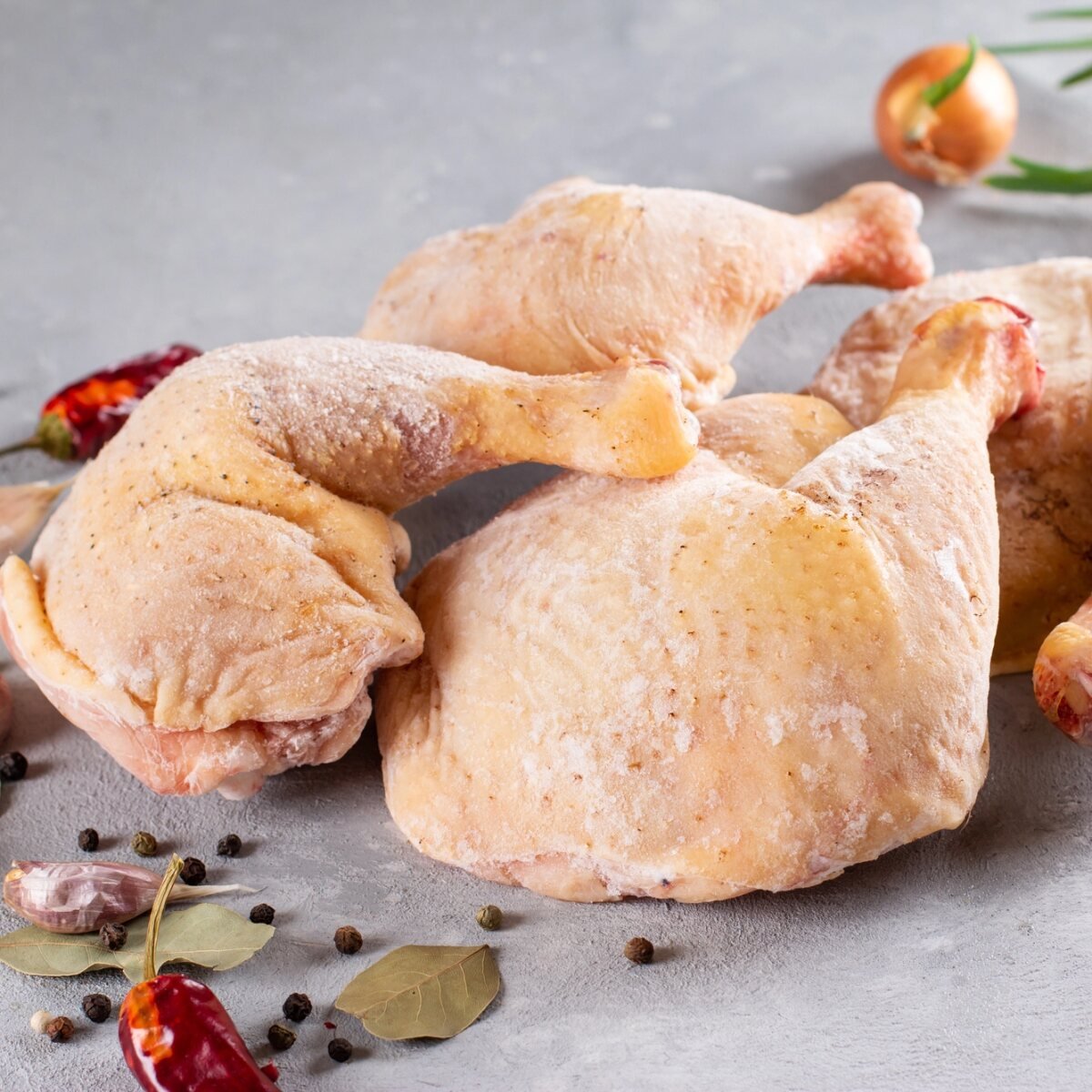 Cold water thawing keeps chicken out of the bacterial danger zone while cutting thaw time to 1-3 hours for most cuts.
Credit: instantpoteats.com
Cold water thawing keeps chicken out of the bacterial danger zone while cutting thaw time to 1-3 hours for most cuts.
Credit: instantpoteats.com
Microwave Defrosting (Best for Last-Minute Meals)
Microwave defrosting is the fastest thawing method, taking just 8-12 minutes for 1 lb of chicken, making it perfect for last-minute meals when you have almost no prep time. The tradeoff is a higher risk of partial cooking, so this method only works if you plan to cook the chicken immediately after thawing.
How to Use Your Microwave’s Defrost Setting
- Remove all packaging and wrap from the chicken, and place it on a microwave-safe plate. Cover with a paper towel to catch any splatters.
- Select the “defrost” setting on your microwave, and input the weight of your chicken (most microwaves have presets for poultry, ranging from 0.5 to 2 lbs). If your microwave doesn’t have a weight setting, set it to 30% power (defrost mode).
- Defrost in 1 to 2 minute bursts, turning the chicken over and separating any pieces that are stuck together halfway through the cycle.
Avoiding Partial Cooking During Microwave Thawing
Microwave radiation heats water molecules unevenly, which can cause the edges of the chicken to start cooking while the center remains frozen. Check the chicken after each burst: if parts of the meat feel warm or start to turn opaque, move them to the edges of the plate and reduce the defrost time for the next burst. Stop the cycle as soon as the chicken is pliable and has no icy spots in the thickest part, then cook it immediately. Never store microwave-thawed chicken in the fridge or refreeze it, as partial cooking creates warm spots where bacteria can grow.
A common mistake is using the “reheat” or high-power setting, which cooks the outer edges of the chicken before the inside is thawed, leading to rubbery texture and food safety risks. Lower wattage microwaves may need longer bursts, while high-wattage models require shorter, more frequent checks to avoid overcooking.
Cooking Frozen Chicken Without Thawing
If you forgot to thaw chicken ahead of time, you can cook it directly from frozen — no thawing required. This method is completely safe per USDA guidelines, as long as you adjust cook times and follow key safety rules.
When Cooking From Frozen Is Safe
All cuts of raw chicken can be cooked from frozen, except for whole stuffed chickens, as the stuffing may not reach a safe internal temperature while the outside of the bird cooks. Following these cooking guidelines is a simple part of broader kitchen safety practices for kids that reduce household food safety risks.
Adjusting Cook Times for Frozen Cuts
Frozen chicken takes approximately 50% longer to cook than thawed chicken. For reference:
- Thawed boneless chicken breasts: 25 minutes at 375°F (190°C) → frozen: 35-40 minutes
- Thawed bone-in thighs: 35 minutes at 375°F (190°C) → frozen: 50-55 minutes
- Frozen whole chicken: add 20-30 minutes to standard roasting time, and use a wire rack to allow air circulation.
Best Cooking Methods for Frozen Chicken
- Oven roasting: Place frozen chicken on a wire rack set over a rimmed baking sheet to allow hot air to circulate around the entire cut, preventing sogginess.
- Stovetop: Add a small amount of water or broth to the pan, cover it to trap steam, which helps thaw the inside of the chicken while the outside sears.
- Grill: Sear the frozen chicken over high heat for 2-3 minutes per side to lock in moisture, then move it to a cooler part of the grill to cook through slowly.
- Slow cookers: The USDA explicitly advises against cooking frozen chicken in slow cookers, as the low, steady heat keeps the chicken in the danger zone for 2+ hours, allowing bacteria to multiply to unsafe levels.
No matter your cooking method, always use a meat thermometer to confirm the chicken’s internal temperature reaches 165°F (74°C) for at least 30 seconds, the standard set by the USDA for safe poultry. Do not rely on color or texture alone to judge doneness, as pink juices or firm texture can persist even when the chicken is undercooked.
Unsafe Thawing Methods to Avoid
When you’re short on time, it can be tempting to cut corners, but these common thawing shortcuts pose serious food safety risks and ruin the quality of your chicken.
Why Room Temperature Thawing Is a Major Health Risk
Leaving chicken on the counter, in a warm car, or on a sunny windowsill to thaw is one of the most dangerous mistakes you can make. The outer layer of the chicken will reach room temperature (70°F / 21°C) in 1-2 hours, while the inside remains frozen, putting the outer layer in the bacterial danger zone for hours. Even thorough cooking won’t destroy the heat-stable toxins some bacteria produce, leading to food poisoning symptoms like nausea, vomiting, and diarrhea.
Other Dangerous Thawing Shortcuts to Avoid
- Hot or warm water thawing: Using water warmer than 70°F (21°C) cooks the outer layer of the chicken while the inside stays frozen, creating uneven texture and a breeding ground for bacteria.
- Dishwasher thawing: Hot water and detergent residue contaminate the chicken, and the heat partially cooks the meat, ruining both safety and flavor.
- Space heater or hair dryer thawing: These produce uneven, high heat that partially cooks the chicken and leaves cold spots where bacteria can thrive.
- Thawing in unregulated spaces: Garages, basements, or porches often stay above 40°F (4°C) for extended periods, putting the chicken in the danger zone.
Storing raw chicken on the bottom shelf of the fridge, alongside child-proof cabinet locks to keep curious children away from raw meat, adds an extra layer of protection against accidental exposure.
Pro Tips to Cut Thawing Time Even More
These simple, actionable tips will help you thaw chicken even faster without sacrificing safety or quality.
Portion Chicken Before Freezing
Instead of freezing large family packs, divide chicken into single-serve portions (1 lb or less) before freezing. Smaller portions thaw 2-3x faster than large blocks, so you only thaw what you need for a single meal, reducing waste and prep time.
Use Metal to Speed Up Thawing
Place the sealed bag of chicken on a heavy aluminum baking sheet or cast iron pan. Metal conducts cold away from the chicken far faster than plastic or wood, cutting thaw time by up to 20%. This is especially useful for larger cuts like whole chickens.
Combine Fridge and Cold Water Thawing
If you have 30 minutes to spare before you need to cook, move the frozen chicken from the freezer to the fridge first, then transfer it to cold water for the final 20-30 minutes. This combines the safety of fridge thawing with the speed of cold water, and eliminates the risk of bacterial growth.
Pairing pre-portioned chicken with a professional kitchen cleaning brush keeps your workspace sanitized between prep steps, reducing the risk of cross-contamination.
 Cutting chicken into small, uniform portions before freezing cuts thawing time by up to 50%.
Credit: sweetpeaskitchen.com
Cutting chicken into small, uniform portions before freezing cuts thawing time by up to 50%.
Credit: sweetpeaskitchen.com
Frequently Asked Questions
How long does it take to quickly unfreeze chicken?
The fastest safe method, cold water thawing, takes 1 to 3 hours for most cuts, depending on size. Boneless skinless breasts (1 lb) take 1-1.5 hours, bone-in pieces take 1.5-2 hours, and whole chickens take 2-3 hours. Microwave thawing is even faster, taking 8-12 minutes for 1 lb of chicken, but requires immediate cooking after thawing. Never thaw chicken at room temperature, as this can take 6-8 hours and poses a serious food safety risk.
Is thawing chicken in cold water safe?
Yes, cold water thawing is 100% safe if done correctly. The key is to keep the chicken in a sealed, leak-proof bag to prevent water contamination, use only cold tap water (70°F / 21°C or cooler), and change the water every 20-30 minutes to maintain a safe temperature. The chicken will stay below 40°F (4°C) the entire time if you follow these steps, eliminating bacterial growth risk. Always cook the chicken immediately after thawing, and do not refreeze raw chicken thawed with this method.
Can I cook chicken without thawing it first?
Yes, cooking frozen chicken is completely safe per USDA guidelines, as long as you adjust cooking times and use a meat thermometer to confirm the internal temperature reaches 165°F (74°C). Frozen chicken takes approximately 50% longer to cook than thawed chicken, so adjust your recipe accordingly. Avoid cooking frozen chicken in slow cookers, as the low heat keeps the meat in the bacterial danger zone for too long.
What’s the fastest way to unfreeze chicken?
The fastest safe method is microwave defrosting, which takes 8-12 minutes for 1 lb of chicken. However, this method often causes partial cooking, so you must cook the chicken immediately after thawing. If you have 1-3 hours to spare, cold water thawing is the best balance of speed, safety, and texture preservation, with no risk of partial cooking.
Final Tips for Safe, Fast Chicken Prep
Thawing chicken quickly doesn’t have to mean cutting corners on safety. By using cold water thawing for most time-sensitive meals, the microwave for last-minute prep, or cooking from frozen when you’re really in a pinch, you can get safe, juicy, flavorful chicken on the table in no time.
The most important rule to remember: never let chicken sit at room temperature for more than 2 hours, and always confirm doneness with a meat thermometer to keep your family safe. For more easy kitchen hacks to streamline your meal prep, check out our guide to essential kitchen cleaning tools to keep your workspace sanitized between tasks.
After cooking, use a dish scrub brush with soap dispenser to quickly cut through greasy pan residue and sanitize utensils in seconds.

I’m Abby Lu, a passionate home cook who loves simplifying everyday meals. At PlugChef.com, I share product reviews and cooking guides to help you find the best tools for your kitchen.
Related posts:
 Seville Expandable Cabinet And Pantry Organizer: Space Savior
 Glideware Pull Out Cabinet Organizer for Pots & Pans: Space Saver
 Small 3-Tier Shelf Organizer: Maximize Space Effortlessly
 Trader Joe’S Spicy Lentil Wrap: Delicious, Healthy, and Quick Meal!
 Easy Way to Peel Pumpkin: Quick Tips for Effortless Prep
 How Long Do Grapes Last: Ultimate Freshness Guide Revealed

