
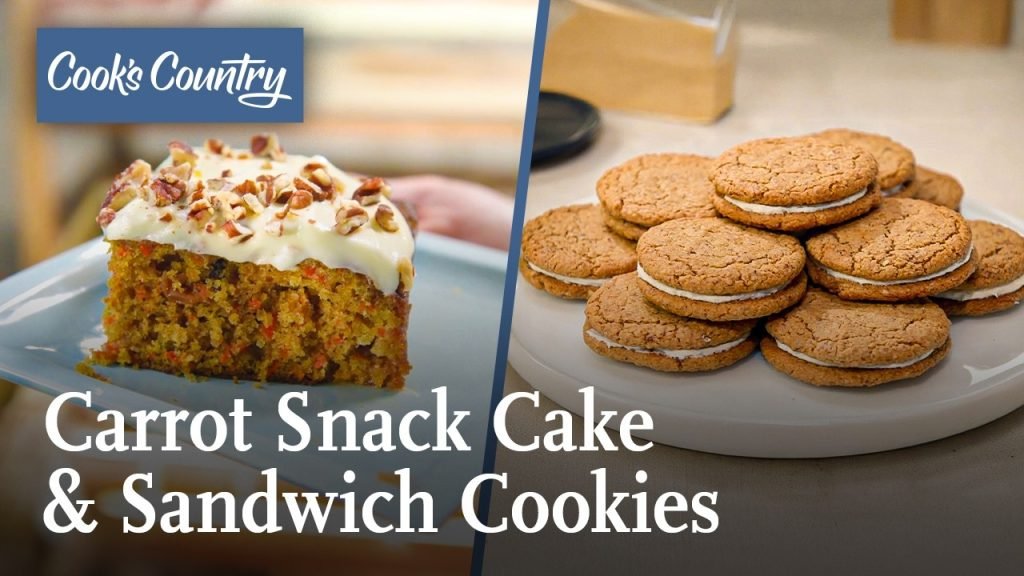
If you’ve ever bitten into a dry, crumbly carrot cake with bland, overseasoned frosting, you’re not alone. The Cook’s Country Carrot Cake Recipe, developed and exhaustively tested by the America’s Test Kitchen team, solves every common carrot cake pitfall to deliver a tender, flavor-packed dessert with a perfectly tangy cream cheese frosting. This reliable two-layer 9-inch cake yields 12 generous servings, and comes together in roughly 2.5 hours total (including prep, baking, cooling, and frosting). Unlike finicky vintage recipes, it uses straightforward techniques and widely available ingredients, making it accessible for beginner bakers and a go-to for potlucks, holiday gatherings, or weeknight treats. We’ll walk you through every step, plus pro tips to guarantee moist, flavorful results every time.
 A finished two-layer Cook's Country carrot cake, topped with toasted walnuts and a thick layer of tangy cream cheese frosting.
Credit: sallysbakingaddiction.com
A finished two-layer Cook's Country carrot cake, topped with toasted walnuts and a thick layer of tangy cream cheese frosting.
Credit: sallysbakingaddiction.com
Why This Cook's Country Recipe Consistently Wins Reviews
Cook’s Country, the sister publication of America’s Test Kitchen, is known for testing dozens of recipe variations before finalizing a version for publication. For this carrot cake, the team tested more than 40 iterations to eliminate common flaws: dry, dense crumb, watery batter, underdeveloped spice flavor, and overly sweet frosting that overpowers the natural sweetness of carrots. The final recipe uses a precise ratio of oil to flour to lock in moisture, a calibrated spice blend that complements rather than masks carrot flavor, and a frosting with the ideal balance of tangy cream cheese and sweet powdered sugar. It’s been a top-rated recipe on the Cook’s Country site for over a decade, with home bakers consistently praising its no-fail results.
Exact Ingredient Breakdown (No Substitutions Until You Master the Original)
The magic of this recipe lies in using the right ingredients, prepared correctly. Below is a full breakdown of each component, plus context for why each choice matters for texture and flavor.
Fresh Carrots & Produce
You’ll need 2 medium (7–8 ounce) carrots, peeled and finely grated on the large holes of a standard box grater. Avoid pre-shredded carrots at all costs: most are treated with calcium chloride to preserve crispness for shelf life, which leeches moisture from your batter and leads to a dense, dry cake. Pre-shredded carrots are also often cut too thick, leading to uneven distribution and a gritty texture. Do not squeeze the grated carrots to remove excess liquid—this natural juice is the primary source of moisture in the cake. If your carrots are extremely wet after grating, pat them gently with a paper towel to remove excess pooling liquid, but leave the rest intact.
Dry Ingredients
For the cake base, you’ll need:
- 2 cups all-purpose flour (spooned and leveled, not scooped, to avoid adding excess flour that creates a dense crumb)
- 1 tsp baking soda
- ½ tsp baking powder
- 1 tsp kosher salt
- Spice blend: 1.5 tsp ground cinnamon, ¼ tsp freshly grated nutmeg, ¼ tsp ground ginger, pinch of ground cloves
Whisk all dry ingredients together thoroughly, or sift if you prefer, to eliminate lumps and ensure even distribution of leavening and spices. Skipping this step can lead to uneven rising and bitter pockets of concentrated spice.
Wet Ingredients & Cream Cheese Frosting
For the cake batter:
- 3 large eggs, at room temperature (for even mixing and a smooth crumb)
- 1 cup neutral oil (canola, sunflower, or vegetable; avoid olive or coconut oil, which have strong flavors that overpower the spice blend)
- 1 cup granulated sugar
- 1 tsp pure vanilla extract
For the frosting:
- 8 oz full-fat cream cheese, softened to 68–70°F (20–21°C; never melted, as this creates a runny, greasy frosting)
- ½ cup unsalted butter, softened to the same temperature as the cream cheese
- 3 cups powdered sugar, sifted to remove lumps
- 1 tsp pure vanilla extract
- Pinch of kosher salt (to balance sweetness and enhance the tangy cream cheese flavor)
Always use full-fat cream cheese for frosting: low-fat varieties contain 20% more water, which prevents the frosting from holding its shape and gives it a gummy texture. After grating your carrots, use a small easy grater cleanup tool to scrub the grater crevices clean of carrot residue before moving on to other prep steps.
 Thick, fluffy cream cheese frosting spread evenly between cooled carrot cake layers for a perfect, even top coat.
Credit: annikaeats.com
Thick, fluffy cream cheese frosting spread evenly between cooled carrot cake layers for a perfect, even top coat.
Credit: annikaeats.com
Step-by-Step Baking Process (No Guesswork, Exact Times & Temps)
Follow these precise steps to guarantee a moist, evenly baked cake every time. All timings are calibrated for a standard home oven set to 350°F (177°C).
Prep & Batter Assembly
- Preheat your oven to 350°F (177°C) and position an oven rack in the center of the oven. Grease two 9-inch round cake pans with nonstick spray or butter, then line the bottoms with parchment paper and grease the parchment for easy release.
- In a large mixing bowl, whisk together all sifted dry ingredients until fully combined and no lumps remain.
- In a separate large bowl, beat the eggs and granulated sugar on medium speed for 2 full minutes, until the mixture is pale yellow and slightly thickened. Add the oil and vanilla, and whisk for 1 additional minute until the mixture is fully emulsified (no separated oil pooling on top).
- Add the dry ingredients to the wet mixture in three additions, folding gently with a rubber spatula after each addition. Mix only until no streaks of flour remain—overmixing will develop gluten in the flour, leading to a tough, dense crumb.
- Fold in the grated carrots (and optional ½ cup toasted chopped walnuts or pecans, if using) until evenly distributed. Do not overmix at this stage.
Baking & Cooling for Perfect Texture
- Divide the batter evenly between the two prepared pans. For the most even layers, use a kitchen scale to portion exactly 600g of batter into each pan.
- Bake for 28–32 minutes, rotating the pans 180 degrees halfway through the bake time to ensure even browning. The cake is done when a toothpick inserted 1 inch from the center comes out with 2–3 moist crumbs (no wet, unbaked batter). Cakes continue to cook from residual heat for 5–7 minutes after being removed from the oven, so pulling them early is better than overbaking.
- Let the cakes cool in the pans on a wire rack for 10 full minutes, then invert them onto the rack, peel off the parchment paper, and let them cool completely (at least 1 hour, up to 2 hours) before frosting. For food-safe handling of perishable frosting ingredients, follow USDA baked goods safety guidance when cooling and storing your cake. Even slightly warm cake will melt cream cheese frosting, creating a messy, uneven coating.
Frosting & Assembly
- In a large mixing bowl, beat the softened cream cheese and butter on medium speed for 2 full minutes, until completely smooth and free of lumps.
- Add the sifted powdered sugar 1 cup at a time, mixing on low speed until fully incorporated after each addition. Add the vanilla and salt, then beat on medium speed for 1 additional minute until the frosting is light and fluffy.
- Place the first cooled cake layer on a serving plate, and spread ⅓ of the frosting evenly over the top, leaving a ½-inch border around the edge. Add the second cake layer, then spread the remaining frosting over the top and sides of the cake. Use a bench scraper for smooth, even sides if desired.
- Top with optional garnishes: toasted nuts, shredded coconut, or fresh carrot curls made with a vegetable peeler.
Pro Tips for Guaranteed Moisture (The #1 Complaint About Homemade Carrot Cake)
Even small tweaks to the core recipe can make the difference between a dry, forgettable cake and a moist, flavor-packed dessert. These tips are pulled directly from Cook’s Country’s testing notes:
Skip the Butter for the Cake Batter
Butter is solid at room temperature, which creates a denser crumb that stales faster than oil-based cakes. Neutral oil stays liquid at room temperature, locking in moisture for up to 5 days when stored properly in the fridge. If you love the rich flavor of butter, you can replace ¼ cup of the neutral oil with melted unsalted butter, but a 100% oil base will yield the moistest, longest-lasting crumb.
Bloom Your Spices for Deeper Flavor
To amplify the warm, comforting spice flavor without adding extra seasoning, toast the cinnamon, nutmeg, ginger, and cloves in a dry small pan over low heat for 30 seconds, stirring constantly, before adding them to your dry ingredients. This wakes up the essential oils in the spices, creating a richer, more complex flavor that doesn’t overpower the carrots.
Avoid Overbaking at All Costs
Overbaking is the most common cause of dry carrot cake. As noted earlier, the cake continues to cook for 5–7 minutes after removal from the oven, so set your timer for 28 minutes and check for doneness then. If the toothpick has a few moist crumbs, pull the cake immediately—carryover cooking will finish the rest. If your oven runs hot, lower the temperature by 10°F and add 2–3 minutes to the bake time.
Store Properly to Lock in Moisture
Once frosted, wrap the cake tightly in plastic wrap, then store it in an airtight container in the refrigerator. This prevents the cake from absorbing fridge odors and keeps the frosting fresh. Let the cake sit at room temperature for 20 minutes before serving to soften the crumb and frosting for the best texture. If you don’t have wire racks for cooling, a quick simple rack cleanup hack will help you remove crumbs from your cooling racks after use.
Common Mistakes to Avoid (Even Experienced Bakers Make These)
These are the most frequent errors that lead to subpar carrot cake, per home baker feedback on the Cook’s Country recipe:
Squeezing the Grated Carrots
It’s tempting to wring excess liquid out of grated carrots to avoid a watery batter, but this removes the natural moisture that makes the cake tender. Pat carrots dry with a paper towel only if they have pooling liquid after grating, but never squeeze them to remove all moisture.
Using Melted Cream Cheese for Frosting
Melted cream cheese will create a runny, greasy frosting that slides off the cake and never sets. Always soften cream cheese to 68–70°F (20–21°C) by leaving it out on the counter for 1 hour before baking. If you’re short on time, microwave it in 10-second bursts, stirring between each, but stop before it’s fully liquid.
Frosting a Warm Cake
Even a slightly warm cake layer will melt cream cheese frosting, leading to a messy, uneven coating and a runny frosting that never sets. Always let cake layers cool completely (at least 1 hour) before frosting. If you’re short on time, you can place the cooled layers in the fridge for 20 minutes to speed up the cooling process. If you’re baking with children, use lower cabinet safety locks on lower cabinets to keep baking ingredients out of reach of little hands.
Customization Options (Without Ruining the Moist Texture)
Once you’ve mastered the original recipe, these tested swaps let you tailor the cake to your taste preferences without sacrificing texture:
Gluten-Free Modification
Swap the all-purpose flour for a 1:1 gluten-free all-purpose flour blend that includes xanthan gum (no additional gum is needed). The oil and carrot moisture will keep the crumb tender, with no dense, gummy texture. Avoid almond flour for this recipe, as its high fat content can make the cake greasy and heavy.
Vegan Modification
Replace the 3 eggs with 3 flax eggs (mix 1 tbsp ground flaxseed with 3 tbsp water per egg, let sit for 5 minutes to gel). Use full-fat vegan cream cheese and vegan butter for the frosting, and swap granulated sugar for organic sugar if you avoid refined sugars processed with bone char. The oil base makes this swap extremely forgiving, with no loss of moisture.
Safe Add-Ins
You can add up to ½ cup of the following without altering the cake’s consistency:
- Toasted chopped nuts (walnuts, pecans, or hazelnuts)
- Golden raisins, soaked in warm water for 10 minutes to plump before adding (prevents them from drawing moisture from the cake)
- Well-drained crushed pineapple (pat dry with paper towels to remove all excess liquid, to avoid sogginess)
For a simple post-dinner spread, pair slices of carrot cake with a easy cheese prep board for a balanced sweet and savory treat.
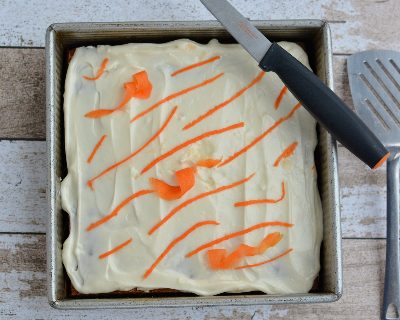 A single slice of 8×8 pan carrot cake, showing the moist, tender crumb and thick cream cheese frosting.
Credit: www.kitchenparade.com
A single slice of 8×8 pan carrot cake, showing the moist, tender crumb and thick cream cheese frosting.
Credit: www.kitchenparade.com
Storage, Serving & Reheating Guide
Proper storage keeps your cake fresh and flavorful for days:
Room Temperature Storage
Frosted cake will stay fresh for up to 2 days when stored covered at room temperature (below 70°F / 21°C), away from direct sunlight. Unfrosted cake layers will stay fresh for up to 3 days at room temperature, wrapped tightly in plastic wrap.
Refrigerator Storage
For storage longer than 2 days, keep the cake in the refrigerator, wrapped tightly in plastic wrap and stored in an airtight container to prevent it from absorbing odors from other foods. It will stay fresh for up to 5 days total. If you’re storing leftover cake on a lower fridge shelf, use no-drill childproof locks to keep young children from accessing sugary treats unsupervised.
Freezing for Later
Unfrosted cake layers can be wrapped tightly in plastic wrap and aluminum foil and frozen for up to 3 months. Frosted cake can be frozen for up to 2 months, wrapped in the same way. Thaw frozen cake overnight in the refrigerator, then let it sit at room temperature for 20 minutes before serving. To reheat individual slices, microwave for 10–15 seconds to soften the crumb—avoid overheating, as this will melt the frosting.
Frequently Asked Questions
Can I use pre-shredded carrots for this recipe?
No, per Cook’s Country’s testing, pre-shredded carrots are treated with calcium chloride to preserve crispness, which leeches moisture from the batter and leads to a dense, dry cake. Always grate fresh carrots for the best texture and flavor.
Why is my cream cheese frosting runny?
The most common cause is cream cheese that is too warm or melted. Always use full-fat cream cheese softened to 68–70°F, and avoid overbeating once the powdered sugar is added, as this can make the frosting greasy. If your frosting is runny, pop it in the refrigerator for 15 minutes to firm up before using.
Can I make this recipe in a 9×13 inch pan instead of round layers?
Yes! Grease a 9×13 inch pan, line the bottom with parchment paper, and bake for 35–40 minutes, until a toothpick inserted into the center comes out with moist crumbs. This yields a sheet cake perfect for feeding a crowd, and you can frost it directly in the pan for a rustic, low-fuss presentation.
Can I add crushed pineapple to this recipe?
Yes, but you must drain it extremely well and pat it completely dry with paper towels to remove all excess liquid. Too much moisture will make the cake gummy and cause it to fall apart when slicing. Use no more than ½ cup of well-drained crushed pineapple to avoid altering the batter’s consistency.
Final Thoughts
The Cook’s Country Carrot Cake Recipe earns its reputation as a no-fail, crowd-pleasing dessert for good reason: its precise testing, clear instructions, and focus on moisture eliminate the guesswork that makes many homemade carrot cakes fall flat. Whether you’re a first-time baker or a seasoned pro, this recipe delivers consistent, delicious results every time. It’s perfect for holidays, potlucks, birthday celebrations, or even a simple weeknight treat served with a cup of coffee. If you loved this recipe, check out our guide to tidy baking space hacks to keep your kitchen organized for future baking projects.

I’m Abby Lu, a passionate home cook who loves simplifying everyday meals. At PlugChef.com, I share product reviews and cooking guides to help you find the best tools for your kitchen.
Related posts:
 How to Make a Fruit Basket for a Gift: Easy DIY Guide
 Do You Need a Basket? Essential Guide for Air Fryers
 What Blenders Do Tropical Smoothie Use: Expert Insights
Stainless Steel Vs White Kitchen Appliances: Ultimate Showdown
What Blenders Do Tropical Smoothie Use: Expert Insights
Stainless Steel Vs White Kitchen Appliances: Ultimate Showdown
 Kitchen Appliances for Wedding Registry: Must-Have Essentials
 Top 10 Best Non-Toxic Cooking Utensils – Safe & Durable Choices for Healthy Homes

