
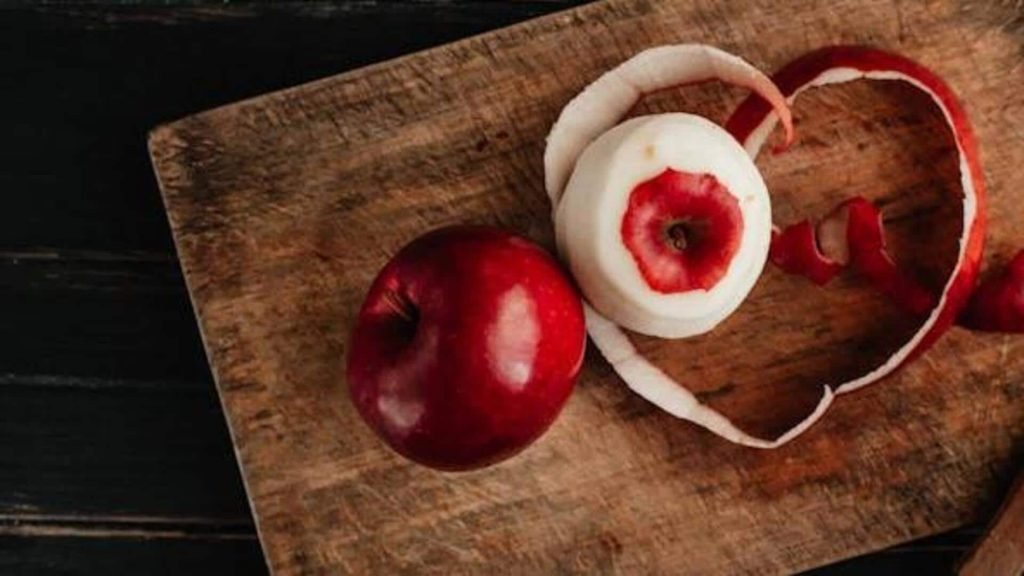
Apple peels are often tossed, but they're a tiny resource with big potential. They’re nutritious, fragrant, and versatile — usable in the kitchen, garden, home-care, and crafts. This guide gives practical, tested ways to transform apple peels into snacks, pantry staples, cleaning products, garden inputs, and simple DIY beauty items. Each section includes clear steps, safety tips, and common pitfalls so you can start reducing waste and saving money today.
Why Save Apple Peels? Benefits at a Glance
- Nutrient-rich: Peels contain fiber, vitamins, and antioxidants concentrated near the skin. Using them adds nutrients without buying extra ingredients.
- Waste reduction: Keeping peels out of the trash lowers household food waste and its environmental impact.
- Low-cost substitutes: Apple peels can replace or supplement commercial products (tea, vinegar, cleaners, dyes).
- Multi-use: One batch of peels can serve several purposes (eat some, dehydrate some, compost the rest).
In practice, saving peels is low-effort and high-return. A common mistake is letting peels sit wet on the counter and mold — dry, freeze, or refrigerate promptly.
Safety First: Washing, Wax, and Storage
- Wash every apple under running water; use a soft brush for textured skins. For authoritative produce-safety guidance, consult USDA recommendations at USDA.
- If apples are wax-coated, remove as much wax as possible by scrubbing with a brush and warm water. Organic apples reduce pesticide concerns but still wash them.
- Inspect peels and discard any with deep bruises, mold, or persistent brown spots.
- Short-term: store fresh peels in an airtight container in the fridge for up to 3 days.
- Long-term: freeze peels flat on a tray, then transfer to a sealed bag for up to 6–12 months; or dry them for shelf-stable use.
Common mistake: storing wet peels in sealed containers — this causes spoilage. Pat dry before sealing.
Prep Methods: Drying, Freezing, and Powdering
- Oven drying (fast):
- Preheat to 170–200°F (75–95°C).
- Spread peels in a single layer on a sheet; bake 1–2 hours until crisp, stirring every 20–30 minutes.
- Dehydrator (hands-off):
- Set to 125–135°F (50–57°C) and dry 6–12 hours until brittle.
- Air drying:
- Lay peels on a rack in a warm, dry place; expect several days.
- Freezing:
- Flash-freeze on a tray, then bag; ideal for later simmering or smoothies.
- Apple peel powder:
- Grind fully dried peels in a spice mill or blender to a powder; store in airtight jar away from light.
Tip: label containers with date. Proper drying reduces mold risk and concentrates flavor.
Culinary Uses — Recipes and Ratios
Below are practical, testable recipes using common kitchen measurements.
Apple Peel Chips
- Ingredients: peels from 4 apples, 1 tsp cinnamon, 1 tsp sugar or maple syrup (optional).
- Method: Toss peels with cinnamon and sugar, spread on a sheet, bake at 200°F (95°C) for 1–1.5 hours until crisp.
- Use: snack, salad topper, or cereal mix-in.
Apple Peel Tea / Infusion
- Ingredients: peels from 2–3 apples, 1 cinnamon stick, 3 cups water.
- Method: Simmer peels and cinnamon 10–15 minutes, steep 5 minutes off heat, strain. Sweeten if desired.
- Notes: dried peels give a milder flavor; re-steep once.
Quick Apple Peel Syrup
- Ingredients: peels from 6 apples, 1½ cups sugar, 1½ cups water, juice of ½ lemon.
- Method: Simmer peels with sugar and water until reduced by half (20–30 min). Strain and add lemon. Store refrigerated up to 2 weeks.
- Uses: pancakes, cocktails, glazes.
Apple Peel Jam (small-batch)
- Ingredients: peels from 6–8 apples, 1 cup water, 1 cup sugar, 1 tbsp lemon juice, 1 apple (peeled & chopped) for pectin.
- Method: Simmer all ingredients until soft (20–30 min). Mash or blend to texture, cook to desired thickness, jar while hot. Refrigerate; for longer storage, follow standard canning protocols.
- Safety note: If canning for shelf-stable storage, use tested canning methods to ensure safe acidity and preservation.
In practice, peels work best combined with some flesh or added pectin for jams because they contribute flavor and color rather than bulk.
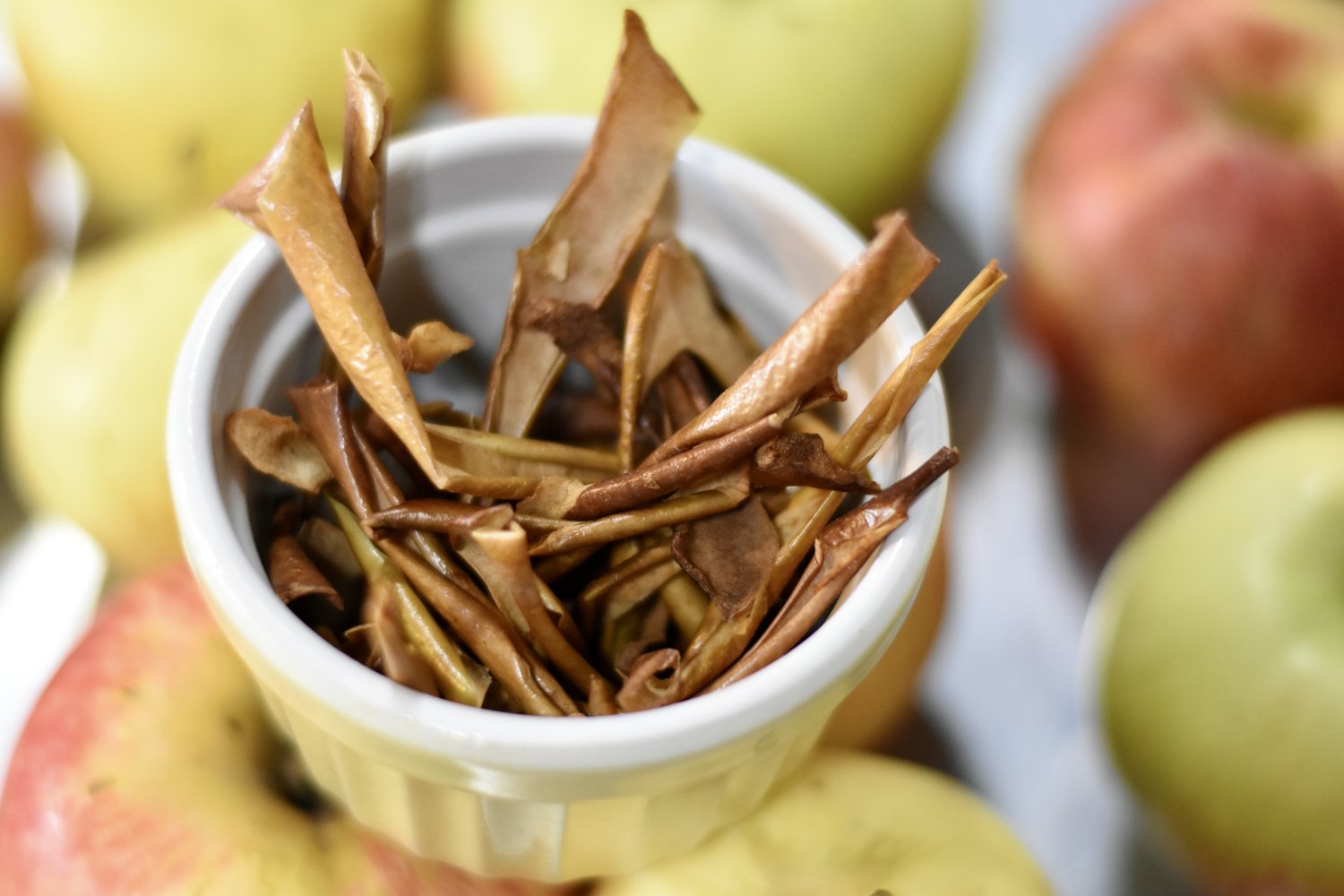
Dried apple peels ready for powdering or snacks
Credit: www.hollyhillandco.com
DIY Household and Beauty Uses
These are low-cost, mostly single-ingredient projects with clear steps and expected timelines.
Apple Peel Vinegar (raw apple cider vinegar style)
- Jar method:
- Fill a clean jar ~¾ with apple peels and trimmings.
- Dissolve 1 tbsp sugar per cup of water; pour over peels to cover.
- Cover with breathable cloth and secure; leave at room temperature out of direct sun.
- Stir every few days; after 3–4 weeks, strain solids and return liquid to jar to ferment another 3–4 weeks until tangy.
- Uses: culinary vinegar, diluted cleaner (1:1 with water for light cleaning).
- Note: this is a fermentation; expect surface “mother” formation. If off smells or mold appears, discard.
Natural Cleaner Infusion
- Simmer peels in equal parts water and white vinegar for 15–20 minutes. Cool, strain, dilute 1:1 with water, and use as an all-purpose cleaner.
- Practical tip: do a spot test on sensitive surfaces before wide use.
Facial Exfoliant (gentle)
- Grind dried peels to coarse powder (1 tbsp), mix with 1 tsp honey and 1 tsp plain yogurt.
- Apply gently in circular motions for 30–60 seconds; rinse. Use weekly.
- Caution: don’t use if you have citrus/apple sensitivities; patch-test first.
Common trade-off: DIY cleaners smell milder than commercial products and have lower detergent power; they’re better for light cleaning and fragrance.
Composting, Gardening, and Plant Uses
Apple peels are compost-friendly but need simple handling to avoid pests.
- Backyard composting: chop peels into small pieces and mix into the bin to speed breakdown. Balance with carbon (dry leaves, cardboard) to avoid sliminess.
- Burying in garden beds: dig 6–8 inches and cover peels with soil to deter pests.
- Apple peel “tea” for plants:
- Soak 1 cup fresh peels in 1 quart water for 48–72 hours.
- Strain and dilute 1:4 with water before applying to soil as a mild nutrient boost.
- Pest note: avoid leaving fresh peels exposed on the soil surface; they attract rodents and fruit flies. For home composting guidance, see EPA composting principles at EPA.
In practice, composted peels contribute minor nitrogen and organic matter; they’re helpful as part of a broader compost recipe rather than a sole amendment.
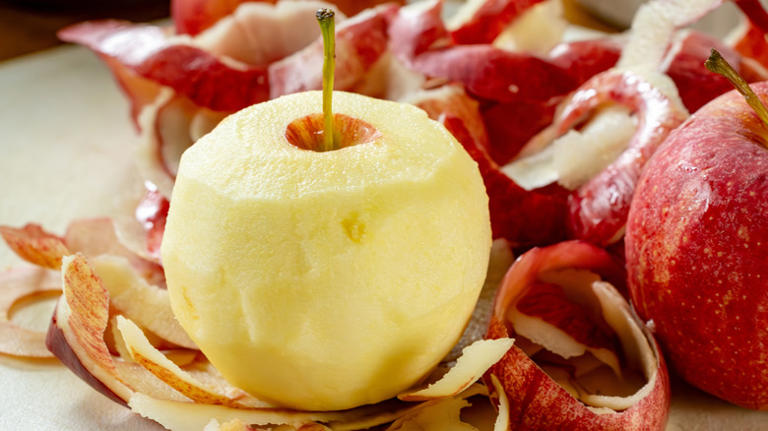
Apple peels can be composted or buried for soil benefit
Credit: www.msn.com
Crafts and Natural Dyeing
Apple peels are useful for small crafts and gentle natural dyes.
- Pressed peel art: dry peels in a press or a heavy book, then glue onto paper for textured cards or bookmarks.
- Natural dye bath:
- Simmer peels in double the water volume at a gentle simmer for 30 minutes.
- Strain; use as dye on natural fibers (cotton, silk) after mordanting with alum per standard natural-dye instructions.
- Color results vary by apple variety and mordant used; test a small swatch first.
Creative tip: combine peels with onion skins or turmeric for layered natural colors.

Apple peels used for crafts and natural dye experiments
Credit: food52.com
Troubleshooting & Common Mistakes
- Moldy peels: discard. Don’t try to save moldy material even if most looks fine.
- Sticky/waxy residue after washing: scrub with warm water and a brush; if not removed, avoid using those peels for skin products.
- Fermentation gone wrong: bad smell or colored mold growth = toss batch and sanitize jars.
- Over-sweet jams/syrups: reduce sugar gradually and test flavor; peels add tannins that can affect bitterness.
In practice, small batches are safer when trying a new recipe — you limit waste if something fails.
Frequently Asked Questions
Q: Can I eat apple peels raw?
A: Yes, once washed and free of wax or significant bruising. Peels provide fiber and antioxidants.
Q: Do apple peels contain pesticides?
A: Residues can be higher near the skin. Washing reduces residues; buying organic reduces them further. Scrubbing is recommended.
Q: How long do dried apple peels last?
A: Stored airtight in a cool, dark place, dried peels can last 6–12 months. Check for off-odors or moisture before use.
Q: Is apple peel vinegar safe?
A: When fermented properly, yes. Use clean equipment, watch for mold, and discard batches with off smells or visible contamination.
Quick Start Checklist (do this today)
- Save peels from 3–6 apples in a zip-top bag and freeze flat.
- Try a small batch of apple peel tea tonight (see recipe).
- Start one jar of vinegar using the jar method above.
Call to action: Start saving your peels this week — freeze a bag now and try the tea recipe tonight for immediate waste reduction and savings.
Conclusion
Apple peels are an easy, low-cost way to reduce waste and stretch your food budget. From chips and tea to vinegar, DIY cleaners, compost, and crafts, small changes turn kitchen scraps into useful goods. Use the prep and safety steps above, experiment in small batches, and incorporate the techniques that fit your lifestyle. Little actions add up: saving a peel or two each day means less trash, more benefits, and a more resourceful kitchen.

I’m Abby Lu, a passionate home cook who loves simplifying everyday meals. At PlugChef.com, I share product reviews and cooking guides to help you find the best tools for your kitchen.
Related posts:
 How to Make a Fruit Basket for a Gift: Easy DIY Guide
 Do You Need a Basket? Essential Guide for Air Fryers
 What Blenders Do Tropical Smoothie Use: Expert Insights
Stainless Steel Vs White Kitchen Appliances: Ultimate Showdown
What Blenders Do Tropical Smoothie Use: Expert Insights
Stainless Steel Vs White Kitchen Appliances: Ultimate Showdown
 Kitchen Appliances for Wedding Registry: Must-Have Essentials
 Top 10 Best Non-Toxic Cooking Utensils – Safe & Durable Choices for Healthy Homes

