
Are you craving a meal that’s both comforting and packed with bold flavors? Buffalo Chicken Casserole With Pasta might just be your new favorite dish.
It’s easy to make, full of spicy, tangy goodness, and perfect for busy weeknights or casual gatherings. Imagine tender chicken, creamy sauce, and pasta all baked together with that irresistible buffalo kick. Keep reading, and you’ll discover how simple ingredients can come together to create a mouthwatering dish your whole family will love.
Ready to spice up your dinner routine? Let’s dive in!
Ingredients For Buffalo Chicken Pasta
Choosing the right ingredients is key to a delicious Buffalo chicken pasta casserole. Each component adds flavor and texture. Simple, fresh ingredients make the dish tasty and comforting.
Chicken And Pasta Selection
Use cooked chicken breast or shredded rotisserie chicken. It should be tender and easy to mix. For pasta, choose shapes that hold sauce well.
- Boneless, skinless chicken breast or thighs
- Shredded or diced chicken pieces
- Medium pasta shapes like penne, rotini, or elbow macaroni
- Cook pasta until al dente for the best texture
Cheese And Dairy Choices
Cheese adds creaminess and richness. Pick types that melt smoothly. Dairy balances the spicy flavors of the buffalo sauce.
- Shredded mozzarella for a mild, gooey texture
- Cheddar cheese for sharpness and color
- Cream cheese to make the casserole creamy
- Optional: blue cheese crumbles for authentic buffalo flavor
Spices And Sauces
Spices and sauces bring the casserole to life. Buffalo sauce is the star. Use spices to deepen the flavor.
- Classic buffalo sauce made from hot sauce and butter
- Garlic powder and onion powder for extra taste
- Black pepper and salt to season
- Optional: smoked paprika or cayenne for extra heat
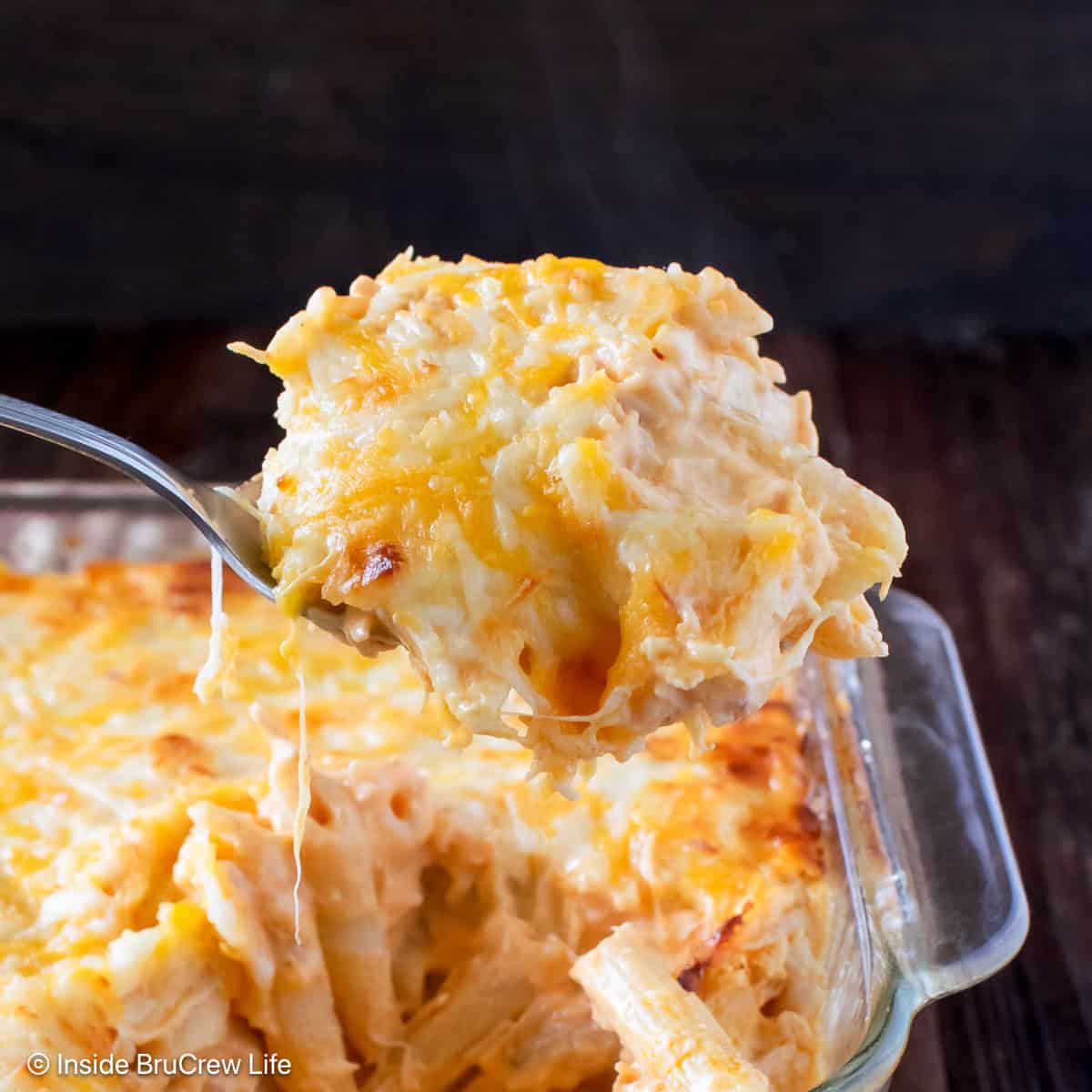
Credit: insidebrucrewlife.com
Step-by-step Cooking Process
Getting the Buffalo Chicken Casserole with Pasta just right depends on a clear, well-organized cooking process. Each element plays a vital role in building the perfect balance of flavors and textures. Let’s break down each part so you can confidently prepare this dish at home.
Preparing The Chicken
Start by choosing chicken breasts or thighs based on your preference for tenderness and flavor. Season the chicken with salt, pepper, and a bit of garlic powder to add depth. Cook it thoroughly by baking, grilling, or pan-searing until the internal temperature reaches 165°F (75°C).
Once cooked, shred the chicken using two forks or chop it into bite-sized pieces. Shredding helps the chicken mix evenly with the sauce and pasta, ensuring every bite is flavorful. Have you noticed how shredding changes the texture and absorbs more sauce?
Cooking The Pasta
Pick a pasta shape that holds sauce well—penne, rotini, or rigatoni work great here. Cook the pasta in salted boiling water until it is al dente; this means it should be tender but still firm to the bite. Avoid overcooking to prevent mushiness after baking.
Drain the pasta and toss it with a little olive oil to keep the pieces separate. This step is crucial to avoid clumping once mixed with the sauce and chicken. What’s your favorite pasta shape for casseroles and why?
Mixing The Sauce
The sauce is where the Buffalo flavor truly shines. Combine hot sauce with melted butter to balance heat with richness. Add a touch of ranch or blue cheese dressing to cool down the spice and add creaminess.
Whisk the ingredients until smooth and well blended. Tasting the sauce at this point is important—you can adjust the heat by adding more hot sauce or mellow it with extra dressing. How spicy do you like your Buffalo flavor?
Combining Ingredients
In a large bowl, mix the shredded chicken, cooked pasta, and Buffalo sauce evenly. Add shredded cheese, such as cheddar or mozzarella, for gooey texture and extra flavor. Stir everything gently to coat all ingredients without breaking the pasta.
Consider folding in chopped green onions or celery for a fresh crunch. This adds a nice contrast to the creamy, spicy mixture. Have you tried adding veggies to your casserole mix before?
Baking Tips
Preheat your oven to 350°F (175°C) to ensure even cooking. Transfer the mixture to a greased baking dish and spread it out evenly for consistent heat distribution. Top with extra cheese for a golden, bubbly crust.
Bake uncovered for about 20-25 minutes, checking that the cheese melts and bubbles. Let the casserole rest for a few minutes before serving to allow flavors to settle. Want to add a crispy topping? Sprinkle breadcrumbs mixed with a bit of butter before baking.
Variations And Substitutions
Swapping chicken with turkey or tofu works well in this casserole. Use different pasta shapes or mild cheeses to change the flavor and texture. Adjust spice levels by adding more or less hot sauce for a milder or spicier dish.
Buffalo Chicken Casserole with Pasta is a delightful dish that offers a harmonious blend of flavors. But what if you want to tweak it to your liking or adapt to what’s available in your pantry? The beauty of this dish lies in its versatility, allowing you to experiment with different ingredients. Whether you’re swapping proteins, cheeses, or adjusting the spice level, you can easily tailor it to match your taste preferences or dietary needs.Alternative Proteins
If you’re looking to switch things up or cater to a vegetarian crowd, consider using alternative proteins. Grilled tofu or tempeh can be a great substitute for chicken, offering a similar texture and absorbing the flavors beautifully. For a more robust flavor, try using ground turkey or beef. These options can add a hearty twist to your casserole, making it a hit at family dinners. Have you tried using chickpeas? They provide a protein punch and blend seamlessly with the buffalo sauce.Different Cheese Options
Cheese lovers rejoice! You have plenty of options to explore beyond the classic cheddar. Monterey Jack or Colby can bring a creamy texture that melts perfectly into the casserole. If you’re looking to add a sharper taste, consider using blue cheese or gouda. These cheeses can elevate the flavor profile, giving your dish a gourmet touch. Are you a fan of spicy twists? Pepper jack cheese can add an unexpected kick that pairs well with the buffalo sauce.Adjusting Spice Levels
Not everyone is a fan of fiery foods, and that’s perfectly okay. You can easily adjust the spice levels to suit your palate. If you prefer a milder version, use a lighter hand with the buffalo sauce or opt for a mild version. For those who love extra heat, consider adding a dash of cayenne pepper or hot sauce. Craving a more balanced flavor? Mixing buffalo sauce with a bit of ranch dressing can mellow the heat while adding creaminess. How spicy do you like your casserole? Test different levels to find your perfect match!
Credit: www.tasteofhome.com
Serving Suggestions
Serving Buffalo Chicken Casserole with Pasta is a chance to elevate your meal with thoughtful sides, vibrant garnishes, and perfectly matched drinks. How you present it can transform a simple dish into a memorable experience. Let’s dive into some practical ideas to make your serving stand out.
Side Dishes To Complement
Balance the spicy kick of the casserole with cool, fresh sides. A crisp garden salad with cucumbers and cherry tomatoes adds a refreshing crunch that your palate will thank you for. Roasted vegetables like broccoli or carrots bring subtle sweetness and texture that pairs wonderfully.
Consider classic comfort options like garlic bread or soft dinner rolls. They soak up the sauce and add a satisfying, hearty touch. What simple side could you add to turn this into a complete feast?
Garnishes And Toppings
Toppings add color, texture, and layers of flavor. Sprinkle chopped green onions or fresh cilantro for a burst of freshness. Crumbled blue cheese or shredded cheddar can enhance the creamy, tangy notes of the casserole.
Don’t overlook a dollop of sour cream or a drizzle of ranch dressing to cool things down. Toasted breadcrumbs or crushed tortilla chips add a delightful crunch that contrasts the creamy pasta. Which toppings would surprise your guests and elevate your dish?
Pairing With Beverages
Choosing the right drink can amplify every bite. A cold, crisp lager or pilsner can cut through the richness and spice perfectly. If you prefer wine, a chilled Riesling or Sauvignon Blanc offers refreshing acidity and slight sweetness to balance heat.
Non-alcoholic options like iced tea with lemon or a sparkling water with a splash of lime keep the meal lively and palate-cleansing. What drink helps you cool down after a spicy bite?
Storage And Reheating Tips
Keeping your Buffalo Chicken Casserole with Pasta fresh and delicious after cooking is easier than you might think. Proper storage and reheating can maintain the dish’s vibrant flavors and creamy texture, making leftovers just as enjoyable as the first serving.
Best Containers For Storage
Choosing the right container affects how well your casserole stays fresh. Use airtight containers made of glass or BPA-free plastic to prevent moisture loss and avoid odors from other foods.
Glass containers are great because they can go straight from fridge to oven or microwave without warping. If you prefer plastic, make sure it’s freezer-safe if you plan to store the casserole for more than a couple of days.
Reheating Methods
Reheating your casserole properly keeps the pasta tender and the buffalo sauce creamy. Microwave reheating is quick: cover the dish with a microwave-safe lid or wrap to trap steam, and heat in short bursts, stirring in between.
For more even heating, use an oven set to 350°F (175°C). Cover the casserole with foil to prevent drying, and heat for about 20 minutes or until warmed through. Have you noticed how reheating in the oven can revive the crispy top layer? It’s a simple way to bring back that fresh-baked feel.
Shelf Life And Safety
Leftover Buffalo Chicken Casserole usually stays good in the fridge for 3 to 4 days. Label your containers with the date so you don’t lose track. If you want to keep it longer, freezing is an option, and it can last up to 2 months.
Always check for any off smells or changes in texture before eating leftovers. When in doubt, it’s safer to toss it than risk foodborne illness. How do you decide if leftovers are still good to eat? Trusting your senses is key, but erring on the side of caution never hurts.

Credit: thegirlinspired.com
Frequently Asked Questions
What Ingredients Are Needed For Buffalo Chicken Casserole With Pasta?
You need cooked chicken, pasta, buffalo sauce, cream cheese, cheddar cheese, and ranch dressing. Optional additions include celery and green onions.
How Do I Make Buffalo Chicken Casserole With Pasta?
Cook pasta and chicken. Mix with buffalo sauce, cheeses, and ranch. Bake at 350°F for 20 minutes until bubbly.
Can I Use Other Pasta Types In This Casserole?
Yes, rotini, penne, or elbow macaroni work well. Choose pasta that holds sauce nicely for best texture.
Is Buffalo Chicken Casserole Freezer-friendly?
Yes, you can freeze it before baking. Thaw overnight in the fridge, then bake as directed for best results.
Conclusion
This buffalo chicken casserole with pasta is a simple, tasty meal. It mixes spicy chicken with creamy cheese and soft pasta. Easy to make and perfect for any night. Serve it with a side salad or veggies. Your family will enjoy the bold, rich flavors.
Try this recipe to add variety to your dinner. A warm, filling dish that brings comfort and spice together. Perfect for busy days or cozy nights at home.

Hi, I’m Daniel Brooks—a food lover and kitchen gear enthusiast. I enjoy testing cookware, utensils, and gadgets to see what really works in everyday cooking. At PlugChef.com, I share honest reviews, comparisons, and simple guides to help you choose the best tools for a safer, smarter, and more enjoyable kitchen.
Related posts:
 What Type of Cooking Utensils are Safe: Expert Picks
 What Innovations Could Blenders Make: Unleashing Future Tech
 Smart Strategies to Organize a Small Kitchen: Maximize Space
 How to Organize a Kitchen Cabinet: Expert Tips & Tricks
 How to Organize Kitchen Drawers: Expert Tips and Tricks
 How to Organize a Corner Kitchen Cupboard: Expert Tips

