
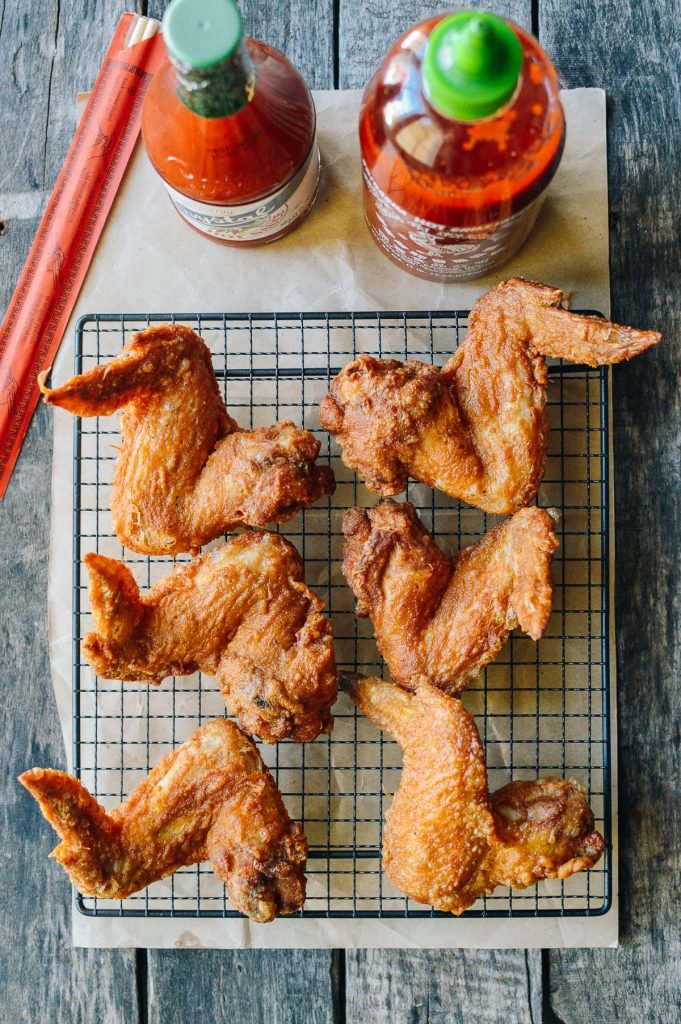
From casual weeknight dinners to stadium game days and global street food stalls, chicken wings are a universally loved staple, with a production and preparation process that balances food safety, flavor, and texture. Whether you’re buying pre-cut wings at the grocery store, ordering from a restaurant, or prepping them from scratch at home, understanding every step of how wings are made will help you get better results and make more informed choices about the products you buy.
What Are Chicken Wings, Exactly?
A whole chicken wing is the entire limb section cut from a broiler chicken, consisting of three distinct parts, each with unique texture and cooking properties. Most commercial and home preparations use pre-separated sections, as the small, meatless wing tip is often discarded or reserved for stock.
| Wing Section | Description | Best Use Case | Cooking Note |
|---|---|---|---|
| Drumette | Meatiest section, shaped like a small drumstick with one main bone | Handheld eating, dipping sauces | Cooks 2-3 minutes faster than flats due to smaller size |
| Flat (Wingette) | Middle section with two parallel bones and a higher skin-to-meat ratio | Crispy skin preparations, heavy saucing | Benefits from 30 minutes of air-drying before cooking to maximize crispness |
| Wing Tip | Small, tapered end with almost no meat, made mostly of skin and cartilage | Homemade stock, broth, or discarded | Adds rich gelatin to simmered stocks for extra body |
| Beyond whole or separated wings, boneless “wings” are a popular alternative, though they are not actually wing meat: they are cut from boneless, skinless chicken breast, trimmed, and shaped to mimic the size and texture of traditional wings for a boneless, breaded option. |
Commercial Chicken Wing Processing
Most chicken wings consumed in the U.S. are produced through regulated commercial processing, following strict food safety rules to ensure consistent quality and safety for consumers.
- Sourcing and transport: Broiler chickens (bred specifically for meat production, reaching processing weight in 6-7 weeks) are raised on USDA-inspected farms, then transported to processing facilities within 24 hours of slaughter to preserve freshness.
- Processing and cutting: Whole wings are cut into sections using automated band saws, with wing tips removed (most are sent to rendering facilities for use in pet food, animal feed, or industrial applications). Separated drumettes and flats are packaged for retail sale, or sold in bulk to restaurants and foodservice operators. Boneless wing pieces are cut from breast meat, trimmed, and often pre-breaded for frozen retail sale.
- Quality control and packaging: All batches are tested for harmful bacteria like Salmonella and E. coli per USDA requirements. Wings are packaged in vacuum-sealed trays or bulk cold-storage containers, labeled with use-by dates, and shipped refrigerated to distributors, grocery stores, and restaurant suppliers.
- Safety standards: All processing facilities in the U.S. follow strict USDA poultry processing guidelines to minimize contamination risk and ensure consistent product quality. Pre-cooked frozen wings are fully cooked to 165°F (74°C) before packaging, while raw wings are clearly labeled to prevent accidental undercooking.
Preparing Fresh Chicken Wings at Home
If you’re working with whole, fresh wings, proper prep is the foundation of great flavor and texture, and food safety should be your top priority. First, follow FDA raw poultry safety guidance when handling uncooked wings: wash your hands with soap and water for 20 seconds before and after handling raw meat, use a separate cutting board for poultry to avoid cross-contamination with other ingredients, and never leave raw wings at room temperature for more than 2 hours. Next, trim excess skin, loose feathers, or fat from the wings using sharp kitchen scissors, and pat them completely dry with paper towels — this is the most important step for achieving crisp skin, as excess moisture will steam wings instead of crisping them during cooking. For extra juicy meat and ultra-crisp skin, try a quick dry brine: toss 1 teaspoon of kosher salt and ½ teaspoon of baking soda per pound of wings, then leave them uncovered in the fridge for 1-2 hours. Do not brine longer than 2 hours, as the baking soda can break down meat proteins and lead to a mushy texture. If using a wet marinade, pat wings dry again before cooking to avoid sogginess, and marinate for 30 minutes to 2 hours in the fridge.
Cooking Methods for Perfect Wings
Regardless of your preferred cooking method, all wings must reach an internal temperature of 165°F (74°C) measured at the thickest part of the meat, with no pink remaining, to kill harmful bacteria. Below are the most common cooking methods, with pro tips for best results:
Deep Frying
The classic restaurant method for ultra-crispy, juicy wings. Heat a neutral high-smoke-point oil (canola, peanut, or sunflower) to 350°F (177°C), and cook wings in small batches (do not overcrowd the pot, as this drops oil temperature and leads to greasy, soggy wings) for 8-10 minutes, until golden brown. Drain on a wire rack set over a baking sheet, not paper towels, to avoid sogginess.
Baking
A low-mess, healthier home option. Preheat your oven to 425°F (220°C), place wings on a wire rack set over a rimmed baking sheet to allow air to circulate around all sides, and bake for 40-45 minutes, flipping halfway through. For extra crispness, toss wings in a thin coat of baking soda and salt before baking.
Grilling
Grilling adds a smoky, charred flavor perfect for outdoor cooking. Preheat your grill to medium-high (375-400°F), and make sure you’ve done a thorough scrub of your grill grates with a dedicated grill cleaner before cooking to avoid off-flavors from old residue. Cook wings for 6-8 minutes per side, using indirect heat if flare-ups occur, until charred and cooked through.
Air Frying
The most popular home cooking method in 2026 for low-effort, crispy wings with minimal oil. Preheat your air fryer to 400°F (200°C), place wings in a single layer in the basket (do not stack, as this blocks air circulation and leads to uneven cooking), and cook for 20-25 minutes, shaking the basket halfway through. Air frying delivers crisp results following the same air fryer best practices that work for other low-fat fried foods.
 Video still showing the final crisp texture of wings before sauce application
Image source: www.youtube.com
Video still showing the final crisp texture of wings before sauce application
Image source: www.youtube.com
Flavoring Techniques: Sauces, Rubs, and Glazes
Wings are a blank canvas for flavor, with the right technique making the difference between a good wing and a great one. The timing of flavor application depends on the type of coating you’re using:
Dry Rubs
A mix of spices, herbs, salt, and optional add-ins like brown sugar or baking soda, dry rubs add deep, savory flavor without added moisture. Common ingredients include paprika, garlic powder, onion powder, cumin, chili powder, and black pepper. Apply a generous coat to dried wings 15 minutes before cooking to let spices adhere, then cook as normal. Dry rubs create a crispy, crunchy crust perfect for grilled or baked wings.
Wet Sauces
Classic Buffalo, barbecue, teriyaki, honey garlic, and spicy Asian sauces are all popular wet options. For the best adhesion, toss cooked wings in a small amount of sauce first, then serve extra on the side for dipping. If you prefer sauced wings that stay crispy, whisk 1 teaspoon of cornstarch into your sauce before heating to thicken it, so it doesn’t soak into the skin and make it soggy.
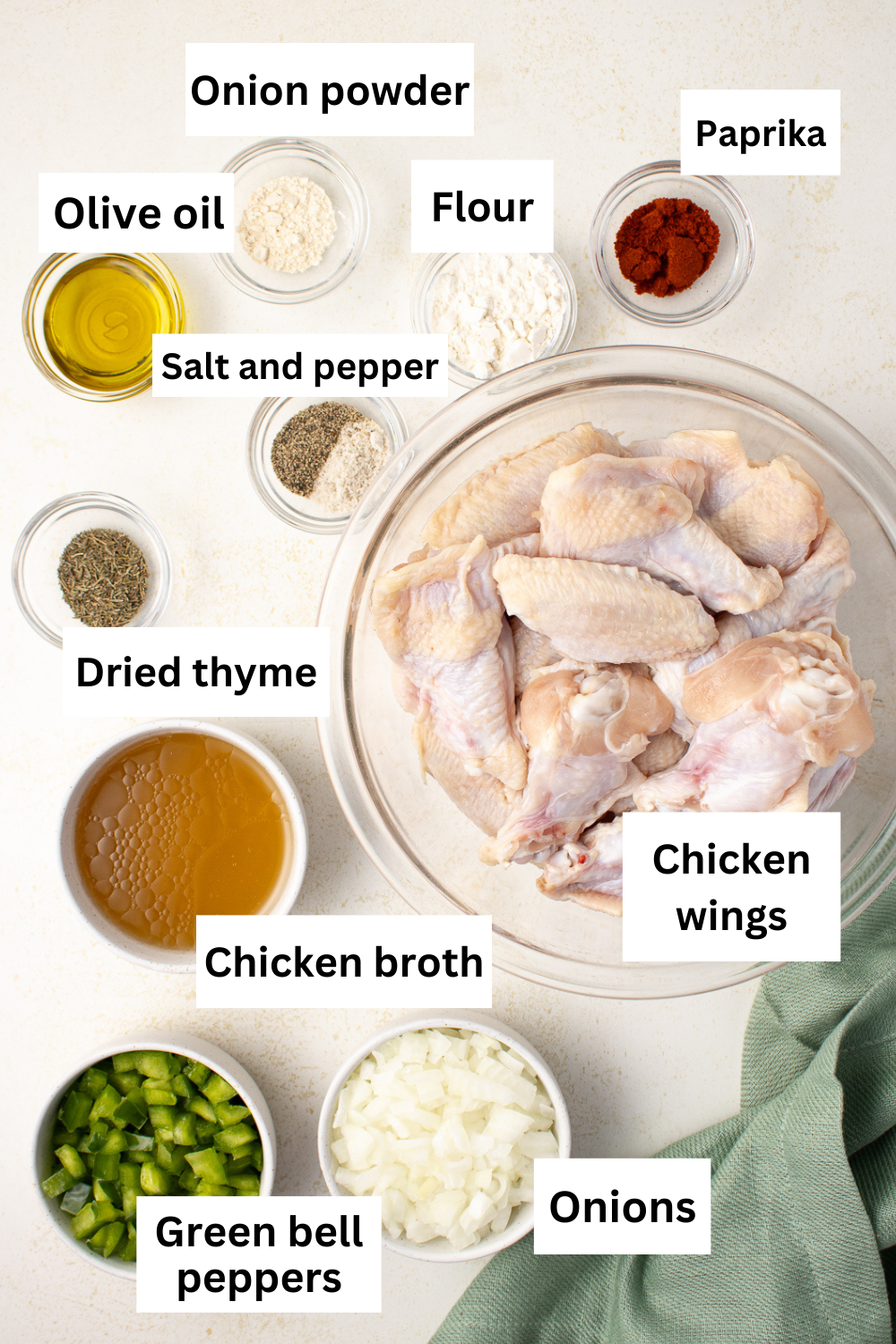 Base ingredients for a savory, buttery wing sauce including hot sauce, butter, and garlic
Image source: www.themidwestkitchenblog.com
Base ingredients for a savory, buttery wing sauce including hot sauce, butter, and garlic
Image source: www.themidwestkitchenblog.com
Glazes
Thin, sweet or savory coatings applied in the final moments of cooking to create a shiny, caramelized finish. Common glazes include honey-soy, maple-bourbon, and brown sugar-chili. Brush glaze onto wings during the last 30 seconds of cooking, then let rest for 1 minute to let the coating set. Glazes work best with grilled or baked wings, as the high heat caramelizes sugars for a sticky, glossy texture.
Serving and Pairing Ideas
Wings are designed for sharing, so presentation and pairing can take your spread to the next level. Arrange wings on a warmed platter to keep them hot, garnish with fresh herbs like parsley, cilantro, or green onions, and label different flavors with small cards if serving multiple varieties to help guests choose. For dips, classic pairings include ranch, blue cheese, and honey mustard, served with a side of celery and carrot sticks for a fresh, crisp contrast to rich, fatty sauces. For heartier sides, serve with roasted root vegetables tossed in herbs and olive oil for a savory, crispy complement. For casual game day spreads, pair wings with easy make-ahead sides that don’t require last-minute prep, so you can focus on saucing and serving. If you’re making garlic-heavy sauces at home, use proper garlic storage to keep your garlic fresh and flavorful for weeks. For drink pairings, opt for a cold lager or crisp sauvignon blanc to cut through spicy Buffalo wings, a hoppy IPA or sweet riesling to balance sweet honey garlic or Asian-inspired wings, or sparkling lemonade with a squeeze of lime for a non-alcoholic option.
Frequently Asked Questions
Are boneless wings actually made from chicken wings?
No — boneless “wings” are cut from boneless, skinless chicken breast, trimmed and shaped to resemble wing pieces. They are not part of the chicken wing anatomy, despite the common name.
What internal temperature should cooked chicken wings reach?
Per USDA food safety guidelines, all chicken wings must reach an internal temperature of 165°F (74°C) when measured at the thickest part of the meat, with no pink remaining, to kill harmful bacteria like Salmonella.
Do you need to brine chicken wings before cooking?
Brining is optional but highly recommended for extra juicy meat and crisp skin. A dry brine of salt and baking soda left on wings for 1-2 hours in the fridge breaks down proteins and draws out excess moisture, leading to better texture. Avoid brining longer than 2 hours, as the baking soda can make the meat mushy.
Can you cook frozen chicken wings directly?
Yes, you can cook frozen wings directly without thawing, but they will take 50% longer to cook, and may not crisp as well as thawed wings. For best results, thaw frozen wings in the fridge overnight before prepping and cooking.
Why do my baked wings turn out soggy?
The most common cause is excess moisture on the wing skin before cooking. Always pat wings completely dry with paper towels before seasoning, and place them on a wire rack (not directly on a baking sheet) to allow air to circulate around all sides during cooking.
Conclusion
Chicken wings follow a clear, regulated path from farm to plate, whether produced at large commercial facilities or prepped fresh at home. Understanding the anatomy of wings, proper food handling, and the nuances of different cooking and flavoring methods lets you create restaurant-quality wings at home, or make more informed choices when ordering or buying pre-made products. Next time you’re planning a game day spread or casual weeknight meal, use these tips to elevate your wing game: start with properly prepped, dried wings, cook to the correct internal temperature, and toss in your favorite sauce while they’re still hot for the best flavor adhesion. Ready to test out your new skills? Try a simple air fryer Buffalo wing recipe for a low-effort, high-reward snack that’s ready in under 30 minutes.

Hi, I’m Daniel Brooks—a food lover and kitchen gear enthusiast. I enjoy testing cookware, utensils, and gadgets to see what really works in everyday cooking. At PlugChef.com, I share honest reviews, comparisons, and simple guides to help you choose the best tools for a safer, smarter, and more enjoyable kitchen.
Related posts:
 How to Organize Medicine Cabinet: Maximize Space Effortlessly
 Dollar Tree Dish Drying Rack: Affordable Kitchen Solution
 Hobby Lobby Basket Wall Decor: Transform Your Space
Pizza With Arugula And Prosciutto: Irresistible Flavor Combo
Hobby Lobby Basket Wall Decor: Transform Your Space
Pizza With Arugula And Prosciutto: Irresistible Flavor Combo
 Can You Bake Pyrex Glass: Essential Tips for Safe Baking
 Brown Sugar Mustard Honey Glaze: Irresistible Flavor Boost for Meals

