
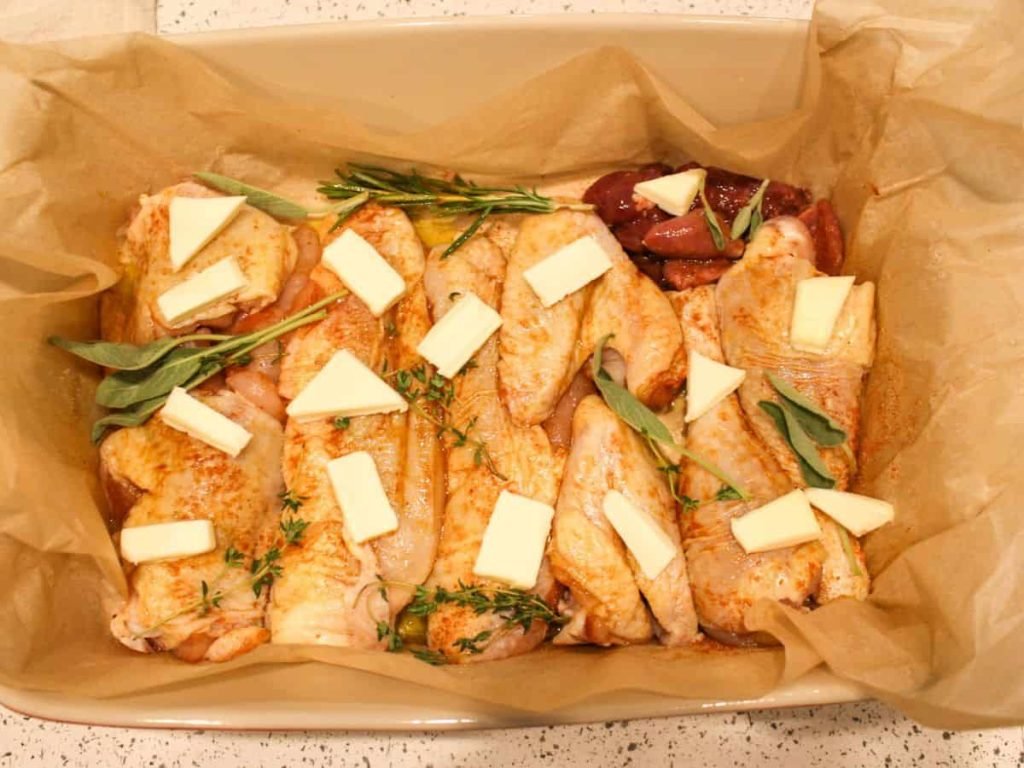
Are you looking for a simple way to make juicy, flavorful chicken without a mess? Cooking chicken using parchment paper is a game-changer for your kitchen.
It locks in moisture, keeps all the delicious flavors inside, and makes cleanup a breeze. Imagine biting into tender, perfectly cooked chicken every time, with minimal effort from you. You’ll discover easy and tasty chicken recipes using parchment paper that will transform your meals and impress everyone at the table.
Keep reading—you won’t want to miss these delicious ideas!
Benefits Of Cooking Chicken In Parchment Paper
Cooking chicken in parchment paper offers many benefits. It is a simple way to make delicious and healthy meals. The method seals in moisture and flavors while keeping the chicken tender. It also reduces the need for added fats and makes cleanup easier. This technique suits busy cooks and those who want nutritious dishes.
Retains Moisture And Juiciness
Parchment paper wraps the chicken tightly. This keeps steam inside the package during cooking. The steam prevents the chicken from drying out. The meat stays moist and tender. Juicy chicken means better texture and taste in every bite.
Enhances Flavor Infusion
The sealed environment locks in all seasonings. Herbs, spices, and marinades mix well with the chicken. Flavors become richer and more intense. Each piece absorbs the taste evenly. The result is a flavorful dish without extra effort.
Promotes Healthy Cooking
Cooking in parchment paper needs less oil or butter. It uses natural juices to cook the chicken. This lowers fat content in the meal. The method also avoids harmful chemicals from non-stick sprays. A cleaner, healthier way to prepare chicken.
Easy Cleanup
Parchment paper catches drips and spills. It keeps the baking tray clean. After cooking, just throw away the paper. No scrubbing or soaking pans. Saves time and effort in the kitchen.
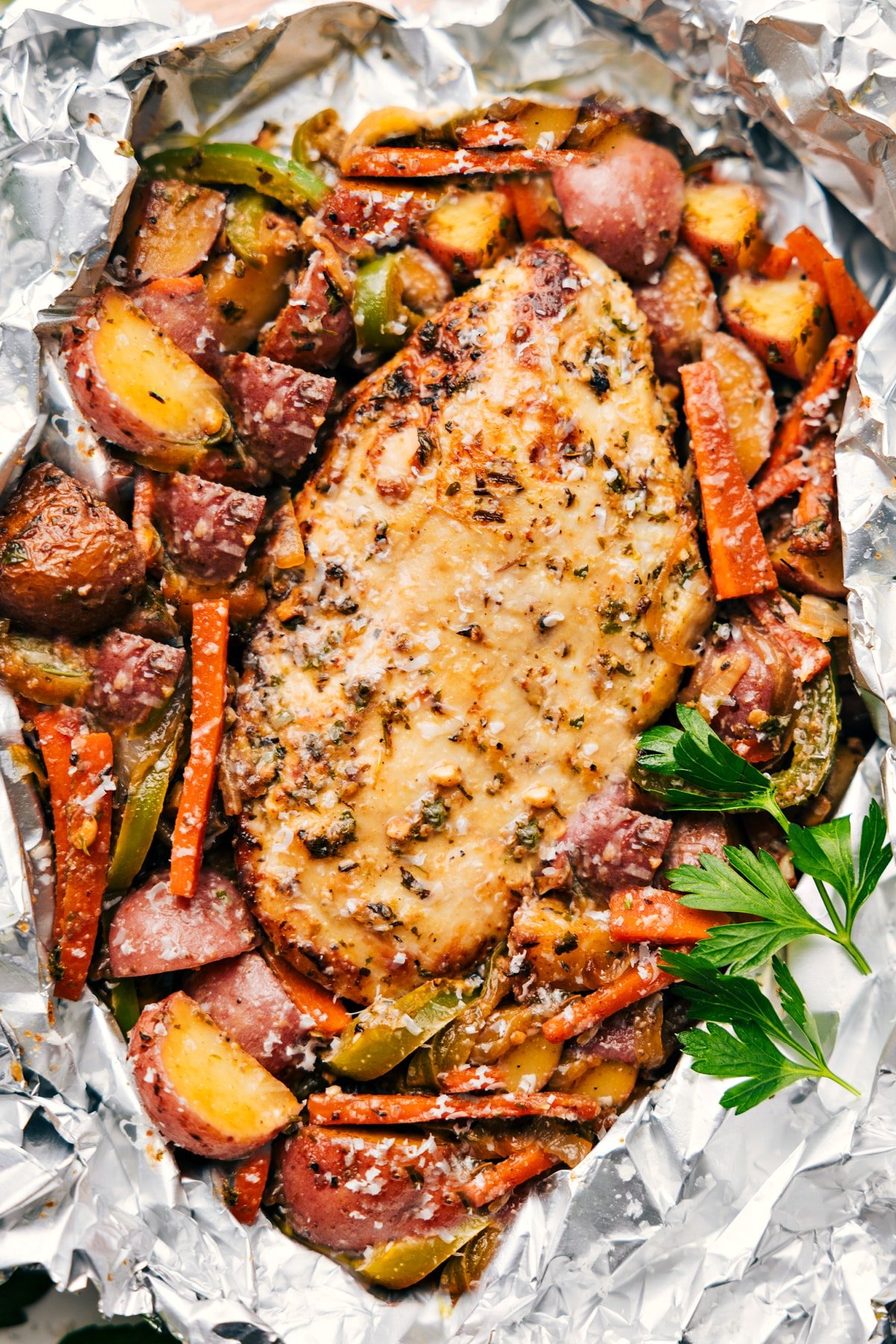
Credit: www.chelseasmessyapron.com
Choosing The Right Parchment Paper
Choosing the right parchment paper can make a huge difference in your chicken recipes. It affects how your dish cooks, how easy cleanup is, and even the flavor. Picking parchment that suits your cooking style and oven temperature ensures your chicken turns out perfectly every time.
Types And Quality
Not all parchment paper is created equal. You’ll find two main types: bleached (white) and unbleached (brown). Bleached paper is smoother and often preferred for delicate dishes, but unbleached is more eco-friendly and still works great for chicken.
Quality varies too. Look for parchment paper that’s non-stick and sturdy enough to hold your chicken without tearing. Brands that advertise silicone coating usually offer better heat resistance and less sticking. Have you noticed how some parchment paper leaves a greasy mess? That’s a sign to upgrade.
Safety Tips For High-heat Cooking
Parchment paper can handle high heat, but only up to a point. Most sheets are safe up to about 420°F (215°C). Cooking chicken at higher temperatures? Check the packaging or choose a heavy-duty option made for grilling or baking.
Avoid direct contact with flames or heating elements to prevent burning. If your recipe calls for searing or broiling, consider using foil or a cast-iron pan instead. Have you ever had your parchment paper catch fire in the oven? It’s more common than you think, and it’s easily prevented by knowing your paper’s limits.
Preparing Chicken For Parchment Cooking
Preparing chicken for parchment cooking involves seasoning the meat evenly and trimming excess fat. Wrapping it tightly in parchment keeps juices and flavors locked in while baking. This method ensures tender, moist chicken every time.
Preparing chicken for parchment cooking is a delightful culinary adventure that ensures juicy, flavorful results every time. This method not only seals in moisture but also allows for a healthy and straightforward cooking process. Whether you’re a seasoned chef or a home cook, parchment paper can elevate your chicken recipes to a whole new level.Selecting The Best Cuts
Choosing the right cut of chicken is crucial for parchment cooking. Boneless, skinless chicken breasts are popular due to their quick cooking time and tenderness. Thighs, on the other hand, offer a richer flavor and remain juicy even with longer cooking times. If you prefer a mix of textures, consider using a combination of breasts and thighs. Remember, uniform thickness ensures even cooking, so consider pounding thicker cuts to an even size.Marinades And Seasonings
Marinades are your best friend when it comes to infusing flavor into chicken. Simple combinations of olive oil, lemon juice, garlic, and herbs can transform your dish. Don’t be afraid to experiment with spices like paprika or cumin for a unique twist. Season generously with salt and pepper before placing the chicken on the parchment. A well-seasoned piece of chicken is the foundation of a delicious meal.Adding Vegetables And Herbs
Incorporating vegetables and herbs not only enhances flavor but also creates a complete meal wrapped in parchment. Thinly sliced bell peppers, zucchini, and cherry tomatoes work beautifully. Fresh herbs like thyme, rosemary, or basil can add an aromatic depth that complements the chicken perfectly. Consider your favorite vegetable combinations and get creative. The beauty of parchment cooking is that the flavors meld together, creating a cohesive and delicious dish.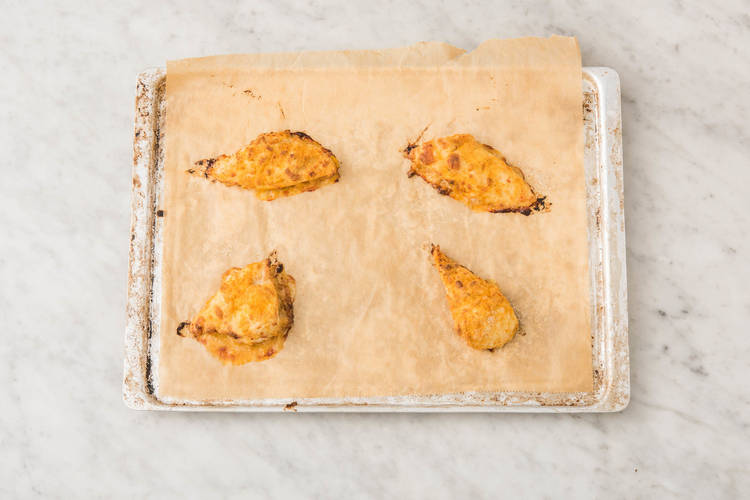
Credit: www.hellofresh.ca
Easy Chicken Recipes Using Parchment Paper
Parchment paper makes cooking chicken simple and clean. It locks in moisture and flavors during baking. These easy chicken recipes cook quickly and taste fresh. Each dish uses simple ingredients and little prep.
Cooking chicken in parchment keeps it juicy and tender. The paper traps steam, creating a natural sauce. This method also reduces cleanup time. Try these tasty recipes for a quick, healthy meal.
Lemon Herb Chicken Packets
Combine chicken breasts with lemon slices and fresh herbs. Add a drizzle of olive oil and a pinch of salt. Wrap the ingredients tightly in parchment paper. Bake until chicken is cooked and fragrant. The lemon and herbs give a bright, fresh taste.
Garlic Butter Chicken With Veggies
Place chicken thighs on parchment paper. Add butter, minced garlic, and your favorite vegetables. Seal the packet well to trap steam. Bake until chicken is tender and veggies are soft. The garlic butter melts into a rich, savory sauce.
Spicy Cajun Chicken En Papillote
Season chicken with Cajun spices for a spicy kick. Add sliced bell peppers and onions for color and crunch. Wrap everything in parchment and bake. The spices infuse the chicken with bold flavor. Perfect for those who enjoy a little heat.
Asian-inspired Ginger Soy Chicken
Marinate chicken in soy sauce, ginger, and a touch of honey. Add sliced green onions and shredded carrots. Wrap tightly in parchment paper and bake. The ginger and soy create a sweet, salty glaze. This dish brings Asian flavors to your table.
Tips For Perfect Parchment Paper Chicken
Cooking chicken in parchment paper is a simple way to lock in flavor and moisture, but nailing the technique can make all the difference. You want your chicken tender, juicy, and perfectly cooked every time. Here are some practical tips that will help you master parchment paper chicken and impress your taste buds.
Sealing Techniques
How you seal your parchment pouch affects how well the chicken cooks. Fold the edges tightly to create a steam pocket that traps moisture. Make sure to fold the paper over at least twice to prevent any steam from escaping.
Try folding the edges in a zigzag pattern for a strong seal that won’t open during cooking. If the pouch isn’t sealed well, your chicken may dry out or the juices could leak, losing flavor. Don’t hesitate to practice folding with scrap parchment before cooking.
Cooking Times And Temperatures
Chicken cooks quickly in parchment paper because the steam helps it stay moist. Generally, boneless chicken breasts need about 15-20 minutes at 375°F (190°C). Bone-in pieces will take longer, around 25-30 minutes.
Use a meat thermometer to check for doneness; the internal temperature should hit 165°F (74°C). Avoid opening the pouch too early, as the trapped steam cooks the chicken evenly. Have you noticed how even cooking transforms texture compared to dry baking?
Serving Suggestions
Once you open your parchment packet, the aroma alone can make your mouth water. Serve the chicken straight from the pouch on a plate to keep it warm and juicy. Add a sprinkle of fresh herbs like parsley or basil for a burst of color and flavor.
Pair your parchment chicken with simple sides like steamed vegetables or a light salad to balance the meal. Consider drizzling a bit of lemon juice or your favorite sauce over the top to enhance the taste. What side dishes do you find complement this cooking style best?

Credit: whereismyspoon.co
Frequently Asked Questions
What Are The Benefits Of Cooking Chicken With Parchment Paper?
Cooking chicken with parchment paper locks in moisture, ensuring tender, juicy results. It also reduces cleanup and prevents sticking. This method allows even cooking and enhances flavor by steaming ingredients inside the parchment packet.
How Do You Prepare Parchment Paper For Chicken Recipes?
Cut parchment paper into a large square. Place chicken and seasonings in the center. Fold the paper over and seal edges by folding tightly to create a packet. Ensure no gaps for steam to escape during cooking.
Can Parchment Paper Chicken Recipes Be Cooked In The Oven?
Yes, parchment paper chicken recipes are ideal for oven cooking. The paper packet steams the chicken gently, preserving moisture. Oven temperatures typically range from 350°F to 400°F for 20-30 minutes, depending on recipe specifics.
Is Parchment Paper Safe For Cooking Chicken At High Temperatures?
Parchment paper is safe for oven use up to 420°F (215°C). Avoid broiling or cooking above this temperature to prevent burning. It is FDA-approved for food contact and does not release harmful chemicals.
Conclusion
Cooking chicken with parchment paper keeps it juicy and tender. It also helps save time and cuts down on cleanup. You can add your favorite herbs and spices easily. This method works well for baking, roasting, or steaming chicken. Try different recipes to find what you enjoy most.
Simple, healthy, and tasty meals are possible with parchment paper. Give these recipes a try for your next dinner. Cooking chicken this way can be fun and stress-free. Enjoy delicious meals without much effort or mess.

Hi, I’m Daniel Brooks—a food lover and kitchen gear enthusiast. I enjoy testing cookware, utensils, and gadgets to see what really works in everyday cooking. At PlugChef.com, I share honest reviews, comparisons, and simple guides to help you choose the best tools for a safer, smarter, and more enjoyable kitchen.
Related posts:
 What Type of Cooking Utensils are Safe: Expert Picks
 What Innovations Could Blenders Make: Unleashing Future Tech
 Smart Strategies to Organize a Small Kitchen: Maximize Space
 How to Organize a Kitchen Cabinet: Expert Tips & Tricks
 How to Organize Kitchen Drawers: Expert Tips and Tricks
 How to Organize a Corner Kitchen Cupboard: Expert Tips

