
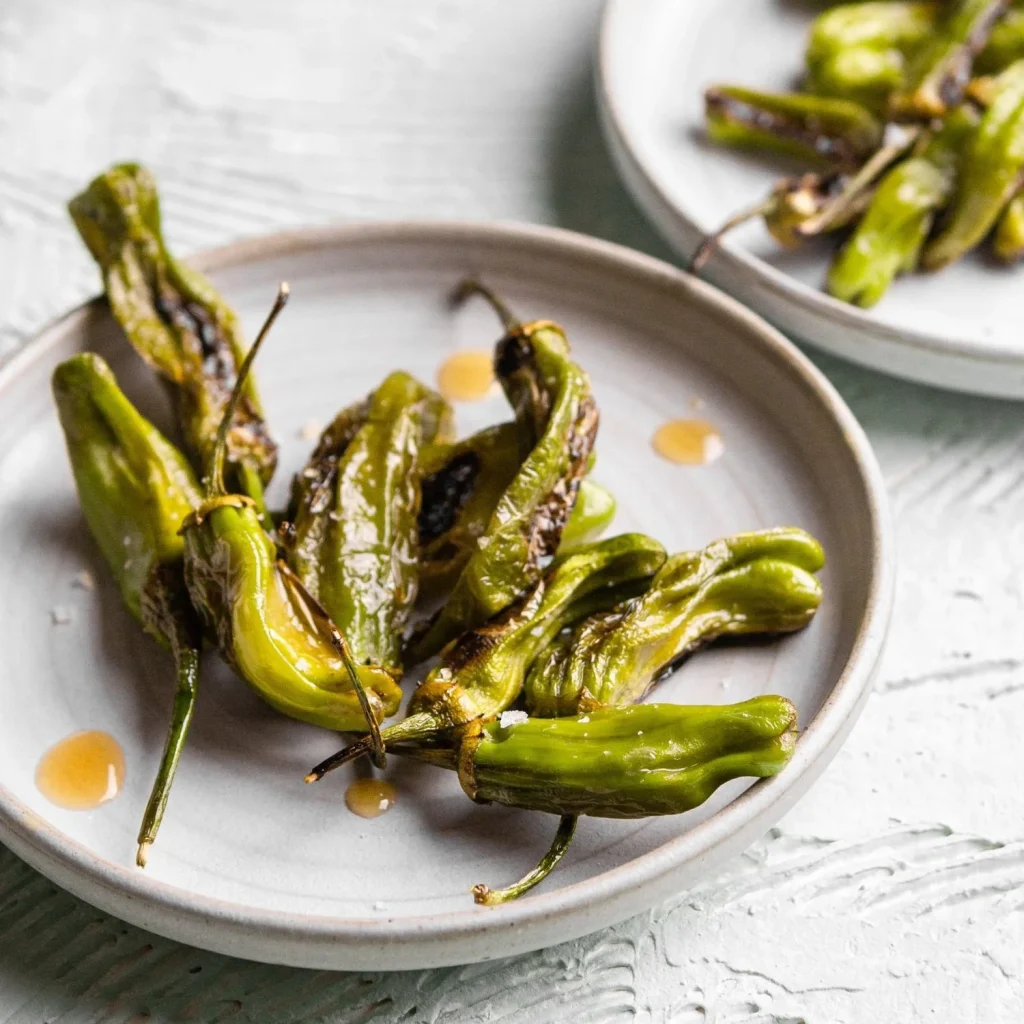
Roasting shishito peppers is one of the quickest, most reliable ways to turn a handful of mild, sweet peppers into a smoky, snackable appetizer. Done right, high heat blisters the thin skin, concentrates sweetness and keeps the flesh tender without turning them soggy. This guide gives step‑by‑step techniques for stovetop, oven, broiler, grill and air fryer; precise timing and oil guidance; seasoning ideas; food‑safety and storage rules; troubleshooting; and smart serving suggestions so you get consistent, restaurant‑quality results every time.
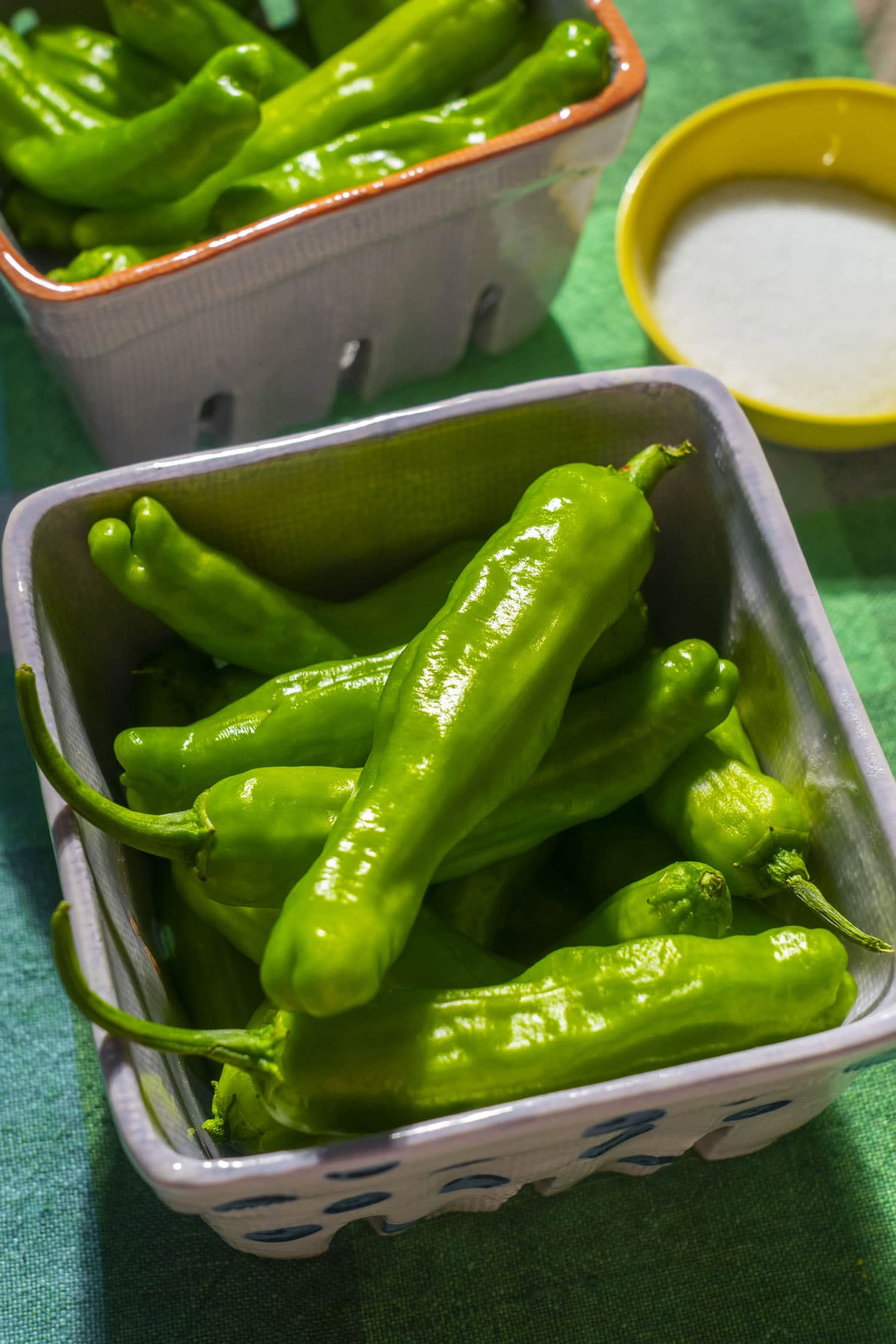
Credit: brooklynfarmgirl.com
Warm, blistered shishitos ready to serve.
Why roast shishito peppers?
Roasting concentrates the pepper’s natural sugars and creates a textural contrast between crisp, blistered skin and soft interior. Because shishitos have thin walls, they blister quickly at high heat and rarely need long cooking times. In practice, most methods finish in 6–15 minutes depending on equipment and batch size. The goal is blister and char selectively; too much moisture or overcrowding produces steaming instead of blistering.
Choose and store peppers for best blistering
- Look for firm, glossy peppers with taut skin and intact stems; avoid soft, wrinkled, or brown‑spotted specimens.
- Smaller peppers usually blister more evenly and taste sweeter; larger ones are meatier and may need a touch more time.
- Store loose peppers unwashed in the refrigerator’s vegetable drawer in a perforated bag; they keep well for about 7–10 days.
- If you buy from a market, ask how fresh they are — very fresh peppers blister and sear more readily.
For regional growing tips or variety information, check advice from your local extension service like the University of Minnesota Extension for practical, research‑backed guidance: extension.umn.edu.
Prep rules that matter
- Rinse quickly under cold water to remove dirt; dry thoroughly with a towel or salad spinner. Surface moisture equals steam, which prevents blistering.
- Leave stems on for handling and presentation. Don’t cut or seed unless you want to inspect for heat or modify presentation.
- Oil lightly: aim for a thin, even coating. A good rule of thumb is about 1 tablespoon of oil per 8–10 ounces (roughly a small market bag). Too much oil pools and prevents browning.
- Salt timing: a light pre‑salt can help browning; finish with flaky salt after roasting for texture and brightness.
Recommended oils: neutral oils with moderate to high smoke points (grapeseed, avocado) or extra virgin olive oil for lower‑heat or finishing uses. If frying at very high temps, use an oil with a higher smoke point.
Equipment, heat and timing at a glance
Choose the method that fits your kitchen and batch size. These are practical, repeatable ranges based on typical home equipment:
- Stovetop (cast iron or heavy skillet): medium‑high heat, 6–10 minutes, best for small batches and quick blistering.
- Broiler (oven top): broiler setting (high heat), 3–6 minutes total, very fast but requires attention and flipping.
- Oven roast: 450°F (232°C), 10–15 minutes, excellent for larger batches with less hands‑on time.
- Grill (direct heat): medium‑high, 6–8 minutes, adds smoky char and is ideal outdoors.
- Air fryer: 400°F (204°C), 6–8 minutes, crisp skin in very small, single‑layer batches.
Work in single layers where possible. Crowding turns blistering into steaming.
Step‑by‑step: stovetop blistered shishitos (best all‑purpose method)
- Rinse and dry 8–10 oz shishito peppers. Leave stems on.
- Toss with 1 tablespoon neutral oil and a pinch of kosher salt until evenly coated.
- Heat a large cast‑iron or heavy skillet over medium‑high until very hot (a drop of water should sizzle). Add peppers in one even layer.
- Let them sit 30–45 seconds to form blisters, then shake or use tongs to move them. Repeat, letting them rest briefly between turns.
- Total time: 6–10 minutes, until most skins are blistered and a few have blackened spots.
- Transfer to a bowl, finish with flaky sea salt and a squeeze of lemon or a light drizzle of toasted sesame oil.
In practice, the most common mistake is overcrowding. If peppers press together, they steam and won’t blister — work in two quick batches for large quantities.
Broiler, oven, grill and air fryer — exact tips
- Broiler: place the oven rack about 6 inches from the element. Use a rimmed sheet pan lined with foil for easy cleanup. Flip once halfway; watch continuously because char can happen fast.
- Oven: spread peppers single layer on a sheet pan, roast at 450°F for 10–15 minutes, stirring once. This is the most hands‑off option for larger quantities.
- Grill: use direct heat and either a grill basket or well‑oiled grate to prevent sticking. Turn frequently to avoid over‑charring. For more smoke, briefly move peppers to hotter zones.
- Air fryer: arrange in a single layer with space for airflow. Shake or flip halfway. Avoid spraying oil into a hot basket; toss peppers lightly with oil before adding.
Batch sizing: a 12‑inch skillet handles about 10–12 oz comfortably; a standard sheet pan handles roughly 1.5–2 pounds in a single layer.
Seasoning, sauces and serving ideas
Keep finishes simple to showcase the peppers or build more complex profiles.
Classic finishes
- Flaky sea salt + lemon or lime: brightens and balances oil.
- Toasted sesame oil + sesame seeds + lime: Asian‑inspired finish.
- Grated hard cheese (pecorino) + lemon zest: savory umami boost.
Sauces & dips (ratios for one small batch)
- Garlic yogurt dip: 1/2 cup Greek yogurt + 1 teaspoon lemon juice + 1 small minced garlic clove + pinch of salt.
- Spicy mayo: 3 tablespoons mayonnaise + 1–2 teaspoons Sriracha + 1/2 teaspoon lime juice.
- Ponzu or tamari with a splash of rice vinegar for dipping.
Pairings
- Appetizer: serve whole with toothpicks or alongside cocktails.
- Topping: chop and toss into grain bowls, scrambled eggs, tacos or fried rice.
- Side: alongside grilled fish, steak, or roasted vegetables.
Suggested plating: serve blistered shishitos warm with a small bowl of sauce and a finishing grind of flaky salt.
Handling the occasional hot pepper
Most shishitos are mild, but you may encounter a spicy one. Common, practical responses:
- Dairy works best: sip milk or yogurt to alleviate heat. Capsaicin is fat‑soluble, so dairy coats and neutralizes better than water.
- Avoid touching your eyes: capsaicin transfers easily. Wash hands with soap and warm water; vegetable oil or dish soap can help dissolve capsaicin on skin.
- If you want to reduce surprises, slice and test one or two raw peppers before roasting — it costs presentation but confirms batch heat.
Food safety and storage
- Wash produce before cooking and refrigerate cooked peppers within two hours of cooking. For official guidance on food handling and safe storage, refer to the USDA’s food safety resources: usda.gov.
- Refrigerate leftovers in an airtight container for 3–4 days. Reheat to steaming hot; the USDA recommends heating leftovers thoroughly before eating.
- To freeze: flash‑freeze roasted peppers in a single layer on a sheet pan, then transfer to freezer bags for up to 2 months. Thaw in the fridge and re‑crisp in a hot skillet.
Troubleshooting common problems
- Soggy peppers: likely from moisture or overcrowding. Solution: dry thoroughly and roast in smaller batches with higher heat.
- Burnt outside, raw inside: heat too high or peppers piled. Use lower heat or a different method (oven) for larger peppers.
- Sticking to pan: skillet wasn’t hot enough or not enough oil; season a cast iron pan well and add oil when the pan is hot.
Quick FAQs
Q: How long should I roast shishito peppers?
A: Stovetop 6–10 minutes, oven at 450°F about 10–15 minutes, broiler 3–6 minutes (watch closely). Look for blistered skin and softened flesh.
Q: Do I need to remove seeds or stems?
A: No — serve them whole with stems on for ease and presentation. Seeds are small and not bothersome.
Q: Which oil is best?
A: Neutral oils with higher smoke points (grapeseed, avocado) are best for high heat. Olive oil is fine for lower heat or finishing.
Q: Can air fryers reproduce the same blister?
A: Yes, if you use a single layer and avoid crowding; results are crisp but slightly different from direct‑flame char.
Q: How do I tame a spicy bite fast?
A: Dairy (milk, yogurt) is the most effective immediate remedy; avoid water.
Q: Are shishitos healthy?
A: They’re low in calories and contain vitamin C and other micronutrients. Treat them like other fresh produce regarding washing and storage.
Conclusion
Roasting shishito peppers is fast, forgiving, and highly rewarding. Focus on high heat, single layers, minimal oil, and finishing salt to get consistent blistering and bright flavor. Try a small stovetop batch tonight — serve warm with a squeeze of citrus or a dipping sauce — and bookmark this method for your next appetizer or weeknight bowl.
Ready to try it? Roast a small batch using the stovetop method and taste the difference — then save this page for your next gathering.

I’m Abby Lu, a passionate home cook who loves simplifying everyday meals. At PlugChef.com, I share product reviews and cooking guides to help you find the best tools for your kitchen.
Related posts:
 How to Make a Fruit Basket for a Gift: Easy DIY Guide
 Do You Need a Basket? Essential Guide for Air Fryers
 What Blenders Do Tropical Smoothie Use: Expert Insights
Stainless Steel Vs White Kitchen Appliances: Ultimate Showdown
What Blenders Do Tropical Smoothie Use: Expert Insights
Stainless Steel Vs White Kitchen Appliances: Ultimate Showdown
 Kitchen Appliances for Wedding Registry: Must-Have Essentials
 Top 10 Best Non-Toxic Cooking Utensils – Safe & Durable Choices for Healthy Homes

