
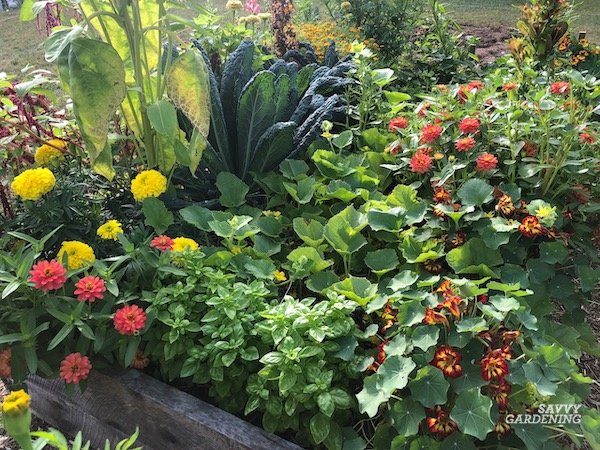
If you’ve ever spotted tiny purple, white, or pink buds forming on the top of your basil plant and wondered if you should snip them or let them grow, you’re not alone. Many home gardeners assume basil flowers are useless or even harmful to their herb harvest, but with the right care, these delicate blooms can add beauty to your garden, support local pollinators, and even provide free seeds for future planting. In this guide, we’ll break down exactly what happens when basil flowers, how to care for blooming basil, and expert tips to keep your herb garden thriving whether your priority is lush, flavorful leaves for cooking or a pollinator-friendly garden space. For more easy kitchen and gardening guides, check out our full blog library.
Yes, You Can Plant Basil Flowers – Here’s What That Means
The phrase “plant basil flowers” refers to two common, low-effort gardener goals: either letting your existing basil plants bloom naturally in your garden or container, or planting seeds harvested from those flowers to grow new basil plants the following season. Both options are completely doable, even for first-time growers, and come with unique benefits depending on your priorities. If your goal is a steady supply of fresh leaves for cooking, you’ll likely want to manage flowering carefully to delay bolting (the horticultural term for herb flowering and seed production). If you want to support local pollinators or save money on seeds, letting a few stems bloom is a simple, rewarding choice.
Basil Flower Basics: What To Expect When Your Plant Blooms
Basil is a tender annual, meaning it is programmed to complete its full life cycle – grow, flower, set seed, and die – in a single growing season. Flowering is a natural, expected part of that process, not a sign of poor care.
When Does Basil Start Flowering?
Most basil varieties begin to flower when days reach 14 or more hours of sunlight, usually in late spring to mid-summer for most U.S. climates. Consistently warm daytime temperatures above 70°F and cool nighttime temperatures below 55°F can also trigger early bolting, as can plant stress from underwatering, root-bound containers, or nutrient deficiencies. In practice, checking your basil plants every 2-3 days for new bud formation is the best way to stay ahead of unwanted flowering if you are prioritizing leaf harvest.
Common Basil Varieties and Their Unique Blooms
Not all basil flowers look or smell the same. The variety you grow will determine the color, shape, and even the subtle scent of its blooms:
- Genovese (sweet basil): The most common culinary variety, producing small, white clustered flowers with a faint sweet basil aroma.
- Thai basil: Features vibrant purple, spike-shaped flowers that stand out against its dark green leaves, with a slightly spicier scent than sweet basil.
- Holy basil (Tulsi): Grown for medicinal and tea uses, with pinkish-purple flowers and a warm, clove-like scent.
- Lemon basil: Produces pale yellow flowers with a bright citrus note, perfect for garnishing summer drinks and desserts.
- Purple Ruffles: Grown for its deep purple foliage and dramatic purple flower spikes, which are especially attractive to native bees.
 Thai basil produces vibrant purple flower spikes that are both decorative and edible, with a slightly spicier flavor than sweet basil.
Image source: www.reddit.com
Thai basil produces vibrant purple flower spikes that are both decorative and edible, with a slightly spicier flavor than sweet basil.
Image source: www.reddit.com
How Basil Flowering Impacts Leaf Flavor, Yield, and Plant Lifespan
Understanding what happens when your basil blooms will help you make informed care decisions aligned with your gardening goals.
The Science Behind Bitter Leaves After Flowering
When basil starts to flower, it redirects energy and nutrients away from leaf production and toward reproductive growth (flowers, then seeds). This shift reduces the concentration of volatile aromatic compounds like eugenol and linalool that give basil its signature sweet, pungent flavor, and increases levels of bitter-tasting sesquiterpenes. Once 10-15% of the plant is in bloom, leaves will start to taste noticeably astringent, making them unsuitable for most cooking. Leaf size and abundance also drop sharply, with flowering plants producing 30-50% fewer harvestable leaves than regularly pruned, non-flowering plants of the same age and size.
Does Flowering Shorten Your Basil’s Lifespan?
Yes, but only if you let the plant fully go to seed. As an annual, basil will die 1-2 weeks after its flowers dry and release seeds, as it has completed its biological purpose. If you pinch off flower buds as soon as they form, you can delay bolting by 4-6 weeks, extending your harvest window significantly and giving you far more leaves over the course of the season.
Should You Let Your Basil Flower? Weighing The Pros And Cons
The choice to let your basil bloom depends entirely on what you want to get out of your herb garden. Both options have clear trade-offs.
Benefits of Allowing Basil To Bloom
Letting a few stems of your basil plant flower comes with surprising perks:
- It supports local pollinator populations: Basil flowers are a rich source of nectar for native bees, hoverflies, and small butterflies, especially in late summer when other native bloom options are scarce.
- You can save free seeds for future planting: A single basil flower head can produce 50-200 tiny seeds, enough to grow 10-20 new basil plants next season with no need to purchase new seed packets.
- The flowers are edible and versatile: Basil blooms have a milder, more delicate flavor than leaves, making them perfect for garnishing salads, cocktails, and desserts.
- Flowering basil can act as a companion plant: Planted near tomatoes, peppers, or lettuce, blooming basil helps repel pests like aphids and hornworms while attracting beneficial insects that eat common garden pests.
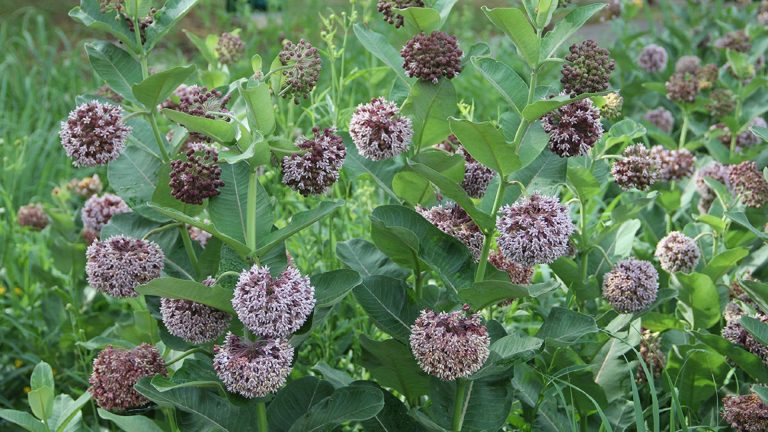 Milkweed, like basil, is a pollinator-friendly annual that blooms in summer, supporting local bee populations.
Image source: randylemmon.com
Milkweed, like basil, is a pollinator-friendly annual that blooms in summer, supporting local bee populations.
Image source: randylemmon.com
Drawbacks of Letting Basil Bloom Fully
If your top priority is a steady supply of flavorful cooking leaves, full flowering comes with clear downsides:
- Leaf quality drops sharply: Once buds open, leaves will become bitter and tough within 3-5 days, making them unsuitable for most recipes.
- You will get a smaller harvest: Flowering plants redirect resources away from leaves, reducing your total yield by nearly half compared to regularly pruned plants.
- Disease risk increases: Dense flower spikes can trap moisture, creating ideal conditions for fungal diseases like powdery mildew and downy mildew, especially in humid climates.
Expert Tips For Thriving Basil, Whether You Let It Flower Or Not
If You Want Lush Leaves For Cooking: Pinching and Pruning Best Practices
Pinching off flower buds as soon as you spot them is the easiest way to keep your basil focused on leaf production. Wait until buds are ¼ inch long, then use clean, sharp scissors or your fingernails to snip the entire bud cluster off just above the second set of leaves from the top of the stem. This redirects growth to those lower leaf nodes, encouraging the plant to grow bushier instead of tall and spindly. Prune every 2-3 weeks during the growing season, and never remove more than ⅓ of the plant’s foliage at once to avoid stressing it. A common mistake new gardeners make is waiting until buds are fully open to pinch them – by that point, the plant has already diverted significant energy to reproduction, so you’ll still get bitter leaves even after pruning. Wipe your pruning tools with a sturdy cleaning brush between plants to avoid spreading fungal diseases.
If You Want To Encourage Healthy Flowering: Care Adjustments
If your goal is to grow robust, pollinator-friendly basil blooms, adjust your care routine 4 weeks before you want the plant to start flowering:
- Switch to a low-nitrogen fertilizer: High-nitrogen formulas promote leaf growth, so opt for a balanced 10-10-10 or bloom-boosting 5-10-10 fertilizer to encourage flower production.
- Maximize sunlight exposure: Basil needs 6-8 hours of direct sun daily to bloom well. In climates with summer temperatures above 90°F, provide afternoon shade to prevent flower buds from scorching.
- Water carefully: Water deeply when the top 2 inches of soil are dry, and avoid overhead watering that can wet flower buds and cause rot. For region-specific planting timelines and care adjustments, refer to University of Minnesota Extension’s comprehensive basil growing guide, which offers tailored advice for every U.S. hardiness zone.
How To Use and Harvest Basil Flowers For Maximum Benefit
Culinary Uses For Fresh Basil Flowers
Basil flowers have a milder, more delicate flavor than leaves, with a faint sweet basil note and no bitterness if harvested before the buds fully open. Try these simple ways to use them:
- Sprinkle fresh blooms over salads, pasta, pizza, or grilled vegetables for a pop of color and subtle herbal flavor. They pair beautifully with fresh greens and sliced cheese for charcuterie boards for an elegant appetizer.
- Muddle a few flowers into cocktails like gin and tonics, lemonade, or iced tea for a refreshing herbal kick.
- Blend ¼ of the flowers with basil leaves when making pesto for a milder, more aromatic sauce perfect for drizzling over roasted veggies or bread.
- Freeze chopped flowers in ice cube trays with water or olive oil, then pop them into soups and sauces all winter for a fresh basil flavor boost.
Saving Basil Seeds From Flowers For Next Season
Saving seeds from your basil flowers is a simple way to get free plants for next season:
- Leave flower heads on the plant until they turn completely brown and dry, and start to crumble when touched – this usually happens 2-3 weeks after the flowers fade.
- Place dry flower heads in a paper bag, shake gently to release the tiny black seeds, or rub the heads between your fingers over a bowl.
- Sift out dried flower chaff using a fine mesh sieve, then store the clean seeds in a labeled paper envelope or airtight glass jar in a cool, dark, dry place (like a pantry or refrigerator). Properly stored basil seeds remain viable for 3-5 years, so you won’t need to buy new seeds for multiple growing seasons. To avoid cross-pollination with other basil varieties, cover open flower buds with a small mesh bag before they release pollen. After harvesting, use a heavy-duty cleaning brush to scrub dirt and debris off your gardening tools and work surfaces to keep your garden space tidy and pest-free.
Common Mistakes To Avoid When Growing Flowering Basil
Mistake 1: Pinching flower buds too late
Waiting until buds are fully open to prune them means the plant has already diverted significant energy to reproduction, so you will still get bitter leaves even after removing the blooms. Check for new buds every 2-3 days and snip them when they are still small and green.
Mistake 2: Over-fertilizing with nitrogen
High-nitrogen fertilizers (like standard lawn fertilizer) promote lush leaf growth but delay or prevent flowering entirely, and can lead to weak, floppy stems that break easily. Use a balanced or bloom-boosting formula if you want your basil to flower.
Mistake 3: Ignoring pest issues on flowering plants
Aphids, whiteflies, and spider mites are especially attracted to tender new flower growth. Check your basil weekly for signs of pests (sticky leaves, small insects, webbing) and treat early with insecticidal soap or neem oil to avoid infestations that can kill the plant before it sets seed.
Frequently Asked Questions
Can basil flowers be eaten safely?
Yes, basil flowers are completely edible and non-toxic to humans and pets. Always confirm you haven’t treated your basil with non-organic pesticides before consuming blooms, per USDA food safety guidelines for edible blooms, and wash them gently before eating.
Does basil flowering affect leaf growth?
Yes, flowering redirects energy away from leaf production, slowing growth and reducing total yield. Pinching off buds as they form will keep leaf production steady and extend your harvest window by 4-6 weeks.
How do I prevent basil from flowering too soon?
Pinch off flower buds as soon as you spot them, provide 6+ hours of direct sun daily, avoid over-fertilizing with nitrogen, and keep soil consistently moist (not soggy) to reduce plant stress that triggers early bolting.
Can basil flowers attract beneficial insects?
Yes, basil blooms are a rich source of nectar for native bees, hoverflies, and parasitic wasps that eat common garden pests like aphids and caterpillars. Planting flowering basil near vegetable gardens can improve overall garden health.
Are basil seeds from flowers viable for planting?
Yes, seeds harvested from mature, dry basil flower heads are fully viable for 3-5 years when stored properly in a cool, dark, dry place.
Can I replant basil flowers to grow new plants?
No, you cannot replant the flowers themselves, but you can plant the seeds harvested from dried flower heads to grow new basil plants the following spring.
Do all basil varieties flower?
Yes, all cultivars of Ocimum basilicum (sweet basil, Thai basil, holy basil, etc.) are annuals that will flower when they reach maturity and are exposed to the right growing conditions.
Will basil flowers spread invasively in my garden?
No, basil is not invasive in most climates. It is an annual that will die at the end of the growing season, though dropped seeds may grow volunteer basil plants the following year if you live in a mild climate with no hard frost.
If you have young children who may access cleaning supplies or small seeds under your kitchen sink, install kitchen safety locks for kids to keep hazardous products out of reach.
Conclusion
Basil flowers are far more than a nuisance for leaf-focused growers – they are a versatile, beneficial part of the basil life cycle that can support your garden, your kitchen, and your wallet. Whether you choose to pinch buds regularly for a steady supply of sweet, flavorful leaves, or let a few stems bloom to attract pollinators and save seeds for next season, the right care routine will keep your basil thriving all summer long. Ready to put these tips to work? Start by checking your basil plants for new flower buds this week, and decide which care routine aligns with your goals. For more easy gardening and kitchen guides, browse more kitchen and gardening tips for expert advice on everything from herb care to meal prep.

I’m Abby Lu, a passionate home cook who loves simplifying everyday meals. At PlugChef.com, I share product reviews and cooking guides to help you find the best tools for your kitchen.
Related posts:
 Kitchen Sink Mats at Target: Enhance Your Kitchen Space
 Pinks Rose Print under Sink Mat: Elevate Your Kitchen Decor
 Oxo Good Grips Silicone Sink Mat: Ultimate Protection
 How to Restore and Refinish a Cutting Board Like a Pro
 How to Cut Smoked Gouda for Charcuterie Board: Expert Tips
 How to Cut Mat Board for Framing: Easy Steps for Perfect Edges

