
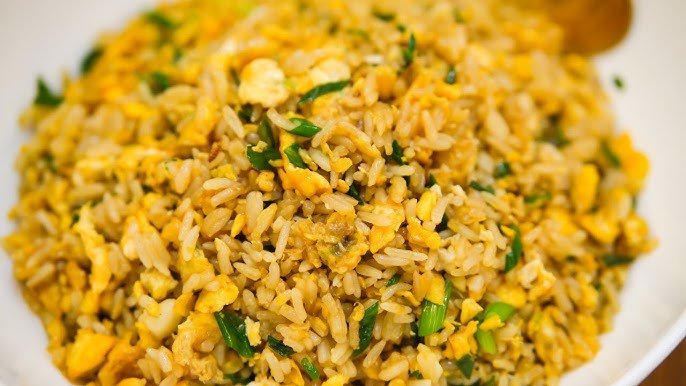
Craving a tasty, quick meal that feels like a treat? Learning how to make fried rice can be your secret weapon.
Imagine turning simple leftover rice into a flavorful dish packed with veggies, eggs, and your favorite seasonings. Whether you’re cooking for yourself or impressing friends, this easy recipe will show you step-by-step how to create a restaurant-quality fried rice right in your own kitchen.
Ready to transform your meals and satisfy your hunger? Let’s dive in!
Ingredients For Fried Rice
Getting the ingredients right is key to making delicious fried rice. You want a good balance between staples and extras that bring flavor and texture. Knowing what to use helps you adapt the dish easily, whether you’re cooking for a quick lunch or a dinner party.
Essential Staples
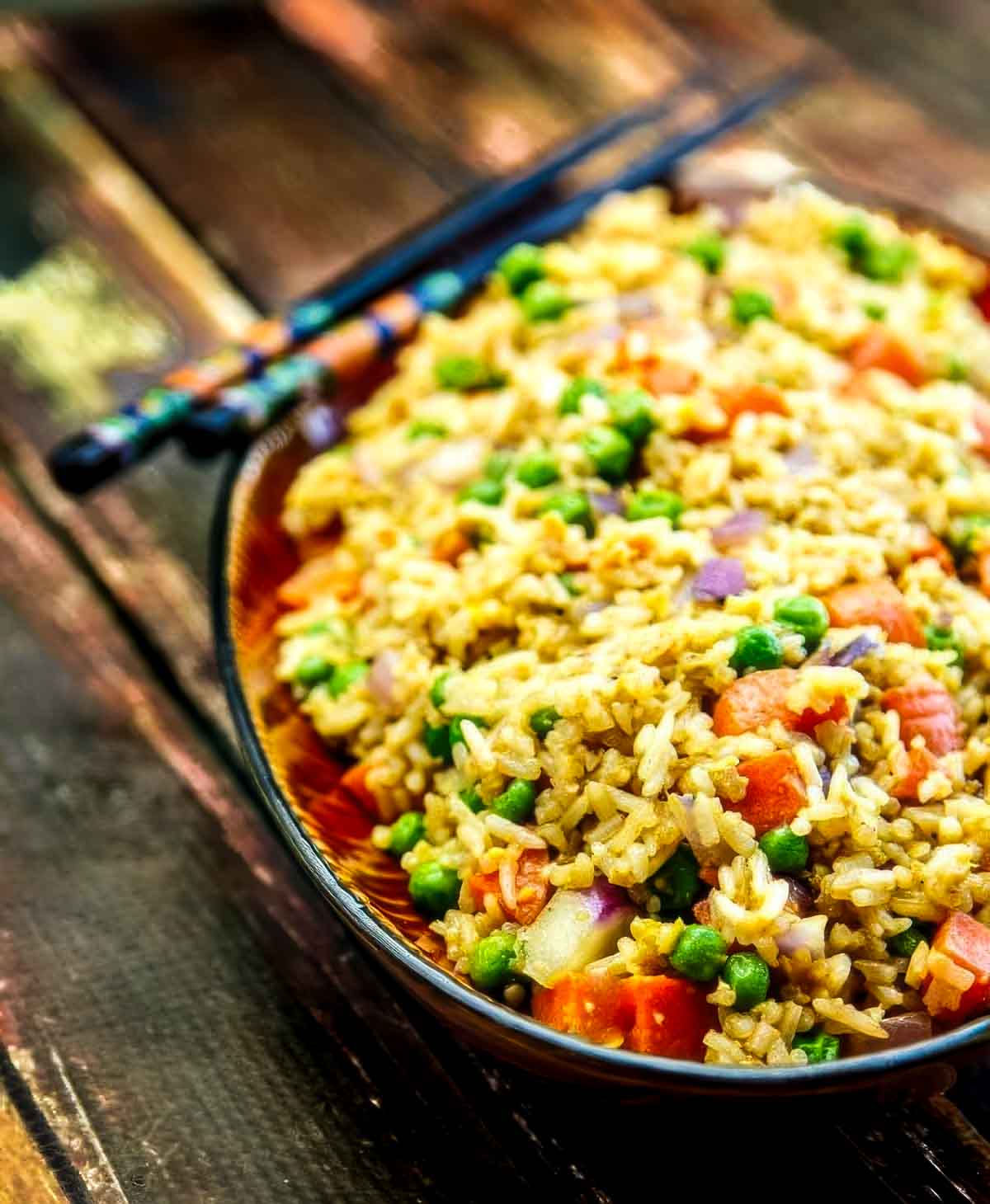
Start with rice, oil, and soy sauce—these form the base of your fried rice. Eggs add protein and richness, while onions and garlic give a punch of aroma. Don’t forget vegetables like peas or carrots for color and crunch.
- Cooked rice (preferably day-old)
- Vegetable or sesame oil
- Soy sauce
- Eggs
- Chopped onions
- Garlic cloves
- Frozen or fresh peas and carrots
Optional Add-ins
Want to make your fried rice stand out? Try adding cooked chicken, shrimp, or tofu for extra protein. Pineapple chunks or cashews introduce a surprising twist, while green onions and chili flakes boost freshness and heat.
- Cooked chicken, shrimp, or tofu
- Pineapple pieces
- Cashews or peanuts
- Green onions
- Chili flakes or fresh chili peppers
- Sesame seeds
Choosing The Right Rice
Rice texture makes a big difference in fried rice. You want grains that stay separate and don’t clump together. Jasmine rice is a popular choice because it’s fragrant and fluffy, but long-grain white rice works well too.
Using freshly cooked rice often leads to mushy fried rice. Try using rice cooked a day before and refrigerated; it dries out slightly, which helps each grain fry up crisp. Have you noticed how leftover rice turns into a better dish the next day?
Credit: www.thewickednoodle.com
Preparing The Rice
Preparing the rice correctly is the foundation of excellent fried rice. The texture and moisture level of your rice can make or break the dish. Whether you’re using fresh or leftover rice, understanding how to get the perfect fluffiness will elevate your cooking.
Cooking Fresh Rice
Start with rinsing your rice under cold water until the water runs clear. This removes excess starch and prevents the rice from becoming sticky. Use a little less water than usual—typically a ratio of 1 cup rice to 1.25 cups water works well for firmer grains.
Once cooked, spread the rice out on a baking sheet or a large plate to cool quickly. This stops the steaming process and helps the grains stay separate. Have you ever noticed how freshly cooked rice can clump together? Cooling it fast is the key to avoiding that.
Using Leftover Rice
Leftover rice is actually the best choice for fried rice because it’s drier and less sticky. If you’re using refrigerated rice, break up any clumps with your fingers or a fork before cooking. Cold rice absorbs flavors better and fries up with a perfect bite.
If you only have fresh rice on hand, try refrigerating it for at least a few hours or overnight. This extra step transforms the texture and makes your fried rice much better. Have you ever skipped this and ended up with mushy rice? It’s a common mistake you can easily avoid.
Tips For Fluffiness
- Use a wide, hot pan:This allows the rice to fry evenly and prevents steaming.
- Don’t overcrowd the pan:Cook in batches if needed to keep the rice grains separate.
- Add oil before the rice:A little oil coats the grains and helps them stay loose.
- Use a spatula or wooden spoon:Gently toss the rice instead of stirring vigorously to avoid breaking the grains.
Have you tried any of these tips before? Small adjustments like these can change your fried rice from ordinary to restaurant-quality.
Cooking The Vegetables
Cook vegetables quickly over high heat to keep them crisp and colorful. Stir often to avoid burning and ensure even cooking. This method adds great texture to fried rice.
Cooking the vegetables is a crucial step in making delicious fried rice. Fresh, crisp veggies add flavor and color. They also enhance the dish’s nutritional value. Choosing the right vegetables is important. Proper sautéing techniques ensure they cook evenly.Best Veggies For Fried Rice
Selecting the right vegetables makes a big difference. Common choices include peas, carrots, and bell peppers. Each adds its unique flavor and texture. Broccoli and green beans work well too. For a hint of sweetness, add corn or diced bell peppers. Mushrooms offer an earthy taste. Experiment with different combinations. Seasonal vegetables add freshness and variety.Proper Sautéing Techniques
Sautéing vegetables correctly is essential. Start with a hot pan. Add a small amount of oil. Olive or sesame oil works well. Add vegetables in batches. Begin with those that take longer to cook. Stir them constantly for even cooking. Keep the heat medium-high. This prevents them from becoming soggy. Aim for a tender but crisp texture. Season with salt and pepper to taste.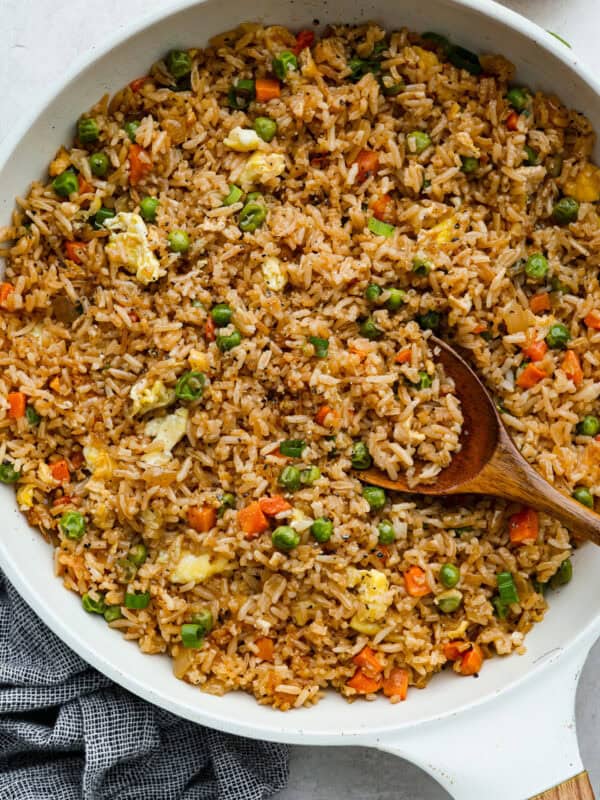
Credit: therecipecritic.com
Adding Protein
Adding protein to your fried rice is essential to turn it from a simple side dish into a satisfying, complete meal. The right protein not only boosts flavor but also balances the nutrition. Whether you prefer meat or plant-based options, choosing and cooking your protein properly makes all the difference in texture and taste.
Chicken, Shrimp, And Beef Options
Chicken is a classic choice that cooks quickly and absorbs flavors well. Cut it into small, bite-sized pieces for even cooking. Shrimp adds a sweet and slightly briny taste that pairs perfectly with garlic and soy sauce.
Beef brings a rich, hearty flavor to fried rice. Thinly sliced cuts like flank steak or sirloin work best and cook fast. Marinate your beef briefly in soy sauce and a pinch of sugar to enhance tenderness and taste.
Vegetarian Protein Choices
You don’t need meat to enjoy a protein-packed fried rice. Tofu is a fantastic option—it crisps up nicely and takes on the flavors of your sauce. Firm or extra-firm tofu works best; press out excess moisture before cooking.
Tempeh and edamame are also great plant-based proteins. They add texture and a nutty flavor. Don’t forget nuts like cashews or peanuts for a crunchy protein boost that surprises the palate.
Cooking Protein Separately
Cooking protein separately ensures it cooks evenly and develops a good sear. This step prevents overcooking when combined with rice and vegetables later. You’ll get distinct, well-textured pieces instead of mushy bits blending into the rice.
After cooking, set the protein aside and add it back in at the end of the stir-fry. This approach keeps your fried rice fresh and flavorful. Have you noticed how much difference this simple step makes in your dishes?
Flavoring Your Fried Rice
Flavoring your fried rice is where the magic happens. The right combination of sauces, seasonings, and fresh aromatics can turn a simple dish into a memorable meal. It’s all about finding the balance that suits your taste and experimenting with ingredients you love.
Sauces And Seasonings
Sauces are the backbone of fried rice flavor. Soy sauce is a classic choice, adding saltiness and depth. Try light soy sauce for a milder taste or dark soy sauce for richer color and flavor.
Don’t forget about other seasonings like oyster sauce, sesame oil, or fish sauce. These add complexity and a subtle umami punch. A splash of vinegar or a pinch of white pepper can also brighten the dish.
Balancing Sweet And Savory
Finding the right balance between sweet and savory can make your fried rice irresistible. A little sugar or honey can soften salty sauces and create harmony.
Consider adding sweet ingredients like diced carrots or peas. They naturally enhance sweetness and add texture. Ask yourself: does your fried rice taste flat or does it have layers of flavor? Adjusting sweetness might be the key.
Using Aromatics Like Garlic And Ginger
Garlic and ginger are essential aromatics that elevate fried rice. Sauté them first in hot oil to release their fragrance before adding rice.
Fresh ginger adds a zesty warmth, while garlic brings a rich, savory note. If you want a milder flavor, reduce the amount or finely mince them. Have you tried roasting garlic for a sweeter twist?
Frying Techniques For Perfect Texture
Frying rice to the perfect texture takes careful attention and the right techniques. The goal is rice that is fluffy, slightly crispy, and never mushy. Small details like the type of pan and heat settings affect the final dish a lot. Follow these tips for great fried rice every time.
Choosing The Right Pan
Use a wok or a large, heavy skillet for frying rice. These pans distribute heat evenly, helping the rice cook uniformly. A non-stick pan can work but may not give the best crispy texture. The wok’s shape allows easy stirring and tossing without spilling.
Heat Control Tips
Start with medium-high heat to warm the pan. Add oil and let it get hot before adding rice. High heat helps rice grains separate and fry quickly. Stir constantly to avoid burning. Lower the heat if the rice starts to stick or burn.
Avoiding Sogginess
Use day-old rice for frying. Fresh rice is too soft and sticky. Spread rice out in the pan to let moisture escape. Avoid adding too much sauce or wet ingredients at once. Cook ingredients separately if they release water, then mix them in at the end.
Finishing Touches
Finishing touches can transform your fried rice from good to unforgettable. They add texture, color, and extra flavor that make every bite exciting. Paying attention to these last details lets you personalize your dish and impress anyone at the table.
Garnishes To Enhance Flavor
Garnishes do more than just decorate; they add layers of taste and crunch. Fresh herbs like chopped green onions or cilantro bring brightness that cuts through the richness of the rice.
Try sprinkling toasted sesame seeds for a nutty crunch or crispy fried shallots for a subtle sweetness and texture contrast. A drizzle of soy sauce or a squeeze of lime juice can also awaken all the flavors.
Have you experimented with spicy chili flakes or finely chopped peanuts? They add heat and a surprising twist that might just become your new favorite.
Serving Suggestions
How you serve your fried rice can elevate the whole meal experience. Use a warm plate to keep the rice hot and flavorful longer.
Pair the dish with simple sides like steamed vegetables or a light cucumber salad to balance the flavors. You might also enjoy it alongside grilled chicken or shrimp for a more filling meal.
Consider wrapping your fried rice in lettuce leaves for a fresh and fun way to eat it. Would you serve it family-style or in individual portions? Your choice can change the vibe of the meal completely.

Credit: www.youtube.com
Common Mistakes To Avoid
Making fried rice might seem straightforward, but some common mistakes can turn your dish soggy, bland, or unevenly cooked. Paying attention to these pitfalls can save you frustration and improve your results instantly.
Overcrowding The Pan
Have you ever noticed your fried rice steaming instead of frying? That’s usually because the pan is too crowded. When you add too much rice at once, the heat drops, and the rice ends up soggy rather than crispy.
Cook in smaller batches to keep the pan hot and allow the rice to fry properly. This also helps you stir and toss the rice evenly without clumps.
Using Wet Rice
Freshly cooked rice is often too moist for fried rice. Wet rice clumps together and releases steam when heated, making the dish mushy. Using day-old rice or rice that’s been cooled and dried works best.
If you only have freshly cooked rice, spread it out on a tray and let it cool completely before frying. This simple step makes a huge difference in texture.
Skipping Key Seasonings
Seasoning is what brings fried rice to life. Many skip or underestimate the importance of soy sauce, salt, and aromatics like garlic and green onions. Without these, your fried rice can taste flat and uninteresting.
Try tasting as you go and adjust the seasoning gradually. Adding a splash of sesame oil at the end can also boost flavor tremendously.
Frequently Asked Questions
What Type Of Rice Is Best For Fried Rice?
Day-old, cold, long-grain rice works best for fried rice. It is dry and less sticky, helping achieve a perfect texture. Fresh rice can be too moist and clump together, ruining the dish.
How To Prevent Fried Rice From Being Mushy?
Use cold, leftover rice and avoid overcrowding the pan. Cook on high heat and stir-fry quickly. This helps keep grains separate and prevents mushiness.
Can I Add Vegetables To Fried Rice?
Yes, adding vegetables like peas, carrots, and bell peppers enhances flavor and nutrition. Chop them small for even cooking and add during stir-frying.
What Oil Is Best For Frying Rice?
Use oils with high smoke points like vegetable, canola, or peanut oil. These oils handle high heat well and add a subtle flavor without overpowering the dish.
Conclusion
Fried rice is a quick and tasty meal anyone can make. Use fresh ingredients and cook on high heat for best results. Stir often to mix flavors well. You can add vegetables, eggs, or meat to suit your taste. Practice a few times to get your perfect version.
Enjoy your homemade fried rice anytime you want. Cooking becomes fun with simple steps and good food. Try this easy recipe today and share with friends or family. Simple, fast, and delicious—a perfect dish for every day.

I’m Abby Lu, a passionate home cook who loves simplifying everyday meals. At PlugChef.com, I share product reviews and cooking guides to help you find the best tools for your kitchen.
Related posts:
 What Type of Cooking Utensils are Safe: Expert Picks
 What Innovations Could Blenders Make: Unleashing Future Tech
 Smart Strategies to Organize a Small Kitchen: Maximize Space
 How to Organize a Kitchen Cabinet: Expert Tips & Tricks
 How to Organize Kitchen Drawers: Expert Tips and Tricks
 How to Organize a Corner Kitchen Cupboard: Expert Tips

