
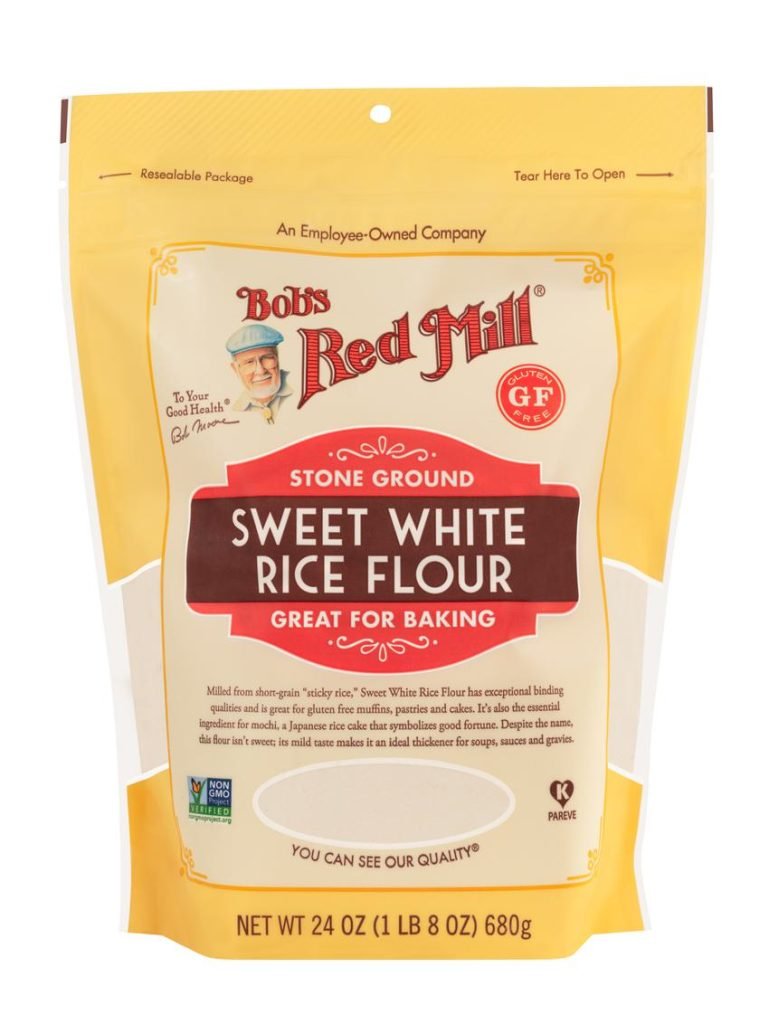
Have you ever come across sweet rice powder and wondered what it really is? If you’re curious about this ingredient and how it can add a special touch to your cooking or baking, you’re in the right place.
Sweet rice powder isn’t just another pantry staple—it has unique qualities that can transform your recipes in surprising ways. Keep reading to discover what sweet rice powder is, why it matters, and how you can use it to make your dishes stand out.
Your next favorite recipe might just start here!
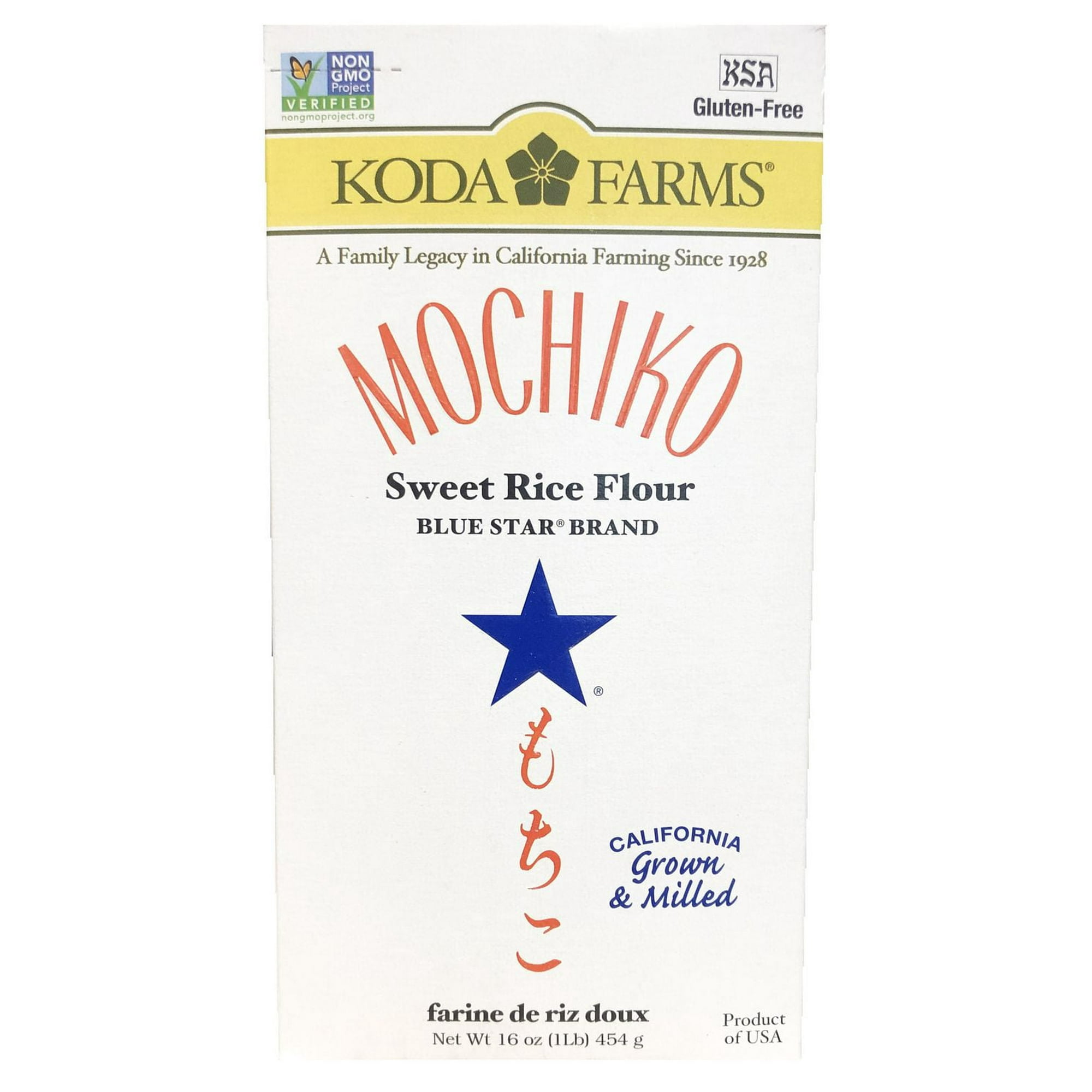
Credit: www.walmart.ca
Sweet Rice Powder Basics
Sweet rice powder is a fine flour made from glutinous rice. It has a soft texture and a naturally sweet flavor. This powder is a staple in many Asian kitchens. It is used in desserts, snacks, and sometimes savory dishes. Understanding the basics of sweet rice powder helps in using it correctly in recipes.
Origin And Production
Sweet rice powder comes from glutinous rice, also called sticky rice. It grows mainly in East and Southeast Asia. Farmers harvest the rice, dry it, and remove the outer husk. Then, the rice grains are ground into a fine powder. This powder is white and smooth. It keeps the sticky quality of the rice but in a dry form. This makes it easy to store and use in cooking.
Types Of Sweet Rice Powder
- Raw Sweet Rice Powder:Made from dried glutinous rice, used in many recipes.
- Cooked Sweet Rice Powder:Rice is cooked before grinding, giving a different texture.
- Instant Sweet Rice Powder:Pre-cooked and dried powder, dissolves quickly in water.
Each type suits different cooking needs. Raw powder is versatile for baking and steaming. Cooked powder adds softness to dumplings and cakes. Instant powder saves time in quick recipes.
Nutritional Profile
Sweet rice powder is a versatile ingredient used in many recipes. It is made by grinding glutinous rice into a fine powder. This powder offers more than just taste; it has a unique nutritional profile that supports a balanced diet.
Understanding the nutrients and calories in sweet rice powder helps you make smart food choices. It fits well in meals, providing energy and some essential nutrients.
Key Nutrients
- Carbohydrates:Sweet rice powder is rich in carbs, offering a quick energy source.
- Protein:Contains moderate protein to support muscle repair and growth.
- Fiber:Low in fiber, so it’s easy to digest and gentle on the stomach.
- Vitamins:Includes small amounts of B vitamins, important for energy metabolism.
- Minerals:Supplies minerals like iron and magnesium, crucial for blood health and muscle function.
Calorie Content
Sweet rice powder is calorie-dense due to its high carbohydrate content. A 100-gram serving provides about 350 calories. These calories mainly come from starches, which the body uses for energy. It is a good choice for those needing extra calories for active lifestyles or recovery.
Health Benefits
Sweet rice powder is rich in energy and easy to digest. It supports healthy skin and helps maintain a balanced diet. This natural ingredient also provides essential nutrients for overall wellness.
Sweet rice powder, often called glutinous rice flour, is not only a popular ingredient in many Asian dishes but also a nutritional powerhouse. Many might overlook its health benefits while savoring its delightful taste. So, what makes sweet rice powder a must-have in your pantry? Let’s dive into its health benefits.Digestive Health
Sweet rice powder is gentle on the stomach. It can be a soothing option for those with sensitive digestive systems. Due to its easy digestibility, it can help maintain a balanced gut environment. Ever felt bloated after a heavy meal? Incorporating sweet rice powder might just be the answer to preventing that uncomfortable feeling.Energy Boosting Properties
Packed with carbohydrates, sweet rice powder is a quick energy source. It’s ideal for those needing an energy boost before a workout or a busy day. When you consume sweet rice powder, your body efficiently converts it to energy, helping you stay active and alert. Try adding it to your morning smoothie for that extra pep in your step.Gluten-free Advantage
For those with gluten sensitivities or celiac disease, sweet rice powder is a fantastic alternative. Its gluten-free nature allows you to enjoy baked goods without the adverse effects of gluten. Why miss out on your favorite dishes when sweet rice powder can be your gluten-free hero? It ensures you don’t compromise on taste while keeping your dietary needs in check. Incorporating sweet rice powder into your diet can be both beneficial and delicious. So next time you’re cooking or baking, consider giving this versatile ingredient a try. Have you experienced the benefits of sweet rice powder yet? Let us know in the comments!
Credit: www.hmart.com
Culinary Uses
Sweet rice powder is a versatile ingredient that can elevate your cooking in many ways. Its unique texture and mild sweetness make it a favorite in various culinary traditions. Understanding how to use sweet rice powder can open up new possibilities in your kitchen.
Traditional Recipes
Sweet rice powder is a staple in many Asian desserts and snacks. It’s often used to make chewy rice cakes, dumplings, and sweet porridges. If you’ve ever tasted mochi or Korean tteok, you’ve experienced sweet rice powder’s magic firsthand.
These dishes rely on the powder’s sticky texture to create that signature chewiness. Have you tried making these at home? Using sweet rice powder can give you authentic results without complicated steps.
Modern Cooking Applications
Beyond tradition, sweet rice powder is finding its way into modern recipes. It can thicken sauces, add texture to soups, and even replace regular flour for a gluten-free option. Its natural sweetness means you might reduce added sugars in your dishes.
Think about your favorite savory dishes—adding a spoonful of sweet rice powder can enhance the mouthfeel. Have you experimented with it as a binder in veggie burgers or meatballs? It works surprisingly well.
Baking With Sweet Rice Powder
Bakers appreciate sweet rice powder for its ability to improve moisture and texture. It’s excellent in cakes, cookies, and pancakes, especially when you want a tender, chewy bite. Try mixing it with other flours to boost softness without losing structure.
Have you noticed how some gluten-free baked goods turn out dry or crumbly? Adding sweet rice powder can help solve that problem. Next time you bake, give it a try and see how your treats transform.
Beauty And Skincare Uses
Sweet rice powder is more than just a cooking ingredient; it has remarkable benefits for your skin. Its natural properties make it a gentle yet effective option for enhancing your beauty routine. You might be surprised at how this simple powder can transform your skincare experience.
Face Masks And Scrubs
Sweet rice powder works wonderfully as a base for face masks and scrubs. It has a fine texture that gently exfoliates dead skin cells without causing irritation. Mixing it with honey or yogurt creates a creamy mask that leaves your skin feeling soft and refreshed.
Have you ever noticed how some scrubs leave your skin red and sensitive? Using sweet rice powder helps avoid that because it’s mild but still effective in clearing away dullness. Try blending it with a little lemon juice to brighten your complexion naturally.
Soothing Skin Irritations
If your skin feels itchy or inflamed, sweet rice powder can offer relief. Its cooling effect calms irritation and reduces redness, making it ideal for sensitive or sunburned skin. Simply mixing it with water into a paste and applying it to the affected area can soothe discomfort quickly.
Next time your skin feels out of balance, why not give sweet rice powder a try? It’s a natural, affordable way to care for irritated skin without relying on harsh chemicals. What’s stopping you from adding this simple remedy to your skincare toolkit?
Storage And Handling Tips
Storing and handling sweet rice powder correctly can make a big difference in maintaining its freshness and quality. If you’ve ever opened a packet only to find it clumpy or stale, you know how frustrating it can be. Let’s look at how you can keep your sweet rice powder in top shape for longer.
Shelf Life
Sweet rice powder usually lasts between 6 to 12 months if stored properly. Its shelf life depends a lot on where and how you keep it. Have you ever noticed a change in aroma or texture? That’s a clear sign it’s time to replace it.
Keeping track of the purchase or opening date can help you avoid using expired powder. If you buy in bulk, consider dividing it into smaller portions to reduce exposure each time you open the container.
Proper Storage Methods
Store sweet rice powder in a cool, dry place away from sunlight. Moisture is its biggest enemy, causing clumping and spoilage quickly. A tightly sealed airtight container works best to keep out humidity and pests.
If you live in a humid climate, placing a small silica gel packet or some rice grains inside the container can help absorb extra moisture. You might be surprised how much difference this small step makes.
- Avoid storing near the stove or sink where steam and heat are common.
- Use clean, dry utensils every time you scoop out the powder to prevent contamination.
- Label your containers with the date you first opened them.
Have you tried freezing your sweet rice powder? It can extend its shelf life even more, but make sure to bring it back to room temperature before use to avoid clumping.
Buying Guide
Choosing the right sweet rice powder can affect your cooking results. Knowing what to look for helps you get the best quality and taste. This buying guide breaks down important factors to consider before purchasing sweet rice powder.
Quality Indicators
- Look for a fine, smooth texture without lumps.
- The color should be pure white or slightly off-white.
- Check for a mild, natural aroma; no strong chemical smells.
- Ensure the powder is free from foreign particles or impurities.
- Packaging should be sealed properly to keep moisture out.
- Choose brands that mention sourcing from trusted rice varieties.
Where To Buy
- Asian grocery stores often carry authentic sweet rice powder.
- Health food shops may offer organic or specialty options.
- Online marketplaces provide wide brand choices and customer reviews.
- Check local markets for freshly ground or homemade varieties.
- Buy from sellers who provide clear product information and expiry dates.
Credit: www.hmart.com
Frequently Asked Questions
What Is Sweet Rice Powder Made From?
Sweet rice powder is made by grinding glutinous rice grains. It is a fine, white flour used in many Asian recipes and desserts.
How Is Sweet Rice Powder Used In Cooking?
Sweet rice powder is used as a thickener, in baking, and to make traditional sweets like mochi and rice cakes.
Is Sweet Rice Powder Gluten-free?
Yes, sweet rice powder is naturally gluten-free since it is made from glutinous rice, which contains no wheat gluten.
Can Sweet Rice Powder Replace Regular Flour?
Sweet rice powder can replace regular flour in some recipes, especially for chewy textures, but it behaves differently in baking.
Conclusion
Sweet rice powder is a simple ingredient with many uses. It adds texture and flavor to dishes. People use it in cooking and baking across cultures. It is easy to find and affordable to buy. Knowing what sweet rice powder is helps you cook better meals.
Try it in recipes to see how it works. It can make your food taste unique and soft. A small change like this can bring big flavor. Give sweet rice powder a chance in your kitchen.

Hi, I’m Daniel Brooks—a food lover and kitchen gear enthusiast. I enjoy testing cookware, utensils, and gadgets to see what really works in everyday cooking. At PlugChef.com, I share honest reviews, comparisons, and simple guides to help you choose the best tools for a safer, smarter, and more enjoyable kitchen.
Related posts:
 What Type of Cooking Utensils are Safe: Expert Picks
 What Innovations Could Blenders Make: Unleashing Future Tech
 Smart Strategies to Organize a Small Kitchen: Maximize Space
 How to Organize a Kitchen Cabinet: Expert Tips & Tricks
 How to Organize Kitchen Drawers: Expert Tips and Tricks
 How to Organize a Corner Kitchen Cupboard: Expert Tips

