Kitchen sink grease buildup, stuck-on food residue, and garbage disposal odors are among the most common and frustrating household cleaning headaches. Harsh chemical degreasers can scratch sink surfaces, corrode pipes over time, and release toxic fumes in poorly ventilated spaces. Baking soda, a low-cost, non-toxic kitchen staple, is a proven, versatile solution that cuts through grease, neutralizes stubborn odors, and polishes sinks without damage. This guide covers both DIY baking soda sink cleaner recipes, vetted commercial products, safety guidelines, and pro tips to keep your sink sparkling and fresh year-round, no harsh chemicals required.
Why Baking Soda Works as a Kitchen Sink Cleaner
Baking soda (sodium bicarbonate) is a mild alkali that works on kitchen sink messes via three key mechanisms: it saponifies (breaks down) grease and cooking oils into water-soluble compounds that rinse away easily, its subtle abrasive texture lifts stuck-on grime and stains without scratching most sink surfaces, and its alkaline pH neutralizes acidic odor molecules from food waste and garbage disposals. Unlike corrosive chemical drain cleaners, it is non-damaging to PVC, copper, and stainless steel plumbing, and safe for septic systems. The U.S. Environmental Protection Agency lists baking soda as a certified Safer Choice ingredient, meaning it meets strict standards for human and environmental safety when used as directed EPA Safer Choice. For glazed ceramic, porcelain, and composite sink surfaces, the Tile Council of North America confirms mild abrasives like baking soda are safe for regular use when paired with a soft scrub pad TCNA Care Guides.
DIY Baking Soda Kitchen Sink Cleaner Recipes
All recipes below use ingredients likely already in your kitchen, cost less than $1 per use, and work for stainless steel, porcelain, ceramic, and composite sinks. Avoid use on unsealed natural stone (marble, granite, travertine), as baking soda’s mild abrasiveness can scratch surfaces and paired vinegar can etch stone.
Basic Daily Freshener
For routine maintenance to prevent light grease buildup and eliminate sink odors:
- ½ cup baking soda
- Warm water
- Soft sponge or non-scratch scrub pad Sprinkle baking soda evenly across the dry sink surface, let sit for 5 minutes to break down light grime and neutralize odors. Scrub gently with a damp sponge, then rinse thoroughly with warm water. For extra freshness, add 5–10 drops of lemon or peppermint essential oil to the baking soda before sprinkling to avoid synthetic fragrances.
Heavy Grease Cutter
For stuck-on grease from cooking, baked-on food residue, or greasy stovetop splatters that have landed in the sink:
- 1 cup baking soda
- ¼ cup coarse sea salt
- Warm water
- Non-scratch scouring pad Mix baking soda and salt, then add just enough warm water to form a thick paste. Spread the paste over greasy areas, let sit for 15 minutes to allow the alkali to break down the grease, then scrub with a non-scratch pad and rinse with hot water. For extra tough buildup, let the paste sit for 30 minutes before scrubbing.
Garbage Disposal & Drain Freshener
To eliminate disposal odors, break down food residue, and prevent minor clogs:
- ½ cup baking soda
- ½ cup white vinegar
- Pot of hot (not boiling) water Pour baking soda directly into the drain or garbage disposal, followed by vinegar. Let the mixture fizz for 15 minutes to break down grime and neutralize odors. Flush with a pot of hot tap water (avoid boiling water if you have PVC pipes, as repeated high heat exposure can warp plastic over time). Drop a lemon half into the running disposal to grind away remaining residue and boost freshness.
Top Commercial Baking Soda Kitchen Sink Cleaners
If you prefer pre-made, consistent formulas, these vetted baking soda-based products are tested for effectiveness and safety.
Cream Cleaners (for Scrubbing & Polishing)
Cream formulas cling to vertical sink surfaces better than powders, making them ideal for scrubbing backsplashes and curved sink edges without dripping.
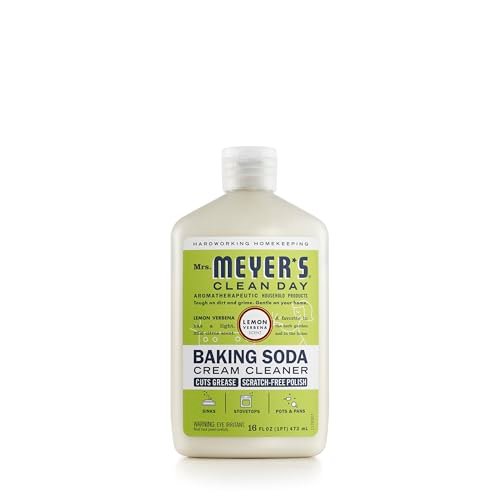
Mrs. Meyer's Clean Day Baking Soda Cream Cleaner
A popular plant-derived option that cuts grease without scratching, available in two fresh scent options:
- Lemon Verbena: Bright, citrusy scent that effectively masks kitchen food odors
- Apple Blossom: Soft, floral scent for users who prefer milder fragrances
Both variants use plant-derived cleaning ingredients, are free of harsh synthetic chemicals, and work on stainless steel, porcelain, quartz, and composite sinks. The creamy texture clings to surfaces to break down grease, while the mild baking soda abrasion polishes to a streak-free shine.
Pros: Eco-friendly formula, scratch-free finish, pleasant natural scents, widely available at major retailers.
Cons: May require a second application for heavy baked-on grease; scent may be too strong for users with fragrance sensitivities.
 Cream cleaner clings to vertical sink surfaces for better grease breakdown.
 Plant-derived formula is free of harsh synthetic fragrances and dyes.
Disposal & Drain Cleaners
Formulated specifically for garbage disposals and drain lines, these products eliminate odors and break down food residue to prevent clogs.
Arm & Hammer Pure Baking Soda
The original baking soda cleaner, 100% pure sodium bicarbonate with no added fragrances, fillers, or chemicals. Ideal for users with sensitivities, or for mixing with vinegar to make custom drain cleaners. The 2.7lb bag is cost-effective for regular use, and can also be used for deodorizing refrigerators, carpets, and trash cans.
Pros: Fragrance-free, multi-purpose, septic-safe, budget-friendly.
Cons: Bag packaging is less convenient than a resealable container for some users.
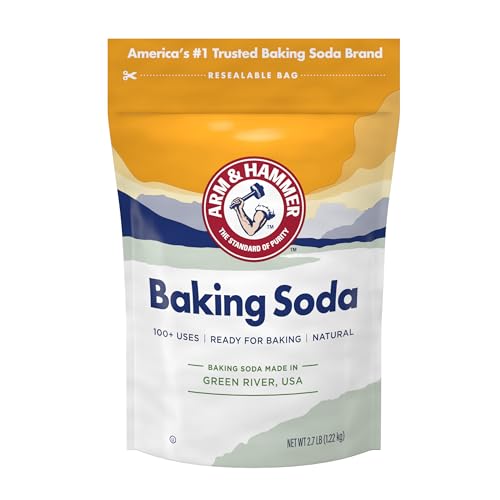 Pure, fragrance-free baking soda is the foundation of DIY sink cleaners.
Arm & Hammer Garbage Disposal Cleaner Capsules
Pre-measured, mess-free capsules that dissolve in water to release baking soda and citrus deodorizers. Available in 12-count and 24-count packs, with a natural citrus scent derived from essential oils. Simply drop a capsule into the disposal, run cold water for 30 seconds, and your sink will smell fresh. Safe for all plumbing types and septic systems.
Pros: No mess, pre-measured, works for both disposals and floor drains, long-lasting scent.
Cons: Requires weekly use for best results; subtle scent may not mask strong disposal odors for heavy users.
 Pre-measured capsules eliminate mess and work for both disposals and floor drains.
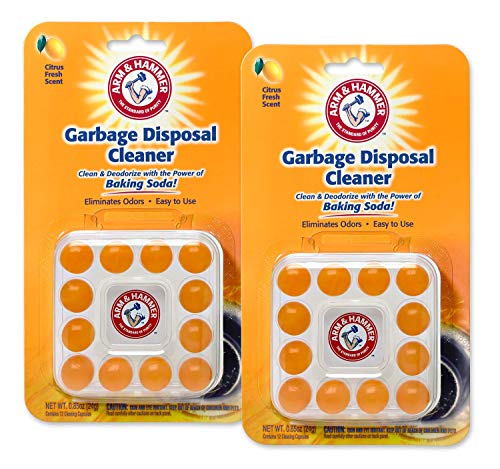 Larger count pack for long-term disposal maintenance.
Aunt Fannie's Sink Refresher
A powder scrub that combines baking soda with citric acid to break down both grease and hard water mineral deposits. The bright lemon scent is derived from natural lemon oil, and the formula is free of synthetic fragrances, dyes, and harsh chemicals. Safe for septic systems and all standard plumbing.
Pros: Breaks down mineral buildup as well as grease, natural scent, septic-safe, multi-surface use for sinks, drains, and disposals.
Cons: May require a second application for heavy hard water stains; powder can clump in humid environments.
 Powder formula includes citric acid to break down hard water mineral deposits as well as grease.
Bastion Garbage Disposal Freshener Pods
50-count lemon zest scented pods that dissolve quickly to eliminate disposal odors and break down food residue. The pods are made with baking soda and natural essential oils, no harsh chemicals, and are safe for all plumbing types. Each pod lasts 1–2 weeks with regular use, so the 50-count pack lasts over 4 months.
Pros: Long-lasting supply, strong natural lemon scent, no mess, septic-safe.
Cons: Only designed for disposals and drains, not for scrubbing sink surfaces.
 Long-lasting lemon scent masks disposal odors and breaks down food residue.
Spray Cleaners (for Quick Daily Wipes)
Spray formulas are ideal for quick cleanups of light grease and spills with no scrubbing required. While most baking soda-based sprays are DIY mixes, a small number of commercial spray cleaners include baking soda as an active ingredient for added grease-cutting power.
Mrs. Meyer's Clean Day Vinegar Gel Cleaning Spray
While marketed for bathrooms, this no-rinse vinegar gel spray works well on kitchen sinks for light grease and soap scum. The gel formula clings to vertical surfaces, so it doesn’t drip off before breaking down grime. The apple blossom scent masks the strong vinegar smell, and the plant-derived formula is free of harsh chemicals. Note: do not use on natural stone surfaces, as vinegar can etch marble and granite.
Pros: No-rinse formula saves time, clings to surfaces, natural ingredients.
Cons: Vinegar scent may be noticeable despite the added fragrance; not safe for natural stone.
 Gel formula clings to vertical surfaces for effective soap scum and grime removal.
Mighty Mint Vinegar Cleaner
An all-purpose vinegar spray with a refreshing spearmint scent, formulated to cut grease, neutralize odors, and clean most kitchen surfaces without harsh chemicals. The 16oz bottle is compact for easy storage under the sink, and the formula is free of synthetic fragrances and dyes. Works well on stainless steel, porcelain, and composite sinks, but avoid use on natural stone.
Pros: All-purpose use, natural ingredients, refreshing spearmint scent, budget-friendly.
Cons: Strong vinegar smell may be off-putting to some users; not safe for natural stone.
 Natural vinegar base cuts grease and neutralizes odors without synthetic chemicals.
Non-Baking Soda Alternative for Heavy Grease
For homes with heavy, baked-on grease or frequent antibacterial cleaning needs, Lysol Pro Kitchen Spray Cleaner and Degreaser is a commercial option that cuts through tough grime quickly. Its antibacterial formula kills 99.9% of germs on contact, making it ideal for households with young children or pets that regularly touch sink surfaces. Note that this product contains synthetic fragrances and no baking soda, so it’s best used for occasional deep cleans rather than regular maintenance.
Pros: Powerful antibacterial action, cuts heavy grease quickly, works on multiple kitchen surfaces.
Cons: Strong citrus scent may be overwhelming for sensitive users; not safe for natural stone or unsealed surfaces.
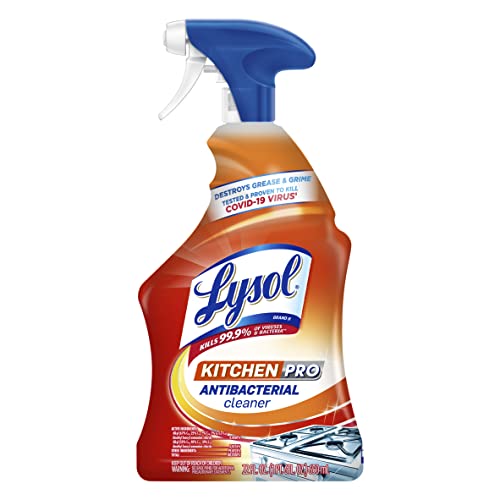 Commercial degreaser for occasional heavy-duty cleaning, though it contains no baking soda.
Baking Soda Sink Cleaner Safety Guidelines
To avoid damaging your sink or plumbing, follow these evidence-based safety tips:
- Surface compatibility: Baking soda is safe for all standard kitchen sink materials, including stainless steel, porcelain, ceramic, composite, and quartz. Do not use on unsealed natural stone (marble, granite, travertine), as the mild abrasive texture can scratch the surface, and paired vinegar can etch stone. Always test any new cleaner in an inconspicuous area first.
- Plumbing safety: Baking soda is non-corrosive and safe for all residential plumbing, including PVC, copper, and garbage disposal units. Avoid using boiling water with PVC pipes, as repeated exposure to high heat can warp the plastic over time. Stick to hot tap water for rinsing if you have PVC drains.
- Chemical safety: Never mix baking soda with bleach, ammonia, or other harsh chemical cleaners, as this can create toxic fumes that are dangerous to inhale. If you use a commercial chemical cleaner first, rinse the sink thoroughly before using baking soda.
- Pet and child safety: Baking soda is non-toxic if ingested in small amounts, but it can cause stomach upset if consumed in large quantities. Store all cleaning products out of reach of children and pets.
Pro Tips for Maximum Cleaning Results
Based on professional cleaning best practices:
- For tough, baked-on grease: Apply your baking soda paste or cream cleaner and let it sit for 20–30 minutes before scrubbing. Use a non-scratch scouring pad instead of steel wool to avoid scratching sink surfaces.
- Don’t forget the overflow drain: Most sink odors come from hidden buildup in the overflow drain, not the main drain. Sprinkle baking soda into the overflow hole, pour a little vinegar down, let fizz for 10 minutes, then rinse with hot water to eliminate hidden odor sources.
- For garbage disposals: Avoid putting fatty foods, coffee grounds, or eggshells down the disposal, as these contribute to buildup and odors. Use a baking soda and vinegar freshener weekly to keep blades clean and smelling fresh.
- For hard water stains: Combine baking soda with a small amount of liquid castile soap to create a paste that breaks down mineral deposits without scratching.
- For ongoing maintenance: Sprinkle a small amount of baking soda in the sink after each use, let sit for 2–3 minutes, then rinse. This prevents grease and food residue from building up between deep cleans.
Frequently Asked Questions
Can I use baking soda on a stainless steel sink without scratching it?
Yes, as long as you use a soft sponge or non-scratch scrub pad and avoid harsh, aggressive scrubbing. Baking soda is a mild abrasive, so it won’t scratch the protective coating on most stainless steel sinks when used correctly. For extra shine, rinse with a 1:1 mix of water and white vinegar after scrubbing, then dry with a microfiber cloth.
How often should I clean my kitchen sink with baking soda?
For most households, a weekly deep clean is enough for maintenance. If you cook frequently, use your garbage disposal daily, or notice persistent odors or light grease buildup, clean your sink 2–3 times a week to prevent bigger issues like clogs or surface damage.
Can baking soda unclog a kitchen sink drain?
Yes, for minor clogs caused by grease and food residue, the fizzing reaction between baking soda and vinegar can break down the blockage. For severe clogs caused by solid objects or deep pipe buildup, you may need a plumber’s snake or drain auger to clear the obstruction.
Is baking soda better than chemical drain cleaners?
For minor clogs and regular maintenance, yes. Chemical drain cleaners are highly corrosive, can damage pipes and garbage disposal components over time, and release toxic fumes that are dangerous to inhale, especially in small, poorly ventilated kitchens. Baking soda is non-toxic, safe for all plumbing, and just as effective for minor clogs and odor control.
Are baking soda disposal cleaners safe for septic systems?
Yes, pure baking soda and baking soda-based disposal cleaners are fully safe for septic systems. They won’t kill the beneficial bacteria that break down waste in your septic tank, unlike harsh chemical drain cleaners.
Conclusion
Baking soda is a versatile, low-cost, non-toxic solution for every kitchen sink cleaning need, from daily freshening to heavy grease removal and garbage disposal maintenance. Whether you mix your own DIY cleaner with ingredients you already have at home, or opt for a pre-made commercial product like Mrs. Meyer's cream cleaner or Arm & Hammer disposal capsules, baking soda delivers effective results without the risks of harsh chemical cleaners. Regular use prevents grease buildup, eliminates odors, and extends the life of your sink and garbage disposal by avoiding corrosive damage. For more natural kitchen cleaning tips, tested household hacks, and guides to keeping your entire kitchen spotless, browse our full library of home cleaning best practices on our site. Baking soda joins other common kitchen staples like salt and vinegar as a go-to non-toxic cleaner, a hack we’ve covered in our common staple cleaning tips for budget-friendly, low-waste cleaning. If you’re looking for fast, low-effort kitchen fixes that don’t require harsh chemicals, our quick kitchen hacks collection has dozens of tested ideas to simplify your routine. For step-by-step guidance on keeping your garbage disposal running smoothly, see our disposal maintenance tips. A fresh kitchen also makes food prep more enjoyable, and we have tips for keeping produce and surfaces fresh in our freshness preservation guide.

I’m Abby Lu, a passionate home cook who loves simplifying everyday meals. At PlugChef.com, I share product reviews and cooking guides to help you find the best tools for your kitchen.
Related posts:
 Hisense Dehumidifier And Small Appliance Repair Near Liberty Mo: Top Reviews
 Kitchen Appliances List: Must-Have Gadgets for Every Modern Kitchen
 Bundle Packages for Kitchen Appliances: Ultimate Kitchen Upgrade Solutions
 Best Smart Coffee Mug Warmer: Discover Ultimate Temperature Control Solutions
 Best Food Sealers Vacuum Packing: Discover Top Picks for Freshness
 Best Long Lasting Mug Warmer: Top Picks to Keep Your Drinks Hot