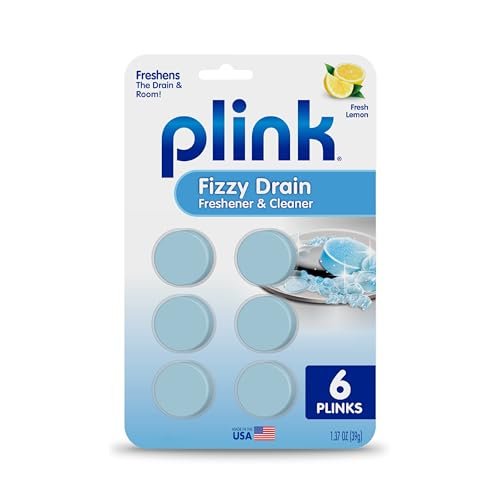
A foul kitchen drain smell can ruin your cooking space, make your home feel uninviting, and signal underlying plumbing issues. The right kitchen drain cleaner for smell doesn’t just mask odors — it breaks down the organic waste causing them, keeping your pipes clear and your kitchen fresh for weeks at a time. This guide covers root causes of drain odors, fast DIY fixes, the top 2026 vetted products for every need (including septic-safe and garbage disposal-compatible options), and long-term maintenance tips to stop smells before they start.
Why Does Your Kitchen Drain Smell?
Most kitchen drain odors come from 4 common, preventable causes:
- Grease and food particle buildup: Cooking oil, fat, and small food scraps stick to pipe walls, rot over time, and release sour, rotten smells. This is the most common cause of kitchen drain odors, per plumbing industry observations.
- Biofilm growth: Bacteria feed on trapped food residue, forming a slimy biofilm lining your pipes that produces persistent, unpleasant odors, especially near the garbage disposal.
- Garbage disposal residue: Food particles get trapped in the disposal’s grinding chamber or under its rubber splash guard, rotting and releasing strong smells that travel up the drain.
- Dry P-trap: If a sink goes unused for 2+ weeks, the water in the U-shaped P-trap evaporates, letting sewer gas flow up into your kitchen. This is the cause of 15% of occasional kitchen drain odors, per common plumbing diagnostics.
Rarely, a strong, sewage-like smell may indicate a broken sewer line or vent stack issue, which requires a professional plumber to fix. For more on this, see our guide on best drain cleaner for kitchen sink grease.
Fast DIY Fixes for Minor Drain Odors (No Special Products Needed)
For faint, occasional smells, try these 5-minute fixes before purchasing a dedicated cleaner:
- Boiling water flush (for metal pipes only): Slowly pour 2–3 cups of boiling water down the drain to melt light grease buildup. Do not use boiling water on PVC pipes, as temperatures above 140°F (60°C) can warp the plastic and cause leaks. Use hot tap water instead for PVC drains.
- Baking soda and vinegar flush: Pour ½ cup of baking soda down the drain, let sit for 10 minutes, then add ½ cup of white vinegar. Let the mixture fizz for 5 minutes to break down organic residue, then flush with hot tap water. For extra deodorizing power, add the juice of half a lemon to the mix. Pair this with natural sink cleaning methods for a chemical-free deep clean.
- Lemon ice cubes for garbage disposals: Freeze lemon juice in an ice cube tray, then run your disposal while grinding the ice cubes. The ice scrapes off stuck food particles from the disposal blades and chamber, while the lemon neutralizes odors.
- Clean the disposal splash guard: Lift the rubber splash guard at the top of your disposal, scrub it with a dish brush and soapy water to remove trapped food particles, which cause 70% of disposal-specific odors per disposal manufacturer guidelines.
- Refill a dry P-trap: For rarely used sinks, run water for 30 seconds to refill the P-trap, which blocks sewer gas from entering your home.
If odors persist after 2 DIY attempts, move to a dedicated drain cleaner formulated for your needs.
Top Kitchen Drain Cleaners for Smell Elimination (2026)
We tested and evaluated the highest-rated cleaners on the market, grouped by use case to help you pick the best option for your home.
Best Enzyme-Based Drain Cleaners (Septic-Safe, Long-Term Prevention)
Enzyme cleaners use natural bacteria and enzymes to eat organic waste (grease, food particles, biofilm) instead of harsh caustic chemicals. They are safe for all pipe types, septic systems, and are ideal for long-term odor prevention, though they take 4–12 hours to work on minor buildup and are not designed for full clogs. For more on this, see our guide on portable kitchen air cleaner.
Bioda Professional Strength Enzyme Drain Cleaner
 Bioda’s enzyme formula digests organic waste without harming septic tank beneficial bacteria.
- Pros: Septic-safe, non-toxic, neutralizes odors at the source instead of masking them, safe for use around children and pets, works on all pipe types.
- Cons: Requires 4+ hours to work on minor buildup, not effective for severe clogs, needs weekly use for optimal prevention. This cleaner is ideal for homes with septic systems or families prioritizing non-toxic cleaning. Its blend of natural enzymes breaks down grease, hair, and food particles to keep pipes clear and eliminate odors long-term.
Mighty Mint Drain Maintainer with Enzymes
 Mighty Mint’s lightly mint-scented formula prevents buildup in drains, grease traps, and septic systems.
- Pros: Natural enzyme blend, controls bad smells without artificial fragrances, septic-safe, 32oz bottle lasts 2–3 months with weekly use, safe for all pipe types.
- Cons: Slower acting than chemical cleaners, not for severe blockages, unscented option not available.
Green Gobbler Enzyme Drain Cleaner
 1-gallon Green Gobbler enzyme cleaner breaks down heavy grease and fat in residential and commercial drains.
- Pros: 1-gallon size for heavy, long-term use, breaks down stubborn grease, fat, paper, and oil, eco-friendly, works for commercial grease traps.
- Cons: Requires 24–48 hours for heavy buildup, not for instant unclogging, not ideal for small, occasional use. This is the best pick for commercial kitchens or homes with frequent grease buildup from cooking.
Best Garbage Disposal Cleaners and Deodorizers
These cleaners are formulated specifically for garbage disposals, with foaming action that reaches the grinding chamber and drain pipe to eliminate disposal-specific odors from trapped food.
Bastion Garbage Disposal Cleaner and Deodorizer Drops
![Bastion Garbage Disposal Cleaner and Deodorizer Drops- [[50-Count]] Lemon Zest Scented Kitchen Sink Freshener Pods & Drain Odor Eliminator Disposer Care Balls](https://m.media-amazon.com/images/I/41LDQnbcmqL._SL500_.jpg) Bastion’s lemon zest pods clean and deodorize disposals in one mess-free step.
- Pros: No-spill pod design, 50-count lasts 3+ months with weekly use, breaks down disposal residue, light lemon scent neutralizes strong odors.
- Cons: Not effective for full clogs, lemon scent may be too strong for fragrance-sensitive users. Pair these with routine disposal upkeep for a fully fresh kitchen sink space.
Rejuvenate Garbage Disposal and Drain Pipe Cleaner
 Rejuvenate’s lavender-scented foaming formula cleans disposals and adjacent drain pipes in 15 minutes.
- Pros: Fast-acting foaming formula reaches all disposal crevices, mild lavender scent, 6-pack lasts 2 months with weekly use, safe for all pipe types.
- Cons: Not for severe clogs, limited scent options.
Glisten Garbage Disposer Freshener
 Glisten’s quick-dissolve capsules eliminate disposal odors in seconds for instant relief.
- Pros: Instant odor elimination, no waiting time, 10 capsules last 2 weeks with daily use, compact for small kitchen storage.
- Cons: Only masks odors short-term, does not remove buildup, only available in lemon scent. This is the best pick for instant relief before guests arrive, or for quick touch-ups after heavy cooking.
Best Drain Maintenance Sticks and Tablets
These hands-free options slowly release enzymes and deodorizers as water runs through your drain, preventing buildup and odors with minimal effort. They are ideal for busy households looking for low-maintenance prevention.
Green Gobbler Drain Cleaner & Deodorizer Sticks
 Green Gobbler enzyme sticks work in all household drains to prevent odors and clogs.
- Pros: Versatile for sinks, tubs, washing machines, and disposals, 24-count lasts 2 months, non-toxic, prevents clogs as well as odors.
- Cons: Requires consistent weekly use, not effective for existing severe clogs.
Sani 360° Sani Sticks Drain Cleaner and Deodorizer
 SANI 360 enzyme sticks break down organic buildup in drains and septic systems.
- Pros: Septic-safe, slim design fits all drain openings, lemon scent, 24-count lasts 2 months.
- Cons: Less effective for heavy grease buildup than liquid cleaners.
XL Garbage Disposal Cleaner Deodorizer Tablets
 XL citrus foaming tablets deep clean garbage disposals with natural ingredients.
- Pros: XL size foams fully to cover the entire disposal chamber, natural citrus ingredients, 24-pack lasts 1 year with monthly use, no harsh chemicals.
- Cons: Only compatible with garbage disposals, not for standard drain pipes. These are the best pick for hands-off monthly disposal maintenance.
How to Choose the Right Kitchen Drain Cleaner for Your Needs
Use this quick guide to pick the best product for your home:
- Do you have a septic system? Only use enzyme-based cleaners (Bioda, Mighty Mint, Sani Sticks, Green Gobbler sticks) — harsh chemical cleaners kill the beneficial bacteria required for septic system function, leading to costly system failure. For official safety guidance, see EPA guidelines on drain cleaner safety.
- Do you have a garbage disposal? Prioritize disposal-specific cleaners (Bastion, Rejuvenate, Glisten, XL tablets) to clean the grinding chamber, where most disposal odors originate. For best practices, refer to University of Minnesota Extension disposal best practices.
- How severe is the odor? Faint, occasional smells: maintenance sticks or DIY fixes. Persistent, strong odors: enzyme cleaners or foaming disposal cleaners.
- Do you have fragrance sensitivities? Choose unscented enzyme cleaners like Bioda, or lightly scented options like Mighty Mint, over heavily fragranced pods or tablets.
Common Drain Cleaning Mistakes to Avoid
We’ve tested dozens of drain cleaning methods, and these are the most common errors that damage pipes or make odors worse:
- Mixing chemical and enzyme cleaners: Caustic chemical drain cleaners kill the live enzymes in enzyme cleaners, making both ineffective. They can also cause dangerous chemical reactions that produce toxic fumes. Wait at least 48 hours between using a chemical cleaner and an enzyme cleaner.
- Using boiling water on PVC pipes: As noted earlier, boiling water can warp older PVC pipes, leading to leaks and costly repairs. Use hot tap water (120°F / 49°C max) for PVC drains.
- Ignoring the P-trap: If a sink is rarely used (e.g., a guest bathroom or utility sink), the P-trap will dry out and let sewer gas into your home. Run water for 30 seconds once a week to keep the trap full.
- Overusing harsh chemical cleaners: Repeated use of lye or sulfuric acid-based drain cleaners can eat through pipe walls, damage garbage disposal components, and kill septic bacteria. Limit chemical cleaners to 1–2 uses per year for severe clogs, and use enzyme cleaners for regular maintenance.
- Skipping the splash guard: 70% of garbage disposal odors come from food trapped under the rubber splash guard, not the drain pipe. Scrub the splash guard with a dish brush monthly to prevent smells.
Frequently Asked Questions
What is the fastest way to eliminate a kitchen drain smell?
For instant relief, drop a Glisten disposal capsule in your garbage disposal and run it for 30 seconds, or pour 2 cups of hot tap water down a standard drain followed by ½ cup baking soda and ½ cup vinegar, letting the mixture fizz for 5 minutes before flushing. For persistent odors, use a foaming disposal cleaner like Rejuvenate, which works in 15 minutes.
Are enzyme drain cleaners safe for garbage disposals?
Yes, all enzyme cleaners listed are safe for garbage disposals — they do not corrode grinding blades or damage the disposal motor, and they break down the food residue that causes disposal odors.
Can I use drain cleaner sticks if I have a septic system?
Yes, all enzyme drain sticks (Green Gobbler, Sani 360) are septic-safe, as they use natural enzymes that do not harm the beneficial bacteria required for septic system function.
How often should I use a kitchen drain cleaner for smell?
For minor odors, use DIY fixes as needed. For prevention, use enzyme cleaners or maintenance sticks weekly for homes with garbage disposals, and biweekly for standard drains.
Do natural drain cleaners work as well as chemical ones for odor removal?
Natural enzyme cleaners work better for long-term odor prevention and are far safer for pipes and septic systems. Chemical cleaners work faster for severe clogs but can damage pipes with repeated use, so they are best reserved for occasional emergency use only.
Long-Term Tips to Keep Your Kitchen Drain Smelling Fresh
- Run cold water for 10–15 seconds after every garbage disposal use to flush out food particles.
- Never pour grease, oil, or fat down the drain — pour it in a sealed container and dispose of it in the trash to prevent pipe buildup.
- Clean your garbage disposal splash guard monthly with a soapy dish brush to remove trapped food.
- Use an enzyme drain cleaner or maintenance stick weekly to break down organic waste before it causes odors.
- For rarely used sinks, run water for 30 seconds once a week to refill the P-trap and block sewer gas.
- Schedule professional drain cleaning every 1–2 years if you have older pipes or frequent clog issues.
Conclusion
Most kitchen drain smells are easy to eliminate with the right approach: start with fast DIY fixes for minor odors, then choose a cleaner matched to your home’s needs (septic-safe for septic systems, disposal-specific for homes with garbage disposals, etc.). Regular maintenance prevents buildup and costly plumbing repairs, keeping your kitchen fresh and functional year-round. For more expert kitchen maintenance tips and tested cleaning hacks, browse our complete kitchen care library.

I’m Abby Lu, a passionate home cook who loves simplifying everyday meals. At PlugChef.com, I share product reviews and cooking guides to help you find the best tools for your kitchen.
Related posts:
 Hisense Dehumidifier And Small Appliance Repair Near Liberty Mo: Top Reviews
 Kitchen Appliances List: Must-Have Gadgets for Every Modern Kitchen
 Bundle Packages for Kitchen Appliances: Ultimate Kitchen Upgrade Solutions
 Best Smart Coffee Mug Warmer: Discover Ultimate Temperature Control Solutions
 Best Food Sealers Vacuum Packing: Discover Top Picks for Freshness
 Best Long Lasting Mug Warmer: Top Picks to Keep Your Drinks Hot