
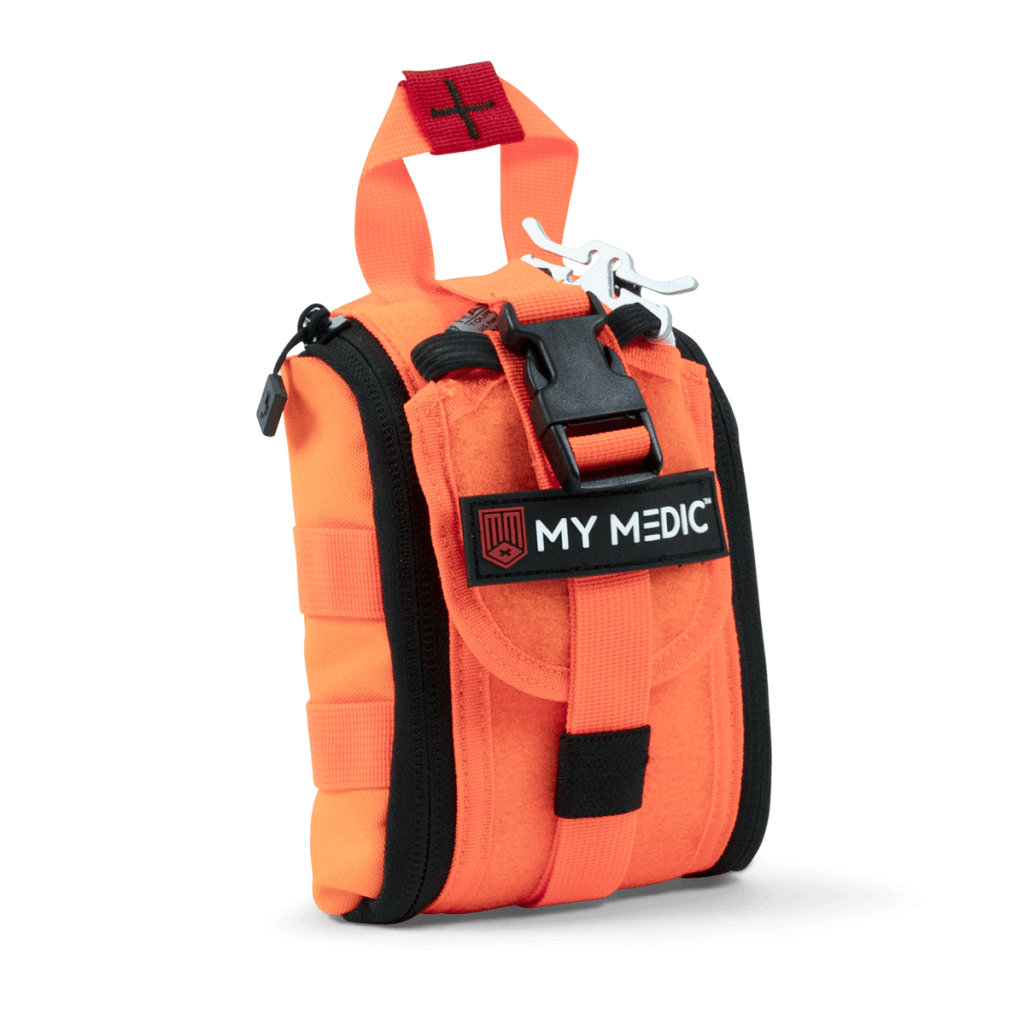
At a gun range, even the most experienced shooters can face unexpected injuries from negligent discharges, hot brass burns, ricochets, or slip-and-fall accidents on concrete floors. Standard off-the-shelf first aid kits are designed for household cuts and scrapes, not the penetrating trauma, severe bleeding, and burns common at shooting ranges. A purpose-built gun range first aid kit bridges that gap, putting life-saving supplies within arm’s reach before emergency services arrive. This 2026-updated guide covers exactly what to pack, how to use your supplies, and how to stay compliant with current range safety regulations — no filler, just actionable, expert-backed guidance.
Why Standard First Aid Kits Fall Short at the Gun Range
Unique Range-Specific Risks
Gun ranges present injury risks that most general first aid kits are not designed to address. The most common life-threatening incidents include severe limb bleeding from negligent discharges or ricochets, sucking chest wounds from high-velocity rounds, deep burns from hot brass or muzzle flash, and eye injuries from ejected casings or debris. In practice, critical range incidents most often involve penetrating trauma or severe bleeding — risks that require specialized supplies like tourniquets, hemostatic gauze, and chest seals, items rarely included in standard consumer kits. A common mistake shooters make is assuming their household first aid kit is sufficient, only to find it lacks the tools to control life-threatening bleeding in the first critical minutes after an injury. For more on this, see our guide on safety first cabinet and drawer latches.
Gaps in Off-the-Shelf First Aid Kits
Most general first aid kits prioritize minor injury care: adhesive bandages, antibiotic ointment, and pain relievers. While useful for small brass burns or superficial cuts, they fall short for severe range incidents. They almost never include tourniquets, hemostatic agents to speed clotting, chest seals for penetrating chest wounds, burn gel for thermal injuries, or nitrile gloves rated for bloodborne pathogen protection. For frequent range visitors or range owners, investing in a range-specific kit or building your own from individual components is a non-negotiable safety step.
 Credit: refugemedical.com
Non-Negotiable Gun Range First Aid Kit Essentials
Basic Trauma Supplies
Start with supplies to address the most common minor to moderate range injuries. Include sterile gauze pads and adhesive bandages in multiple sizes for brass burns, superficial cuts, and abrasions. Add antiseptic wipes and antibiotic ointment to reduce infection risk, plus adhesive medical tape to secure dressings. Trauma shears are critical for quickly cutting through thick clothing to access wounds, and tweezers help remove embedded brass or debris from shallow wounds. A compact instant cold pack reduces swelling from bumps or bruises, while burn gel and sterile burn dressings treat thermal injuries from hot brass or muzzle flash before they worsen.
Advanced Life-Saving Trauma Gear
These supplies are designed for life-threatening emergencies and require proper training to use effectively. A tourniquet (preferred over makeshift alternatives like belts) is the most effective tool for controlling severe limb bleeding, and hemostatic gauze speeds clotting for wounds where a tourniquet can’t be applied. Chest seals treat sucking chest wounds from penetrating injuries, preventing air from entering the chest cavity and causing a collapsed lung. An eye wash solution flushes debris, gunpowder, or chemicals from the eyes, and a thermal blanket treats shock by maintaining core body temperature. Current American Red Cross guidelines recommend all range first aid kits include these advanced supplies, as proper use of tourniquets and hemostatic gauze dramatically reduces the risk of fatal blood loss in the minutes before emergency services arrive.
Medication and Personal Protective Equipment (PPE)
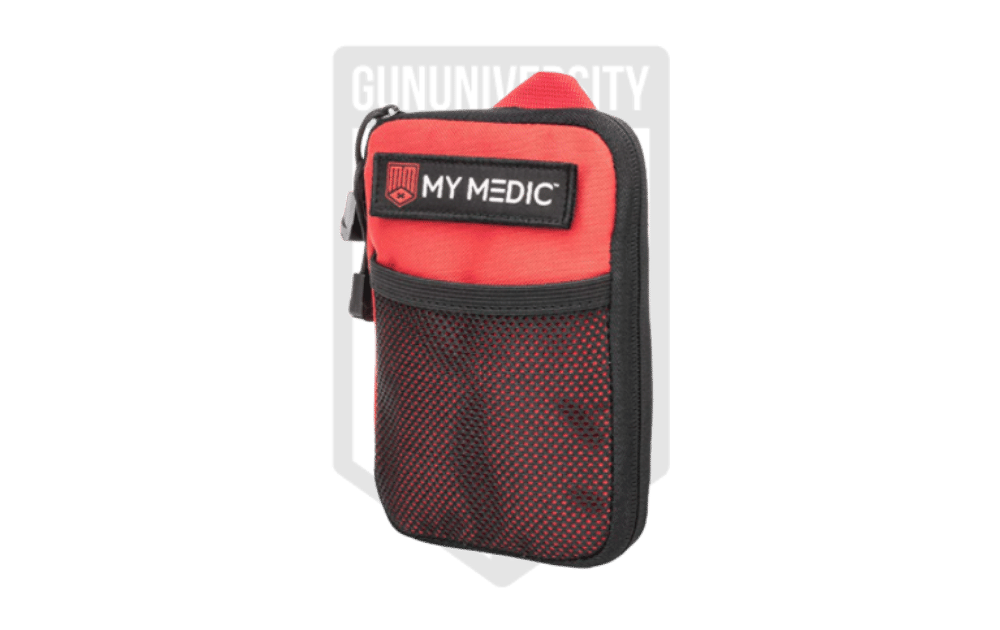
Add over-the-counter pain relievers (ibuprofen, acetaminophen) for minor pain and inflammation, plus antihistamines for allergic reactions to gun cleaning solvents, insect stings, or food brought to the range. All supplies should be stored with nitrile gloves (disposable latex alternatives are less effective against bloodborne pathogens) and a CPR face shield for resuscitation scenarios. For outdoor ranges, add sunscreen and insect bite relief to address environmental hazards.
 Credit: gununiversity.com
How to Use Your Kit for Common Range Emergencies
Treating Minor Burns, Cuts, and Embedded Brass
For small brass burns or superficial cuts, first clean the wound with antiseptic wipes to remove debris and gunpowder residue. Apply a thin layer of antibiotic ointment and cover with a sterile adhesive bandage. For embedded brass, use clean tweezers to gently remove the fragment, then clean the area and apply a bandage. Monitor for signs of infection (redness, swelling, pus) over the next 24 hours, and seek medical care if symptoms worsen. For deeper burns, apply burn gel and a sterile non-stick dressing, and avoid popping any blisters that form.
Responding to Severe Penetrating Trauma and Gunshot Wounds
For severe bleeding, put on nitrile gloves immediately to protect yourself from bloodborne pathogens. Apply firm, direct pressure to the wound with a sterile gauze pad; if blood soaks through, add more pads without removing the original. If bleeding does not slow after 2 minutes of direct pressure, apply a tourniquet 2-3 inches above the wound, tightening it until bleeding stops. Note the time the tourniquet was applied and share it with emergency responders. For chest wounds, apply a chest seal over the entry (and exit, if present) wound to prevent air from entering the chest cavity. Do not elevate the injured limb if a spinal injury is suspected, and never remove objects embedded in the wound. Monitor the injured person for signs of shock (pale skin, rapid breathing, confusion) and keep them calm and still until help arrives.
Performing CPR and Bleeding Control at the Range
Cardiac arrest can occur at the range due to underlying health conditions, extreme heat, or the stress of an injury incident. If a person is unresponsive and not breathing, call emergency services immediately, then start CPR: place your hands in the center of the person’s chest, push hard and fast at a rate of 100-120 compressions per minute (the beat of the song Stayin' Alive is a good reference), and allow the chest to rise fully between compressions. If you are trained, give 2 rescue breaths after every 30 compressions. Continue CPR until emergency services arrive or the person shows signs of life. For severe bleeding not controlled by direct pressure, apply a tourniquet as outlined above, and monitor the injured person for shock while waiting for help.
Managing Environmental Emergencies
Heat stroke and dehydration are common at outdoor ranges, especially in summer. Move the injured person to a cool, shaded area, loosen tight clothing, and apply cool compresses to the neck and wrists. For allergic reactions, administer antihistamines if the person is conscious and able to swallow, and use an epinephrine auto-injector if they carry one for severe allergies. Always call emergency services for any severe reaction or unresponsive person.
Proper Storage and Maintenance for Range Readiness
Choosing the Right Container for Your Kit
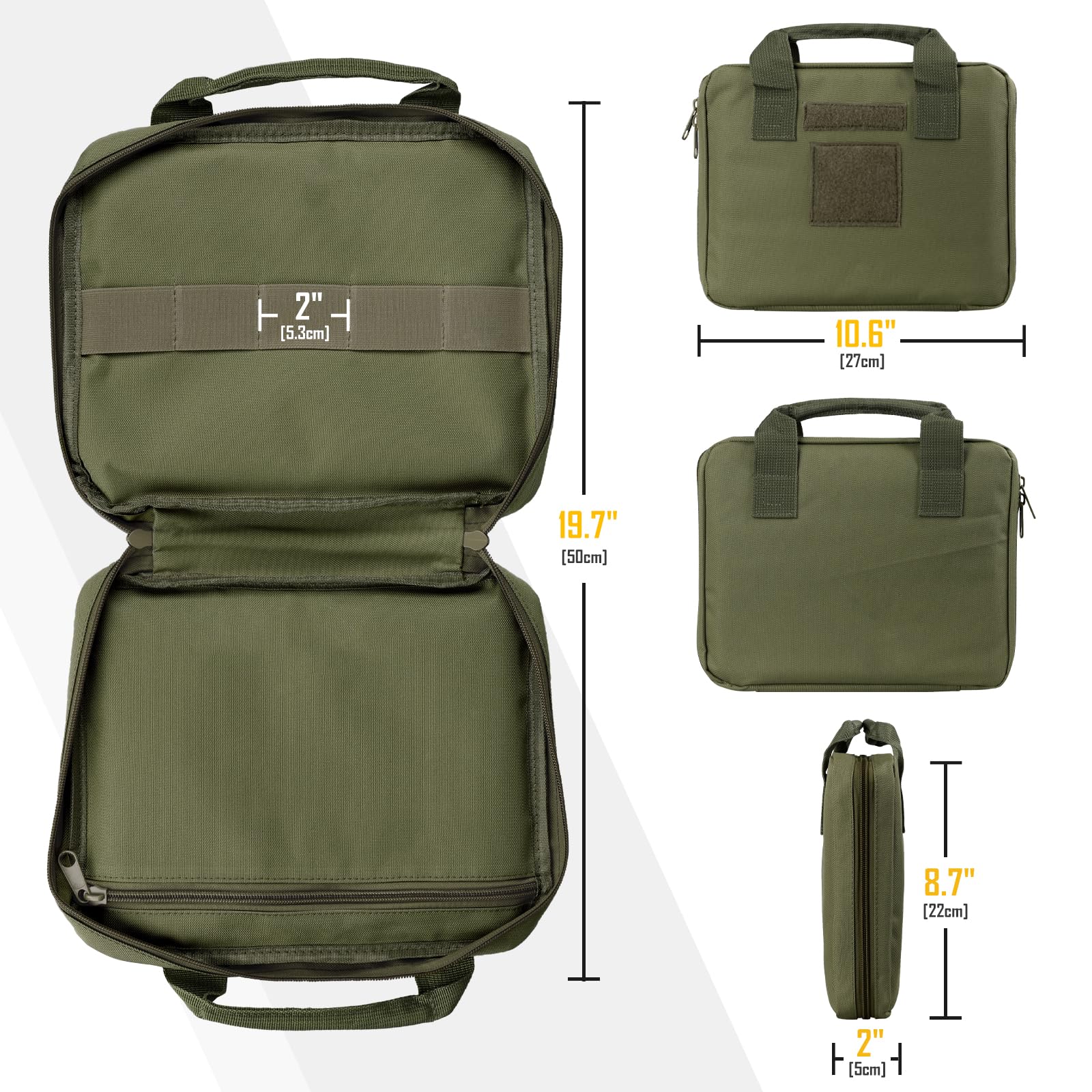
Your first aid kit is only useful if you can access it quickly during an emergency. For personal range bags, a medium-sized airtight container protects supplies from rain, dust, and temperature swings while fitting easily in most gear bags. For added organization, use a multi-compartment organizer inside the main container to separate trauma supplies, basic bandages, medications, and PPE so you can locate items in seconds under stress. Commercial ranges should mount larger kits in heavy-duty durable storage bins within 30 seconds of every shooting lane, per 2026 updated safety guidelines for public recreational firearm facilities. Keep all kits out of direct sunlight and away from extreme temperatures to prevent medication and supply degradation.
Monthly Inspection and Restocking Protocol
Check your kit at least once a month for expired medications, damaged packaging, and used supplies. Replace any expired or depleted items immediately, and restock the kit after every range visit to account for used bandages, gauze, or medications. Keep a printed checklist taped to the inside of the kit lid to streamline inspections, and note the date of your last check on the exterior of the container for quick reference. A common oversight is failing to check tourniquet and hemostatic gauze expiration dates — these products have a shelf life of 3-5 years, even if unopened.
 Credit: www.amazon.com
Training and Legal Requirements for Range First Aid
Essential Certifications for Range Staff and Regular Shooters
Having a fully stocked first aid kit is useless if you don’t know how to use its supplies. The National Shooting Sports Foundation (NSSF) recommends all range staff complete a Stop the Bleed certification and basic first aid/CPR training annually. Frequent shooters should also complete these courses, as the average response time for emergency services to rural ranges is 15-20 minutes — long enough for an uncontrolled bleeding incident to become fatal. Scenario-based drills, where you practice applying tourniquets and chest seals on training mannequins, build muscle memory so you can act quickly under stress without hesitating.
Liability and Regulatory Compliance for 2026
Range owners must comply with state and local occupational safety regulations for first aid supply requirements. As of 2026, most states require public ranges to have at least one trauma-grade first aid kit per 3 shooting lanes, with staff trained in bleeding control on site at all times. Liability insurance policies for ranges almost always require proof of compliant first aid supplies and staff training, so keep records of your kit inspections and staff certifications up to date. If you are an individual shooter, note that most states have Good Samaritan laws that protect people who provide emergency aid in good faith, but you are still responsible for acting within the bounds of your training.
Frequently Asked Questions
What essential items should a gun range first aid kit have?
A compliant 2026 gun range first aid kit includes basic supplies (sterile gauze, bandages, antiseptic wipes, adhesive tape, trauma shears, tweezers, instant cold packs, burn gel), advanced trauma gear (tourniquet, hemostatic gauze, chest seals, eye wash solution, thermal blanket), PPE (nitrile gloves, CPR face shield), and basic medications (pain relievers, antihistamines). Kits for commercial ranges should also include additional tourniquets and burn dressings to accommodate multiple casualties.
How often should I check my gun range first aid kit?
Inspect your kit monthly for expired supplies, damaged packaging, and depleted items. Restock immediately after any use, and conduct a full inventory check before every major range trip or monthly for personal kits, and weekly for commercial ranges. Tourniquets and hemostatic gauze should be replaced every 3-5 years, even if unopened, per manufacturer guidelines.
Can I use a regular first aid kit at the gun range?
A standard household first aid kit may be sufficient for minor cuts and brass burns, but it will lack critical supplies for severe range incidents like tourniquets, chest seals, and hemostatic gauze. For frequent range visitors or range owners, a dedicated range-specific kit is strongly recommended to ensure you are prepared for life-threatening emergencies.
Where is the best place to store a gun range first aid kit?
Store personal kits in a dedicated compartment of your range bag, easily accessible without unpacking other gear. For commercial ranges, mount kits in clearly marked, unlocked cabinets within 30 seconds of every shooting lane and the range office. Never store kits in car trunks or locked containers where they are inaccessible during an emergency.
Final Thoughts on Range Safety and Preparedness
Accidents at the gun range are rare, but when they happen, having the right supplies and training can mean the difference between a minor injury and a life-altering outcome. A purpose-built gun range first aid kit, combined with basic first aid training, is one of the most impactful safety investments you can make for yourself and your fellow shooters. As of 2026, regulatory requirements for range first aid supplies are tighter than ever, making preparedness not just a safety choice, but a legal one for range owners. Take 30 minutes this month to inspect your kit, sign up for a Stop the Bleed course, and make sure you’re ready to act if the unthinkable happens. For more guides on gun safety, range etiquette, and emergency preparedness, browse our additional range safety resources to stay informed for every visit.

I’m Abby Lu, a passionate home cook who loves simplifying everyday meals. At PlugChef.com, I share product reviews and cooking guides to help you find the best tools for your kitchen.
Related posts:
 Good Sparkling Wine for Mimosas: Top Picks for Perfect Brunches
 The Kitchenista Mac And Cheese: Irresistible, Creamy Comfort Food
 How to Keep Potatoes Fresh: Expert Tips for Long-Lasting Spuds
 Garlic Bread Recipe With Mayonnaise: Easy, Crispy & Delicious!
 Creamy Asparagus And Shrimp Pasta: Irresistible Dinner Delight
 Grilling Red Snapper in Foil: Easy, Juicy, and Flavor-Packed Recipe

