
When someone in your home feels unwell, every second counts. Do you have the right tools to quickly check their condition?
A thermometer in your first aid kit is one of the simplest yet most powerful devices you can keep on hand. It helps you spot a fever early, guiding you to make smart decisions about care or when to seek help.
If you want to be ready for any health hiccup, understanding why a thermometer belongs in your first aid kit is essential. Keep reading to discover how this small tool can make a big difference for you and your loved ones.
Credit: brandclub.com
Importance Of Thermometers In First Aid Kits
Having a thermometer in your first aid kit is more than just a convenience—it’s a crucial tool for assessing health quickly and accurately. It helps you make informed decisions about when to seek medical help or manage symptoms at home. Without it, you might miss early signs of illness or heat-related issues that need immediate attention.
Monitoring Fever And Illness
Tracking body temperature is one of the simplest ways to gauge if someone is getting sick. A thermometer gives you a clear number instead of guessing if someone feels “hot” or “cold.”
Knowing the exact temperature helps you decide whether to give medicine, hydrate more, or call a doctor. For example, if a child’s temperature rises above 102°F (38.9°C), it’s a signal to act quickly.
Have you ever noticed how tricky it is to tell if a fever is serious just by touch? A thermometer removes that uncertainty, saving time and reducing worry.
Preventing Heat-related Conditions
Heat exhaustion and heat stroke can develop rapidly, especially during outdoor activities or hot weather. A thermometer helps detect abnormal body temperature early, which is key to preventing severe complications.
If you or someone with you feels dizzy or weak, checking the temperature can confirm if overheating is the cause. This lets you take immediate steps like moving to shade, hydrating, or cooling down.
Think about your last time outside on a hot day—did you check how your body was handling the heat? A thermometer in your first aid kit is a simple way to stay ahead of dangerous heat-related conditions.
Types Of Thermometers
Thermometers are essential tools in any first aid kit. They help check body temperature quickly and accurately. Various types of thermometers exist, each with unique features and uses. Choosing the right thermometer ensures better care during emergencies.
Digital Thermometers
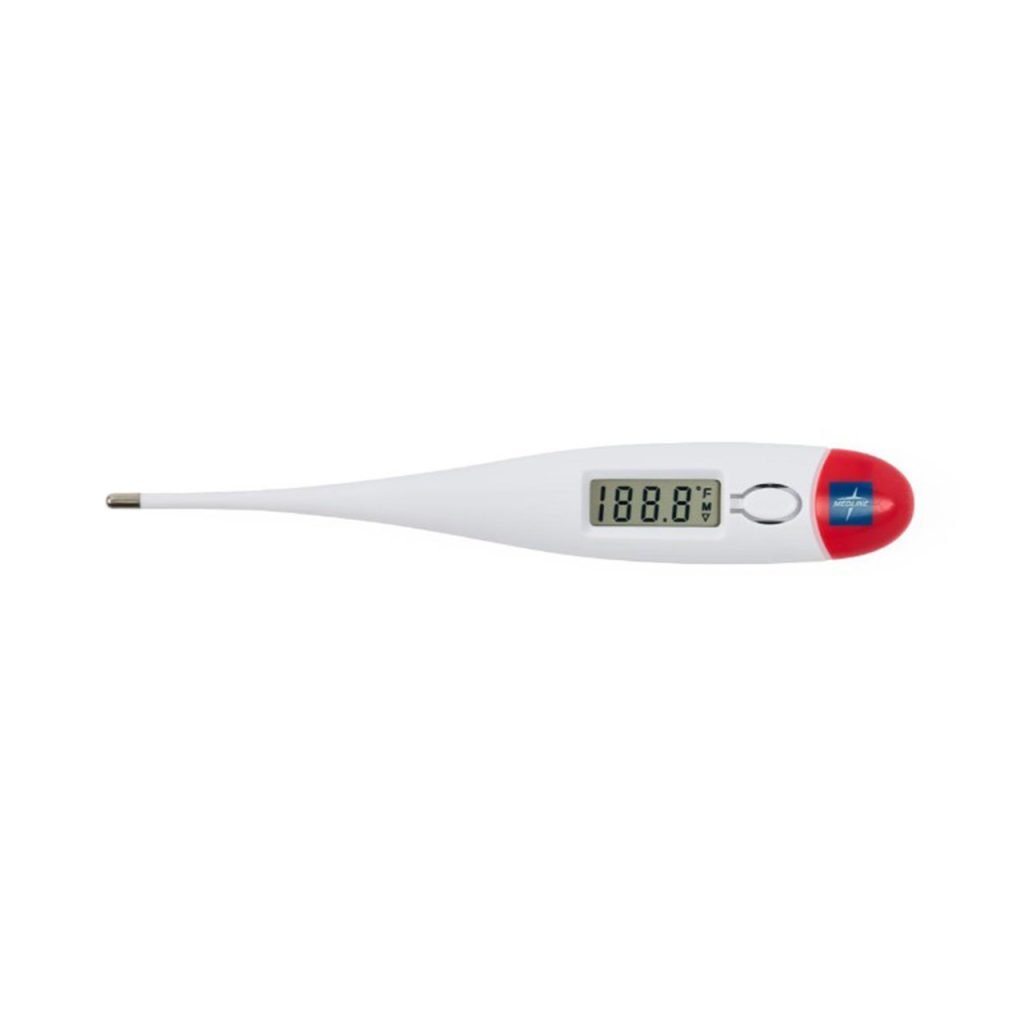
Digital thermometers use electronic sensors to measure temperature. They provide fast and clear readings on a digital display. These thermometers are easy to use and clean. They work well for oral, underarm, or rectal temperature checks. Batteries power digital thermometers, making them portable and reliable.
Infrared Thermometers
Infrared thermometers measure temperature without touching the skin. They detect heat emitted by the body and convert it into a temperature reading. These thermometers offer quick and hygienic checks. They are ideal for use on the forehead or ear. Infrared thermometers are perfect for multiple users and reduce infection risk.
Glass Thermometers
Glass thermometers contain a liquid that rises to show temperature. Traditionally, mercury was used, but now safer liquids like alcohol are common. These thermometers need careful handling to avoid breakage. They take longer to show temperature compared to digital types. Glass thermometers are still found in some first aid kits for their accuracy.
How To Use A Thermometer Effectively
Using a thermometer correctly can make a big difference in managing health emergencies. It’s not just about sticking it somewhere and waiting. Knowing where and how to place the thermometer ensures you get an accurate reading, which helps you make the right decisions quickly.
Proper Placement
Choose the right spot to measure temperature based on the type of thermometer you have. Oral thermometers go under the tongue, while digital ear thermometers need to be placed gently inside the ear canal. For infants or those who can’t hold a thermometer, axillary (underarm) placement is a safe alternative.
Keep the thermometer steady and avoid talking or moving during the reading. If you’re using a mercury thermometer, be careful not to bite down or place it near hot or cold foods before measuring. The right placement minimizes errors and gives you a true picture of the body temperature.
Reading And Interpreting Results
Once you get the reading, check the temperature against normal ranges. An oral temperature above 100.4°F (38°C) usually indicates a fever. But remember, individual “normal” temperatures can vary, so consider how the person usually feels.
Don’t rush to conclusions based on one reading alone. Take multiple measurements if needed and compare them over time. If a fever persists or goes very high, it’s a signal to seek medical help rather than just rely on the number.
Have you noticed how sometimes a slightly elevated reading might not mean much, but a sudden spike changes everything? That’s why understanding the context behind the numbers is key. Your thermometer is a tool—your judgment makes it effective.

Credit: www.amazon.com
Choosing The Right Thermometer
Choosing the right thermometer for a first aid kit is crucial. It helps monitor body temperature accurately during illness or injury. The right choice ensures quick and reliable readings. This can aid in making timely decisions about medical care. Two key factors to consider are accuracy and speed, along with ease of use.
Accuracy And Speed
Accuracy is essential for correct diagnosis. A thermometer must give precise readings to avoid confusion. Speed also matters, especially in emergencies. Fast results allow quick action and reduce stress. Digital thermometers often provide both accuracy and speed. They are designed to give reliable results in seconds.
Ease Of Use
Ease of use is important for everyone, including children and elderly. A simple design with clear instructions helps users. Look for features like a clear display and easy-to-press buttons. Some thermometers offer flexible options for oral, ear, or forehead use. This makes them adaptable to different situations and preferences.
Maintaining Thermometer Hygiene
Keeping your thermometer clean and hygienic is crucial for accurate readings and preventing the spread of germs. A dirty thermometer can mislead you during a health emergency or even cause infections. By paying attention to how you clean and store your thermometer, you ensure it remains safe and reliable whenever you need it.
Cleaning Procedures
After each use, wipe the thermometer with an alcohol-based disinfectant or a cotton ball soaked in isopropyl alcohol. Avoid using harsh chemicals that can damage the device’s sensitive components.
Let the thermometer air dry completely before storing it away. This small pause helps prevent moisture buildup, which can harbor bacteria.
Have you ever skipped cleaning your thermometer and noticed inconsistent readings? That’s your body’s way of telling you to be more careful.
Storage Tips
Store your thermometer in a protective case to shield it from dust and accidental damage. Keep it in a cool, dry place away from direct sunlight.
Never toss your thermometer loosely into your first aid kit. Instead, dedicate a specific compartment or pouch to avoid scratches or breakage.
Think about where you store your thermometer now. Could a small change make it last longer and stay cleaner?
Thermometer In Emergency Situations
Having a thermometer in your first aid kit can make a significant difference during emergencies. It gives you a quick and accurate way to check someone’s temperature, which is often a key sign of infection or illness. Knowing the exact temperature helps you act faster and smarter when every second counts.
Rapid Temperature Assessment
In an emergency, you don’t have time to guess if someone has a fever. A thermometer provides an immediate reading, allowing you to assess the severity of the situation quickly. This can be especially critical if the person is unconscious or unable to communicate how they feel.
Imagine you’re with a child who suddenly feels hot and weak. Using a thermometer right away tells you if their temperature is dangerously high or just slightly elevated. This simple step can guide your next move, whether it’s cooling them down or seeking urgent medical help.
Decision Making In Critical Moments
Deciding what to do next during an emergency often depends on accurate information. A thermometer can influence whether you call an ambulance, administer fever-reducing medication, or monitor the person closely at home. This clarity can prevent unnecessary panic or delays in care.
Have you ever hesitated to call for help because you weren’t sure how serious a fever was? A thermometer removes that uncertainty. It empowers you to make confident, informed decisions that could save a life.
Benefits Of Having A Thermometer In First Aid Kits
Having a thermometer in your first aid kit offers more than just a way to check temperature. It provides a quick, reliable tool to spot early signs of illness before symptoms worsen. This small device can make a big difference in how you manage health emergencies at home or on the go.
Early Detection Of Health Issues
A thermometer helps you catch fevers promptly, which often signal infections or other health problems. By measuring body temperature accurately, you can decide if medical attention is needed right away. This early detection can prevent complications and speed up recovery.
Imagine noticing a slight temperature rise in a child or elderly relative. Without a thermometer, you might miss this early clue and delay treatment. Having this tool ready means you’re prepared to act fast and protect your loved ones.
Peace Of Mind For Caregivers
As a caregiver, knowing you can quickly check someone’s temperature eases stress and uncertainty. You don’t have to guess how serious a situation is or wait for other symptoms to develop. This confidence helps you stay calm and make better decisions.
Whether you’re caring for kids, elderly family members, or even yourself, a thermometer offers reassurance. It empowers you to track health changes closely and respond appropriately, giving you peace of mind when it matters most.

Credit: www.instagram.com
Frequently Asked Questions
Why Include A Thermometer In A First Aid Kit?
A thermometer helps accurately measure body temperature during illness or injury. It aids quick fever detection, guiding timely care. Including one ensures readiness for health emergencies and improves first aid effectiveness.
What Type Of Thermometer Is Best For First Aid Kits?
Digital thermometers are best due to accuracy, speed, and ease of use. They provide quick, reliable readings and are safe for all ages. Avoid glass mercury thermometers as they pose breakage risks.
How Often Should You Check The Thermometer In Your Kit?
Check your thermometer every 6 to 12 months for accuracy and battery life. Replace batteries or the device if it malfunctions. Regular checks ensure it works properly during emergencies.
Can A Thermometer Help Diagnose Serious Health Conditions?
Yes, a thermometer helps detect fever, a key sign of infections or illness. Timely temperature checks assist in deciding if medical attention is needed, enhancing early diagnosis.
Conclusion
A thermometer is a key tool in any first aid kit. It helps check body temperature quickly and easily. Knowing the temperature guides you to act fast and correctly. Keeping one ready can make a big difference in emergencies. Simple to use, it gives clear information when you need it most.
Always keep your thermometer clean and stored safely. This small tool supports better care for you and your family. Don’t overlook its importance in your first aid supplies.

I’m Abby Lu, a passionate home cook who loves simplifying everyday meals. At PlugChef.com, I share product reviews and cooking guides to help you find the best tools for your kitchen.
Related posts:
 What Type of Cooking Utensils are Safe: Expert Picks
 What Innovations Could Blenders Make: Unleashing Future Tech
 Smart Strategies to Organize a Small Kitchen: Maximize Space
 How to Organize a Kitchen Cabinet: Expert Tips & Tricks
 How to Organize Kitchen Drawers: Expert Tips and Tricks
 How to Organize a Corner Kitchen Cupboard: Expert Tips

