
Are you tired of greasy kitchen counters that seem to resist even the strongest chemical cleaners? You’re not alone — millions of home cooks deal with stubborn oil buildup that not only looks unappealing but can also attract pests, damage countertop surfaces over time, and leave behind toxic residues that put your family’s health at risk. The good news? You don’t need harsh, synthetic products to restore your counters to their former shine. This guide shares tested, organic methods to banish grease safely, paired with small kitchen organization tips to keep your space functional and spotless long-term. We’ll cover proven natural cleaning agents, eco-friendly tools, step-by-step methods tailored to every common countertop material, and simple maintenance habits to prevent grease from building up in the first place.
Why Choose Organic Grease Removal for Your Kitchen?
Conventional degreasers often contain volatile organic compounds (VOCs), ammonia, and phthalates that can cause skin irritation, respiratory issues, and long-term health risks with repeated exposure, especially for children and pets. When washed down the drain, these harsh chemicals also pollute waterways and harm aquatic ecosystems. Organic grease removal methods use non-toxic, biodegradable ingredients that are safe for food contact surfaces, don’t release harmful fumes, and cost a fraction of store-bought specialty cleaners. For households with respiratory sensitivities, allergies, or a focus on low-waste living, these methods are a simple, effective swap that delivers the same results as chemical products when used correctly.
Top Organic Cleaning Agents for Kitchen Grease (And How to Use Them)
Natural cleaning agents work by breaking down the molecular bonds in oil, absorbing grease, or providing gentle abrasion to lift stuck-on residue without damaging surfaces. For a list of vetted, non-toxic cleaning ingredients that meet U.S. environmental safety standards, refer to the U.S. Environmental Protection Agency’s Safer Choice program.
Baking Soda: The Mild Abrasive Powerhouse
Baking soda’s alkaline formula absorbs grease effectively, while its fine, gentle grit lifts stuck-on residue without scratching most sealed surfaces. To use, mix 3 parts baking soda with 1 part warm water into a thick paste, apply it to greasy areas, and let it sit for 15 to 20 minutes to break down oil. Scrub gently with a soft sponge and wipe clean with a damp cloth. This method is ideal for set-in, sticky oil stains around stove edges and backsplashes. A common mistake is using baking soda on unsealed marble, limestone, or travertine, as its mild abrasiveness can etch these soft stone surfaces over time. It’s amazing how a simple pantry staple can transform your full kitchen organization routine and leave surfaces sparkling without harsh chemicals.
White Vinegar: The Acidic Degreaser & Disinfectant
White vinegar’s 5% acetic acid content breaks down neutral grease bonds and kills common kitchen bacteria like E. coli and Salmonella, making it a two-in-one cleaner and disinfectant. Mix equal parts white vinegar and distilled water in a spray bottle, spritz the solution onto greasy spots, and let it sit for 5 to 10 minutes to break down oil before wiping with a microfiber cloth. This method works well for daily wipe-downs of sealed laminate, quartz, and stainless steel surfaces. Never use undiluted vinegar or let it sit for extended periods on natural stone (granite, marble, soapstone), as the acid will erode the surface’s sealant and cause permanent dulling or etching. Not only does it remove oil, but it also leaves your counter disinfected, making it a staple in most effective kitchen cleaning routines.
Fresh Lemon Juice: The Grease-Cutting, Deodorizing Hero
Fresh lemon juice has a higher citric acid concentration than bottled varieties, making it far more effective at breaking down heavy grease and neutralizing stubborn food odors like fried fish or garlic. For light surface grease, squeeze fresh juice directly onto the area, let it sit for 2 to 3 minutes, and wipe clean with a damp cloth. For tough baked-on grease, mix lemon juice with 1 teaspoon of baking soda for a fizzing reaction that lifts stuck-on residue without scrubbing. This combination is especially effective on wooden surfaces like bamboo cutting boards, as outlined in our guide to properly oiling bamboo kitchenware. Like vinegar, avoid using lemon juice on natural stone surfaces to prevent etching.
Castile Soap: The Gentle, All-Surface Degreaser
Plant-based, biodegradable castile soap cuts through heavy grease without harsh additives, making it safe for all sealed countertop materials, including natural stone. Mix 1 teaspoon of liquid castile soap with 2 cups of warm water in a spray bottle, spritz onto greasy surfaces, and wipe clean with a reusable cloth. It leaves no sticky residue, making it perfect for daily post-cooking wipe-downs. Because it’s free of synthetic additives, castile soap is a safe option for households with kids and pets, and pairs well with safe cooking utensils for food prep to keep your entire kitchen non-toxic.
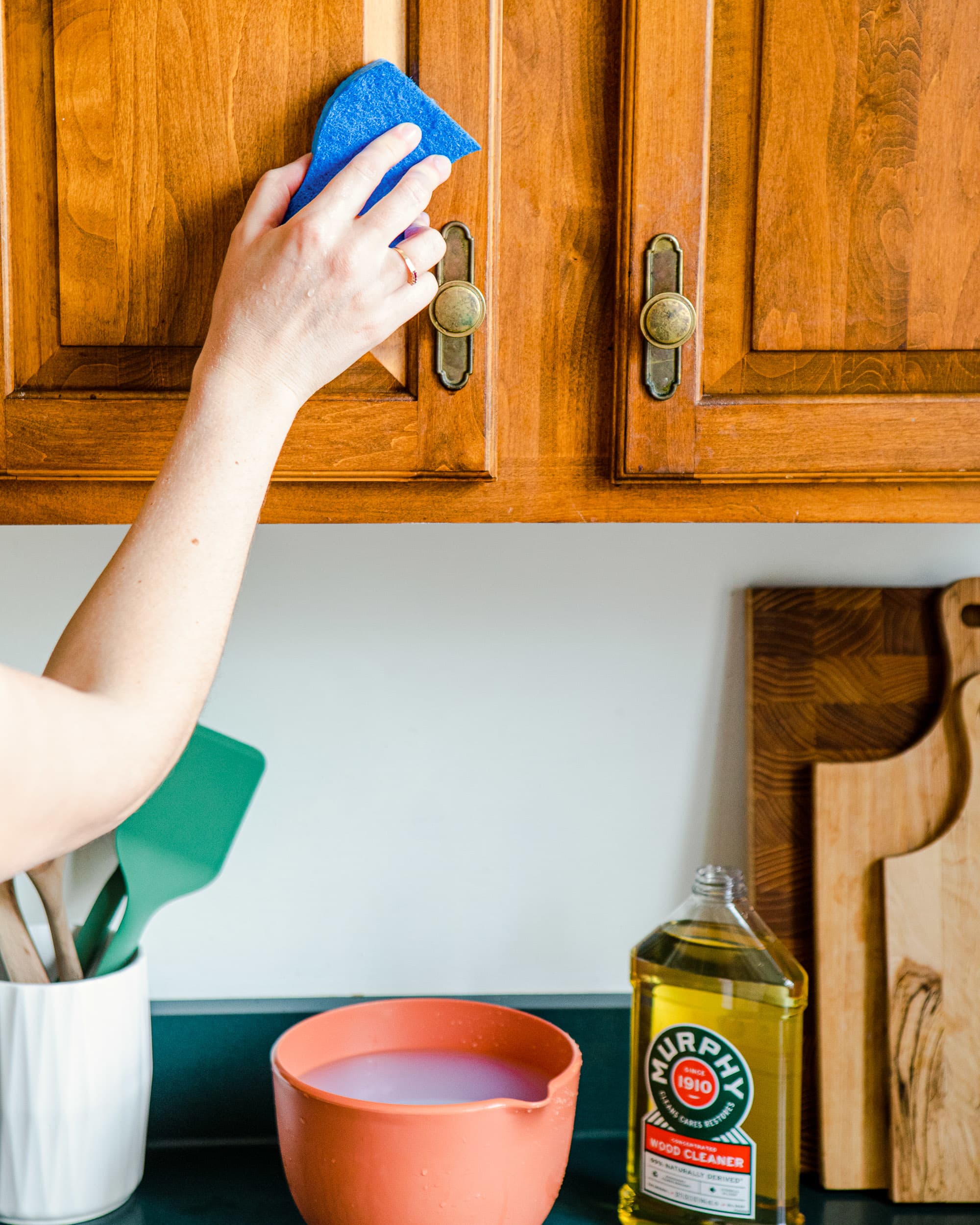 Grease buildup on cabinet doors near cooking zones is common, and responds well to natural degreasers with proper dwell time.
Credit: www.thekitchn.com
Grease buildup on cabinet doors near cooking zones is common, and responds well to natural degreasers with proper dwell time.
Credit: www.thekitchn.com
Eco-Friendly Tools That Protect Your Counters & The Planet
The tools you use to clean your counters are just as important as the cleaners themselves. Eco-friendly options avoid single-use plastic waste, reduce microplastic shedding, and are designed to be gentle on delicate countertop surfaces.
Reusable Organic Cotton or Bamboo Cleaning Cloths
Replace disposable paper towels with reusable cloths made from organic cotton or bamboo: each cloth lasts 200+ washes, absorbs twice its weight in grease, and leaves no lint behind. Use soft-weave cloths for daily wiping and tighter-weave cloths for light scrubbing. Avoid rough, frayed cloths on stone surfaces to prevent micro-scratches. Over a year, switching to reusable cloths can keep hundreds of pounds of paper towel waste out of landfills.
Compostable Cellulose Sponges
Standard plastic sponges take 200+ years to decompose in landfills, but cellulose sponges made from plant-based wood pulp break down in 4 to 6 weeks in a home compost bin. Use the soft side for gentle daily wiping and the light abrasive side for stuck-on grease. Avoid the abrasive side on sealed stone surfaces to prevent micro-scratches that can dull the finish over time.
FSC-Certified Wood Scrubbing Brushes with Plant Fiber Bristles
For tough grease buildup around stove edges, backsplashes, and sink rims, opt for brushes with FSC-certified wooden handles and bristles made from coconut coir or sisal. These brushes are fully compostable, shed no plastic microplastics during use, and last 2 to 3 times longer than plastic alternatives. For a visual walkthrough of how to scrub stuck-on grease without scratching your countertop, check out this short demo video. Store all your homemade cleaners and eco-friendly tools in dedicated drawer storage for cleaning supplies to keep them out of reach of children and pets while staying organized.
Step-by-Step Degreasing for Every Countertop Material
A common mistake homeowners make is using a one-size-fits-all cleaner across all countertops — acidic cleaners like vinegar and lemon can permanently etch natural stone, while abrasive pastes can scratch laminate and quartz. Always test any new cleaner on a small, hidden spot (like the corner behind the sink) before applying it to the full surface. Use the table below to match the right organic method to your countertop type:
| Countertop Material | Recommended Organic Method | What to Avoid |
|---|---|---|
| Sealed Laminate | 1:1 vinegar-water spray, let sit 5 mins, wipe with microfiber cloth | Abrasive scrubbers, undiluted vinegar |
| Granite/Marble/Soapstone (sealed) | Castile soap + warm water, baking soda paste for stains | Vinegar, lemon juice, abrasive cleaners (can etch sealant) |
| Butcher Block (wood) | Lemon juice + coarse salt paste for grease, wipe immediately, follow with food-safe mineral oil | Excess water, undiluted vinegar (can warp wood) |
| Quartz | Castile soap solution, baking soda paste for set-in stains | Abrasive scrubbers, acidic cleaners (can degrade resin) |
| Concrete (sealed) | Baking soda paste, let sit 10 mins, scrub with soft brush | Vinegar, acidic cleaners (can break down sealant) |
DIY Custom Organic Cleaning Solutions for Every Grease Level
Pre-mixing custom solutions lets you tackle everything from daily surface grease to baked-on, set-in stains without measuring ingredients every time.
All-Purpose Daily Degreaser Spray
Mix 1 cup distilled water, 1 cup white vinegar, 1 teaspoon liquid castile soap, and 10 drops of optional tea tree essential oil (for extra antibacterial power) in a spray bottle. Shake well before each use. Spray onto countertops after cooking, let sit for 2 minutes, and wipe with a microfiber cloth. This solution is safe for all sealed non-stone countertops and works for 90% of daily grease buildup.
Heavy-Duty Stuck-On Grease Paste
Mix 3 parts baking soda, 1 part warm water, and 1 teaspoon fresh lemon juice into a thick, spreadable paste. Apply to baked-on grease from frying, around stove burners, or backsplash edges, let sit for 20 to 30 minutes (cover with plastic wrap to prevent the paste from drying out), scrub with a plant-fiber brush, and wipe clean. This works on all sealed countertop materials except unsealed natural stone.
Butcher Block Wood Conditioner & Degreaser
Mix 1/2 cup food-safe mineral oil, 1/4 cup melted beeswax, and 1 teaspoon fresh lemon juice in a small bowl. Apply to wood countertops with a soft cloth, let sit for 10 minutes, and buff off with a clean cloth. This solution cuts through light grease while conditioning the wood to prevent warping and oil absorption. Avoid using it on sealed wood surfaces. For tough grease on small kitchen appliances like toasters or coffee makers, pair these solutions with non-toxic cleaners for small appliances to keep all your kitchen surfaces spotless without harsh chemicals.
Routine Maintenance to Prevent Grease Buildup Long-Term
Consistent small habits are far more effective than occasional deep cleans when it comes to keeping grease at bay.
Daily 2-Minute Post-Cooking Wipe-Down
After every cooking session, wipe counters with a damp reusable cloth and a drop of castile soap. Don’t wait for visible grease to appear — microscopic oil residue builds up even when surfaces look clean, leading to sticky surfaces, tough stains, and pest attraction. A common error is rubbing grease spills instead of blotting, which pushes the oil deeper into porous surfaces like butcher block.
Weekly Deep Clean
Once a week, use the degreaser matched to your countertop material, focus on high-grease zones (around the stove, sink, and prep areas), scrub gently, rinse with clean water, and dry thoroughly with a microfiber cloth to prevent water spots. For porous surfaces like butcher block, apply a fresh coat of food-safe sealant every 6 months to stop oil from soaking into the wood.
Proactive Stain Prevention
Place trivets under hot oil pans to prevent heat damage and grease spills, use durable cutting boards for all food prep to contain oil spills, and use appliance sliders for heavy cookware to move heavy pots and pans without scratching the counter surface. For extra protection, place absorbent silicone mats under high-mess prep areas to catch spills before they soak in.
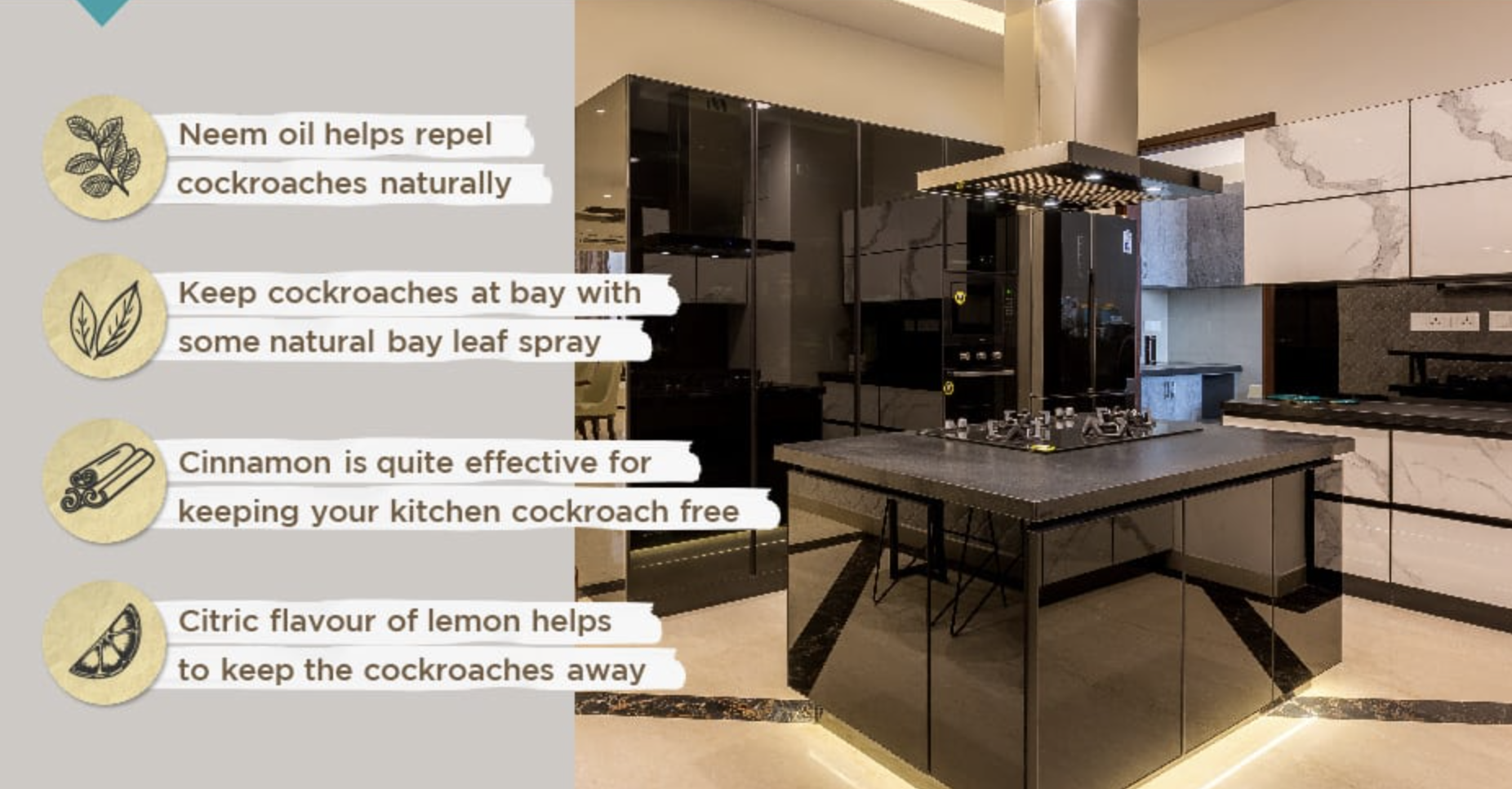 Excess oil residue on counters and floors attracts pests like cockroaches, making regular degreasing a key part of pest control.
Credit: uskitchencabinet.com
Excess oil residue on counters and floors attracts pests like cockroaches, making regular degreasing a key part of pest control.
Credit: uskitchencabinet.com
The Benefits of Switching to Organic Grease Removal
Health & Safety Perks
Conventional degreasers often contain VOCs, ammonia, and phthalates, which can cause skin irritation, respiratory issues, and long-term health risks with repeated exposure, especially for children and pets. All organic methods in this guide use food-safe ingredients, so you don’t need to rinse the surface excessively after cleaning, saving time and water. For people with asthma or allergies, eliminating harsh chemical cleaners can significantly reduce indoor air irritants. Switching to organic cleaners creates a safer cooking environment for your whole family, and pairing these methods with non-toxic kitchen tools further improves indoor air quality and supports a healthier, low-toxin home.
Environmental & Cost Savings
Most organic cleaning ingredients are affordable pantry staples: a 1-pound box of baking soda costs less than $1 and makes dozens of cleaning batches, compared to a $5 bottle of conventional degreaser that only lasts 2 to 3 uses. Biodegradable ingredients don’t release toxic chemicals into waterways, and reusable cleaning tools reduce single-use plastic waste by hundreds of pounds per household per year. When paired with energy-efficient, low-waste kitchen tools, you can cut your kitchen’s overall environmental impact drastically.
Frequently Asked Questions
Can organic cleaners remove old, set-in oil stains on countertops?
Yes, but set-in stains require longer dwell time. For sealed countertops, apply baking soda paste to the stain, cover with plastic wrap to keep it moist, and let sit for 2 to 4 hours (overnight for very stubborn stains). Scrub gently and wipe clean. For unsealed porous surfaces like butcher block, you may need to sand the top layer lightly to remove deeply absorbed oil, then re-seal the surface to prevent future stains.
Are organic cleaning methods safe for food prep surfaces?
Yes, all ingredients in this guide are food-grade. After cleaning, wipe the surface with a clean damp cloth to remove any residual cleaner, and you can immediately prep food on the surface. If using essential oils, test for skin allergies first, as residual oil can cause reactions for sensitive individuals.
Will vinegar damage my countertops?
Diluted 1:1 with water, vinegar is safe for sealed laminate, quartz, and stainless steel backsplashes. Undiluted vinegar or prolonged exposure can erode the sealant on natural stone (granite, marble, soapstone) and damage wood surfaces. Always test any new cleaner on a small, hidden area first.
How do I get rid of greasy residue without scrubbing hard?
For light surface grease, the all-purpose castile soap spray works without scrubbing — just spray, let sit 2 minutes, and wipe with a microfiber cloth. For heavier grease, let the cleaner dwell for 10 to 15 minutes to fully break down the oil before wiping, which eliminates the need for harsh scrubbing that can scratch surfaces.
Conclusion
Banishing grease from your kitchen counters organically is easier than you think, and comes with far more benefits than relying on harsh chemical degreasers. By matching your cleaning method to your countertop material, using simple pantry staples, and implementing quick daily maintenance habits, you can keep your surfaces sparkling, safe for food prep, and free of toxic residues for years to come. Organic cleaning also cuts down on single-use plastic waste, saves you money on specialty cleaners, and creates a healthier home for your family and pets. Start implementing these tips today to enjoy a cleaner, chemical-free kitchen that’s safe for your family and the planet. If you’re looking to reduce waste and streamline your kitchen routine, explore our guide to streamlined under-sink storage to keep all your natural cleaning supplies organized and out of sight.

I’m Abby Lu, a passionate home cook who loves simplifying everyday meals. At PlugChef.com, I share product reviews and cooking guides to help you find the best tools for your kitchen.
Related posts:
 Eco-Friendly Kitchen Ideas to Reduce Waste and Save Energy
 Best Eco-Friendly Kitchen Cookware for Healthy Cooking
 How to Cut PCB Circuit Board: Easy Steps for Precise Results
 How to Cut Triangle Cheese for Charcuterie Board: Expert Tips
 How Do You Make a Butcher Block Cutting Board: Easy DIY Guide
 Top 10 Best Non-Toxic Cooking Utensils – Safe & Durable Choices for Healthy Homes

