
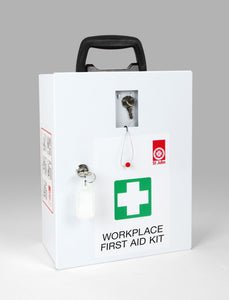
When a minor cut, burn, or sprain occurs, every second between injury and treatment impacts recovery outcomes. Most homes and offices store first aid supplies in cluttered kitchen drawers, desk bags, or locked cabinets, leading to wasted time searching for bandages or antiseptics during high-stress moments. Wall mounted first aid kits solve this problem by keeping critical supplies visible, organized, and within arm’s reach of anyone who needs them. Designed for universal accessibility, these kits work for every space from small apartments to busy industrial worksites, reducing injury severity and supporting compliance with local safety regulations. In this guide, we’ll break down how to choose, install, and maintain a wall mounted first aid kit tailored to your unique needs, so you’re prepared for any unexpected accident.
Why Wall Mounted First Aid Kits Outperform Stored Alternatives
First aid kits are far more than decorative boxes filled with medical supplies—they are critical tools that reduce recovery time and prevent minor injuries from escalating into serious health issues. Unlike portable kits that get misplaced or drawer-stored supplies that get buried under household items, wall mounted kits are fixed in a consistent, easy-to-find location. In practice, the average person spends 30 or more seconds rummaging through a cluttered space for first aid supplies during an emergency, a delay that can increase bleeding, infection risk, or pain for otherwise treatable injuries.
Wall mounted options also reduce supply waste, as all items are stored in one protected, visible space where they’re less likely to be lost, damaged, or forgotten. For workplaces, these kits also simplify compliance with safety regulations, as their fixed placement makes it easy for auditors to verify they’re accessible to all employees. The consistent visibility of a wall mounted kit also empowers more people to act during an emergency, rather than hesitating to search for supplies they can’t immediately locate. Key benefits of choosing a wall mounted model include:
- 50% faster response time for minor injuries compared to unorganized supply storage
- Reduced risk of expired or damaged supplies going unnoticed
- Simplified compliance with workplace and public space safety rules
- Universal accessibility for all users, including children and people with mobility limitations
Key Standards and Compliance Requirements for First Aid Kits
Before selecting a wall mounted first aid kit, it’s important to understand the regulatory standards that apply to your space, to ensure your kit meets legal requirements and contains appropriate supplies for your risk profile. In the U.S., the ANSI/ISEA Z308.1 standard sets the minimum supply requirements for first aid kits across residential, commercial, and industrial use cases, with periodic updates reflecting current medical best practices. For workplace settings, the Occupational Safety and Health Administration (OSHA) mandates that first aid kits be easily accessible to all employees within 3 minutes of any work area, a requirement that wall mounted placement naturally supports when installed correctly. You can review full OSHA first aid requirements for your industry via their official first aid guidance OSHA first aid standards. For a full checklist of recommended first aid supplies by use case, the American Red Cross provides free, evidence-based guidance for kit assembly Red Cross first aid resources.
Workplace Compliance Rules
Workplace first aid requirements vary based on your industry’s risk level. Low-risk offices (e.g., administrative spaces) only require basic ANSI-compliant kits with supplies for minor cuts, scrapes, and burns. High-risk industries like construction, manufacturing, or food service require advanced kits with additional trauma dressings, burn gel, eye wash solution, and CPR masks. Many states also require kits to be inspected quarterly by a certified safety officer, with records kept on file for regulatory audits. Small business owners can pair first aid kit compliance with other laceration prevention measures, like ensuring properly sharpened kitchen cutlery in food service spaces to reduce cut risks.
Public Space and School Requirements
Public spaces like schools, retail stores, and community centers must follow additional accessibility rules under the Americans with Disabilities Act (ADA). Kits must be mounted at a height accessible to wheelchair users and people with limited mobility, with clear, high-contrast labeling that’s easy to read for people with visual impairments. Many schools also require kits to include child-sized supplies, epinephrine auto-injectors for allergy emergencies, and emergency contact lists for local poison control and pediatric care providers.
Home Use Best Practices
While residential first aid kits are not subject to the same regulatory requirements as workplace kits, following ANSI guidelines ensures you have appropriate supplies for common household injuries. For homes with young children or elderly residents, add child-safe pain relievers, extra bandages for fragile skin, and a list of personal emergency contacts and prescription medications. If you have a home workshop or pool, include additional supplies for burns, sprains, and water-related injuries.
Use Case-Specific Kit Customization
Not all wall mounted first aid kits are created equal—selecting a kit tailored to your space’s unique risks ensures you have the right supplies without wasting space on unnecessary items. Below are common use cases and their recommended kit features.
Home and Residential Kits
For most homes, a medium-sized ANSI basic wall mounted kit is sufficient for everyday injuries like kitchen cuts, minor burns, and playground scrapes. If you regularly use sharp kitchen tools while prepping meals stored in reusable meal prep containers, you’re at higher risk for lacerations, so prioritize adding extra gauze and adhesive tape to your home kit. If you have young children who pack snacks in portion-controlled snack containers for school, add child-safe pain relievers and allergy medication to your home kit to address common childhood injuries. Mount home kits in central locations like the kitchen, hallway, or garage, at a height accessible to all family members.
Office and Commercial Kits
Office and retail spaces only need basic ANSI-compliant kits for minor injuries, with extra burn gel and antiseptic wipes to address common break room accidents like coffee spills or broken dishware. Office break rooms with shared glass food storage containers often see cuts from broken dishware, so keep extra finger cots and antiseptic wipes on hand for these common incidents. Mount kits in central hallways, near break rooms, and within 3 minutes of every work zone to meet OSHA requirements.
Industrial and Workshop Kits
Industrial worksites, garages, and workshops require advanced ANSI kits with trauma dressings, burn blankets, eye wash solution, and heavy-duty gloves to address risks from heavy machinery, chemical spills, and sharp tools. For garages or workshops where you store bulk supplies like large dog food bins, include heavy-duty trauma dressings and burn gel to address risks from heavy objects or chemical spills. Mount these kits within 50 feet of high-risk work areas, with clear signage pointing to their location.
 A durable ABS hard-case wall mounted first aid kit, ideal for high-traffic commercial and industrial spaces
Credit: risenmed.en.made-in-china.com
A durable ABS hard-case wall mounted first aid kit, ideal for high-traffic commercial and industrial spaces
Credit: risenmed.en.made-in-china.com
Outdoor and Public Space Kits
Outdoor patios, parks, and sports facilities need weatherproof wall mounted kits with extra supplies for insect stings, sunburn, sprains, and splinters. For patios or outdoor workspaces, store your kit in a weatherproof case, and keep extra supplies on hand for insect stings or sunburn, just as you’d store seasonal items in 10 gallon storage bins for off-season gear. Mount these kits under covered awnings or in sheltered entryways to protect supplies from rain and direct sunlight.
 A clearly labeled red wall mounted first aid kit in an office hallway, compliant with OSHA accessibility requirements
Credit: www.safetybuyer.com
A clearly labeled red wall mounted first aid kit in an office hallway, compliant with OSHA accessibility requirements
Credit: www.safetybuyer.com
Essential and Optional First Aid Supplies for Every Kit
A well-stocked wall mounted first aid kit balances core, non-negotiable supplies with specialized add-ons tailored to your space’s unique risks. Organizing supplies by injury type (cuts, burns, sprains, allergic reactions) cuts down on search time during emergencies, just as you’d sort dry goods into 21 cup dry storage containers to keep them accessible.
Non-Negotiable Core Supplies
Every ANSI-compliant wall mounted first aid kit must include these baseline items to address the most common minor injuries:
- Adhesive bandages (various sizes): For small cuts, blisters, and abrasions; keep a mix of fabric and waterproof options for different activities.
- Sterile gauze pads (2×2 and 4×4 inch): For covering larger wounds and controlling bleeding.
- Adhesive medical tape: To secure gauze and dressings in place.
- Antiseptic wipes and antibiotic ointment: To clean wounds and prevent infection.
- Disposable nitrile gloves: To protect both the injured person and the responder from bloodborne pathogens.
- Medical scissors and tweezers: To cut tape, remove clothing from injuries, and pull out splinters.
- Elastic bandage (4-inch width): For supporting sprains and strains.
- Instant cold packs: To reduce swelling and pain for burns, sprains, and bruises.
- First aid instruction manual: A quick-reference guide for users with limited first aid training.
Specialized Add-Ons for Unique Risks
Depending on your space and the people who use it, add these optional supplies to address specific risks:
- Allergy medication: Antihistamines and, for users with severe allergies, epinephrine auto-injectors (EpiPens) to address anaphylaxis.
- Burn care supplies: Burn gel, aloe vera gel, and non-stick burn dressings for kitchen, workshop, or outdoor burns.
- CPR barrier device: A face shield or mask to allow for safe rescue breaths during CPR, required for many workplace and public space kits.
- Eye wash solution: For chemical splashes in workshops, labs, or cleaning areas.
- Child-safe pain relievers: Acetaminophen or ibuprofen in child dosing for homes and schools with young children.
- Emergency contact list: A laminated card with local emergency services numbers, poison control, and personal doctor contacts.
- Trauma shears: Heavy-duty scissors for cutting through clothing or thick materials in industrial settings.
Optimal Installation and Placement Guidelines
Even the most well-stocked first aid kit is useless if it’s installed in a hard-to-reach or obstructed location. Follow these evidence-based placement rules to ensure your kit is accessible during emergencies.
Height and Visibility Best Practices
Mount wall mounted first aid kits between 48 and 60 inches from the floor, at eye level for most adults and children over the age of 4. Choose a brightly colored kit (red or orange is standard) with a white first aid cross label that meets ANSI visibility requirements, so it’s easy to spot from across a room. Avoid mounting kits near heat sources like stoves, furnaces, or direct sunlight, which can degrade sterile supplies and medications over time.
Location Selection for Different Spaces
Place kits in high-traffic, central areas where injuries are most likely to occur:
- Homes: Mount near the kitchen, main bathroom, garage, and exterior entryways.
- Offices: Mount in central hallways, near break rooms, and within 3 minutes of every work zone.
- Industrial worksites: Mount within 50 feet of high-risk areas like heavy machinery, chemical storage, and loading docks.
- Outdoor spaces: Mount under covered awnings or in sheltered entryways to protect supplies from rain and moisture.
Accessibility Rules to Follow
Keep a 3-foot radius around the kit completely clear of obstacles, furniture, or stored supplies to allow for quick, unimpeded access. Avoid locking kits in closed cabinets or closets unless they contain controlled substances (e.g., prescription pain relievers); if you do use a lockable kit, keep the key or combination posted nearby in a clearly marked location. For spaces with ADA requirements, ensure the kit is mounted no higher than 48 inches from the floor to accommodate wheelchair users.
 A compact wall mounted first aid kit with a breakaway latch for quick, tool-free access during emergencies
Credit: www.amazon.com
A compact wall mounted first aid kit with a breakaway latch for quick, tool-free access during emergencies
Credit: www.amazon.com
Common Installation and Usage Mistakes to Avoid
Even experienced safety managers make avoidable errors when installing and maintaining wall mounted first aid kits. These common mistakes can delay response time or leave you unprepared for emergencies:
- Poor placement: Mounting kits behind doors, on high shelves, or in out-of-the-way storage rooms makes them impossible to access quickly during an emergency.
- Incomplete stocking: Failing to add specialized supplies for your use case (e.g., burn gel for a kitchen, trauma dressings for a workshop) leaves you unprepared for the most likely injuries in your space.
- Skipping restocks: Failing to replace used or expired supplies immediately means your kit may be missing critical items when you need them most.
- No training: Failing to train family members or employees on the kit’s location and contents means people will waste time searching for it during an emergency.
- Locking without access: Using a lockable kit without posting the combination or key nearby adds unnecessary delay when every second counts. While lockable kits are useful for spaces with hazardous materials, they should only be used if all authorized users have immediate access to the key or combination.
Maintenance and Restocking Best Practices
A wall mounted first aid kit is only effective if its supplies are up to date, undamaged, and fully stocked. Follow these simple maintenance steps to keep your kit ready for use at all times.
Monthly Inspection Checklist
Set a recurring monthly calendar reminder to inspect your first aid kit. During each inspection:
- Check all medications, ointments, and sterile supplies for expiration dates, and discard any expired items immediately.
- Verify that all supplies are present and undamaged (e.g., no torn gauze packaging, broken cold packs).
- Confirm that supplies are organized by injury type for quick access, with no items stuffed randomly in the kit.
- Check the kit’s casing for cracks, rust, or water damage that could compromise supply integrity.
Restocking and Storage Guidelines
Replace any used or damaged supplies immediately after an injury, rather than waiting for your monthly inspection. Keep a small log of restock dates on the inside of the kit door to track expiration timelines. Store the kit in a cool, dry location away from direct sunlight, extreme heat, or moisture; avoid installing kits in uninsulated garages, bathrooms, or near exterior walls where temperature fluctuations can degrade supplies. For workplace kits, keep a master restock list in your safety office to streamline ordering replacement supplies.
Training and Emergency Response Preparedness
Having a wall mounted first aid kit is only half of the safety equation—everyone who uses your space needs to know where the kit is located and how to use its supplies effectively.
Basic First Aid Training for All Users
Encourage all family members or employees to complete a basic first aid and CPR course, offered for free or low cost by organizations like the American Red Cross or local community colleges. For workplaces, OSHA requires at least one certified first aid responder on-site for every shift, with additional training for employees in high-risk roles.
Kit Familiarization Drills
Host quarterly 10-minute walkthroughs of your first aid kit with all users, to review where each supply is stored and what it’s used for. Practice common emergency scenarios, like treating a kitchen burn or a workshop cut, to build muscle memory and reduce panic during real emergencies. Post the kit’s location next to all emergency exit maps, so people can find it quickly even if they’re disoriented during a crisis.
Frequently Asked Questions
What are the key benefits of wall mounted first aid kits over portable or drawer-stored options?
Wall mounted first aid kits eliminate the guesswork of where to find critical supplies during emergencies, cutting down response time by eliminating the need to rummage through cluttered drawers or misplaced bags. Their fixed, visible placement also reduces supply waste, ensures compliance with workplace safety regulations, and empowers more people to act confidently during an injury.
Where is the best place to install a wall mounted first aid kit?
Mount kits in central, high-traffic areas where injuries are most likely to occur: near kitchens and bathrooms in homes, in central hallways and near break rooms in offices, and within 50 feet of high-risk work areas in industrial settings. Avoid mounting kits behind doors, on high shelves, or in locked closets without posted access instructions.
What supplies should I include in a wall mounted first aid kit for my home?
For most homes, an ANSI basic wall mounted kit with core supplies (bandages, gauze, antiseptic wipes, gloves, etc.) is sufficient. Add child-safe pain relievers, burn gel, and allergy medication if you have young children, and extra trauma dressings if you have a home workshop or pool. Always include a laminated emergency contact list with local poison control and your family doctor’s number.
How often should I inspect and restock my wall mounted first aid kit?
Inspect your kit at least once a month to check for expired supplies, damaged items, and low stock. Replace any used or expired supplies immediately, rather than waiting for your next scheduled inspection. Set a recurring calendar reminder to avoid missing checks, and keep a restock log on the inside of the kit door to track expiration dates.
Do wall mounted first aid kits work for renters?
Yes—most wall mounted first aid kits use simple adhesive backing or non-damaging mounting hardware that won’t leave holes or damage walls when removed. Look for kits with command strip compatibility or removable adhesive for rental properties, and always check with your landlord before drilling into walls.
Conclusion
Wall mounted first aid kits are a low-cost, high-impact safety upgrade for every space, from small apartments to busy industrial worksites. By cutting down emergency response time, keeping supplies organized and protected, and supporting compliance with local safety regulations, these kits reduce injury severity and empower users to act confidently during crises. To get the most value from your kit, select a model tailored to your space’s unique risk profile, mount it in a central, accessible location, and commit to monthly inspections and restocks. Ready to prioritize safety in your space? Start by assessing your most common injury risks, then choose an ANSI-compliant wall mounted first aid kit that meets your needs, and add it to your regular home or workplace safety routine today.

I’m Abby Lu, a passionate home cook who loves simplifying everyday meals. At PlugChef.com, I share product reviews and cooking guides to help you find the best tools for your kitchen.
Related posts:
 How Does a Certified Organic Kitchen Clean Dishware Efficiently?
 How to Decorate With Wire Baskets: Chic and Creative Ideas
 Kitchen Organization Tips for Meal Prep: Boost Efficiency
 Dollar Tree Kitchen Organization Hacks: Budget-Friendly Tips
 Slate Kitchen Appliances With White Cabinets: Style Upgrade
 Small Electrical Appliances: Maximize Your Home Efficiency

