
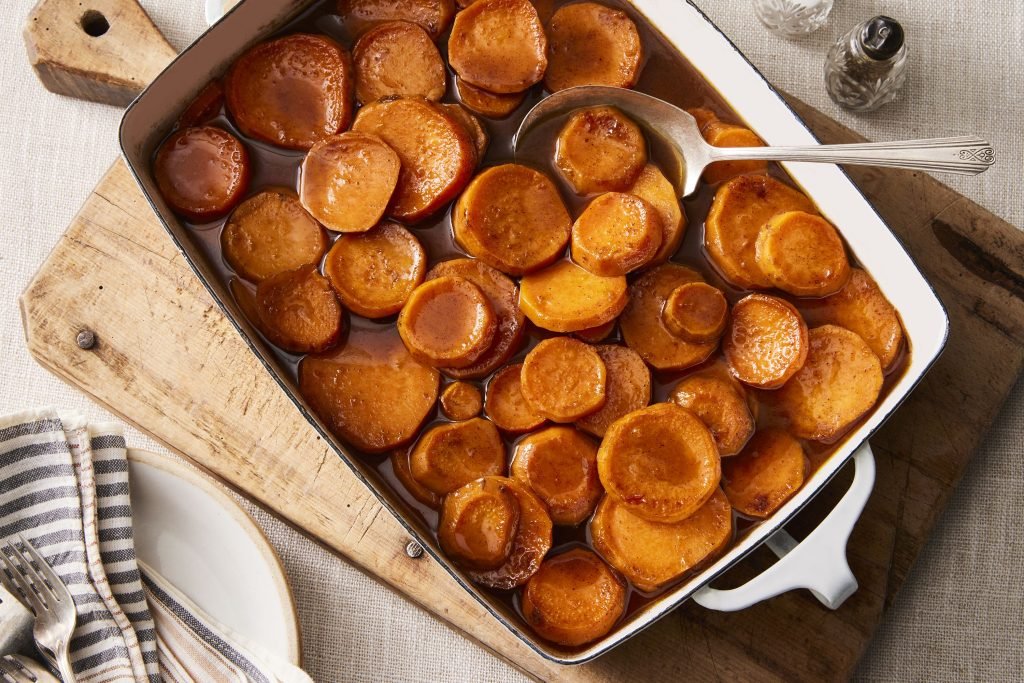
Are you ready to discover the best candied yams recipe that will make your taste buds dance? Imagine sweet, tender yams coated in a rich, buttery glaze that melts in your mouth with every bite.
Whether you’re planning a holiday feast or just craving a comforting side dish, this recipe is exactly what you need. It’s simple, quick, and packed with flavors that will have everyone asking for seconds. Keep reading to unlock the secret to perfect candied yams that you’ll want to make again and again.
Choosing The Right Yams
Choosing the right yams is key to making the best candied yams recipe. The type of yam affects the flavor and texture of your dish. Freshness also plays a big role in taste and sweetness. Picking the perfect yams ensures your dessert is soft, sweet, and full of flavor.
Sweet Vs. Regular Yams
Sweet yams are often softer and have a naturally sugary taste. They cook faster and become tender easily. Regular yams are firmer and less sweet. They need more cooking time and extra sugar for flavor. For candied yams, sweet yams work best. They give a richer and sweeter result without much added sugar.
Freshness Tips
- Choose yams with smooth, unblemished skin.
- Avoid any with soft spots or mold.
- Look for yams that feel firm and heavy.
- Check the color; vibrant orange or yellow is ideal.
- Store yams in a cool, dry place before cooking.
Fresh yams have a better texture and flavor. Old or spoiled yams taste bitter and dry. Always pick fresh yams for the best candied yams experience.
Essential Ingredients
Getting the essential ingredients right is the first step toward making the best candied yams. These ingredients work together to create the perfect balance of sweetness, spice, and richness that makes this dish unforgettable. Understanding what each component adds will help you customize your recipe to suit your taste perfectly.
Sugar And Sweeteners
The heart of candied yams lies in their sweetness. Brown sugar is a classic choice because it adds a deep, molasses-like flavor that white sugar can’t match. Some cooks like to mix in a bit of maple syrup or honey for a natural sweetness with extra complexity.
Have you ever tried using dark brown sugar instead of light? It can give your yams a richer, more intense flavor. Don’t be afraid to adjust the sweetness to your liking—it’s your dish after all.
Spices And Flavor Enhancers
Spices bring warmth and depth to candied yams. Ground cinnamon is almost always included, but adding a pinch of nutmeg or ginger can elevate the flavor even more. These spices complement the natural sweetness of the yams and sugar without overpowering them.
Salt is another critical ingredient. It might seem odd to add salt to a sweet dish, but a small pinch enhances all the flavors and balances the sweetness. Think of it as the secret weapon that makes every bite pop.
Butter And Oils
Butter is essential for giving candied yams their creamy, luscious texture. It helps the sugar melt smoothly and coat the yams evenly. Using real butter rather than margarine makes a noticeable difference in flavor and richness.
Some recipes call for a touch of oil, like coconut or vegetable oil, to keep the dish moist and prevent sticking. Have you experimented with different fats in your cooking? Butter combined with a bit of coconut oil can add a subtle tropical note that surprises the palate.
Preparation Steps
Peel and slice the yams evenly to ensure they cook well. Mix butter, brown sugar, and spices for a sweet glaze. Arrange yams in a dish, pour the glaze over, and prepare for baking.
Preparing the best candied yams is both an art and a science. It requires attention to detail and a few clever techniques to ensure you get the perfect balance of sweetness and texture. Let’s dive into the preparation steps that will make your candied yams irresistible.Peeling And Cutting Yams
Start with fresh yams for the best flavor. Choose ones that are firm and free from blemishes. Peeling yams can be tricky due to their irregular shape. Use a sharp vegetable peeler for smooth, easy strokes. Once peeled, cut the yams into uniform slices, about half an inch thick. This ensures they cook evenly. Think about the size you’d enjoy on your plate—comfortably bite-sized yet substantial enough to hold the syrupy glaze.Soaking And Pre-cooking
After cutting, soak the yams in cold water for about 30 minutes. This step helps remove excess starch, which can make them too mushy when cooked. While soaking, you could prepare other ingredients, like measuring your brown sugar or slicing a bit of fresh ginger for an extra zing. Once soaked, drain and rinse the yams before pre-cooking. Boil them in salted water for about 10 minutes. They should be tender but not fully cooked. This pre-cooking step is crucial for absorbing flavors later without turning them into a mushy mess. Have you ever thought about the patience required to let flavors meld perfectly? It’s what makes each bite of candied yams a mouthwatering experience.
Credit: phillyjaycooking.com
Cooking Techniques
Choosing the right cooking technique can transform your candied yams from ordinary to extraordinary. Each method offers unique benefits that affect texture, flavor, and ease of preparation. Understanding these techniques helps you decide which one fits your kitchen style and the time you have available.
Oven Baking
Oven baking caramelizes the natural sugars in yams, giving them a rich, deep flavor and slightly crispy edges. You simply toss your yams with butter, brown sugar, and spices, then spread them in a single layer on a baking dish. Baking allows the syrup to thicken gradually, creating that classic sticky glaze you love.
One tip from my experience: cover the dish for the first half of baking to keep yams tender, then uncover to develop a golden crust. This technique delivers a perfect balance between soft inside and caramelized outside.
Stovetop Simmering
Simmering yams on the stovetop gives you more control over texture and syrup consistency. You cook the yams directly in the sugar mixture, stirring occasionally to prevent sticking and burning. This method is faster than baking and lets you adjust sweetness and spice levels as you go.
Think about the stovetop technique if you want a soft, syrup-soaked yam without waiting for the oven. Have you ever tried stirring the syrup until it thickens like honey? It creates a luscious coating that clings beautifully to each piece.
Slow Cooker Method
The slow cooker is perfect if you want hands-off cooking and deep flavors. Place all ingredients in the cooker and let them meld together over several hours. The low heat gently softens the yams while allowing the sugar and spices to infuse fully.
This method is great for busy days or when you’re preparing multiple dishes. Plus, it keeps your kitchen cool—no need to heat the oven. Have you considered setting it up in the morning and coming back to perfectly tender, sweet yams by dinner?
Achieving Perfect Sweetness
Achieving the perfect sweetness in candied yams is all about finding the right harmony between sugar, spices, and cooking technique. Too much sugar can overpower the natural yam flavor, while too little leaves the dish flat. Balancing these elements brings out the best in each bite, making your yams irresistible.
Balancing Sugar And Spices
Start with a moderate amount of sugar to let the natural yam sweetness shine through. Brown sugar adds warmth, but a little white sugar can help balance it out without making the dish too sweet.
Spices like cinnamon, nutmeg, and a pinch of cloves bring depth and complexity. Don’t overdo it—too much spice can mask the yams’ flavor. Try adding a small amount at first, then taste and adjust as you cook.
Have you ever tasted a dish where the spices felt like they were fighting the main ingredient? Your goal is to complement, not compete.
Caramelizing Tips
Caramelization is key to that beautiful, glossy finish on candied yams. Start by cooking your yams with butter and sugar over medium heat. This helps melt the sugar and butter together into a sticky, flavorful glaze.
Be patient and let the sugar slowly turn golden brown. Stir gently to coat the yams evenly without breaking them. Avoid high heat—it can burn the sugar quickly and ruin the flavor.
Have you noticed how a good caramelized edge adds a slight crunch and intense sweetness? That contrast is what makes candied yams memorable.

Credit: www.spillingthesweettea.com
Serving Suggestions
Serving candied yams offers a chance to enhance their sweet and rich flavors. Presentation and pairing can make this dish stand out at any meal. Small touches bring warmth and texture to your plate. Choose garnishes and toppings that complement the natural sweetness. Also, pair the yams with main dishes that balance taste and texture.
Garnishes And Toppings
- Chopped pecans add a nice crunch and nutty flavor.
- A sprinkle of cinnamon or nutmeg enhances the warm spices.
- Mini marshmallows toasted lightly on top create a soft, sweet finish.
- Fresh parsley or thyme adds a touch of color and mild herb taste.
- A drizzle of honey or maple syrup boosts the natural sweetness.
- Crispy bacon bits introduce a salty, smoky contrast.
Pairing With Main Dishes
- Roast turkey or chicken balances the sweetness of candied yams well.
- Glazed ham adds a savory and sweet combination on the plate.
- Pork chops with herbs pair nicely with the rich yam flavors.
- Grilled vegetables offer a fresh and light contrast.
- Simple green salads help cleanse the palate between bites.
- Beans or lentils bring additional protein and earthiness.
Common Mistakes To Avoid
Candied yams are a classic treat, but small errors can spoil their taste and texture. Avoiding common mistakes ensures your dish turns out perfect every time.
Simple steps can make a big difference in flavor and appearance. Understanding these pitfalls helps you cook with confidence and enjoy every bite.
Using The Wrong Type Of Sweet Potatoes
Not all sweet potatoes work well for candied yams. Choose firm, orange-fleshed yams for best results. Avoid varieties that are watery or too dry. This choice affects sweetness and texture.
Skipping The Soaking Step
Soaking yams in water removes excess starch. Skipping this step can cause yams to be mushy or sticky. Soak for at least 30 minutes before cooking.
Overcooking The Yams
Overcooked yams become too soft and lose their shape. Cook until just tender to maintain texture. Test with a fork to avoid mushiness.
Using Too Much Sugar
Excess sugar can make yams overly sweet and sticky. Use the amount recommended in the recipe. Balance sweetness with spices like cinnamon or nutmeg.
Not Using Enough Butter Or Syrup
Butter and syrup add richness and moisture. Skipping them results in dry yams. Use enough to coat the yams evenly for a glossy finish.
Ignoring Oven Temperature
Too high heat burns the syrup and dries the yams. Too low heat makes them soggy. Maintain moderate heat around 350°F (175°C) for even cooking.
Forgetting To Stir During Baking
Not stirring allows syrup to burn at the bottom. Stir gently halfway through baking. This keeps yams coated and prevents burning.
Credit: themodernproper.com
Variations And Twists
Variations and twists can turn your classic candied yams into a unique dish that suits your taste perfectly. Small changes in ingredients can add exciting flavors and textures. Are you ready to experiment and find your favorite version?
Adding Nuts And Fruits
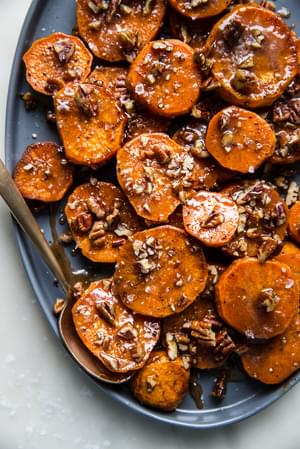
Adding nuts like pecans or walnuts gives your yams a satisfying crunch. Toast them lightly before sprinkling on top to bring out their rich flavor.
Dried fruits such as cranberries or raisins add bursts of sweetness and chewiness. They complement the natural earthiness of yams beautifully.
You might also try fresh fruits like orange segments or pineapple chunks. These add a refreshing tang and brighten the overall dish.
Spicy Candied Yams
If you enjoy a little heat, adding spices can elevate your candied yams. A pinch of cayenne pepper or chili powder adds a surprising kick.
Ground ginger and cinnamon provide warmth while balancing the sweetness. Combining these spices can create a complex flavor profile that keeps you coming back for more.
Have you ever thought about mixing savory with sweet? Try a dash of smoked paprika or a splash of hot sauce for a bold twist that will surprise your guests.
Frequently Asked Questions
What Ingredients Make The Best Candied Yams?
The best candied yams use fresh yams, brown sugar, butter, cinnamon, and vanilla extract. These ingredients create a sweet, rich flavor with a tender texture. Optional additions include nutmeg or marshmallows for extra sweetness and texture. Using quality ingredients ensures a delicious result every time.
How Long Should I Bake Candied Yams?
Bake candied yams at 350°F (175°C) for 45-60 minutes. Cover with foil for the first 30 minutes to retain moisture. Uncover during the last 15 minutes to allow caramelization. Baking time may vary slightly depending on yam size and oven performance.
Can I Prepare Candied Yams Ahead Of Time?
Yes, you can prepare candied yams a day in advance. Store them covered in the refrigerator. Reheat in the oven at 350°F (175°C) for 20-25 minutes before serving. This helps flavors meld and saves time on busy occasions.
Are Candied Yams Healthy To Eat?
Candied yams provide vitamins A and C and fiber. However, they contain added sugar and butter, increasing calories. Enjoy them in moderation as a delicious side dish. Using less sugar or natural sweeteners can make them healthier.
Conclusion
This candied yams recipe brings sweet, soft flavors to your table. It uses simple ingredients you can find easily. Everyone can cook it, even beginners. The dish pairs well with many meals and holidays. Try it for a warm, tasty side dish.
Enjoy the comforting taste of homemade candied yams. Your family and friends will ask for seconds. Cooking is fun and rewarding with this easy recipe. Give it a try and see the smiles. Simple, sweet, and delicious—just like home cooking.

Hi, I’m Daniel Brooks—a food lover and kitchen gear enthusiast. I enjoy testing cookware, utensils, and gadgets to see what really works in everyday cooking. At PlugChef.com, I share honest reviews, comparisons, and simple guides to help you choose the best tools for a safer, smarter, and more enjoyable kitchen.
Related posts:
 What Type of Cooking Utensils are Safe: Expert Picks
 What Innovations Could Blenders Make: Unleashing Future Tech
 Smart Strategies to Organize a Small Kitchen: Maximize Space
 How to Organize a Kitchen Cabinet: Expert Tips & Tricks
 How to Organize Kitchen Drawers: Expert Tips and Tricks
 How to Organize a Corner Kitchen Cupboard: Expert Tips

