
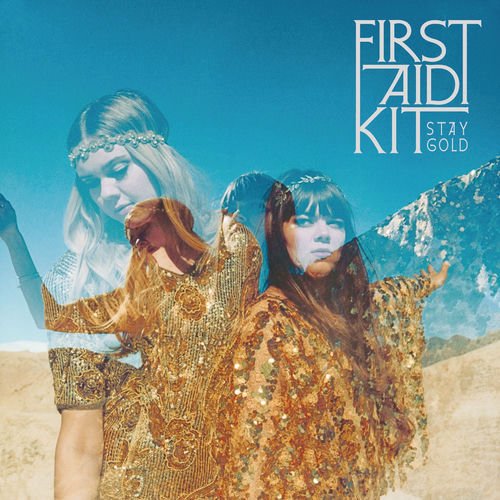
If you’ve ever navigated grief, career uncertainty, or a quiet, unshakable period of self-doubt, you likely know the power of a song that feels like it was written exactly for your moment. For millions of listeners worldwide, that song is First Aid Kit’s "My Silver Lining." Released in 2014 as the lead single from the Swedish folk duo’s breakout album Stay Gold, the track has remained a cultural touchstone for its unflinching balance of vulnerability and quiet hope. As of 2026, it is one of the duo’s most streamed songs globally, a testament to its ability to meet listeners where they are, no matter what they’re going through. This guide unpacks the song’s layered emotional depths, creative backstory, and lasting legacy, so you can appreciate every deliberate choice that makes it so resonant.
Lyric sheet for My Silver Lining, highlighting the song’s core theme of seeking hope amid uncertainty
The Story of First Aid Kit: Roots of a Distinctive Folk Duo
First Aid Kit’s authenticity as artists is inextricably linked to their humble, music-filled upbringing. Understanding their background explains why their music feels so unpolished, genuine, and relatable to listeners across generations and geographies.
Formation and Early Breakthrough
First Aid Kit is composed of sisters Johanna and Klara Söderberg, who grew up in Enskede, a suburb of Stockholm, Sweden, surrounded by folk, country, and classic rock records from their parents’ collection. The two began performing together as children, playing small local gigs and posting homemade covers online, but their career took a dramatic turn in 2008 when their cover of Fleet Foxes’ "Tiger Mountain Peasant Song" went viral on YouTube, earning over 1 million views in its first week. The exposure led to a record deal, their 2010 debut EP Drunken Trees, and a rapid rise in the global folk scene. During their first small-venue tours across Europe, the sisters relied on durable meal prep containers to keep food fresh between shows, a habit many long-term touring musicians adopt to stay nourished on the road. You can follow their full discography, tour dates, and official updates on their official artist website.
Musical Style and Core Influences
The duo’s sound blends traditional Swedish folk traditions with American Americana, anchored by their signature tight sibling harmonies and acoustic-driven arrangements. They cite Bob Dylan, Joni Mitchell, and Simon & Garfunkel as core influences, and their lyrics avoid vague platitudes in favor of specific, personal, and universal stories of love, loss, and resilience. The duo often credits their Swedish upbringing for their grounded approach to success, including a love of hosting friends and family with home-cooked meals, where glass food storage keeps leftovers fresh for days without absorbing odors. As a genre deeply tied to Swedish cultural identity, folk music has been highlighted by the Swedish Institute as a key creative export, with First Aid Kit credited with introducing traditional Scandinavian folk storytelling to a new generation of global listeners.
The Origins of "My Silver Lining": Context and Creative Inspiration
The story behind the track is as layered as its lyrics, rooted in a period of personal and professional transition for the Söderberg sisters.
Writing and Recording for Stay Gold
"My Silver Lining" was written in 2013, as the duo was working on their third studio album, Stay Gold, their first release produced by Mike Mogis, known for his work with Bright Eyes and Sufjan Stevens. The sisters have said in interviews that the album was born from a period of uncertainty: they were navigating the pressure of following up their 2012 breakout album The Lion’s Roar, grappling with the exhaustion of constant touring, and processing the transition from childhood to adulthood. Much of the album, including "My Silver Lining," was written in quiet, distraction-free writing retreats, where the sisters could focus on lyrical details the way a home cook relies on well-sharpened kitchen tools to prep ingredients with precision. The track was recorded at Mogis’ studio in Omaha, Nebraska, using warm analog recording techniques to give the arrangement an intimate, lived-in feel.
Core Themes and Lyrical Intent
At its core, "My Silver Lining" is a rejection of the pressure to force optimism in the face of unprocessed pain. Unlike many "uplifting" tracks that dismiss struggle as a temporary hurdle, the song centers the reality of waiting for hope to arrive, even when it feels out of reach. The Söderberg sisters have explained that the track was inspired by their own experiences with self-doubt during long tours, and their desire to write a song that acknowledged how hard it can be to keep going when you don’t see a clear path forward. Many fans report playing the song while cooking or packing meals for the week, pairing its hopeful message with the quiet satisfaction of organizing pantry staple storage for bulk grains, pasta, and spices.
Lyrical Analysis: Unpacking the Song’s Emotional Layers
The lyrics of "My Silver Lining" reward close listening, with layered meaning that reveals new nuance with every repeat. Unlike generic pop or folk tracks that rely on vague, universal themes, every line feels specific and intentional, rooted in the sisters’ lived experience.
Key Lyrics and Their Deeper Meaning
Certain lines stand out for their raw honesty and relatability:
- "I’ve been waiting for the silver lining / Staring at the ceiling, crying": The opening lines immediately center vulnerability, rejecting the idea that hope is easy or immediate. The image of staring at the ceiling crying is a universal experience of grief or anxiety, making the listener feel seen before the song even offers a message of resilience.
- "Every little thing that’s wrong / Gotta be a reason why": This line avoids toxic positivity by acknowledging that pain exists, while still holding space for meaning to emerge from struggle. It’s not a guarantee that everything will work out, but a refusal to believe suffering is pointless.
- "I don’t want to wait anymore / I don’t want to wait for the war to be over": The bridge marks a shift from passive waiting for hope to active choice to keep moving forward, even when the "war" (personal struggle, global uncertainty, grief) is still ongoing.
Subverting Toxic Positivity
A common misinterpretation of "My Silver Lining" is that it promotes naive, toxic positivity—the idea that you can simply "choose" to be happy no matter the circumstances. In practice, the song’s power comes from its refusal to dismiss pain first. This nuance is a big part of why listeners return to the track during hard times, rather than writing it off as empty encouragement. It meets people where they are, whether they’re in the middle of a crisis or just having a bad day, without demanding they "cheer up" before they’re ready.
Musical Composition: How Arrangement Amplifies the Message
The song’s musical choices are just as deliberate as its lyrics, working in tandem to create an experience that feels both intimate and emotionally expansive.
Instrumentation and Production Choices
"My Silver Lining" clocks in at 92 BPM, in the key of C major, with a stripped-back arrangement that puts the sisters’ vocals front and center. Acoustic guitar provides a steady, warm rhythm throughout, while subtle brushed drums add gentle momentum without overpowering the melody. Soft, swelling strings arranged by Rob Moose (known for his work with Sufjan Stevens and Bon Iver) appear in the chorus and bridge, adding a layer of quiet grandeur that mirrors the song’s shift from vulnerability to quiet strength. Producer Mike Mogis’ analog production choice gives the track a warm, slightly imperfect feel, as if the sisters are performing it in your living room, rather than a polished studio.
Vocal Delivery and Harmonic Structure
The sisters’ vocal delivery is gentle, unforced, and deeply sincere, with no flashy runs or over-the-top dramatic flourishes. Their signature close harmonies weave around the lead melody, creating a rich, full sound that feels like a hug. The harmonies often echo the lead vocal line, adding a layer of reassurance that mirrors the song’s lyrical message of not being alone in your struggle. This vocal performance is a big part of the track’s emotional weight: you don’t just hear the lyrics, you feel the sincerity behind every word.
 Stay Gold, the 2014 studio album that features My Silver Lining as its lead single
Reception, Impact, and 2026 Relevance
More than a decade after its release, "My Silver Lining" remains one of First Aid Kit’s most beloved tracks, with a cultural footprint that extends far beyond the folk music scene.
Critical and Commercial Reception
Upon its 2014 release, the track received widespread critical praise for its raw emotion, nuanced lyrics, and understated production. It peaked at #24 on the US Billboard Hot Rock & Alternative Songs chart, and has since been certified platinum in the US, UK, and Sweden, a marker of its sustained commercial success. Critics noted that the track’s balance of melancholy and hope set it apart from other folk releases of the era, with many calling it one of the best folk songs of the 2010s.
Cultural Footprint and Fan Connections
The song’s message of quiet resilience has made it a staple of mental health awareness campaigns, including partnerships with the UK mental health charity Mind, which has used the track in resources for people experiencing anxiety and grief. It has also been featured in popular media, including the final episode of Netflix’s Sex Education season 3, introducing it to a new generation of listeners. As of 2026, it appears on millions of user-created playlists focused on comfort, mental health, and folk music across major streaming platforms. Many fans report returning to the song during periods of transition: graduations, moves, job changes, and memorials, as its balance of grief and hope feels appropriate for both celebration and sorrow.
 Official single cover for My Silver Lining, released via Columbia Records in 2014
Live Performances: Evolving Interpretations Over Time
First Aid Kit’s live renditions of "My Silver Lining" offer a window into how the song’s meaning has shifted for the duo over time, adding new layers to a track many fans already know by heart.
Memorable Live Renditions
One of the most iconic live performances took place at the 2014 Glastonbury Festival, where the sisters’ harmonies were perfectly balanced by the energy of the massive crowd, with subtle vocal improvisations that added a new vibrancy to the studio recording. A 2015 BBC Radio 1 Live Lounge performance stripped the track back to just acoustic guitar and vocals, highlighting the raw emotion of the lyrics without the distraction of full production. Across their 2023–2024 European and North American tour dates, the sisters have included the track in every setlist, often dedicating it to fans who have shared stories of the song helping them through hard times.
Shifting Meaning for the Duo
In recent interviews, Klara Söderberg has explained that the song’s meaning has shifted for her over the past decade: when they wrote it, they were actively searching for a silver lining, but now, as adults who have navigated years of personal and professional highs and lows, the track feels like a reminder of the resilience they already built. This shift adds a new layer of warmth to their live performances, as the sisters no longer sing the track as people waiting for hope, but as people who have found it, and want to share that feeling with their audience.
Frequently Asked Questions
What is "My Silver Lining" about?
"My Silver Lining" explores the tension between waiting for hope to arrive and choosing to keep moving forward even when hope feels out of reach. It rejects toxic positivity by centering vulnerability first, acknowledging that pain and uncertainty are part of life, and that hope is a choice, not a guarantee that everything will work out perfectly.
Who are the members of First Aid Kit?
First Aid Kit is a Swedish folk duo composed of sisters Johanna and Klara Söderberg, who formed the band in 2007. They are known for their tight sibling harmonies, introspective lyrics, and blend of Swedish folk and American Americana influences.
When was "My Silver Lining" released?
"My Silver Lining" was released on June 10, 2014, as the lead single from First Aid Kit’s third studio album, Stay Gold. It preceded the album’s full release by two months, and quickly became the duo’s most successful single to date in terms of streaming and global chart performance.
What genre does "My Silver Lining" belong to?
The track falls squarely within the indie folk and folk rock genres, defined by its acoustic-driven arrangement, tight sibling harmonies, and focus on introspective, narrative lyrics. It also incorporates subtle elements of Americana, drawing from the duo’s love of classic American folk and country artists.
Final Thoughts
"My Silver Lining" endures as one of First Aid Kit’s most impactful tracks not because it offers easy answers, but because it meets listeners exactly where they are: in the middle of struggle, waiting for hope to arrive, or choosing to keep going even when they can’t see the light. Its layered lyrics, warm arrangement, and unflinching sincerity have made it a comfort for millions over the past decade, and its message is as relevant in 2026 as it was in 2014. If this song’s quiet, unflinching message of resilience resonates with you, try pairing it with a slow, intentional daily routine—whether that’s meal prepping for the week with portion-controlled containers to reduce food waste and simplify weeknights, or taking 10 minutes to journal while you listen. Small, grounded acts of self-care are the real silver linings of everyday life.

I’m Abby Lu, a passionate home cook who loves simplifying everyday meals. At PlugChef.com, I share product reviews and cooking guides to help you find the best tools for your kitchen.
Related posts:
 How Does a Certified Organic Kitchen Clean Dishware Efficiently?
 How to Decorate With Wire Baskets: Chic and Creative Ideas
 Kitchen Organization Tips for Meal Prep: Boost Efficiency
 Dollar Tree Kitchen Organization Hacks: Budget-Friendly Tips
 Slate Kitchen Appliances With White Cabinets: Style Upgrade
 Small Electrical Appliances: Maximize Your Home Efficiency

