
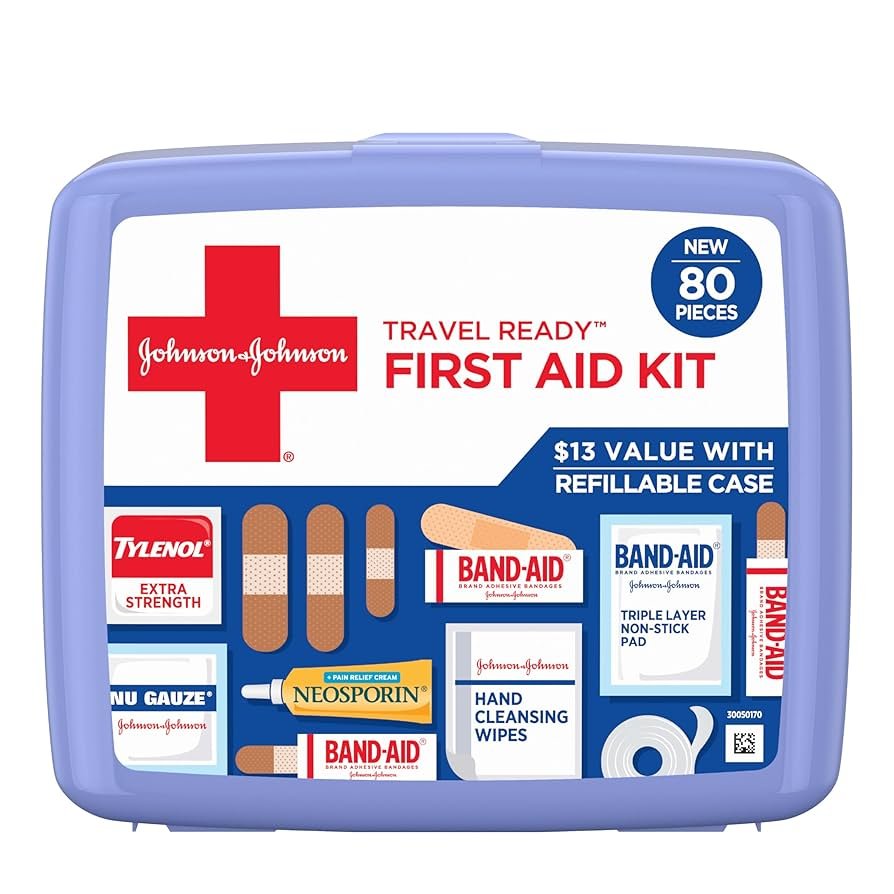
Unplanned injuries happen in even the safest homes: a child scrapes their knee on the sidewalk, a cook suffers a minor stovetop burn, or a gardener gets a splinter from a backyard project. Per CDC data, unintentional minor injuries send more than 9 million people to urgent care and emergency rooms annually in the U.S. alone, and most of these can be treated effectively at home with a well-stocked first aid kit. Johnson & Johnson First Aid Kits, built on more than 130 years of medical supply expertise, are designed to give you the tools to respond quickly, reduce infection risk, and provide peace of mind during these everyday emergencies.
This guide covers everything you need to know about choosing, using, and maintaining a Johnson & Johnson first aid kit for your home, car, workplace, and travel, plus practical tips to avoid common first aid mistakes. For more on this, see our guide on safety first cabinet and drawer latches.
Why Every Home Needs a Dedicated First Aid Kit
First aid kits play a non-negotiable role in reducing the severity of everyday injuries. The first hour after an injury is critical for preventing infection, minimizing scarring, and reducing pain — and having supplies within arm’s reach cuts out the delay of rummaging for bandages or antiseptics. Per CDC guidance, prompt wound care within the first 60 minutes of a cut or scrape reduces infection risk by more than half, and can prevent minor injuries from escalating to require professional medical care.
Johnson & Johnson first aid kits are engineered for this fast response, with clearly labeled compartments and easy-to-open packaging that lets even untrained users locate supplies in seconds during high-stress situations. They are a critical complement to other home safety measures, and for households with young children, elderly family members, or active pets, they are a core part of emergency preparedness. For more practical home safety tips to reduce injury risk across your household, check out our full guide to everyday emergency preparedness. For more on this, see our guide on safety first appliance lock.
Fast Response for Common Household Injuries
Most minor household injuries — cuts from kitchen tasks, burns from cooking, splinters from gardening, and sprains from yard work — can be treated entirely at home with the right supplies. Johnson & Johnson kits include pre-sterilized bandages, antiseptic wipes, and burn gel to address these issues immediately, before infection or worsening pain sets in.
Reduced Infection Risk
Untreated minor cuts and scrapes are a leading cause of preventable bacterial infections like cellulitis, which can require antibiotics or even hospitalization if left unaddressed. The sterile gauze, antibiotic ointments, and antiseptic wipes included in every Johnson & Johnson kit create a barrier against germs, keeping wounds clean as they heal. For more on this, see our guide on safety first cabinet locks.
Peace of Mind for Families
Knowing you have the tools to handle minor emergencies reduces anxiety for parents, caregivers, and anyone living alone. Johnson & Johnson kits are designed to be usable even by people with no formal first aid training, with intuitive packaging and clear instructions for common use cases.
 A well-stocked home first aid kit sits ready for everyday minor injuries like cuts, scrapes, and burns.
The 130+ Year Legacy of Johnson & Johnson First Aid
Johnson & Johnson’s reputation for first aid reliability is built on more than a century of innovation and public health work. The company was founded in 1886 by Robert Wood Johnson I, who was inspired to create sterile, pre-packaged first aid supplies after observing railway workers suffering from infected, untreated injuries due to lack of access to clean medical materials. The company launched its first mass-produced first aid kit in 1888, the first of its kind to use sterile, sealed packaging to prevent contamination. For more on this, see our guide on cabinet locks safety first.
During World War I, Johnson & Johnson supplied more than 100 million first aid kits to the U.S. military, helping standardize first aid protocols that were later adapted for public use. Post-war, the company partnered with the American Red Cross to distribute affordable first aid kits to schools, households, and workplaces across the country, making basic wound care accessible to millions of Americans. Today, Johnson & Johnson first aid supplies are used in 90% of U.S. hospitals and clinics, per the company’s public sustainability reports, and the brand remains a trusted name in household emergency preparedness.
Early Innovations in Sterile First Aid
The original 1888 Johnson & Johnson first aid kit included sterile gauze, adhesive bandages, and antiseptic wipes — supplies that were revolutionary for the era, when most first aid was performed with unsterile, shared materials. The company also pioneered the use of pre-cut, sterile dressings that could be applied quickly without additional preparation, reducing response time for injuries. For more on this, see our guide on safety first magnetic cabinet locks.
20th Century Expansion and Standardization
Throughout the 1900s, Johnson & Johnson expanded its first aid line to include supplies for burns, sprains, and allergic reactions, and developed more durable, portable packaging for workplace and travel use. The company worked with OSHA in the 1970s to develop standardized first aid kit requirements for U.S. workplaces, a framework still used today.
Modern First Aid Innovation
Today’s Johnson & Johnson first aid kits include advanced materials like hydrocolloid dressings for blisters, non-stick burn gel that won’t adhere to damaged skin, and hypoallergenic bandages for users with sensitive skin or latex allergies. The brand also offers specialized kits for camping, travel, and pet care, designed to address the unique needs of different use cases.
What’s Inside a Standard Johnson & Johnson First Aid Kit
All Johnson & Johnson first aid kits are built around core sterile supplies tested for safety and effectiveness, with contents varying by kit size to match different use cases. Below is a breakdown of common kit configurations and their ideal use cases:
| Kit Size | Typical Included Items | Best Use Case |
|---|---|---|
| Pocket (25–50 items) | Adhesive bandages (assorted sizes), antiseptic wipes, sterile gauze pads, adhesive tape, plastic tweezers, 2–4 doses of pain relievers | Car glove compartments, travel bags, small purses, desk drawers |
| Home Standard (75–100 items) | All pocket kit items plus burn relief gel, elastic bandage, instant cold pack, medical scissors, disposable nitrile gloves, hydrocortisone cream, sterile wound closure strips | Daily household use, minor kitchen and DIY injuries |
| Family/Camping (150+ items) | All standard kit items plus extra gauze rolls, triangular bandage, emergency blanket, CPR face shield, first aid instruction booklet, extra adhesive fabric bandages | Multi-person households, camping, hiking, remote travel, workplace safety stations |
Core Supply Use Cases
Each component in a Johnson & Johnson kit is selected for a specific purpose:
- Antiseptic wipes: Alcohol-based to kill surface bacteria on skin before dressing a wound, reducing infection risk.
- Sterile gauze pads: Non-stick to avoid tearing healing tissue when removing a dressing, ideal for larger cuts and abrasions.
- Burn gel: Formulated to cool and soothe minor first-degree burns from cooking, sun, or scalds without sticking to damaged skin.
- Elastic bandage: Provides compression for sprains from sports, yard work, or household falls, and can be used to secure gauze in place.
Note that Johnson & Johnson kits do not include prescription medications, EpiPens for severe allergies, insulin, or personal medical supplies, so you will need to add these based on your household’s specific health needs.
How to Choose the Right Kit for Your Household
Choosing the right Johnson & Johnson kit starts with assessing your family’s unique needs and lifestyle:
- Households with young children: Opt for a kit with colorful, easy-to-remove bandages and extra supplies for frequent minor cuts and scrapes. Consider adding children’s fever reducers and extra antiseptic wipes for messy playtime injuries.
- Households with elderly family members: Choose a kit with extra-large bandages, extra pain relievers for arthritis or fall-related injuries, and a blood pressure cuff if included in larger kits.
- Active households that cook or do DIY: Prioritize a kit with burn gel, heavy-duty scissors for cutting clothing away from injuries, and elastic bandages for sprains.
- Frequent travelers or campers: Choose a TSA-compliant pocket kit for travel, and a larger family/camping kit for outdoor adventures.
Even the most comprehensive kit may need customization to fit your exact needs. Add any household-specific medications, allergy treatments, or supplies (like extra blister pads for hikers) in a clearly labeled, waterproof pouch inside the kit. If you have a large household or frequently host guests, a family-sized kit is a more cost-effective investment than multiple small kits.
Critical First Aid Best Practices for Common Household Injuries
A first aid kit is only as useful as your ability to use it correctly. Below are evidence-based, step-by-step guidelines for treating the most common household minor injuries, aligned with CDC and American Red Cross recommendations:
- Minor cuts and scrapes: Wash your hands with soap and water before touching the wound, rinse the cut under cool running water for 30 seconds to remove dirt, pat dry with a clean cloth, apply a thin layer of antibiotic ointment, cover with an appropriately sized bandage, and change the dressing daily or if it gets wet or dirty.
- Minor burns (first-degree, no blisters): Run cool (not cold) water over the burn for 10–15 minutes, apply burn gel, cover with a non-stick sterile dressing. Do not apply ice, butter, or home remedies like toothpaste, which can trap heat and worsen the injury.
- Splinters: Use the tweezers from your kit to gently pull the splinter out at the same angle it entered, rinse the area with antiseptic, and cover with a bandage if the site is open.
- Insect stings/bites: Remove the stinger if present with tweezers, wash the area with antiseptic, apply hydrocortisone cream to reduce itching and swelling. Seek medical help immediately if there are signs of an allergic reaction (hives, swelling of the face or throat, difficulty breathing).
- Sprains: Apply an instant cold pack for 15–20 minutes to reduce swelling, wrap the area with an elastic bandage, and elevate the injured limb. Seek medical help if you can’t put weight on the joint or see significant bruising.
Seek professional medical care immediately if bleeding doesn’t stop after 10 minutes of direct pressure, if a wound is deeper than ¼ inch, if a burn covers more than 3 inches of skin or has blisters, or if someone shows signs of shock (pale skin, dizziness, confusion).
How to Maintain Your First Aid Kit for Emergency Readiness
A well-maintained first aid kit is only useful if all supplies are intact, sterile, and unexpired. Follow these guidelines to keep your kit ready for use:
- Check your kit every 3 months: Align checks with seasonal changes (e.g., after summer to replace used burn gel and insect sting relief, after winter to restock cold and flu supplies) to ensure you’re prepared for season-specific injuries.
- Inspect for damage and expiration: Discard any supplies with torn packaging, broken seals, or visible moisture damage. Replace expired medications, antiseptic wipes, and ointments promptly, as they lose effectiveness over time and may cause harm. Per American Red Cross first aid kit guidance, expired supplies are one of the most common reasons first aid kits fail during emergencies.
- Restock used items immediately: If you use a bandage or dose of pain relievers during a minor injury, replace it as soon as possible so your kit is ready for the next emergency.
- Store supplies properly: Keep moisture-sensitive items like antiseptic wipes in small airtight containers to prevent degradation from humidity. Store light-sensitive medications like pain relievers in durable glass storage to protect them from UV damage that reduces potency over time.
Keep a small notepad with your kit listing expiration dates for all perishable items, so you don’t have to open every package during checks.
Common First Aid Kit Mistakes to Avoid
In practice, many households make avoidable errors that leave their first aid kit unusable during emergencies:
- Storing the kit out of reach: High shelves, locked closets, and damp bathrooms add critical delay during an emergency. Keep kits in low, clearly marked, accessible locations.
- Skipping customization: A one-size-fits-all kit may not have the supplies your household needs. For example, a household with a child who has a nut allergy needs to add an EpiPen, while a household with frequent campers needs extra blister treatment.
- Using expired supplies: Expired antiseptic wipes may not kill bacteria effectively, and expired pain relievers can lose potency or cause stomach upset. Never use expired supplies, even if they look intact.
- Not learning basic first aid: A kit is only as useful as your ability to use it correctly. Take a free basic first aid course through the American Red Cross or your local community center to build confidence.
- Forgetting to replace used supplies: A kit with missing bandages or empty medication bottles is useless during an emergency. Restock immediately after any use.
Optimal First Aid Kit Placement for Every Area of Your Home
Having a kit in the right location cuts down on response time during an emergency. Follow these placement guidelines for maximum accessibility:
- Kitchen: Most household burns and cuts happen here, so keep a medium home standard kit in a low, easily accessible cabinet near the stove and sink. Most minor household cuts occur in the kitchen, often from improper knife handling; following safe knife handling practices reduces your risk of these injuries entirely.
- Bathroom: Keep a small kit here for minor shaving cuts, bathroom falls, and hygiene-related irritations. Avoid storing it directly in the shower to prevent moisture damage.
- Garage/workshop: Keep a larger kit here for DIY project injuries, splinters, and tool-related cuts.
- Car: Keep a pocket-sized kit in your glove compartment for roadside injuries, flat tire related cuts, or accidents.
- Travel bag: Pack a small portable kit in your carry-on or checked luggage for trips.
- Outdoor gear: Keep a family/camping kit in your garage or shed for hikes, camping, and backyard barbecues.
Use compartmentalized storage solutions to sort supplies by type (bandages, antiseptics, medications) so you can locate what you need in seconds during an emergency. Keep all kits away from direct sunlight, high heat (like near a stove or heater), and damp areas to preserve supply integrity.
What Real Users Say: Pros and Cons of Johnson & Johnson First Aid Kits
Verified reviews from major retailers including Amazon, Walmart, and CVS highlight consistent strengths and minor limitations of Johnson & Johnson first aid kits:
Pros
- Compact, durable cases that withstand drops, moisture, and rough handling during travel and outdoor use
- Clearly labeled compartments that let users find supplies in seconds during high-stress emergencies
- Sterile, high-quality supplies that don’t cause irritation or allergic reactions for most users
- Comprehensive core supplies that cover 90% of common household minor injuries
Cons to Note
- Smaller pocket kits often lack burn gel and elastic bandages for more serious sprains or kitchen burns
- Some users wish for a wider range of bandage sizes for larger wounds
- Prescription medications and personal medical supplies are not included, so customization is required for households with specific health needs
In practice, most users find the standard home kit sufficient for daily household use, and supplement with extra supplies as needed for their specific lifestyle.
 Compact travel kits fit easily in glove compartments, backpacks, and luggage for on-the-go safety.
Frequently Asked Questions
What items are included in Johnson & Johnson first aid kits?
Core items across all kits include sterile adhesive bandages (assorted sizes), antiseptic wipes, sterile gauze pads, adhesive medical tape, plastic tweezers, and pain relievers (acetaminophen or ibuprofen). Larger kits add burn gel, elastic bandages, instant cold packs, disposable gloves, hydrocortisone cream, and wound closure strips.
Are Johnson & Johnson first aid kits suitable for travel?
Yes, the brand offers a range of TSA-compliant pocket-sized kits that fit easily in carry-on bags, glove compartments, and backpacks. All supplies are sealed and sterile, making them ideal for on-the-go use.
How often should I check and restock my Johnson & Johnson first aid kit?
The American Red Cross recommends checking your kit every 3–6 months to replace expired items, restock used supplies, and inspect for damage. Set a recurring calendar reminder to make this a habit.
Can I customize my kit with personal medications?
Absolutely. Johnson & Johnson kits are designed to be customizable. Add any prescription medications, EpiPens, allergy treatments, or household-specific supplies (like extra burn gel for frequent cooks) in a clearly labeled, waterproof pouch inside the kit.
Do Johnson & Johnson first aid kits meet workplace safety standards?
Yes, the brand’s larger workplace and industrial kits meet OSHA first aid station requirements for most office, retail, and light industrial workspaces. Check your local regulations for specific industry requirements.
Where can I purchase authentic Johnson & Johnson first aid kits?
Kits are available at most major retailers, including CVS, Walmart, Target, and Amazon, as well as directly from the Johnson & Johnson consumer health website. Always purchase from reputable sellers to ensure product authenticity and avoid counterfeit supplies.
 Family-sized kits include extra supplies for multi-person households and outdoor adventures.
Conclusion
Johnson & Johnson First Aid Kits are more than just a box of supplies — they’re a critical line of defense against the everyday minor injuries that happen in every home, car, and workplace. Built on more than a century of medical expertise, these kits provide reliable, sterile supplies that reduce infection risk, speed up healing, and give you the confidence to act quickly when an injury occurs.
Choosing the right kit for your household, customizing it to your family’s specific needs, and maintaining it regularly ensures it’s ready when you need it most. By avoiding common first aid mistakes, storing your kit in accessible locations, and learning basic first aid skills, you can turn a small first aid kit into a powerful tool for keeping your loved ones safe.
Take 10 minutes this weekend to audit your current first aid kit: check expiration dates, restock missing supplies, and add any household-specific items. If you don’t have a Johnson & Johnson kit yet, invest in one today for the peace of mind that comes with being prepared for life’s little emergencies.

I’m Abby Lu, a passionate home cook who loves simplifying everyday meals. At PlugChef.com, I share product reviews and cooking guides to help you find the best tools for your kitchen.
Related posts:
 Roast Beets in Air Fryer: Quick, Crispy, and Delicious Recipe
 Recipes With Whole Wheat Tortillas: Easy, Healthy, and Delicious Ideas
 Chocolate Molten Lava Bundt Cake: Irresistibly Gooey Delight
 Does Dried Dates Go Bad: Signs, Shelf Life & Storage Tips
 How to Refresh a Baguette: Easy Tips for Perfect Crunch
 Recipe for Spicy Roasted Pecans: Irresistibly Bold & Crunchy Snack

