
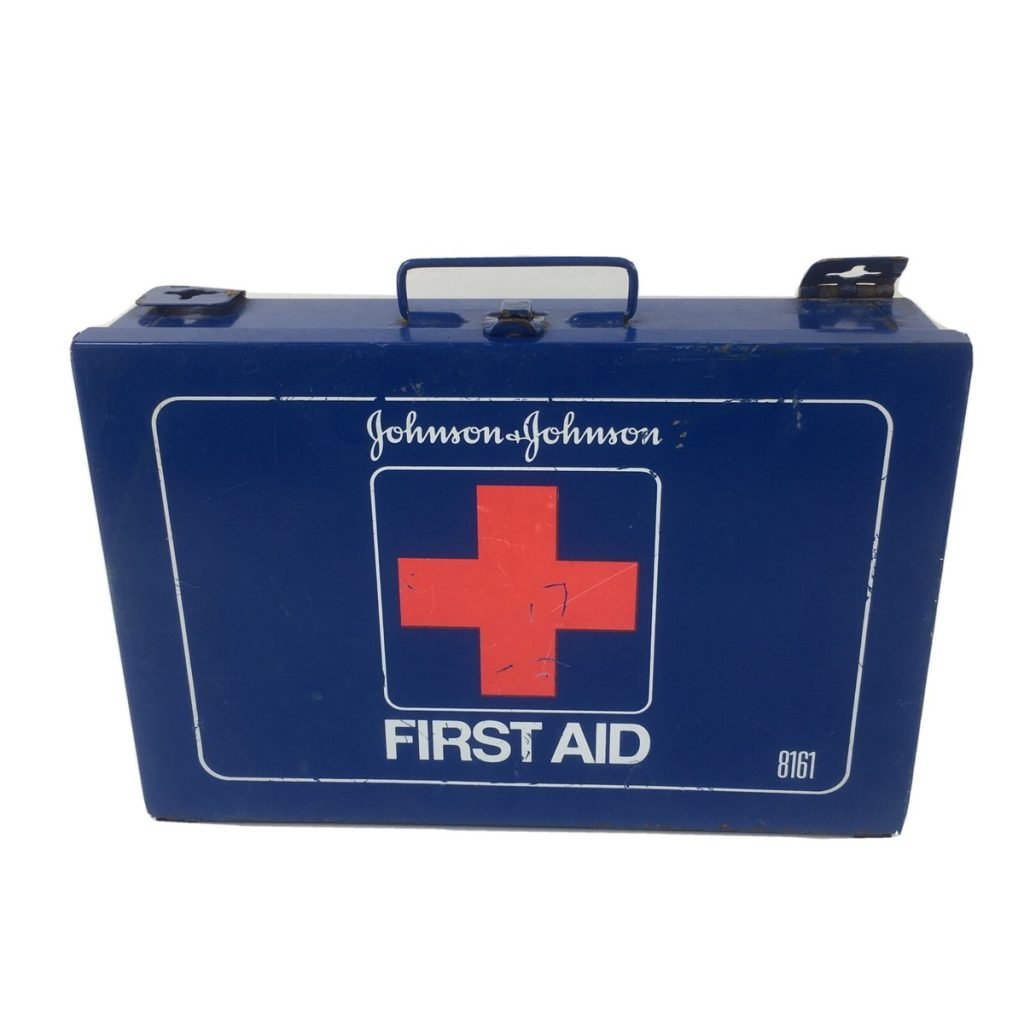
For over a century, Johnson & Johnson first aid kits have been a trusted fixture in homes, workplaces, and vehicles across the globe. Vintage models, produced between the 1890s and 1990s, bridge the gap between nostalgic design and rugged, practical utility, making them a favorite among collectors, emergency preparedness enthusiasts, and anyone who values reliable, time-tested safety tools. Whether you’re hunting for a rare pre-war tin to add to your collection, refilling a 1960s metal case for your car’s emergency kit, or simply curious about the brand’s iconic legacy, this guide covers everything you need to know about these timeless safety essentials.
The Enduring Legacy of Johnson & Johnson First Aid Kits
Johnson & Johnson’s first foray into portable first aid kits was rooted in its founding mission to make sterile medical care accessible outside of hospital settings. Founded in 1886 by Robert Wood Johnson, the company first gained recognition for its sterile surgical dressings, and quickly identified a gap in the market for ready-to-use medical supplies for on-the-go minor injuries.
Origins: From Surgical Dressings to Household Staples
The first Johnson & Johnson first aid kits rolled out in the late 1890s, initially marketed to railroad companies and factory owners to treat on-site injuries before professional medical care was available. These early kits contained basic sterile gauze, iodine solution, safety pins, and surgical tape, all packed in plain, no-frills tinplate boxes. By the 1920s, as automobile ownership surged, the brand released smaller, glove compartment-sized kits for household and travel use, cementing its status as a household name for everyday safety.
Design and Content Evolution Across Decades
Over the 20th century, Johnson & Johnson first aid kits evolved alongside changing medical standards and consumer needs. The 1930s saw the addition of adhesive bandages (the company had launched its iconic Band-Aid brand in 1920), while 1950s kits featured bright, lithographed labels and the brand’s signature red cross logo for quick identification in emergencies. The 1960s marked a shift to durable plastic cases for lighter weight, and the 1990s brought regulatory changes that removed mercury-based antiseptics like mercurochrome from all kits. Today, the brand offers specialized kits for sports, travel, workplaces, and households, but vintage models remain popular for their rugged construction and nostalgic appeal.
Key Features That Define Vintage Johnson & Johnson Kits
Vintage Johnson & Johnson kits stand out from modern alternatives for their durable construction, thoughtful design, and period-specific contents that reflect 20th-century first aid practices.
Durable Packaging Built for Real-World Use
Most vintage Johnson & Johnson first aid kits are housed in either tinplate metal tins (pre-1970) or high-impact plastic cases (1970s and later), both designed to withstand drops, moisture, and extreme temperatures. Metal tins feature a rust-resistant coating and secure latch closures that keep contents dry even in a damp car trunk or job site toolbox. Many also include built-in dividers or slots to organize supplies, so you can find what you need quickly during an emergency. In practice, these tins are far more durable than most flimsy plastic first aid cases sold today, which is why many people repurpose them for modern use.
 This 1950s-era tin features a lithographed label and rust-resistant tinplate construction built for household and travel use.
Credit: www.ebay.com
This 1950s-era tin features a lithographed label and rust-resistant tinplate construction built for household and travel use.
Credit: www.ebay.com
Iconic Original Contents
The contents of vintage kits vary by era, but most include core first aid staples that remain relevant today. A common misconception is that vintage kits contain dangerous or useless supplies, but most core items are still effective for minor wound care, as long as they are unexpired. The only items no longer recommended for use are mercury-based antiseptics like mercurochrome, which were banned for over-the-counter sale by the FDA in 1998 due to confirmed neurotoxicity risks.
For quick reference, here is a breakdown of common contents by era:
| Era | Common Contents | Packaging |
|---|---|---|
| 1890s–1920s | Sterile gauze, iodine solution, safety pins, surgical tape | Plain tinplate boxes with minimal branding |
| 1930s–1950s | Adhesive bandages (Band-Aid), mercurochrome antiseptic, small scissors, instructional leaflets | Colorful lithographed tins with red cross logo |
| 1960s–1990s | Modern adhesive bandages, antiseptic wipes, pain relievers, elastic bandages | Durable plastic cases with snap closures |
Practical Modern Use Cases for Vintage and Refurbished Kits
While many vintage first aid kits are collected for their historical value, their rugged construction makes them ideal for practical modern use, too. Unopened vintage kits are not recommended for active first aid, as most medical supplies expire 3–5 years after production, and expired products may be ineffective or unsafe. That said, structurally intact empty vintage tins are a popular, eco-friendly choice for building custom first aid kits tailored to your specific needs.
Refilling a Vintage Tin for Car, Camping, or Home Use
Refilling a vintage tin is simple: first, remove any expired or damaged original contents, then add modern, unexpired supplies aligned with current first aid best practices. For a basic car or camping kit, include:
- Sterile gauze pads and adhesive tape
- Hypoallergenic adhesive bandages in multiple sizes
- Antiseptic wipes and antibiotic ointment
- Pain relievers (acetaminophen or ibuprofen)
- Burn gel and hydrocortisone cream for insect bites
- Tweezers, small scissors, and disposable gloves
Pair your refilled first aid tin with large-capacity dry goods storage to keep non-perishable food staples safe from pests and moisture during power outages or natural disasters. For portable, on-the-go use, a portable supply storage fits easily in a vehicle trunk or camping gear bag to hold both first aid supplies and other emergency essentials. Use sorted small-item organization to separate bandages, medications, and tools so you can find what you need quickly during an emergency.
For extended home emergency preparedness, store bulk dry goods in bulk staple storage alongside your first aid kit to cover your household’s needs for weeks at a time. A lightweight medium-sized dry supply storage fits easily in a backpack go-bag to hold enough food and water for 72 hours, the standard recommended emergency supply window. If you have pets, add a separate supply of their medication and food to your kit, stored in a pet-safe food storage to keep it fresh and secure.
Collecting Vintage Johnson & Johnson First Aid Kits
Collecting vintage first aid kits offers a unique window into 20th-century medical history, brand heritage, and evolving public health practices. Rare, well-preserved kits can be valuable both as display pieces and as investments, while common mid-century models are an accessible entry point for new collectors.
Identifying Authentic Kits and Spotting Reproductions
Authenticating a vintage Johnson & Johnson kit requires close attention to small, era-specific details:
- Check logo typography: Pre-1960 kits use a serif font for the Johnson & Johnson wordmark, while 1960s and later models use a sans-serif font. A 1940s kit with a sans-serif logo is a clear fake.
- Examine packaging: Authentic labels are lithographed (not digitally printed), and metal tins have metal hinges, not plastic. Reproductions often have blurry printing, cheap plastic parts, or mismatched era details.
- Verify contents: A kit claimed to be from the 1930s should not contain modern Band-Aid packaging or plastic tweezers, as these items did not exist at the time.
- Look for provenance: Original purchase receipts, estate sale documentation, or letters of authenticity add credibility for high-value collectible kits, which can sell for hundreds of dollars at auction.
Typical Value Ranges for Popular Eras
Vintage Johnson & Johnson first aid kit values vary widely based on era, condition, and completeness:
- 1920s–1930s railroad or factory-issued kits: $150–$500 (rare, often with original branding and intact contents)
- 1940s–1950s WWII-era military or home kits: $50–$200
- 1960s–1970s mass-market home kits: $20–$75
- 1980s–1990s plastic case kits: $10–$30 (most affordable entry point for new collectors) A common mistake new collectors make is overpaying for reproduced "vintage" kits sold on online marketplaces: always verify era details and seller credibility before purchasing high-value items.
Preservation and Restoration Best Practices
Proper preservation is key to maintaining the value and condition of your vintage first aid kit, whether you plan to display it or use it for practical purposes.
Daily and Long-Term Storage Tips
Store your kit in a cool, dry, dark space away from direct sunlight, which can fade labels and degrade paper contents and adhesives. Avoid damp basements, attics, or garages, as temperature fluctuations accelerate rust on metal tins and mold growth on paper inserts. If you handle the kit often, wear clean cotton gloves to avoid transferring oils and dirt to the tin and labels. For paper items like instructional leaflets, store them in acid-free, lignin-free sleeves to slow deterioration over time.
When to Avoid Full Restoration
While minor cleaning (dusting, gentle rust removal with fine-grade steel wool) is acceptable for display kits, avoid over-restoring high-value collectibles: repainting tins, replacing original contents, or using adhesive tape to repair labels can reduce the kit’s value by up to 70% among serious collectors. For kits you plan to use, focus on maintaining the structural integrity of the tin, and replace only expired or damaged contents with modern supplies.
Cultural Impact and Lasting Influence on Public Safety
The Johnson & Johnson vintage first aid kit is more than a collectible: it is a cultural touchstone that shaped how Americans approach everyday emergency care for generations.
Shaping Modern First Aid Standards
Johnson & Johnson’s early first aid kits were among the first widely available, pre-assembled medical supply packages for non-professionals, and their simple, organized layout set the template for modern first aid kits still used today. During World War II, Johnson & Johnson supplied over 10 million first aid kits to U.S. military medics, standardizing basic wound care practices that were later adopted for household and workplace use across the country. The brand’s signature red cross logo, featured on most vintage kits, became a universally recognized symbol for first aid in the United States for decades, a legacy that still influences first aid branding today.
A Symbol of Trust in Emergency Preparedness
For much of the 20th century, a Johnson & Johnson first aid kit was a standard requirement for workplaces, schools, and households, thanks to the brand’s decades-long reputation for quality and reliability. The kit’s presence in everyday spaces helped normalize basic first aid knowledge for ordinary people, reducing panic and improving outcomes for minor injuries long before the internet made first aid tutorials widely accessible. For a full list of evidence-based first aid supplies recommended for household and travel kits, the American Red Cross publishes an updated first aid kit essentials guide aligned with current emergency medical best practices.
 Authentic vintage kits feature period-specific logo typography and dated instructional leaflets not found in modern reproductions.
Credit: www.ebay.com
Authentic vintage kits feature period-specific logo typography and dated instructional leaflets not found in modern reproductions.
Credit: www.ebay.com
Frequently Asked Questions
What is a Johnson & Johnson vintage first aid kit?
A Johnson & Johnson vintage first aid kit is a first aid kit produced by the brand between the 1890s and 1990s, before the introduction of modern kit designs. Most contain original sterile dressings, adhesive bandages, antiseptics, and basic tools like scissors and safety pins, packaged in the brand’s signature metal or plastic tins. Unopened kits are highly sought after by collectors for their intact period-specific contents and packaging, while used kits are often repurposed for practical emergency use after refilling with modern supplies.
How do I identify an authentic vintage Johnson & Johnson kit?
Start by checking the logo typography: pre-1960 kits use a serif font for the Johnson & Johnson wordmark, while 1960s and later models use a sans-serif font. Authentic kits also feature lithographed (not digitally printed) labels, metal hinges on tins (not plastic), and contents consistent with the kit’s stated era (for example, a 1940s kit may include mercurochrome antiseptic, which was discontinued in 1998). Reproductions often have mismatched fonts, cheap plastic parts, or modern bandage packaging that did not exist in the kit’s claimed time period. Provenance, such as original purchase receipts or estate sale documentation, also adds credibility for high-value collectible kits.
Are Johnson & Johnson vintage kits still useful today?
Unopened vintage kits are not recommended for active first aid use, as most medical supplies (sterile dressings, antiseptics, pain relievers) expire 3–5 years after production, and expired medical products may be ineffective or unsafe to use. That said, structurally intact empty vintage tins are a popular, eco-friendly choice for building custom first aid kits: you can refill them with modern, unexpired supplies to match your specific needs, from household use to car and camping trips. For collectors, unopened kits hold the most value, as their original contents are untouched by time or use.
Why are Johnson & Johnson vintage kits popular collectibles?
These kits are popular for their blend of brand heritage, historical significance, and tangible connection to 20th-century everyday life. Rare editions, such as WWII-era military medic kits or 1920s railroad-issued first aid kits, can sell for hundreds of dollars at auction, while common 1950s–1970s home kits typically sell for $20–$75 depending on condition. Collectors also value the kits for their nostalgic packaging and the insight they offer into evolving first aid practices over the 20th century.
Can I refill a vintage Johnson & Johnson first aid tin for everyday use?
Yes, as long as the tin is structurally intact (no rust-through, working hinges, no cracked plastic) you can safely refill it with modern, unexpired first aid supplies to create a custom, stylish kit. Many people repurpose vintage tins for car glove compartments, camping gear, or home emergency stockpiles, as the rugged metal construction is far more durable than most modern plastic first aid cases.
 Late-1960s kits marked the shift from metal to durable plastic cases and the addition of modern adhesive bandages.
Credit: www.ebay.ca
Late-1960s kits marked the shift from metal to durable plastic cases and the addition of modern adhesive bandages.
Credit: www.ebay.ca
Final Thoughts
The Johnson & Johnson vintage first aid kit is far more than a nostalgic collectible: it is a tangible piece of American public health history, a durable, functional tool for modern emergency preparedness, and a beloved staple for vintage medical collectors. Whether you’re hunting for a rare pre-war tin to add to your collection, refilling a 1960s metal case for your car’s emergency kit, or simply appreciating the brand’s century-long legacy of trust and reliability, these kits offer unmatched timeless value. For the best results, prioritize structurally intact tins from reputable sellers, and pair your first aid kit with durable, airtight food storage solutions to build a complete, reliable household emergency preparedness system.

I’m Abby Lu, a passionate home cook who loves simplifying everyday meals. At PlugChef.com, I share product reviews and cooking guides to help you find the best tools for your kitchen.
Related posts:
 How Does a Certified Organic Kitchen Clean Dishware Efficiently?
 How to Decorate With Wire Baskets: Chic and Creative Ideas
 Kitchen Organization Tips for Meal Prep: Boost Efficiency
 Dollar Tree Kitchen Organization Hacks: Budget-Friendly Tips
 Slate Kitchen Appliances With White Cabinets: Style Upgrade
 Small Electrical Appliances: Maximize Your Home Efficiency

