
Dried dates are a pantry staple for baking, snacking, and energy snacks — until they become hard and chewy in the wrong way. This guide gives clear, practical methods to restore soft, plump dates, explains why they harden, shows how to store them so they stay tender, and offers troubleshooting and recipe uses. Read the step-by-step methods and pick the one that fits the time and equipment you have.
Why dried dates harden (quick explanation)
Dates dry out over time because they lose moisture and their natural sugars can recrystallize. Key causes:
- Moisture loss from exposure to air, low humidity, or warm storage.
- Sugar crystallization, which makes the surface grainy and firm.
- Improper packaging after opening (air trapped inside bags or jars). Understanding the cause helps you pick the best rehydration method rather than guessing.
Fast methods to soften dates (with exact steps)
Use these when you need soft dates within minutes to an hour.
Warm water soak (best balance of speed and texture)
- Place dates in a medium bowl.
- Pour warm (not boiling) water over them to fully submerge.
- Soak 10–30 minutes depending on firmness. Check at 10 minutes.
- Drain and pat dry. Use immediately or refrigerate.
Why it works: warm water slowly penetrates the fruit without overheating sugars. In practice, this is the simplest way to get plump, pliable dates for snacking or blending.
Microwave steam method (very quick)
- Put dates in a microwave‑safe bowl. Add 1–2 tablespoons water per cup of dates.
- Cover with a microwave-safe lid or plate.
- Microwave at 50–70% power for 20–30 seconds. Let sit 30 seconds.
- If still firm, repeat in 10–15 second bursts.
Caution: overheating will make dates sticky and can cause sugar to harden as it cools. Use short intervals and low power.
Steaming on the stovetop (gentle, retains flavor)
- Fill a small pot with 1–2 inches of water and bring to a simmer.
- Place dates in a steamer basket above simmering water.
- Steam 3–8 minutes, checking softness after 3 minutes.
- Remove and cool slightly before use.
Good for: preserving natural flavor and softening thicker, drier dates without extra water absorption.
Quick oven method (for larger batches)
- Preheat oven to its lowest setting (typically 170–200°F / 75–95°C).
- Spread dates on a baking sheet and cover with foil.
- Warm for 5–10 minutes. Check and extend in 5‑minute increments.
- Remove when pliable, not heated through.
Use this if you need to soften many dates at once. Avoid high heat to prevent drying or caramelizing the sugars.
Slow rehydration options (best flavour infusion)
These are for when you have more time and want to infuse flavor.
- Overnight fruit juice soak: Submerge dates in apple, orange, or pomegranate juice in the refrigerator overnight. This softens while adding subtle flavor.
- Damp-towel rest: Wrap dates loosely in a damp (not wet) clean cloth and leave in an airtight container overnight. This gently reintroduces humidity.
Tip: fruit-juice-soaked dates work great in recipes where you want extra flavor (smoothies, energy balls).
Quick comparison: pick the right method
| Method | Time | Best for | Drawbacks |
|---|---|---|---|
| Warm water soak | 10–30 min | Most uses; smoothies, snacking | Adds surface moisture—pat dry |
| Microwave steam | <1 min | Very fast single servings | Easy to overheat |
| Steaming | 3–8 min | Preserves flavor, small batches | Requires a steamer or setup |
| Low oven | 5–15 min | Large batches | Uses more energy; watch heat |
| Juice soak (overnight) | 4–12 hours | Flavor infusion | Longer wait; fridge space |
Food safety and storage (what to do after softening)
Rehydrating makes dates more perishable. Practical rules:
- Refrigerate rehydrated dates immediately in an airtight container.
- Use within about 5–7 days for best texture and safety. If they smell off or show mold, discard.
- For long-term unopened storage, keep in a cool, dry pantry; for longer shelf life, refrigerate or freeze dates.
For general food storage and safety guidance, consult USDA recommendations on storing perishable foods (USDA guidance on food storage). University extension services also offer practical tips for preserving fruits and dried foods ([extension.umn.edu]).
Common mistake: leaving softened dates at room temperature for days — this increases the risk of fermentation, sticky sugar build-up, or mold.
How to store dates to prevent hardening
- Airtight containers: Seal opened packs in zip-top bags, press out air, or use jars with tight lids.
- Refrigeration: Best in humid climates or for long-term storage.
- Small batches: Transfer a smaller portion to the pantry and keep the rest refrigerated or frozen.
- Freeze for months: Freeze whole dates in an airtight bag; thaw in the fridge when needed.
Pro tip: add a small, clean piece of apple or a piece of damp paper towel (wrapped in foil so it does not touch the fruit) to the container for extra humidity when storing short-term — check daily.
Using softened dates in recipes
Softened dates are versatile:
- Smoothies: Blend 2–4 softened dates for natural sweetness and texture.
- Date paste: Blend rehydrated dates with a little soaking liquid to make a natural sweetener for baking (substitute ~1:1 for sugar by sweetness, but adjust moisture).
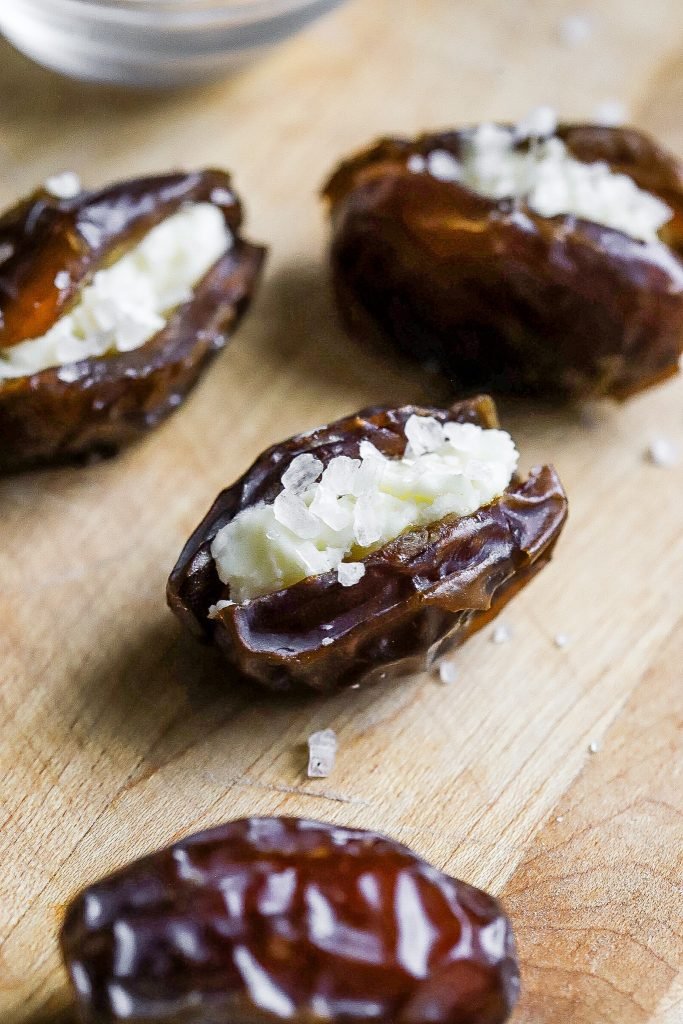
- Stuffed snacks: Pit and stuff with almonds, walnuts, or soft cheese.
- Baking: Chop and fold into muffins, breads, or energy bars for chewiness and moisture.
In practice: when replacing sugar with date paste, reduce added liquid in the recipe slightly and expect a denser crumb.
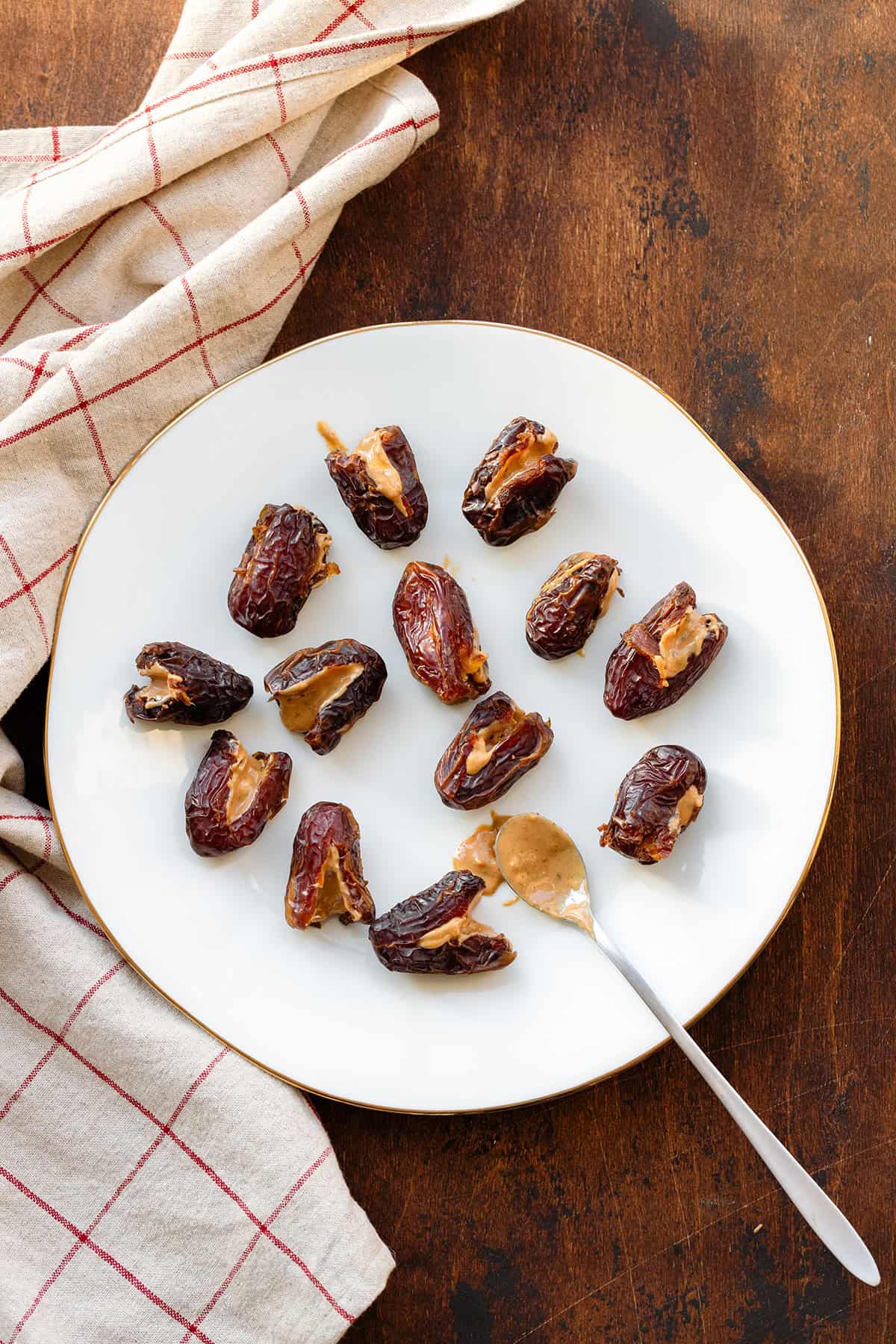
Credit: thehealthfulideas.com
Chocolate-covered dates make a soft, sweet snack after rehydration.
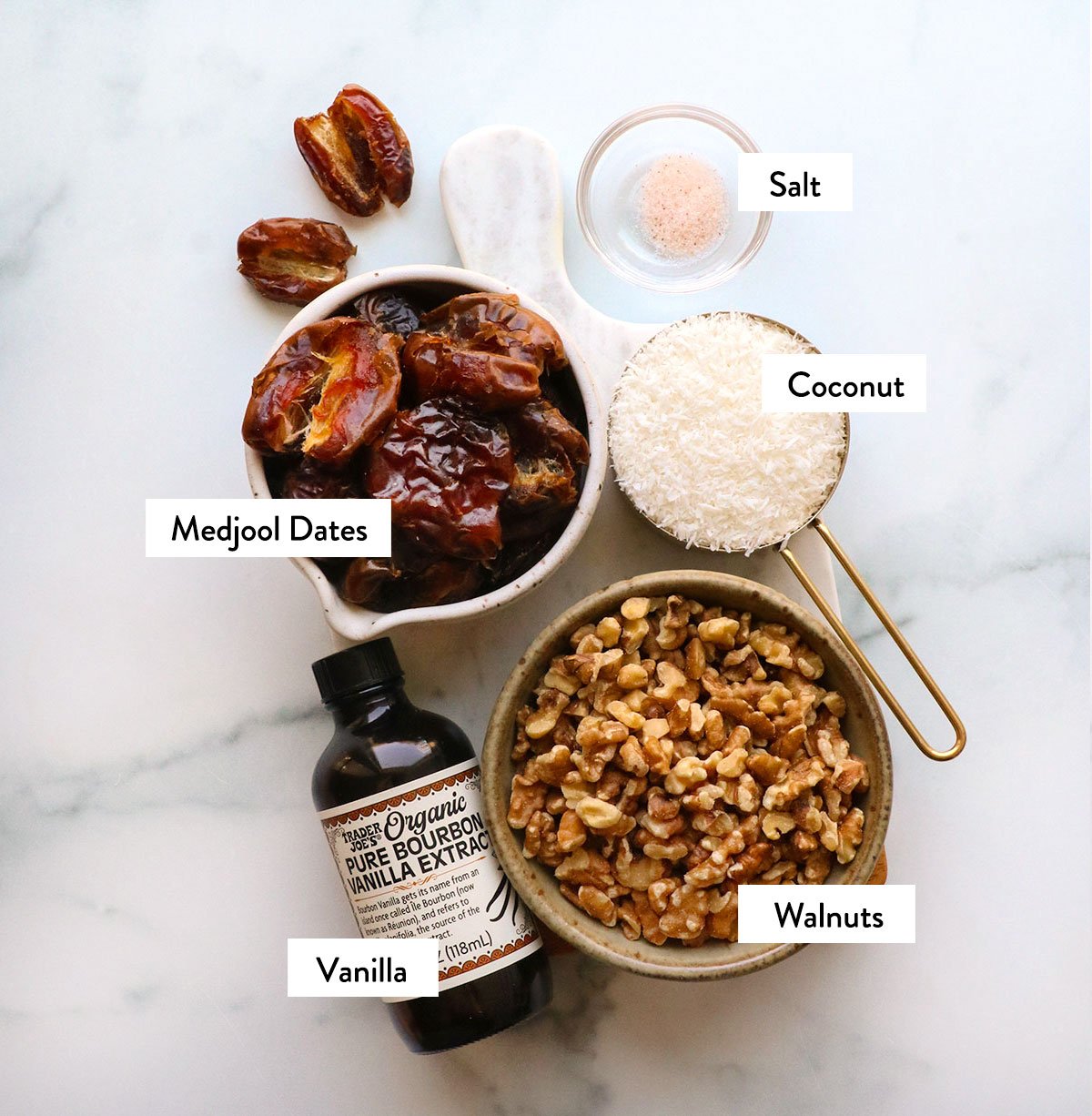
Credit: detoxinista.com
Ingredients for date-based energy balls — softened dates blend well here.

Credit: basicswithbails.com
Soft dates ready to be used in baking or as a dessert topping.
Troubleshooting: when softening doesn’t work
- Dates still hard after soaking: they may be very old or sugar-crystallized. Try a longer warm soak or gentle steam. If they remain gritty, they’re likely past prime.
- Dates become sticky and overly sweet: likely overheated. Cool and use immediately in a recipe.
- Signs of fermentation (off smell, fizzing) or mold: discard. Never cut around moldy dried fruit — mycotoxins can spread beyond visible areas.
Frequently Asked Questions
Q: Can I soften dates that are pitted or stuffed? A: Yes. Pitted or stuffed dates rehydrate faster because liquid reaches the interior. Reduce soak time and check often to avoid over-softening.
Q: Will soaking dates add a lot of extra sugar? A: Soaking itself doesn’t create sugar, but rehydration can bring out the dates’ natural sugars. Using fruit juice will add additional sugars and flavor.
Q: Can I freeze softened dates? A: Yes — freeze on a tray then transfer to an airtight bag. Thaw in the fridge. Freezing preserves texture well and prevents further hardening.
Q: How long does it take to rehydrate very hard, old dates? A: Very hard dates may need several hours of warm soak or an overnight juice soak. If they remain gritty, they may have crystallized sugars and won’t fully return to original texture.
Conclusion
Softening dried dates is quick and simple with the right method. For everyday use, a 10–30 minute warm water soak or a short microwave steam will restore chewiness without changing flavor. For flavor infusion and larger batches, use overnight juice soaks, steaming, or a low oven. After softening, refrigerate and use within about a week for best quality.
Try one of these methods today and bookmark this guide for future use — soft, plump dates are just a few simple steps away.

Hi, I’m Daniel Brooks—a food lover and kitchen gear enthusiast. I enjoy testing cookware, utensils, and gadgets to see what really works in everyday cooking. At PlugChef.com, I share honest reviews, comparisons, and simple guides to help you choose the best tools for a safer, smarter, and more enjoyable kitchen.
Related posts:
 How to Make a Fruit Basket for a Gift: Easy DIY Guide
 Do You Need a Basket? Essential Guide for Air Fryers
 What Blenders Do Tropical Smoothie Use: Expert Insights
Stainless Steel Vs White Kitchen Appliances: Ultimate Showdown
What Blenders Do Tropical Smoothie Use: Expert Insights
Stainless Steel Vs White Kitchen Appliances: Ultimate Showdown
 Kitchen Appliances for Wedding Registry: Must-Have Essentials
 Top 10 Best Non-Toxic Cooking Utensils – Safe & Durable Choices for Healthy Homes

