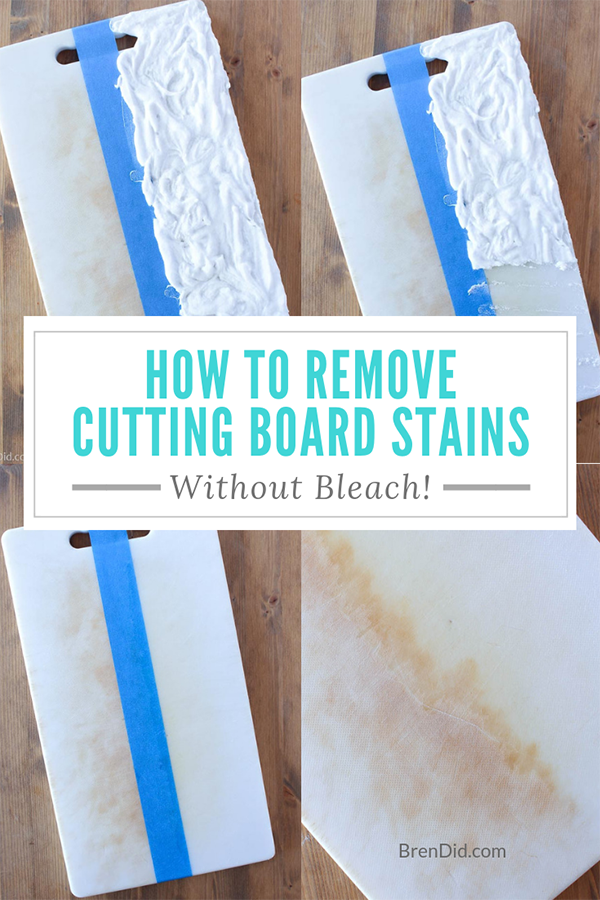

Wood cutting boards are a great tool for cooking. They are strong and last a long time. But sometimes, mold can grow on them. Mold looks like small green or black spots. It can make your cutting board unsafe to use. You must clean mold carefully. This guide will help you remove mold from wood cutting boards safely.
Why Does Mold Grow on Wood Cutting Boards?
Mold likes wet and warm places. Wood cutting boards often stay wet after washing. If you keep them in a dark or damp place, mold can grow. Mold spores are everywhere in the air. When they find the right place, they grow quickly. Mold can cause bad smells and stains on your board.
Is Mold Dangerous?
Yes, mold can be harmful. It can cause allergies and breathing problems. Some molds produce toxins. If you use a moldy cutting board, it can contaminate your food. You should remove mold as soon as you see it. If the mold is deep or very bad, you may need a new board.
Things You Need to Clean Mold from Wood Cutting Boards
Before you start, gather these items:
- White vinegar
- Baking soda
- Coarse salt (like sea salt)
- Hydrogen peroxide (3%)
- Soft brush or sponge
- Clean cloth or paper towels
- Mineral oil (optional)

Image:Why Does Mold Grow on Wood Cutting Boards?
Step-by-Step Guide to Remove Mold
Follow these steps carefully for the best results:
Step 1: Dry The Cutting Board
Make sure your cutting board is dry. Mold grows faster on wet wood. Wipe the board with a clean cloth. Let it air dry if needed.
Step 2: Brush Off Loose Mold
Use a soft brush to remove mold spots. Brush gently to avoid scratching the wood. Do this outside or over the sink. This stops mold spores from spreading.
Step 3: Apply White Vinegar
White vinegar kills many types of mold. Pour vinegar directly on the moldy areas. Let it sit for 10 minutes. Vinegar is safe and natural. It also helps remove odors.
Step 4: Scrub With Baking Soda And Salt
Mix baking soda and coarse salt. Add a little water to make a paste. Use the paste to scrub the board. Scrub in circular motions. This cleans deep into the wood. Baking soda and salt help remove stains and kill mold.
Step 5: Rinse And Dry
Rinse the board with warm water. Do not soak the wood. Too much water can damage it. Dry the board completely with a towel. Then let it air dry for several hours.
Step 6: Use Hydrogen Peroxide
If mold is still there, try hydrogen peroxide. Pour a little on the mold spots. Let it sit for 10 minutes. Hydrogen peroxide kills mold and bacteria. Rinse well and dry the board.
Step 7: Oil The Board
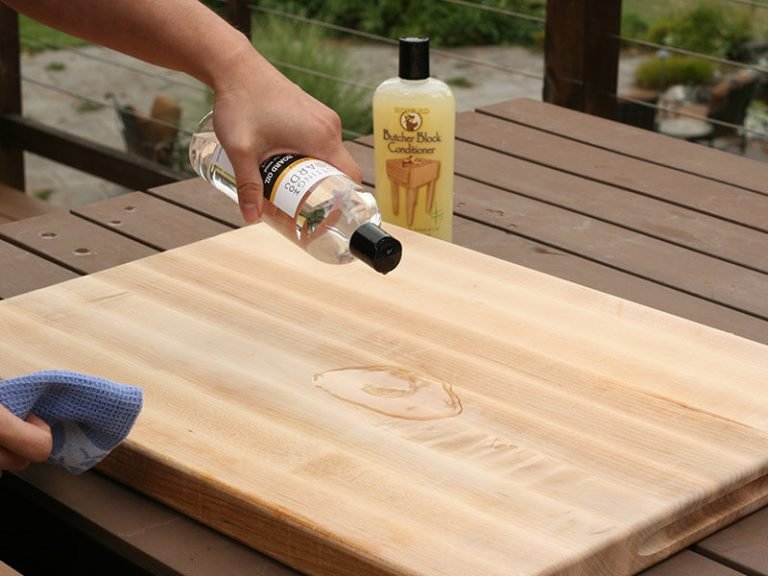
After cleaning, wood can dry out. Use mineral oil to protect the board. Apply a thin layer with a clean cloth. Let the oil soak in for a few hours. Wipe off any extra oil. Oiling keeps the wood healthy and stops mold.
How to Prevent Mold on Wood Cutting Boards
Stopping mold is easier than cleaning it. Follow these tips:
- Wash the board after every use with soap and water.
- Dry the board completely before storing.
- Store in a dry, well-ventilated place.
- Use mineral oil regularly to keep wood sealed.
- Avoid soaking the board in water for a long time.
- Clean the board with vinegar or baking soda once a week.
When to Replace Your Wood Cutting Board
Sometimes, mold damage is too bad. If you see deep cracks or the mold is inside the wood, it is time to replace the board. Old boards are hard to clean well. Using a damaged board can be unsafe. A new board keeps your kitchen clean and safe.
Summary Table: How to Remove Mold from Wood Cutting Boards
| Step | Action | Time |
|---|---|---|
| 1 | Dry the board | 5 minutes |
| 2 | Brush off loose mold | 5 minutes |
| 3 | Apply white vinegar and wait | 10 minutes |
| 4 | Scrub with baking soda and salt | 10 minutes |
| 5 | Rinse and dry | 10 minutes + air dry |
| 6 | Apply hydrogen peroxide (if needed) | 10 minutes |
| 7 | Oil the board | Few hours to soak |
Final Thoughts
Mold on wood cutting boards is common but fixable. Use simple things like vinegar and baking soda. Clean your board often to stop mold from coming back. Always dry your board well. Take care of it with oil. A clean cutting board makes cooking safer and better. Follow these steps and enjoy your kitchen tools for a long time.
Frequently Asked Questions
How Do I Clean Mold Off A Wood Cutting Board?
Use white vinegar. Scrub gently. Rinse with hot water. Dry thoroughly.
Can Baking Soda Remove Mold From Wood?
Yes. Mix baking soda with water. Apply. Scrub gently. Rinse and dry.
Is Bleach Safe For Wooden Cutting Boards?
Avoid bleach. It can damage wood. Use vinegar or hydrogen peroxide instead.
How Often Should I Clean My Cutting Board?
Clean after every use. Avoid mold buildup. Maintain hygiene.

Hi, I’m Daniel Brooks—a food lover and kitchen gear enthusiast. I enjoy testing cookware, utensils, and gadgets to see what really works in everyday cooking. At PlugChef.com, I share honest reviews, comparisons, and simple guides to help you choose the best tools for a safer, smarter, and more enjoyable kitchen.
Related posts:
 How to Get Stains Out of Cutting Board: Easy & Effective Tips
 How to Get Smell Out of Wooden Cutting Board: Easy & Effective Tips
 How to Season Wooden Cutting Board: Easy Tips for Lasting Care
 How to Clean Kitchen Sink Drain With Garbage Disposal: Easy & Effective Steps
 How to Clean Drain Pipes in Bathroom: Easy Steps for Sparkling Results
 7 Steps in Cleaning the Kitchen: Ultimate Guide for a Sparkling Space