
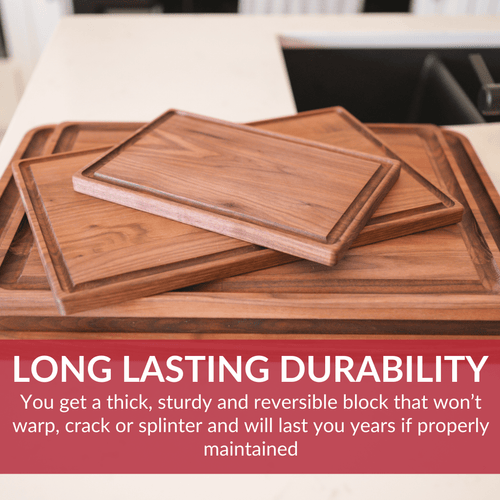
A warped cutting board is more than a minor kitchen annoyance—it rocks under your knife, leads to uneven cuts, and can even cause slips that damage your blades or put you at risk of injury. The good news is that most minor to moderate warping is fully fixable with simple household supplies, no need to replace a well-loved board right away. Whether your board cupped from an accidental dishwasher cycle or bowed from being stored near a hot oven, the steps below will help you restore perfect flatness and extend its lifespan for years.
Why Do Cutting Boards Warp?
Cutting boards warp due to the hygroscopic nature of their materials: wood, bamboo, and even some composites absorb and release moisture from the air, expanding when wet and shrinking as they dry. When this moisture exchange happens unevenly across the board, it causes bending, cupping (edges lifting upward), or bowing (middle lifting upward). Common causes of preventable warping include:
- Soaking boards in hot water or running them through the dishwasher
- Leaving boards wet on the counter after washing
- Storing boards near heat sources like stoves, ovens, or radiators
- Inconsistent oiling that leaves dry spots prone to cracking
- Cheap manufacturing with low-quality glue or thin, unstable wood layers
Minor warping (less than 1/4 inch of lift) is almost always fixable at home, but boards with deep cracks, splits along the grain, or delaminated layers are no longer safe for food prep and should be replaced.
What You’ll Need for the Fix
You don’t need any special tools to restore a warped cutting board. Gather these supplies before you start:
- Clean, cotton tea towels (avoid terry cloth, which can leave lint on the board)
- Room-temperature water (never hot, as it can damage glue in laminated boards)
- A flat, rigid surface (a clean countertop, large plywood sheet, or another thick cutting board works)
- 10–20 pounds of even weight (a stack of hardcover books, cast iron skillet, or bag of flour)
- Food-grade mineral oil (for sealing the board after the fix)
- 80-grit and 120-grit sandpaper (optional, for stubborn high spots)
Step-by-Step Fix for Minor to Moderate Warping
This method works for the vast majority of common warping issues, and takes just a few days of passive waiting.
Step 1: Soak the Board Evenly
Fill a shallow tub or sink with room-temperature water. Submerge the board for 15–30 minutes maximum—longer soaking can cause over-swelling and cracking. For boards with minor cupping (edges lifting), you can just dampen the concave (sunken) side with a wet towel instead of full soaking to avoid over-saturating the raised edges. In practice, many people make the mistake of soaking boards for hours, which often leads to more warping once they dry, not less.
Step 2: Remove Excess Water and Apply a Damp Barrier
Wipe the board down with a dry cloth to remove surface water, then lay a clean, damp (not dripping) cotton tea towel over the entire surface of the board. This barrier prevents the weight from sticking to the wood and keeps moisture distributed evenly as the board dries.
Step 3: Place on a Flat Surface and Apply Weight
Lay the board towel-side up on a completely flat, rigid surface (check with a bubble level if you’re unsure your countertop is perfectly flat). Stack weight evenly across the entire board—aim for 10–20 pounds total. A stack of hardcover books, a cast iron skillet, or a bag of flour works well; avoid weighted items with sharp edges that can dent the wood.
Step 4: Let It Dry Under Pressure
Leave the board weighted for 24 to 48 hours for minor warping, or up to 72 hours for moderate bending. Do not move or check the board during this time, as disturbing it before the wood has fully dried and set can undo the flattening process.
Step 5: Inspect and Repeat if Needed
After the waiting period, remove the weight and towel, then let the board air dry completely for 12 hours in a well-ventilated area. Check for flatness by placing it on a known flat surface and looking for gaps underneath. If it’s still slightly warped, repeat the process once more—do not attempt more than 3 total cycles, as repeated soaking can degrade the wood’s structure. Once flat, apply a thin coat of food-grade mineral oil to seal the wood and prevent future warping.
Fixing Stubborn or Severe Warping
If the standard moisture and weight method doesn’t fully flatten your board after two attempts, you have two options depending on the severity of the warping:
- Sanding for minor unevenness: If the board has less than 1/8 inch of lift and no cracks, sand the high spots with 80-grit sandpaper, then smooth the entire surface with 120-grit sandpaper. Wipe away dust, then apply 2-3 coats of food-grade mineral oil to seal the wood.
- Replacement for severe damage: If the board is warped more than 1/4 inch, has deep cracks, or is delaminating, it is no longer safe for food prep. Repurpose it as a trivet for hot pans, a base for kneading dough, or a plant saucer, and invest in a new warp-resistant board.
Note that plastic, resin, and composite boards cannot be fixed with the moisture method: if they are warped from heat exposure, they are likely melted and should be replaced. For minor warping in these materials, place them between two flat surfaces with even weight for 7–10 days, but avoid soaking them as it can degrade the material.
How to Prevent Future Cutting Board Warping
Preventing warping is far easier than fixing it, and a simple consistent care routine will keep your board flat for years. Follow these evidence-based tips:
Dry Immediately After Washing
The #1 cause of preventable cutting board warping is leaving boards wet after cleaning. After washing with mild soap and warm water, wipe the board completely dry with a clean cloth immediately, then stand it upright on its edge to air dry fully in a well-ventilated area. Never leave it lying flat on a damp countertop, and never put wooden or bamboo boards in the dishwasher—the high heat and prolonged water exposure will guarantee warping and cracking. The FDA recommends using separate boards for raw proteins and produce to avoid cross-contamination FDA cutting board guidelines, which also reduces the need for harsh scrubbing that can damage wood surfaces. For proper sanitization after handling raw chicken or other proteins, follow these safe sanitization steps to keep your board safe without causing damage.
Store Correctly
Store your board in a cool, dry area away from direct heat sources like stoves, ovens, radiators, and sunny windowsills. Avoid leaning boards against walls, as this can cause bowing over time; instead, store them flat, or use a vertical kitchen storage rack to keep them upright and well-ventilated, reducing moisture buildup.
Oil Regularly
Wood and bamboo boards need consistent oiling to seal their pores and prevent moisture from seeping in. Use only food-grade mineral oil (never vegetable, olive, or nut oils, which turn rancid and can spoil food). University of Minnesota Extension guidelines note that oiling frequency depends on use: for daily-use wooden boards, apply a thin coat 2–3 times per month, while bamboo boards (which are more porous) require weekly oiling. Let the oil soak in for 10–15 minutes, then wipe off any excess with a clean cloth.
 Credit: Virginia Boys Kitchens
Use Evenly
Alternate sides of the board when prepping food, and avoid concentrating all your cutting in one small area. Even wear prevents localized drying and swelling that leads to cupping. If you notice deep cuts or scratches in the surface, sand them smooth and re-oil the board to avoid moisture getting trapped in the grooves.
Choosing a Warp-Resistant Cutting Board
If you’re shopping for a new board and want to minimize warping risk, prioritize these features:
- Material: End grain wooden boards are the most stable, as their vertical wood fibers expand and contract evenly with moisture changes. Thick boards (1.5 inches or thicker) are far less likely to warp than thin, cheap options. High-density polyethylene (HDPE) plastic boards are completely warp-proof and ideal for raw protein prep, though they dull knife edges faster than wood.
- Construction: Avoid boards with cheap glue lines or multi-layer laminates from unknown manufacturers, as moisture can seep between layers and cause delamination and warping. For a custom, highly durable option, you can even make your own DIY resin builds that resist moisture damage entirely.
- Bamboo caution: While bamboo is eco-friendly and affordable, it is a compressed grass composite that is more prone to moisture damage than solid wood. If you choose bamboo, commit to a strict bamboo board care routine with weekly oiling to prevent warping.
 Credit: Virginia Boys Kitchens
A warped board also puts uneven pressure on your blades, so pair proper board care with knife edge protection to keep your tools sharp longer.
Frequently Asked Questions
How can I fix a slightly warped wooden cutting board?
Use the moisture and weight method outlined above: soak or dampen the board, place it between a damp towel and flat surface with 10–20 pounds of weight, and let it sit for 24–48 hours. This works for minor warping with less than 1/4 inch of lift. For more severe bending, you may need to repeat the process once or sand high spots before re-oiling.
Why does my cutting board warp after washing it?
Warping after washing is almost always caused by uneven drying: hot water, leaving the board wet on the counter, or storing it while still damp causes the wood to swell and shrink unevenly, leading to cupping or bowing. Always wipe boards dry immediately after washing and store them upright to air dry fully.
Can I use heat to straighten a warped cutting board?
Gentle, indirect heat (like placing the board in a sunny, shaded windowsill for a few hours) can help loosen wood fibers for minor warping, but never use direct high heat (ovens, hair dryers, radiators) as this will dry the wood too quickly, causing cracks and further warping.
Is sanding an effective way to fix a warped cutting board?
Sanding only works for minor surface unevenness (less than 1/8 inch of lift) and will not fix structural bending or cupping. If you sand a warped board, be sure to re-oil it thoroughly afterward to seal the wood and prevent future moisture damage.
Can I still use a slightly warped cutting board?
If the warping is minimal (no more than 1/8 inch of lift) and the board sits flat on one side, you can use the flat side for light prep work like slicing bread or arranging cheese. Avoid using a warped board for chopping, as it can slip during use, damage your knife edges, or even cause injury.
How often should I oil my cutting board to prevent warping?
For daily-use wooden boards, apply food-grade mineral oil 2–3 times per month. Bamboo boards require more frequent oiling, about once a week. If the board looks dry or faded, or water no longer beads on the surface, it’s time to re-oil.
Conclusion
A warped cutting board is a common kitchen nuisance, but most minor to moderate warping is fully fixable with simple household supplies and a little patience. The key to success is even moisture distribution and consistent, gentle pressure—avoid soaking boards for extended periods or using high heat, as these will cause more damage than good. Prevention is far easier than repair: dry your board immediately after washing, store it away from heat and moisture, and oil it regularly to keep the wood sealed and stable. If you’re in the market for a new board, prioritize thick, solid wood or high-quality HDPE options for the longest lifespan and minimal warping risk. For more tips to keep your kitchen tools in top shape, browse our full library of kitchen maintenance guides to make cooking and prep easier every day.

I’m Abby Lu, a passionate home cook who loves simplifying everyday meals. At PlugChef.com, I share product reviews and cooking guides to help you find the best tools for your kitchen.
Related posts:
 How to Make a Fruit Basket for a Gift: Easy DIY Guide
 Do You Need a Basket? Essential Guide for Air Fryers
 How to Adjust Syrup Dispenser Pressure: Expert Tips
 Kitchen Cabinets With Black Appliances: Trendy Design Tips
 White Kitchen And Stainless Steel Appliances: A Perfect Duo
 Kitchen Colors With White Cabinets And White Appliances: Vibrant Ideas

