
You’ve just poured the final glass of a crisp Sauvignon Blanc or full-bodied Cabernet Sauvignon, and there’s half a bottle left. The question hits: how long can this bottle of wine last after opening before it goes from delightful to undrinkable? No one wants to pour half a bottle of good wine down the drain, but sipping oxidized, vinegary wine is a quick way to ruin an otherwise nice evening.
The timeline depends on a handful of key factors, from the type of wine you’re working with to how you store it after popping the cork. Below, we’ll break down exact shelf lives for every major wine category, share 2026’s most effective preservation tips, debunk common myths, and help you spot spoilage before you take a sip. No outdated advice, no guesswork—just actionable guidance to help you enjoy every drop.
Quick Shelf Life Cheat Sheet for Opened Wine
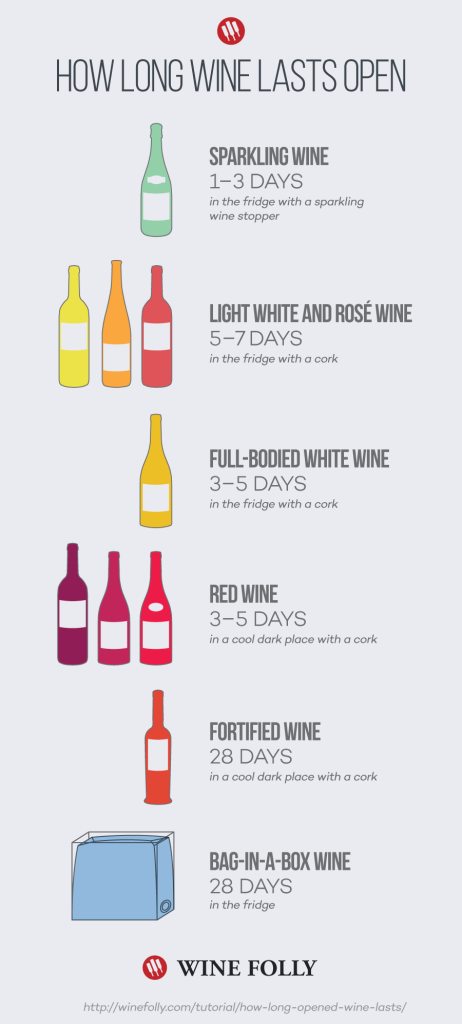
For a fast answer, refer to the table below for standard refrigerated, properly sealed shelf lives for common wine types:
| Wine Type | Refrigerated, Properly Sealed Shelf Life | Key Notes |
|---|---|---|
| Light-bodied red (Pinot Noir, Beaujolais) | 2–3 days | Low tannins make these more sensitive to oxidation |
| Full-bodied red (Cabernet Sauvignon, Malbec) | 3–5 days | Higher tannins and acidity slow spoilage slightly |
| Light white/rosé (Sauvignon Blanc, Provençal rosé) | 3–4 days | Delicate aromatic compounds fade quickly |
| Full-bodied white (oaked Chardonnay, Viognier) | 4–5 days | Higher alcohol and body preserve flavor longer |
| High-acid white (Riesling, Albariño) | 5–7 days | Natural acidity acts as a mild preservative |
| Sparkling wine/Champagne | 1–3 days | Carbonation dissipates rapidly once opened |
| Fortified dry wine (fino sherry, tawny port) | 2–4 weeks | High alcohol content (18–20% ABV) slows oxidation |
| Fortified dessert wine (cream sherry, vintage port) | 1–2 months | Sugar and alcohol work together to preserve flavor |
4 Key Factors That Change How Long Your Opened Wine Lasts
The exact shelf life of your opened wine isn’t set in stone. Four core variables will shift that timeline by days or even weeks, and understanding them will help you make the most of every bottle.
Wine Type
The single biggest predictor of opened wine longevity is its natural composition. Wines high in tannins (the bitter, astringent compounds found in grape skins and seeds) and acidity act as natural preservatives, slowing oxidation. Fortified wines with added spirits (like port or sherry) and high-alcohol dessert wines have even longer shelf lives, as alcohol inhibits bacterial growth and spoilage. Sweet wines with high residual sugar also last longer than dry varieties, as sugar acts as a secondary preservative.
Air Exposure
Every time you pour a glass, you introduce more oxygen to the bottle, accelerating oxidation. A bottle that’s 75% full has far less air contact than one that’s only 25% full, so half-empty bottles will always degrade faster than ones with just a single glass left. The quality of your seal also matters: a loose cork or missing stopper lets in far more oxygen than an airtight seal.
Storage Temperature
Heat speeds up chemical reactions, including the oxidation that spoils wine. According to the University of Minnesota Extension, every 10°F (5.5°C) increase in storage temperature doubles the rate of oxidation in opened wine. Storing opened wine at room temperature (68–72°F / 20–22°C) can cut its shelf life in half compared to refrigeration.
Preservation Tools
Basic seals like a cork or silicone stopper slow oxidation, but specialized tools can extend freshness even further. Vacuum pumps remove excess air from the bottle, while inert gas sprays create a protective barrier between the wine and remaining oxygen. The right tool for the job depends on the wine type, as some methods work better for full-bodied reds than delicate aromatic whites.
Opened Shelf Life by Wine Type
While the cheat sheet above gives general timelines, individual varieties within each category can vary based on their specific composition.
Red Wine
Full-bodied reds with high tannin levels, such as Cabernet Sauvignon, Malbec, and Syrah, last 3–5 days when refrigerated and properly sealed after opening. Lighter reds with lower tannins, like Pinot Noir and Beaujolais, have a shorter 2–3 day window, as their delicate fruit flavors fade faster with oxygen exposure. A common mistake among casual drinkers is leaving opened red wine on the counter, assuming its “hearty” profile makes it more resilient to heat—this can cut its shelf life by 50% or more.
White & Rosé Wine
Light, crisp whites like Sauvignon Blanc and dry rosé stay fresh for 3–4 days when refrigerated. Full-bodied oaked whites, such as Chardonnay, last 4–5 days thanks to their higher alcohol and body content. High-acid whites, including Riesling and Albariño, have the longest shelf life of any still wine, often staying fresh for 5–7 days, as natural acidity slows spoilage. All white and rosé wines should be stored in the main body of your fridge, not the door, to avoid temperature fluctuations.
Sparkling Wine & Champagne
Sparkling wine’s signature bubbles come from dissolved carbon dioxide, which escapes rapidly once the bottle is opened. With a proper, airtight champagne stopper, most sparkling wines stay effervescent for 1–3 days. The old myth that resting a spoon in the bottle’s neck preserves fizz has no scientific backing—tests have shown it does nothing to slow carbonation loss. For the best results, store opened sparkling wine upright in the fridge to minimize the surface area exposed to air.
Fortified & Dessert Wines
Fortified wines, which have extra distilled spirits added during production, have by far the longest opened shelf life. Dry fortified wines like fino sherry and tawny port last 2–4 weeks when refrigerated and sealed. Sweet fortified wines, such as cream sherry and vintage port, can stay fresh for 1–2 months, as their high sugar and alcohol content create an inhospitable environment for spoilage bacteria. Note that cream sherry, which has a lower alcohol content than dry varieties, will go bad faster than dry fino or amontillado sherry.
 Tools like vacuum pumps and inert gas sprays can extend opened wine’s freshness by 2–3 days when used correctly.
Credit: www.goodpairdays.com
Tools like vacuum pumps and inert gas sprays can extend opened wine’s freshness by 2–3 days when used correctly.
Credit: www.goodpairdays.com
Step-by-Step Tips to Extend Your Opened Wine’s Freshness
You don’t need a fancy wine cellar to keep opened wine fresh for as long as possible. Follow these simple, tested steps to stretch your bottle’s shelf life by days or even weeks.
Seal It Properly Immediately After Pouring
The moment you pour your final glass, reseal the bottle tightly. If your original cork is dried out or crumbling, swap it for a silicone stopper or the original screw cap if the bottle has one. For sparkling wine, use a specialized champagne stopper with a pressure-release valve to lock in carbonation—regular wine stoppers won’t create an airtight enough seal for bubbly.
Minimize Air Exposure in the Bottle
The less air inside the bottle, the slower the oxidation. If you have more than half a bottle left, transfer the wine to a smaller 375ml half-bottle, which reduces air space by up to 75% and extends shelf life by 1–2 days. For an extra boost, use an inert gas spray (such as argon-based Private Preserve) to create a protective layer over the wine’s surface before sealing. Vacuum pumps are another option, but note that they can strip delicate fruity aromas from light whites, rosés, and aromatic reds like Pinot Noir, so reserve them for full-bodied reds only.
Store at the Correct Temperature
Refrigerate every opened bottle of wine, regardless of type, to slow oxidation. The ideal storage temperature is 37–40°F (3–4°C), which is the standard temperature for most fridge main compartments. If you prefer to serve red wine at a cooler temperature than room temp, take it out of the fridge 30 minutes before serving to let it warm up slightly. Never store opened wine in the fridge door, where temperatures fluctuate every time the door opens.
Avoid Common Storage Mistakes
Keep opened wine away from direct sunlight, heat sources like ovens or dishwashers, and strong-smelling foods (onions, garlic, cheese) that can absorb odors through the bottle’s seal. Store bottles upright rather than on their side, as this minimizes the surface area of wine exposed to air inside the bottle.
 Fortified wines like port and sherry stay fresh for weeks when stored correctly, thanks to their high alcohol content.
Credit: www.vinha.co.uk
Fortified wines like port and sherry stay fresh for weeks when stored correctly, thanks to their high alcohol content.
Credit: www.vinha.co.uk
How to Tell If Your Opened Wine Has Gone Bad
Trust your senses before taking a sip—spoiled wine won’t make you sick, but it will ruin your evening. Look for these key red flags:
Visual Cues
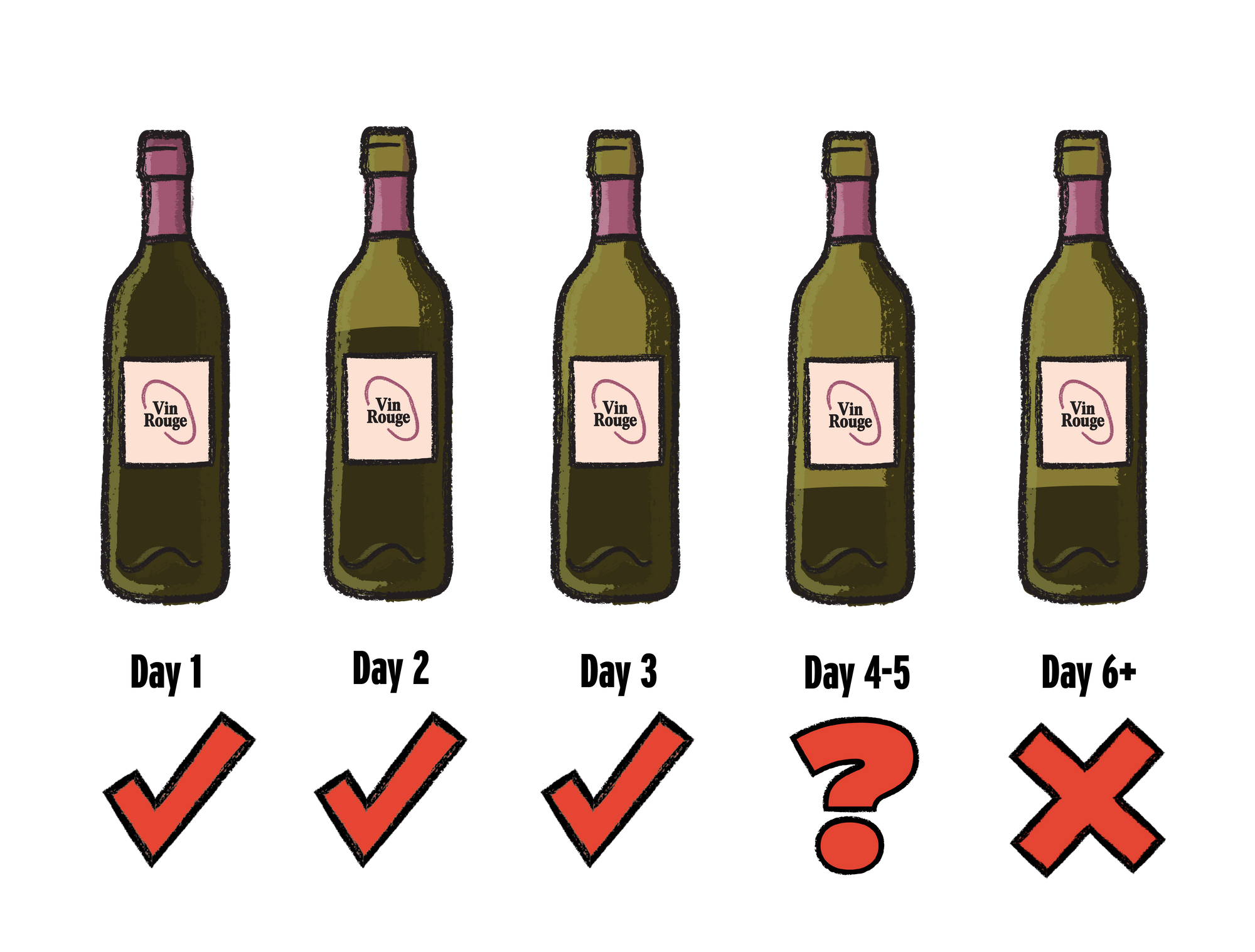
Fresh red wine has a vibrant, clear color ranging from deep purple (young wines) to brick red (aged wines). If your opened red turns brown or tawny after just 1–2 days, it’s oxidizing rapidly. White wine should be pale straw or golden in color; if it turns deep gold, amber, or cloudy, it’s likely spoiled. Sparkling wine should be clear and effervescent; if it’s flat and looks like apple cider, it’s past its prime. Note that a small amount of sediment in young red wine is normal, but excessive sediment in an older wine can signal spoilage.
Smell & Taste Red Flags
Fresh wine has bright, fruity, or earthy aromas depending on the variety. If you smell vinegar, wet cardboard, mold, nail polish remover, or rotten eggs, the wine has spoiled. On the palate, spoiled wine will taste sharp, vinegary, bitter, or flat, with none of the original fruit or flavor notes. If sparkling wine tastes like flat soda with no bubbles, it’s no longer drinkable.
Important note: Slightly oxidized wine that just tastes mellow or less vibrant is not unsafe to drink—it just won’t taste as good as it did when first opened. If it has no off smells or flavors, it’s still fine to use for cooking or drinking if you prefer a softer profile.
Common Wine Preservation Myths, Debunked
Misinformation about wine storage is rampant, and following outdated advice can shorten your bottle’s shelf life. Here are the most common myths, debunked:
- The spoon in the champagne bottle trick preserves fizz: Completely false. Resting a spoon in the bottle’s neck does not create an airtight seal, and tests have shown it has no impact on carbonation retention. Only a proper champagne stopper will keep your bubbly fresh.
- Red wine doesn’t need to be refrigerated after opening: False. Even full-bodied reds last 2–3 days longer when stored in the fridge, as cold temperatures slow oxidation. The only exception is very full-bodied, tannic reds that you plan to drink within 24 hours, which can stay on the counter for a few hours without significant flavor loss.
- Vacuum pumps work for all wine types: False. Vacuum pumps strip the delicate volatile aromatic compounds from light whites, rosés, and aromatic reds like Pinot Noir, leaving them tasting flat and lifeless. Reserve vacuum pumps for full-bodied reds only.
- Fortified wine lasts forever after opening: False. While fortified wines last far longer than still wines, sweet varieties like cream sherry and vintage port will still spoil after 1–2 months, even if refrigerated.
Frequently Asked Questions
Can I drink opened wine after 2 months?
Only fortified dessert wines like vintage port or Madeira are likely to still be drinkable after 2 months, and even then only if they’ve been refrigerated and properly sealed. All still wines (red, white, rosé, sparkling) will be spoiled after 2 months, with sharp, vinegary flavors and off aromas. While spoiled wine won’t make you sick, it will taste unpleasant, so it’s best to discard it.
Can I drink wine 10 days after opening?
It depends on the wine type. High-acid whites like Riesling and fortified dry sherry may still be drinkable after 10 days if refrigerated and sealed, though their flavor will be noticeably muted. Light reds, light whites, and sparkling wine will be flat and oxidized after 10 days, so they’re not worth drinking. Always check for off smells or flavors before sipping any wine stored for more than 5 days.
Does opened wine go bad if left unrefrigerated?
Yes, opened wine left unrefrigerated on the counter will spoil 2–3 times faster than wine stored in the fridge. Full-bodied reds may last 1–2 days at room temperature, while light whites and sparkling wine will go flat and spoil within 12 hours. If you leave opened wine on the counter for more than 4 hours, it’s best to refrigerate it immediately to extend its shelf life.
Can I freeze leftover wine for later use?
Absolutely. Freezing leftover wine is a great way to avoid waste, and it will keep for 3–6 months in an airtight container in your freezer. Thaw it in the fridge before using, and note that the texture may be slightly altered—frozen wine is perfect for cooking, deglazing pans, or making wine sauce, but may not taste ideal for drinking straight.
Can an opened bottle of wine go bad?
Yes, all opened wine will eventually go bad due to exposure to oxygen, heat, and light. The timeline varies by wine type and storage conditions, but all still wines will spoil within 1–2 weeks, while fortified wines can last up to 2 months. Always check for off smells, flavors, or visual changes before drinking any opened wine stored for more than 3 days.
How can I tell if my wine has gone bad?
Use your senses: look for brown discoloration in reds, deep gold or cloudiness in whites, or flatness in sparkling wine. Smell for vinegar, wet cardboard, mold, or rotten egg aromas. Taste for sharp, vinegary, or bitter flavors with no fruit notes. If any of these signs are present, the wine is spoiled and should be discarded.
Final Tips for Getting the Most Out of Every Bottle
Wine is meant to be enjoyed, not wasted, and with the right storage and preservation techniques, you can stretch every opened bottle to its full potential. The most important rule to remember: trust your senses over any generic timeline. A wine stored perfectly may still go bad early if it was flawed to start with, while a well-made wine may taste fine a day or two past its expected shelf life.
Refrigerate all opened wine immediately after pouring, seal it tightly, and use preservation tools for wines you want to keep for more than 2 days. And if you do end up with leftover wine that’s past its prime for drinking, use it for cooking—oxidized wine adds incredible depth to sauces, stews, and pan deglazes.
For more expert-backed tips on selecting, storing, and enjoying wine without waste, explore our full library of wine guides. For a visual walkthrough of proper wine preservation techniques, watch this step-by-step wine preservation guide.

I’m Abby Lu, a passionate home cook who loves simplifying everyday meals. At PlugChef.com, I share product reviews and cooking guides to help you find the best tools for your kitchen.
Related posts:
 How to Make a Fruit Basket for a Gift: Easy DIY Guide
 Do You Need a Basket? Essential Guide for Air Fryers
 Stainless Steel Appliances in a White Kitchen: Stylish Harmony
 Kitchen With White Cabinets And Stainless Steel Appliances: Timeless Elegance
 Culinary Evolution Smart Kitchen Appliances Leomart: Transform Cooking
 How to Clean Drain Pipes in Bathroom: Easy Steps for Sparkling Results

