
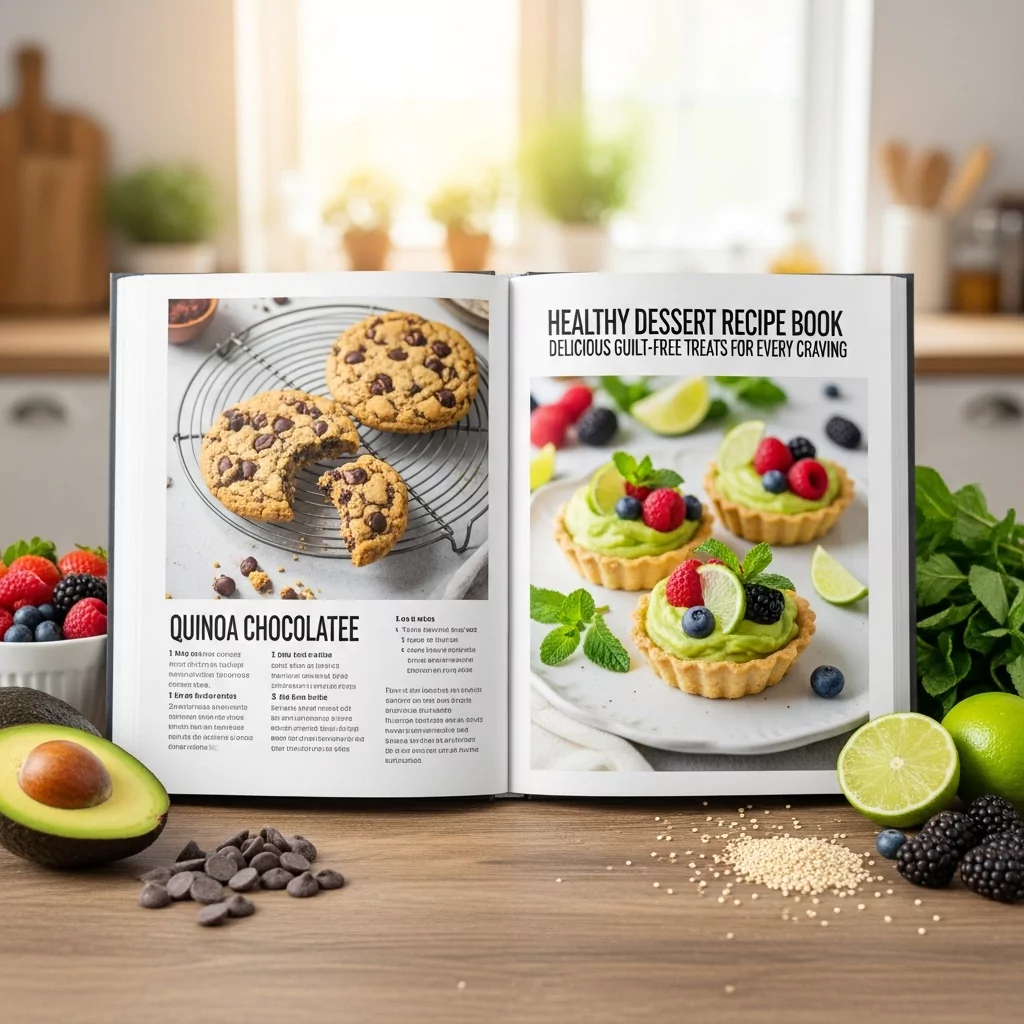
In 2026, the line between indulgence and wellness has blurred for home bakers, with most people prioritizing nutrient-dense treats that align with their health goals rather than cutting out sweets entirely. That’s where a well-curated healthy dessert recipe book comes in: it eliminates the guesswork of swapping refined sugar for whole-food sweeteners, adjusting baking temperatures for alternative flours, and catering to multiple dietary restrictions without sacrificing flavor, a practice supported by Academy of Nutrition and Dietetics mindful eating guidelines. Unlike untested online recipes that often lead to grainy almond flour brownies or runny no-bake cheesecake, vetted cookbooks feature lab-tested ratios and clear instructions that guarantee consistent results, even for first-time bakers. Whether you follow a gluten-free, vegan, keto, or low-sugar diet, or simply want to make treats that don’t leave you feeling guilty, the right recipe book becomes a go-to kitchen staple for every craving.
Why a Healthy Dessert Recipe Book Is a Must-Have in 2026
Gone are the days of "diet" desserts that taste like cardboard: modern healthy baking focuses on maximizing flavor and texture while using nutrient-dense, accessible ingredients. A dedicated recipe book saves you hours of trial and error, with tested recipes that account for the unique properties of alternative flours, natural sweeteners, and plant-based dairy swaps. For people with busy schedules, many books include 10-minute no-bake options that require no oven use, perfect for hot summer days or small apartments. A well-stocked pantry with smart under-sink storage for bulk gluten-free flours, natural sweeteners, and baking tools cuts down on prep time and makes whipping up treats on a busy weeknight far more manageable. Unlike generic online recipes, cookbooks also often include educational content about the science of baking, so you learn why certain steps (like chilling cookie dough for 2 hours) are non-negotiable for the best texture. For more on this, see our guide on phthalate free food storage containers.
Top Healthy Dessert Recipe Books for Every Craving and Diet
We’ve rounded up the most popular, well-reviewed options on the market, with details on who each book is best for, standout recipes, and honest trade-offs to help you pick the perfect fit.
Clean Treats for Everyone: Healthy Desserts and Snacks Made with Simple, Real Food Ingredients
Published by Fair Winds Press, this 176-page beginner-focused guide leans into whole, unprocessed ingredients like oats, dates, nut butters, and fresh fruit, with no obscure superfoods or hard-to-find specialty items. It’s ideal for new bakers or anyone looking to transition away from processed sugars without complicated swaps, with clear labeling for gluten-free, vegan, dairy-free, and nut-free recipes. Standout recipes include flourless black bean brownies, oat cookie dough bites, and no-bake peanut butter chocolate bites that taste like their traditional counterparts. Pros:
- Simple, step-by-step instructions perfect for first-time bakers
- All recipes use accessible ingredients found at most standard grocery stores
- Clear diet labels make it easy to find options for multiple restrictions Cons:
- Focuses more on snacks and no-bake treats than elaborate baked goods
- Some recipes use coconut aminos, which may be hard to find in small rural grocery stores
 Beginner-friendly guide to whole-food desserts with options for gluten-free, vegan, and dairy-free diets
Grab your copy on Amazon to start baking simple, whole-food desserts for every dietary need this week.
Bakerita: 100+ No-Fuss Gluten-Free, Dairy-Free, and Refined Sugar-Free Recipes for the Modern Baker
Created by popular gluten-free blogger Bakerita, this 288-page Harvest publication is built for bakers with gluten or dairy sensitivities who want refined sugar-free desserts that don’t sacrifice texture or flavor. Every recipe is tested multiple times to ensure consistent results, with step-by-step illustrations for tricky techniques like piping macaron batter or folding vegan whipped cream. It’s a great pick for intermediate bakers looking to expand their repertoire of diet-friendly treats. Pros:
- Over 100 tested recipes with zero refined sugar, gluten, or dairy
- Step-by-step illustrations reduce guesswork for visual learners
- Includes options for vegan and low-FODMAP diets Cons:
- Some recipes call for specialty gluten-free flour blends that can be pricier than all-purpose flour
- Limited options for people who don’t follow a restricted diet
 Tested recipes for bakers with gluten or dairy sensitivities, with step-by-step illustrations
Pick up your copy on Amazon to expand your gluten-free and dairy-free baking repertoire today.
Healthy Desserts Cookbook: Quick, Guilt-Free Recipes for No-Bake, Keto, Vegan, Gluten-Free, and Classic Treats
This compact 76-page 2025 release is perfect for busy people who don’t have time to bake, with 90% of recipes requiring 10 minutes or less of active prep time and no oven use. It covers a huge range of diets: keto, vegan, gluten-free, low-carb, and classic reduced-sugar options, with treats like keto peanut butter cups, vegan chocolate mousse, and low-carb cheesecake jars. It’s small enough to tuck in a work bag or store in a kitchen drawer for quick reference. Pros:
- Nearly all recipes are no-bake, requiring no special equipment
- Compact size makes it easy to store and travel with
- Includes options for every major dietary restriction Cons:
- Only 76 pages, so variety is limited compared to larger cookbooks
- No detailed nutritional information per serving, a downside for people tracking macros
 Compact guide for busy schedules with 10-minute no-bake and low-carb dessert options
Grab your copy on Amazon for quick no-bake and low-carb treats perfect for busy weeknights.
Good & Sweet: A New Way to Bake with Naturally Sweet Ingredients
Published by Avery in 2022, this 288-page guide focuses on reducing refined sugar by 30-50% in traditional baked goods using whole-food sweeteners like honey, maple syrup, date puree, and mashed banana, rather than artificial sugar substitutes. It’s ideal for people who want to cut back on added sugar without giving up their favorite classic desserts, with tested recipes for chocolate chip cookies, fruit crumbles, pound cake, and more. Note that the 2022 publication predates the 2024-2026 rise in popularity of allulose and monk fruit sweeteners, so it focuses exclusively on whole-food sugar alternatives. Pros:
- Tested recipes retain the texture and flavor of traditional baked goods with far less refined sugar
- Includes tips for adjusting sweetness levels to match your personal preference
- Covers every category of baked goods, from cookies to breads Cons:
- Natural sweeteners like maple syrup and date puree can be pricier than white sugar
- No options for keto or low-carb diets, as all recipes use natural sugar sources
 Tested recipes that cut refined sugar by 30-50% using whole-food sweeteners
Pick up your copy on Amazon to master reduced-sugar baking with whole-food sweeteners.
Bake to Be Fit’s Secretly Healthy Desserts: Easy Gluten-Free, Sugar-Free, Plant-Based, or Keto-Friendly Brownies, Cookies, and Cakes
This 232-page Skyhorse 2020 release is built for people who want diet-friendly versions of their favorite classic desserts, with no weird aftertastes from artificial sweeteners or processed ingredients. Recipes cover gluten-free, sugar-free, plant-based, and keto diets, with treats like keto chocolate lava cake, sugar-free oatmeal raisin cookies, and plant-based tiramisu that taste indistinguishable from their traditional counterparts. It’s a great pick for people new to healthy baking who are nervous about weird, unappetizing results. Pros:
- Recipes are designed to taste identical to traditional indulgent desserts
- Clear instructions for all skill levels, with no fancy equipment required
- Covers four major dietary restrictions in one book Cons:
- Some recipes use specialty ingredients like erythritol or almond flour that can be expensive
- 2020 publication date means it doesn’t include newer sweetener options like allulose
 Guilt-free brownies, cookies, and cakes that taste like traditional indulgent desserts
Grab your copy on Amazon to make diet-friendly versions of your favorite classic desserts.
Desserts Illustrated: The Ultimate Guide to All Things Sweet 600+ Recipes
Created by the trusted America’s Test Kitchen team, this 584-page 2022 release is the most comprehensive dessert reference on the market, with over 600 tested recipes covering every category from cakes and cookies to pies, frozen treats, and even dog-safe desserts. It goes beyond just recipes to teach the science of baking, explaining how ingredients interact, how to troubleshoot common problems (like sunk cakes or tough cookies), and how to adjust recipes for dietary restrictions. It’s ideal for intermediate to advanced bakers who want to build their skills while filling their cookbook collection with reliable, healthy-friendly options. Pros:
- Over 600 tested recipes with consistent, restaurant-quality results
- Educational content about baking science helps you improve your skills over time
- Includes options for gluten-free, vegan, and low-sugar diets alongside classic recipes Cons:
- 584 pages can be overwhelming for beginners looking for quick, simple recipes
- Heavy and large, making it less portable for travel or small kitchens
 All-encompassing reference for home bakers covering every dessert category
Pick up your copy on Amazon to build a lifelong reference for every dessert occasion.
Doggy Desserts: 125 Homemade Treats for Happy, Healthy Dogs
This 112-page CompanionHouse Books release is a niche but beloved option for pet owners who want to avoid commercial dog treats full of fillers, artificial preservatives, and toxic ingredients like xylitol. All 125 recipes use dog-safe ingredients like xylitol-free peanut butter, pumpkin, sweet potato, and oats, with options for cookies, bars, frozen treats, and cakes. It’s a great pick for anyone who loves baking and wants to include their furry friend in treat time. Pros:
- All recipes are vet-approved and free of common toxic ingredients for dogs
- Includes options for dogs with common allergies (grain-free, protein-sensitive)
- Simple instructions that are easy to follow even for people who don’t bake often Cons:
- No detailed nutritional breakdown per serving, so you’ll need to consult your vet for dogs with health conditions like diabetes
- Limited options for large breeds that need higher-calorie treats
 125 vet-friendly treat recipes for dog owners avoiding commercial additives
Grab your copy on Amazon to make safe, nutritious homemade treats for your furry friend.
The Ultimate High-Protein Dessert Cookbook: Low-Sugar Recipes to Curb Cravings, Stay Full Longer, and Eat Sweets That Actually Support Your Goals
This 72-page May 2025 independent release is built for fitness enthusiasts, people managing blood sugar, and anyone on a weight management plan who wants dessert without derailing their goals. Each recipe includes 10-20g of protein per serving, using ingredients like protein powder, Greek yogurt, cottage cheese, and nut butters, with zero refined sugar and low net carbs. Standout recipes include protein brownies, Greek yogurt cheesecake bites, and chocolate hummus that double as a post-workout snack. Pros:
- Macro-friendly recipes that support muscle recovery and satiety
- Low-sugar options that avoid blood sugar spikes
- Includes vegan high-protein recipes using plant-based protein powder Cons:
- Only 72 pages, so recipe variety is limited
- Some protein powders can leave a chalky aftertaste if not mixed properly
 Macro-friendly high-protein desserts for fitness enthusiasts and blood sugar management
Pick up your copy on Amazon to make macro-friendly desserts that support your fitness goals.
Clean Desserts: Delicious No-Bake Vegan & Gluten-Free Cookies, Bars, Balls, and More
This 232-page Skyhorse release is exclusively focused on no-bake treats, making it perfect for hot summer days, small kitchens without ovens, or beginner bakers who are nervous about baking. All recipes are vegan and gluten-free, using ingredients like oats, nuts, dates, and coconut cream to create treats like no-bake peanut butter chocolate bites, vegan cookie dough balls, and gluten-free lemon bars. Most recipes take 15 minutes or less to assemble, and many can be frozen for up to 3 months for quick access. Pros:
- 100% no-bake recipes, no oven or special equipment required
- All recipes are vegan and gluten-free
- Most treats take 15 minutes or less to make Cons:
- No baked goods options, so it’s not a good fit for people who love traditional baked desserts
- Some recipes call for coconut cream, which can be hard to find in some regions
 All no-bake plant-based and gluten-free treats for hot days or oven-free kitchens
Grab your copy on Amazon for easy no-bake vegan and gluten-free treats no oven required.
Key Features to Look for When Choosing a Healthy Dessert Recipe Book
Not all healthy dessert cookbooks are created equal: to pick the right one for your needs, prioritize these features:
- Dietary alignment: Make sure the book explicitly caters to your specific restrictions (e.g., keto, nut-free, low-FODMAP) rather than including only a few token options.
- Ingredient accessibility: Avoid books that require obscure, expensive ingredients you can’t find at your local grocery store, unless you’re willing to shop at specialty health food stores regularly.
- Skill level match: Beginners should look for books with step-by-step photos and simple techniques, while experienced bakers may prefer books that teach advanced skills like tempering chocolate or making vegan meringue. Keeping your baking tools organized with custom drawer organizers ensures you can find measuring cups, spatulas, and specialty tools quickly mid-recipe.
- Nutritional transparency: If you track macros or have health conditions like diabetes, pick a book that lists detailed nutritional information (calories, protein, net carbs, sugar) per serving, rather than just ingredient lists.
- Recipe variety: Make sure the book includes treats you actually crave, rather than just obscure health foods you’ve never heard of.
Pro Tips for Baking Success With Your New Cookbook
Even the best recipe book can lead to failed bakes if you skip key steps: keep these expert tips in mind for consistent, delicious results every time:
- Read the full recipe before starting: Healthy baking often has non-negotiable steps (like chilling dough for 2 hours, or soaking nuts to improve texture) that you can’t skip without ruining the final product.
- Use a kitchen scale: Alternative flours (almond, coconut, oat) measure very differently by volume, so weighing ingredients ensures consistent results and avoids dense, crumbly baked goods.
- Don’t be afraid to modify: If a recipe calls for maple syrup and you don’t have it, you can substitute honey or agave, but note that it may slightly change the texture and flavor.
- Batch and freeze: Most healthy desserts freeze well for up to 3 months, so make a big batch of cookies, energy balls, or muffin bites to keep on hand for quick, guilt-free treats.
- Pair with balance: Even healthy desserts are treats, so pair them with a source of protein or fiber (like a handful of nuts or a serving of Greek yogurt) to avoid blood sugar spikes. For eco-conscious bakers, pairing your recipes with sustainable kitchen appliances like energy-efficient stand mixers and compostable baking parchment reduces your environmental footprint while you bake.
Frequently Asked Questions
What are the benefits of using real food ingredients in desserts?
As registered dietitians frequently note, whole-food ingredients like oats, nuts, dates, and fruit purees provide fiber, vitamins, and minerals that processed sugar and refined flour lack. Unlike traditional desserts that often cause blood sugar spikes and crashes, real-food treats support steady energy levels, and they’re free of the artificial preservatives, colors, and flavors common in store-bought sweets. Many people also find that desserts made with whole ingredients satisfy cravings more fully, reducing the urge to overindulge.
Are healthy dessert recipes suitable for special diets?
Yes, nearly all modern healthy dessert cookbooks include options for common dietary restrictions, including gluten-free, dairy-free, vegan, keto, low-FODMAP, and nut-free diets. Most books clearly label recipes by diet type, so you can quickly find options that fit your needs without cross-referencing ingredient lists. For people with severe allergies, always double-check ingredient labels, as cross-contamination warnings are not always included in cookbook recipes.
How can I reduce sugar in traditional dessert recipes?
You can replace 25-50% of refined sugar in most baked goods with natural sweeteners like mashed ripe banana, date puree, applesauce, or maple syrup, which add moisture and sweetness without the sharp blood sugar spike of white sugar. For people following low-sugar or keto diets, allulose and monk fruit sweeteners provide sweetness without net carbs, and they behave similarly to sugar in baking. Keep in mind that reducing sugar too much can affect texture and browning, so start with small substitutions before overhauling a recipe entirely.
Do healthy dessert cookbooks include no-bake options?
Many popular healthy dessert books feature no-bake recipes as a core category, since they require minimal equipment, no oven use, and often take 10 minutes or less to prepare. Common no-bake options include energy balls, chia pudding, cheesecake jars, and frozen yogurt bites, which are perfect for hot summer days, small kitchens, or beginner cooks who are nervous about baking. If no-bake options are a priority for you, look for books that label them clearly in the table of contents.
Can I find high-protein dessert recipes in healthy dessert cookbooks?
Yes, a growing subset of healthy dessert cookbooks focuses specifically on high-protein, low-sugar treats designed for fitness enthusiasts, people managing blood sugar, and anyone looking to stay full longer after eating. These recipes typically use protein powder, Greek yogurt, cottage cheese, or nut butters to add 10-20g of protein per serving, and they avoid refined sugar and excess carbs. Many also include vegan high-protein options using plant-based protein powders and silken tofu.
Are there healthy dessert recipes for dogs included in these books?
A small but popular niche of healthy dessert cookbooks focuses exclusively on dog-safe treats, with recipes that avoid toxic ingredients like chocolate, xylitol, grapes, and macadamia nuts. These books use whole ingredients like xylitol-free peanut butter, pumpkin, sweet potato, and oats to make treats that are safe for canine consumption. Always consult your veterinarian before introducing new treats to your dog’s diet, especially if they have existing health conditions like diabetes or kidney disease.
Conclusion
A high-quality healthy dessert recipe book is more than just a collection of recipes: it’s a tool for building a sustainable, guilt-free relationship with sweets that fits your lifestyle, dietary needs, and skill level. Whether you’re a first-time baker looking for simple no-bake options, a fitness enthusiast seeking high-protein treats, a pet owner wanting to make safe homemade snacks for your dog, or an experienced baker looking to reduce refined sugar in your favorite classics, there’s a book on this list that fits your needs. Pick a title that aligns with your goals, try a simple recipe this weekend, and enjoy a treat that satisfies your cravings without derailing your health. If you bake regularly, an outdoor compost bin lets you compost fruit peels, vegetable scraps, and even stale baked goods to reduce household waste and create nutrient-rich soil for homegrown berries and herbs to use in your desserts.

Hi, I’m Daniel Brooks—a food lover and kitchen gear enthusiast. I enjoy testing cookware, utensils, and gadgets to see what really works in everyday cooking. At PlugChef.com, I share honest reviews, comparisons, and simple guides to help you choose the best tools for a safer, smarter, and more enjoyable kitchen.
Related posts:
 Chicken With Fennel And Lemon: Easy, Flavorful Dinner Recipe
 Glaze Recipe for Smoked Ham: Irresistible Sweet & Spicy Twist
 Vegetarian Recipes in Crock Pot: Easy, Healthy & Delicious Meals
 Remove Stains from Coffee Mugs: Easy Tricks for a Spotless Shine
 French Onion Soup Roast Recipe: Irresistible Comfort Food Delight
 How to Cut Goat Cheese for Charcuterie Board: Expert Tips & Tricks

