
Are you looking for a safe and effective way to clean your wood floors without harsh chemicals? Castile soap might be the simple solution you’ve been searching for.
It’s gentle, natural, and surprisingly powerful at lifting dirt and grime. But how exactly does Castile soap work on wood floors? And is it the right choice for your home? Keep reading to discover how this natural cleaner can refresh your floors and protect your investment, all while keeping your space healthy and sparkling clean.
Benefits Of Castile Soap For Wood Floors
Castile soap offers many benefits for cleaning wood floors. It is a safe and effective option that helps maintain the beauty of wood surfaces. This soap works gently without causing damage or stripping the finish. It removes dirt and stains while keeping floors healthy and clean.
Natural And Non-toxic Ingredients
Castile soap is made from natural oils like olive oil and coconut oil. It contains no harsh chemicals or synthetic additives. This makes it safe for your family, pets, and the environment. Using castile soap reduces exposure to toxins often found in regular cleaners.
Gentle On Wood Surfaces
Wood floors need gentle care to avoid scratches and wear. Castile soap cleans without harsh abrasives or strong acids. It preserves the wood’s natural finish and prevents drying or cracking. This gentle action helps wood floors last longer and look better.
Effective Dirt And Stain Removal
Castile soap cuts through dirt, grime, and stains easily. It lifts away dust and sticky residues without leaving buildup. The soap’s natural oils help break down tough spots while protecting wood fibers. Floors feel fresh and clean after every use.
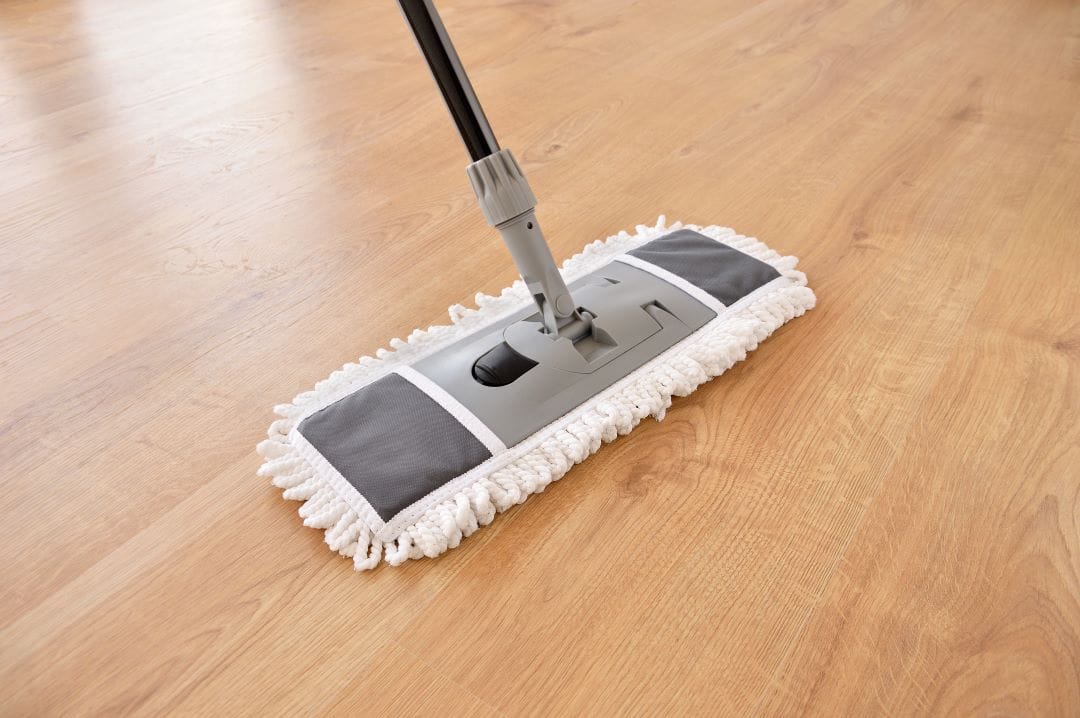
Credit: mattbritton.ie
Choosing The Right Castile Soap
Choosing the right Castile soap for your wood floors can make a significant difference in how clean and cared for your surfaces feel. Not all Castile soaps are created equal, and understanding your options helps you avoid damage while achieving a fresh, natural shine. Think about the type of soap that suits your cleaning style and the unique needs of your floors.
Liquid Vs. Bar Soap Options
Liquid Castile soap is often easier to dilute and mix with water, making it a popular choice for cleaning wood floors. It blends smoothly and spreads evenly, which means less risk of leaving residue behind. On the other hand, bar soap can be more concentrated, and you might find it less convenient for floor cleaning, but it lasts longer and is often less processed.
Consider your storage space and how often you clean. Do you prefer quick, ready-to-use solutions or something more economical that lasts? Your answer will guide you toward liquid or bar options.
Scented Or Unscented Varieties
Scented Castile soaps add a pleasant aroma to your cleaning routine, enhancing the experience. However, some fragrances might be too strong or contain additives that could affect sensitive wood finishes. Unscented varieties offer a pure, gentle clean without any extra ingredients that might interfere with your floor’s natural look.
Ask yourself if you want a fresh smell lingering after cleaning or if your priority is a completely natural, no-fragrance product. Your choice impacts not only the scent but also the potential reaction of your wood floors.
Organic And Eco-friendly Brands
Opting for organic and eco-friendly Castile soaps supports sustainability and reduces exposure to harsh chemicals. These brands often use plant-based oils and avoid synthetic preservatives, making them safer for your home environment. Plus, many eco-friendly options come in biodegradable packaging, which helps reduce waste.
Have you checked the ingredient list for harmful chemicals lately? Choosing a trusted organic brand can give you peace of mind while protecting your wood floors and the planet.
Preparing Your Wood Floor For Cleaning
Clear dust and debris from your wood floor before using Castile soap. Sweep or vacuum thoroughly to avoid scratching. Test the soap on a small area to ensure it won’t damage the finish.
Preparing your wood floor for cleaning is a crucial step. It ensures the effectiveness and safety of the cleaning process. Castile soap is a gentle yet effective cleaner for wood floors. Before using it, proper preparation is necessary.Sweeping And Vacuuming
First, sweep the entire floor. Use a soft-bristle broom to avoid scratching. Collect all loose debris and dirt. Then, use a vacuum cleaner. Make sure it has a soft floor setting. This helps remove fine dust particles. Don’t skip this step. It ensures a thorough clean.Spot Testing For Safety
Conduct a spot test before cleaning. Choose a hidden area on the floor. Apply a small amount of diluted Castile soap. Wait for a few minutes. Check for any adverse reactions. This ensures the solution is safe for your wood.Removing Dust And Debris
After vacuuming, inspect the floor. Look for remaining dust and debris. Use a damp microfiber cloth to wipe them. Ensure the cloth is not soaking wet. Excess water can damage wood floors. Focus on corners and edges. They often collect more dust. Your floor is now ready for cleaning.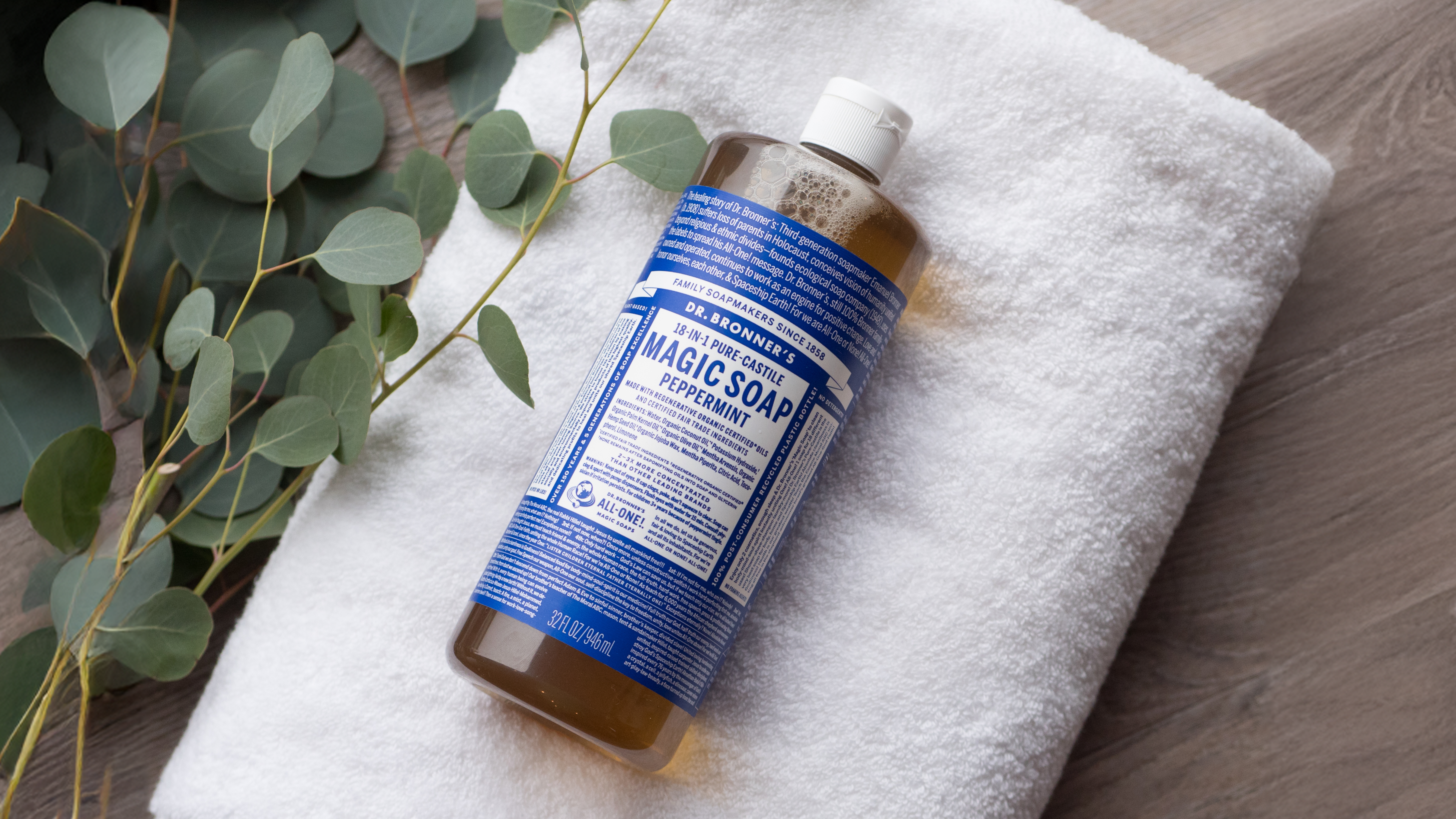
Credit: www.lisabronner.com
How To Make Castile Soap Cleaning Solution
Making a Castile soap cleaning solution for wood floors is simple and effective. It uses natural ingredients that clean without harming your wood. This gentle cleaner keeps floors shiny and fresh.
Start with pure Castile soap and mix it with water. Adjust the mixture to suit your floor’s needs and your cleaning style. Adding a few drops of essential oils can create a pleasant scent and boost cleaning power.
Recommended Dilution Ratios
Use the right dilution to protect your wood floors. Too strong can damage the finish. Too weak might not clean well.
- For light cleaning: 1 teaspoon Castile soap per 1 cup water
- For regular cleaning: 1 tablespoon Castile soap per 1 gallon water
- For tough spots: 2 tablespoons Castile soap per 1 gallon water
Adding Essential Oils For Fragrance
Essential oils add a fresh scent and extra cleaning power. Choose oils like lemon, lavender, or eucalyptus.
- Add 5 to 10 drops per gallon of cleaning solution
- Mix well before use to spread the scent evenly
- Test on a small area to check for any reaction
Using Warm Water For Best Results
Warm water helps the soap dissolve quickly. It also lifts dirt and grime better than cold water.
- Use warm, not hot, water to avoid damaging wood
- Mix soap thoroughly until it forms suds
- Apply solution with a damp mop or cloth for gentle cleaning
Step-by-step Cleaning Process
Cleaning wood floors with Castile soap requires a careful approach to protect the wood and keep it shiny. This process involves gentle techniques to clean without harming the surface. Follow these steps for the best results and long-lasting wood floor care.
Mopping Techniques
Use a soft mop or microfiber cloth for cleaning. Mix a small amount of Castile soap with warm water. Dip the mop into the solution and wring out excess water. Mop the floor in small sections, moving with the wood grain. Rinse the mop frequently in clean water to avoid spreading dirt. Avoid harsh scrubbing to prevent scratches.
Avoiding Excess Water Damage
Too much water can cause wood to warp or stain. Always wring the mop well before use. Never let water pool on the floor. Work quickly and dry any wet spots immediately. Use a damp mop, not a soaking one, to keep the wood safe. Proper water control keeps floors strong and beautiful.
Drying And Buffing Floors
After mopping, dry the floor with a clean, soft towel. Buff the surface gently to restore shine. Use circular motions with a microfiber cloth for best results. This step helps remove streaks and water marks. Let the floor air dry fully before walking on it. Regular drying keeps floors smooth and polished.

Credit: www.reddit.com
Maintaining Wood Floors After Cleaning
Keeping your wood floors looking fresh and vibrant after cleaning with Castile soap requires ongoing care. It’s not just about the initial wash; how you maintain the surface afterward plays a huge role in preserving its natural beauty and durability. Let’s dive into some practical ways you can extend the life of your wood floors and keep them shining.
Regular Cleaning Schedule
Setting a consistent cleaning routine helps prevent dirt buildup and dullness. Depending on foot traffic, aim to sweep or vacuum your wood floors at least twice a week. Follow this with a gentle wipe-down using diluted Castile soap every couple of weeks to maintain cleanliness without stripping natural oils.
Have you noticed how skipping regular cleaning makes dirt settle into tiny grooves? Staying on top of this keeps your floors smoother and easier to care for.
Spot Treating Stubborn Stains
Accidents happen, and some stains need a little extra attention beyond your usual cleaning. Instead of scrubbing harshly, dampen a soft cloth with a mild Castile soap solution and gently rub the spot. For tougher marks, a paste of baking soda and water can work wonders when applied carefully.
Remember, aggressive scrubbing can damage the wood’s finish, so patience is key. How do you handle spills before they leave a lasting mark?
Protecting Floors From Wear And Tear
Prevention is the best way to keep your wood floors in top shape. Use area rugs in high-traffic zones and felt pads under furniture legs to reduce scratches. Regularly checking for loose boards or gaps and addressing them quickly can prevent bigger problems down the line.
Think about your daily routines—could adding simple protective measures make a difference in your floor’s longevity?
Common Mistakes To Avoid
Cleaning wood floors with Castile soap is a smart choice, but many people slip up with simple mistakes that can damage their floors or reduce the soap’s effectiveness. Knowing what to avoid helps you protect your wood and keep it looking great longer. Let’s look at some common errors that can turn your cleaning routine from helpful to harmful.
Using Too Much Soap
More soap doesn’t mean cleaner floors. Using too much Castile soap can leave a sticky residue that attracts dirt and dulls the wood’s finish. I once tried a heavy dose, thinking it would tackle tough grime faster, but it just made my floors feel tacky for days.
Stick to a small amount—usually just a few drops in a bucket of water. This keeps your floor clean without buildup. Have you ever noticed your floors getting grimy faster after a deep clean? It might be soap residue.
Over-wetting The Floor
Wood and water don’t mix well, and over-wetting can cause warping or stains. When cleaning with Castile soap, use a damp mop, not a soaking wet one. I learned this the hard way when a flood-like mopping session left my floor edges swelling.
Wring your mop thoroughly and consider using microfiber pads for better control. Ask yourself: Is the floor damp enough to clean or is it drowning?
Ignoring Manufacturer Guidelines
Every wood floor is different. Ignoring the manufacturer’s care instructions can void warranties or cause irreversible damage. Before you start, check if your floor has specific cleaning recommendations or restrictions on soap types.
Sometimes, even natural soaps like Castile can be too harsh for certain finishes or wood types. Have you checked your floor’s care label lately? It could save you a costly mistake.
Alternatives And Add-ons For Enhanced Cleaning
Castile soap is gentle and effective for cleaning wood floors. Sometimes, adding other natural ingredients can boost its power. These alternatives and add-ons help tackle dirt and maintain wood’s shine.
Using the right tools and combinations improves results without harming the floor.
Mixing Vinegar With Castile Soap
Vinegar helps cut through grease and grime. Mixing it with Castile soap creates a balanced cleaner. Use about one tablespoon of vinegar per cup of water with a few drops of soap. Avoid strong vinegar solutions to protect the wood finish. This mix cleans well and leaves floors fresh.
Using Microfiber Mops
Microfiber mops trap dirt better than traditional mops. They work well with Castile soap solutions. The soft fibers clean without scratching wood surfaces. Use a damp microfiber mop to avoid excess water. This method removes dust and sticky spots effectively.
Incorporating Baking Soda For Tough Spots
Baking soda gently scrubs away stubborn stains. Sprinkle a small amount on the spot. Add a few drops of diluted Castile soap. Rub gently with a soft cloth or sponge. Baking soda lifts dirt without damaging wood. Rinse with a damp cloth to remove residue.
Frequently Asked Questions
Is Castile Soap Safe For Wood Floors?
Yes, Castile soap is safe for wood floors. It is a gentle, natural cleaner that won’t damage wood surfaces or remove their finish when diluted properly.
How To Use Castile Soap On Wood Floors?
Mix a few drops of Castile soap with warm water. Use a damp mop or cloth to clean the floor, then dry it immediately to avoid water damage.
Can Castile Soap Damage Wood Floors?
Castile soap itself doesn’t damage wood floors. However, using too much soap or leaving water on the floor can harm the wood finish over time.
Does Castile Soap Clean Wood Floors Effectively?
Yes, Castile soap effectively removes dirt and grime from wood floors. It cleans without harsh chemicals, maintaining the wood’s natural beauty and finish.
Conclusion
Castile soap cleans wood floors gently and effectively. It removes dirt without harming the wood’s finish. Use a small amount mixed with water for best results. Always test a small area first to avoid damage. Regular cleaning with Castile soap keeps floors shiny and fresh.
It’s a simple, natural choice for your home. Safe for kids and pets too. Try it today and enjoy clean, beautiful wood floors easily.

Hi, I’m Daniel Brooks—a food lover and kitchen gear enthusiast. I enjoy testing cookware, utensils, and gadgets to see what really works in everyday cooking. At PlugChef.com, I share honest reviews, comparisons, and simple guides to help you choose the best tools for a safer, smarter, and more enjoyable kitchen.
Related posts:
 What Type of Cooking Utensils are Safe: Expert Picks
 What Innovations Could Blenders Make: Unleashing Future Tech
 Smart Strategies to Organize a Small Kitchen: Maximize Space
 How to Organize a Kitchen Cabinet: Expert Tips & Tricks
 How to Organize Kitchen Drawers: Expert Tips and Tricks
 How to Organize a Corner Kitchen Cupboard: Expert Tips

