
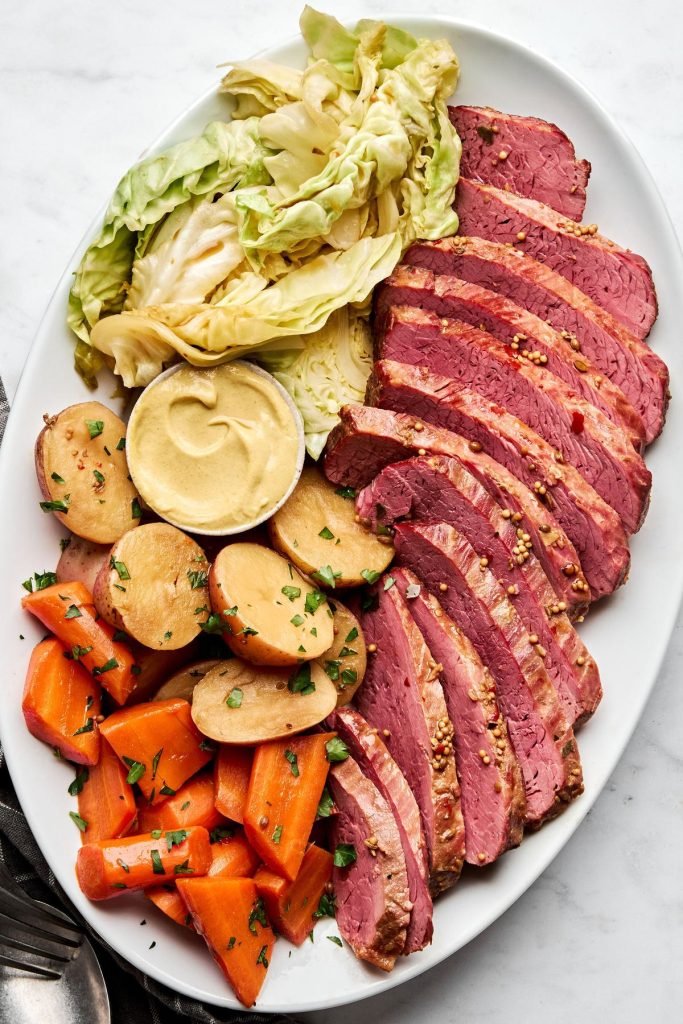
Are you craving a hearty, flavorful meal that’s easy to make right on your stove top? Corned beef brisket is a classic dish that brings comfort and satisfaction to your table.
Whether you’re cooking for family or just yourself, this method lets you enjoy tender, juicy corned beef without needing an oven or slow cooker. Keep reading to discover simple steps and tips that will help you master corned beef brisket stove top style—making your next meal something to look forward to.
Credit: www.mychicagosteak.com
Choosing The Right Brisket
Choosing the right brisket is key to making delicious corned beef on the stove top. The cut affects taste, tenderness, and cooking time. Picking the proper brisket helps ensure a juicy and flavorful meal. Understanding different types of cuts and freshness options makes the choice easier.
Types Of Corned Beef Cuts
Corned beef brisket comes in two main cuts: flat cut and point cut. Each has unique qualities for cooking and flavor.
- Flat Cut:Leaner and more uniform in shape. Cooks evenly and slices well.
- Point Cut:More marbled with fat. Richer taste but less uniform shape.
Flat cut is ideal for neat slices and lean meat lovers. Point cut offers more flavor and tenderness from fat content.
Selecting Fresh Vs. Pre-packaged
Fresh brisket usually comes from a butcher or meat market. It often has better texture and taste. You can ask for specific cuts and freshness date.
Pre-packaged corned beef is convenient and widely available. Check the packaging date and expiration. Avoid any with discoloration or bad smell.
- Fresh brisket: Often higher quality, better control over cut.
- Pre-packaged: Easy to find, may have preservatives.
Choose based on your time, budget, and preference for quality or convenience.
Credit: www.fromvalerieskitchen.com
Essential Ingredients And Tools
Getting your Corned Beef Brisket right on the stove top starts with having the right ingredients and tools at hand. The flavors depend heavily on what spices you choose and how you bring them together. Equally important is the cookware you select, which affects how evenly your brisket cooks and how tender it turns out.
Key Spices And Flavorings
Salt-cured brisket needs the right balance of spices to come alive. Essential spices include:
- Pickling spice:A blend of mustard seeds, coriander seeds, and bay leaves adds a classic tang.
- Black peppercorns:These provide a subtle heat that complements the meat’s richness.
- Garlic cloves:Fresh garlic infuses the broth with a warm, aromatic depth.
- Bay leaves:They bring a slight herbal note, balancing the heavier flavors.
Adding a few whole cloves or a cinnamon stick can add an unexpected twist. Have you ever tried a splash of stout beer or a bit of brown sugar in your cooking liquid? It can deepen the flavor and add a slight sweetness that cuts through the saltiness.
Recommended Cookware
The right pot changes everything when cooking corned beef on the stove top. Choose a heavy-bottomed pot or Dutch oven that holds heat well. This ensures the brisket cooks evenly without hot spots that can dry out the meat.
- Size:Pick a pot large enough to fully submerge the brisket in liquid.
- Material:Cast iron or enameled cast iron works best for steady heat distribution.
- Lid:A tight-fitting lid helps trap steam, keeping the meat moist and tender.
I once tried using a thin stainless steel pot, and the brisket ended up unevenly cooked. Investing in the right cookware makes a noticeable difference in texture and flavor. What cookware do you rely on for your slow-cooked meals?
Preparing The Brisket
Preparing the brisket is a crucial step in making delicious corned beef brisket on the stove top. This process involves careful attention to detail to ensure tender and flavorful results. Below, we explore important techniques for rinsing, trimming, and marinating the brisket.
Rinsing And Trimming
Rinse the brisket under cold water to remove excess salt. This helps balance the flavors. Pat dry with paper towels. Trimming involves removing excess fat. Leave a thin layer for moisture. This prevents the brisket from drying out during cooking.
Marinating Tips
Marinate the brisket for at least 24 hours. Use a mixture of spices and herbs. Common choices include garlic, peppercorns, and bay leaves. This enhances the flavor profile. Ensure the brisket is fully submerged in the marinade. Cover and refrigerate it for best results.
Credit: originalsin.com.sg
Cooking On The Stove Top
Cooking corned beef brisket on the stove top offers a hands-on way to control the flavors and texture of this classic dish. Unlike oven or slow cooker methods, stove top cooking allows you to adjust heat and timing in real time, ensuring the meat turns out tender and flavorful. This approach is especially useful if you enjoy watching the cooking process and making tweaks as you go.
Step-by-step Cooking Process
- Start by rinsing the brisket under cold water to remove excess salt and surface brine.
- Place the brisket in a large pot and cover it with fresh water or a mix of water and broth for added flavor.
- Add aromatics like bay leaves, peppercorns, garlic, and onions to the pot to enhance the taste.
- Bring the water to a boil over high heat, then immediately reduce to a gentle simmer.
- Cover the pot with a lid and let the brisket cook slowly, checking occasionally to skim off any foam or impurities.
- After about 2.5 to 3 hours, test the meat by poking it with a fork; it should be tender but not falling apart.
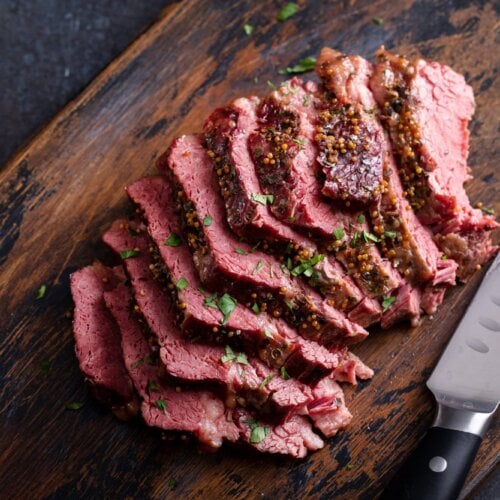
- Remove the brisket from the pot and let it rest before slicing against the grain for the best texture.
Controlling Heat And Timing
Maintaining the right temperature is crucial. Too high a heat can toughen the meat, while too low may extend cooking time unnecessarily.
Keep the pot at a low simmer rather than a rolling boil. You want tiny bubbles breaking the surface, not vigorous boiling.
Set a timer but stay attentive. Every brisket varies slightly in thickness and fat content, which affects cooking time.
Have you noticed how a slight change in heat can alter the tenderness? Adjusting the flame by just a notch can make a significant difference in the final bite.
When the brisket feels tender with a fork, test the timing by slicing a small piece. If it resists, give it more time. If it flakes apart too easily, you’re just right.
Achieving Tenderness And Flavor
Getting your corned beef brisket tender and packed with flavor on the stove top is all about control and patience. You want the meat to be soft enough to cut with a fork but still hold its shape. Achieving this balance means paying attention to how you cook it and what you add during the process.
Slow Simmer Techniques
Simmering your brisket gently at a low temperature is key. High heat can make the meat tough and dry, so keep the stove on low and let the brisket cook slowly over time.
Use a heavy pot with a tight lid to keep moisture in. This traps steam and helps break down the tough fibers in the meat without drying it out.
Consider cooking the brisket for at least 3 hours or until it’s fork-tender. Resist the urge to rush; slow simmering truly makes a difference in texture.
Flavor Enhancements During Cooking
Additions to your cooking liquid can transform the taste of your corned beef. Beyond the standard seasoning packet, think about fresh garlic cloves, peppercorns, and bay leaves.
Vegetables like onions, carrots, and celery not only add flavor but also create a richer broth you can use later. Try adding a splash of apple cider vinegar or a bit of mustard seed for a subtle tang.
Have you ever experimented with adding a few whole cloves or a cinnamon stick? These unexpected spices can give your brisket a unique depth without overpowering the classic flavor.
Serving Suggestions
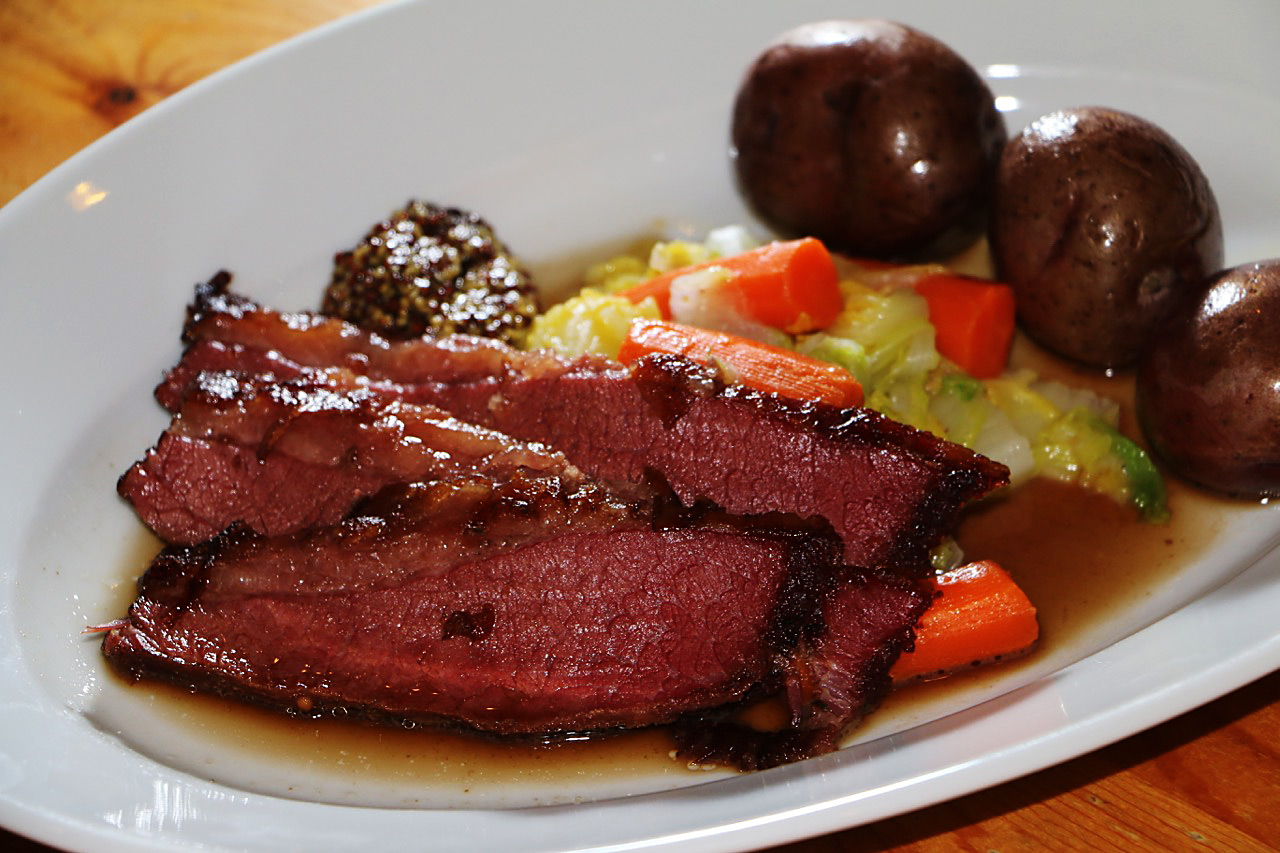
Serving corned beef brisket cooked on the stove top opens many tasty options. The dish pairs well with simple sides and creative touches. Presentation makes meals inviting and enjoyable. These serving ideas help you enjoy every bite.
Classic Side Dishes
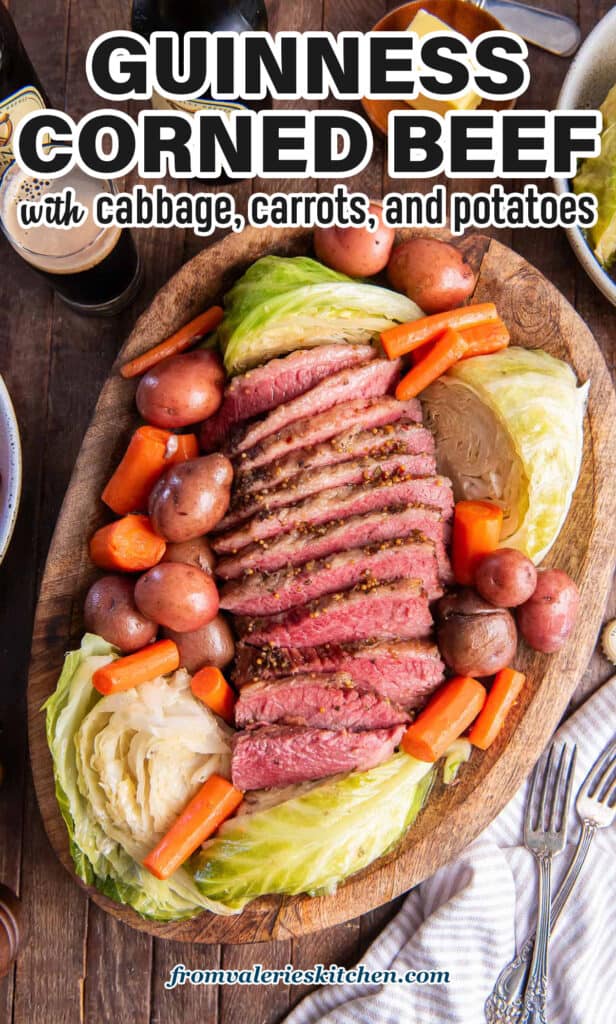
- Boiled potatoes tossed in butter and parsley
- Steamed cabbage with a pinch of salt
- Carrots glazed with honey for sweetness
- Soft dinner rolls or crusty bread
- Mustard or horseradish sauce on the side
- Pickles or sauerkraut for a tangy contrast
Creative Presentation Ideas
- Slice brisket thin and layer on rye bread
- Create a colorful platter with vegetables and meat
- Serve brisket over creamy mashed potatoes
- Top with fresh herbs like dill or chives
- Use a cast iron skillet for rustic serving
- Arrange meat and sides in a bento-style box
Storing And Reheating Leftovers
Leftover corned beef brisket from the stove top is a tasty treat that deserves proper care. Storing and reheating it the right way keeps the flavor fresh and the meat tender. Good storage prevents waste and keeps your food safe to eat.
Proper Storage Methods
Cool the brisket to room temperature before storing. Place it in an airtight container to keep moisture and air out. Use plastic wrap or aluminum foil if you don’t have a container.
- Store in the refrigerator for up to 3-4 days.
- For longer storage, freeze the brisket in a sealed bag.
- Label the container with the date to track freshness.
Slice the brisket before freezing for easier reheating. Keep the brisket away from strong-smelling foods to avoid flavor mixing.
Best Reheating Practices
Reheat corned beef brisket gently to keep it juicy. Use low heat on the stove top or oven. Avoid high heat that can dry the meat.
- Heat covered with a little broth or water to keep moist.
- Use a microwave on medium power and check often to prevent overcooking.
- Stir or turn the meat to heat evenly.
Let the brisket rest a few minutes after reheating. This helps juices spread and enhances flavor. Proper reheating keeps your leftovers just as delicious as fresh.
Common Mistakes To Avoid
Cooking corned beef brisket on the stove top can yield tender, flavorful results, but there are some common mistakes that can easily spoil your dish. Avoiding these pitfalls will save you time and effort, and make sure your brisket turns out just right every time. Let’s look at the key errors to watch out for.
Overcooking Issues
One major mistake is overcooking the brisket, which turns the meat dry and tough instead of tender and juicy. It’s tempting to keep the pot simmering for hours, but you need to check the texture regularly. When the meat easily pulls apart with a fork, it’s done.
Another point to consider is the cooking temperature. Too high a heat can cause the brisket to cook unevenly, with dry edges and a chewy center. Keep your stove on low to medium heat and let the meat cook slowly and steadily.
Flavor Pitfalls
Skipping the seasoning or relying solely on the corned beef’s brine can lead to bland results. You can boost flavor by adding fresh spices like bay leaves, peppercorns, and garlic to the cooking liquid. Don’t forget to taste the broth occasionally and adjust the seasoning.
Also, avoid rinsing the brisket too much before cooking. While a quick rinse is fine, washing away all the brine means losing much of the characteristic flavor. Instead, pat it lightly and let the cooking liquid do the work.
Frequently Asked Questions
What Is The Best Cut For Corned Beef Brisket Stove Top?
The best cut is the whole brisket flat or point. It stays tender and flavorful when cooked stove top. Choose well-trimmed brisket for even cooking and great texture.
How Long To Cook Corned Beef Brisket On Stove?
Cook corned beef brisket on low heat for 2. 5 to 3 hours. Simmer gently until meat is tender and easily pierced with a fork.
Can I Use A Slow Cooker For Corned Beef Brisket?
Yes, slow cookers work well. Cook brisket on low for 8-10 hours for tender results. It’s a convenient alternative to stove top cooking.
Should I Soak Corned Beef Before Cooking?
Soaking is optional but recommended to reduce saltiness. Rinse brisket under cold water for 30 minutes before cooking. This helps balance flavor and improve taste.
Conclusion
Corned beef brisket stove top is simple and tasty. You only need a few ingredients to make it. Cooking it slowly brings out rich flavors. This method saves time and uses common kitchen tools. Serve with your favorite sides for a complete meal.
Enjoy a warm, comforting dish any day. Try this recipe and see how easy it can be. Great food does not have to be complicated. Give it a go and enjoy your homemade corned beef.

Hi, I’m Daniel Brooks—a food lover and kitchen gear enthusiast. I enjoy testing cookware, utensils, and gadgets to see what really works in everyday cooking. At PlugChef.com, I share honest reviews, comparisons, and simple guides to help you choose the best tools for a safer, smarter, and more enjoyable kitchen.
Related posts:
 What Type of Cooking Utensils are Safe: Expert Picks
 What Innovations Could Blenders Make: Unleashing Future Tech
 Smart Strategies to Organize a Small Kitchen: Maximize Space
 How to Organize a Kitchen Cabinet: Expert Tips & Tricks
 How to Organize Kitchen Drawers: Expert Tips and Tricks
 How to Organize a Corner Kitchen Cupboard: Expert Tips

