
Busy weeknights, tight budgets, and the desire to eat more plant-based meals don’t have to mean sacrificing flavor or spending hours standing over the stove. Healthy vegetarian slow cooker recipes take the guesswork out of nutritious cooking: toss in ingredients before work, set the timer, and come home to a warm, satisfying meal that’s ready to eat with zero last-minute effort. Whether you’re a longtime vegetarian, looking to cut back on meat, or just want easier weeknight dinners, these recipes deliver on ease, nutrition, and flavor without the hassle. In this guide, we’ll break down the benefits of slow cooking for vegetarian meals, share pro tips to avoid common pitfalls, walk through customizable recipes for every taste, and cover meal prep and storage tricks to make your cooking routine even simpler.
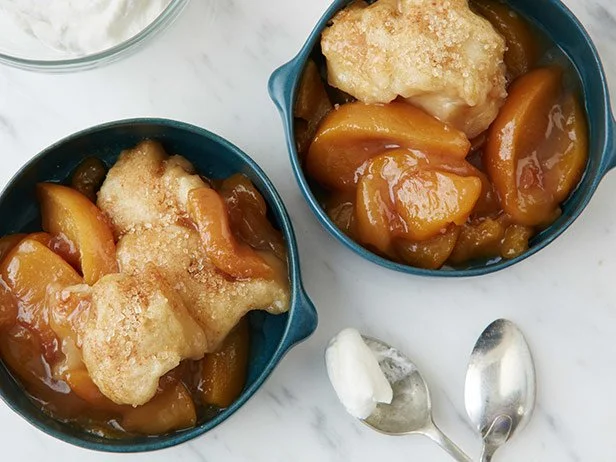 Warm peach cobbler fresh from the slow cooker, a simple vegetarian dessert option
Why Vegetarian Slow Cooker Meals Are a Game-Changer
Slow cookers eliminate the most tedious parts of cooking, especially for plant-based meals that often require long simmer times to develop flavor. For busy home cooks, they’re a low-effort way to prioritize nutrition without sacrificing taste.
Save Hours of Active Cooking Time
Prepping ingredients for a slow cooker meal takes just 10–15 minutes, and the appliance runs unattended for 4–10 hours depending on the recipe, cutting active cooking time by up to 90% compared to stovetop meals. For families, this means you can start a stew before work and come home to a ready-to-eat dinner, no last-minute scrambling required. Unlike stovetop cooking that requires regular stirring and monitoring, slow cookers are safe to leave on while you’re out of the house, as long as you follow basic safety guidelines for placement.
Preserve More Nutrients Than High-Heat Cooking
Unlike high-heat stovetop cooking that can degrade heat-sensitive vitamins like vitamin C and B vitamins, slow cooking’s consistent 190–200°F (88–93°C) temperature preserves up to 50% more of these nutrients in delicate vegetables like spinach and bell peppers, per standard food science guidelines. Legumes cooked slowly also retain more of their soluble fiber, which supports gut health, compared to boiling which can leach fiber into cooking water. The gentle heat also avoids the formation of harmful advanced glycation end products (AGEs) that can form when plant-based proteins are charred at high temperatures.
Build Deep, Complex Flavor With Minimal Effort
The long, low simmer breaks down plant cell walls in vegetables, releasing natural sugars and melding spices evenly without the risk of burning that comes with stovetop cooking. For example, a lentil stew cooked on low for 7 hours will have far more complex, layered flavor than one simmered for 30 minutes on the stove, as the cumin, coriander, and tomato flavors have time to fully infuse every bite. Slow cooking also makes it easy to incorporate less expensive, tougher cuts of vegetables and dried legumes that would be chewy or bland if cooked quickly.
How to Choose the Right Slow Cooker for Vegetarian Cooking
Not all slow cookers are built for plant-based cooking, and picking the right model for your needs will make meal prep far more consistent and reliable.
Size and Capacity
Choose a slow cooker sized appropriately for your household to avoid overcrowding, which leads to uneven cooking. A 3–4 quart slow cooker is ideal for 1–2 people, while a 6–8 quart model works best for families of 3–4 or for batch cooking. For large gatherings or meal prep, an 8+ quart slow cooker lets you make double batches of soups and stews without overflowing. Avoid oversized slow cookers for small batches, as the small amount of food can cook unevenly or burn on the bottom if not enough liquid is added.
Temperature Consistency
Look for a slow cooker with consistent low and high heat settings, as fluctuating temperatures can lead to undercooked legumes or mushy vegetables. Most standard slow cookers maintain 190–200°F (88–93°C) on the low setting and 300°F (149°C) on the high setting, which is perfect for gentle, even cooking of plant-based ingredients. Programmable models with automatic warm settings are ideal for busy cooks, as they switch to a keep-warm mode (typically 165°F / 74°C) once cooking is complete, so you don’t have to rush home to serve dinner.
Safety Features for Families
If you have young children or pets, opt for a slow cooker with a locking lid and cool-touch handles to prevent accidental burns or spills. Many modern models also have automatic shut-off features that kick in if the cooker overheats, adding an extra layer of safety for unattended cooking. Avoid using slow cookers with frayed cords or cracked ceramic inserts, as these can pose electrical or fire hazards.
Essential Ingredients for Success
Choosing the right components for your slow cooker meals will ensure you get balanced nutrition, perfect texture, and deep flavor every time.
Protein-Rich Plant-Based Staples
Protein supports sustained energy and muscle health, and vegetarian slow cooker meals rely on plant-based proteins that hold up to long cooking times. Dry lentils cook evenly and absorb spices well, making them a staple for stews and curries. Chickpeas add a creamy, rich texture to soups and chili, while black, kidney, and navy beans provide fiber and protein that keep you full for hours. Firm tofu pressed for 20 minutes to remove excess water holds its shape during long cooks, while tempeh adds a nutty, firm texture that stands up to rich sauces. Quinoa is a complete protein that cooks well in the slow cooker and adds a nutty taste to porridge and grain bowls.
Fresh Vegetables and Herbs
Vegetables add color, vitamins, and texture to slow cooker dishes, while fresh herbs brighten flavors without extra salt or fat. Dense root vegetables like carrots, potatoes, and sweet potatoes go in first, as they take 2–3 hours to tenderize. Softer vegetables like bell peppers, zucchini, and cherry tomatoes are added in the final 1–2 hours of cooking to avoid turning mushy. Leafy greens like spinach and kale are stirred in only in the final 10–15 minutes of cooking to keep their fresh, crisp texture. Fresh parsley, cilantro, and basil added at the end of cooking retain their bright flavor far better than dried herbs added at the start, which can turn bitter during long cooks.
Spices, Seasonings, and Umami Boosters
Spices give slow cooker meals depth and warmth, and umami-rich ingredients mimic the savory flavor of meat-based dishes without adding animal products. Cumin and coriander add earthy, fragrant base notes to curries and chili, while turmeric adds a bright golden color and mild, peppery bite. Garlic and onion powder are versatile base flavors for almost any dish, while chili flakes and paprika add heat and smokiness. For deeper savoriness without extra salt, stir in a spoonful of miso paste, nutritional yeast, or a splash of soy sauce in the final 30 minutes of cooking—these ingredients add rich, satisfying flavor that keeps even simple vegetable dishes from tasting bland.
Pro Tips for Perfect Vegetarian Slow Cooker Meals
Even experienced cooks can run into common slow cooker pitfalls, but a few simple adjustments will ensure your vegetarian meals turn out perfectly every time.
Layer Ingredients for Even Cooking
The order in which you layer ingredients drastically affects the final dish. Follow this step-by-step layering order for consistent results:
- Add liquid (broth, coconut milk, diced tomatoes) first to prevent scorching on the bottom of the pot.
- Add dense, long-cooking ingredients: root vegetables, dried beans, whole grains, and tough cuts of tempeh.
- Add softer ingredients like chopped bell peppers, zucchini, and canned beans 1–2 hours before the end of cooking.
- Stir in delicate greens, fresh herbs, and acid (lemon juice, vinegar) in the final 15 minutes of cooking.
Adjust Cook Times for Different Ingredients
Cooking times vary based on your slow cooker model and altitude, but as a general rule: dried legumes need 6–8 hours on low or 3–4 hours on high to become tender, while fresh vegetables need 2–4 hours on low or 1–2 hours on high. If you live above 3,000 feet, add 30–60 minutes to cook times to account for lower boiling points. If you’re short on time, cut vegetables into smaller ½-inch pieces to reduce cook time by 1–2 hours, or use canned legumes instead of dried, adding them in the final hour of cooking to avoid mush.
Avoid Common Slow Cooking Mistakes
Lifting the lid even once adds 15–20 minutes to cook time, as the slow cooker loses 10–15 degrees of heat each time the seal is broken. Only lift the lid to check for doneness in the final 30 minutes of cooking. Overfilling the slow cooker beyond ⅔ full leads to uneven cooking, as heat can’t circulate properly around the center ingredients; if you’re making a large batch, split it between two smaller slow cookers for best results. Finally, slow cooking can mellow out bright flavors, so always taste and adjust seasoning in the final 15 minutes—add a pinch of salt, a splash of vinegar, or a sprinkle of fresh herbs to liven up the dish.
For quick cleanup of sticky slow cooker residues, a set of heavy-duty scrub brushes works far better than sponges that scratch nonstick coatings.
Easy, Nutritious Vegetarian Slow Cooker Recipes
These tested recipes require minimal prep, use whole, unprocessed ingredients, and deliver big flavor with zero babysitting.
Hearty Red Lentil and Root Vegetable Stew
This protein-packed, fiber-rich stew is perfect for cold nights and holds up well for meal prep. Ingredients: 1 cup dry red lentils (rinsed), 2 diced carrots, 1 diced potato, 1 diced sweet potato, 1 can diced tomatoes, 4 cups low-sodium vegetable broth, 1 tsp cumin, 1 tsp smoked paprika, ½ tsp turmeric, salt and pepper to taste. Instructions: Add all ingredients except salt and pepper to the slow cooker, stir to combine, and cook on low for 6–7 hours or high for 3–4 hours, until lentils and vegetables are tender. Stir in salt and pepper to taste, and top with fresh parsley or a dollop of plain yogurt before serving. Serve with crusty whole-grain bread for a complete meal. Customization tip: Add a handful of chopped kale in the final 15 minutes of cooking for extra greens, or swap sweet potato for butternut squash for a sweeter flavor profile.
Creamy Coconut Chickpea and Spinach Curry
This dairy-free, flavor-packed curry comes together with minimal prep and works equally well for weeknight dinners or meal prep. Ingredients: 2 cans chickpeas (rinsed and drained), 1 can full-fat coconut milk, 1 cup diced bell pepper, 1 tbsp grated fresh ginger, 3 cloves minced garlic, 1 tsp ground cumin, 1 tsp ground coriander, ½ tsp turmeric, ¼ tsp cayenne (optional for heat), 2 cups fresh spinach, salt to taste, cooked rice or naan for serving. Instructions: Add all ingredients except spinach and salt to the slow cooker, stir to combine, and cook on low for 4–5 hours or high for 2–3 hours. Stir in spinach and salt in the final 10 minutes of cooking, until spinach is wilted. Serve over jasmine rice or with naan for dipping. Customization tip: Add a handful of diced sweet potato in the first 2 hours of cooking for extra heartiness, or swap spinach for kale if you prefer a firmer texture.
Hearty Three-Bean Vegetarian Chili
This crowd-pleasing chili is packed with plant-based protein and customizable to your spice preferences. Ingredients: 1 can black beans (rinsed), 1 can kidney beans (rinsed), 1 can pinto beans (rinsed), 1 can diced tomatoes, 1 cup diced onion, 1 diced bell pepper, 2 cloves minced garlic, 1 tbsp chili powder, 1 tsp cumin, ½ tsp oregano, 1 cup low-sodium vegetable broth, salt and pepper to taste, toppings: avocado, cilantro, lime, vegan cheese. Instructions: Add all ingredients except toppings to the slow cooker, stir to combine, and cook on low for 6–7 hours or high for 3–4 hours. Stir in salt and pepper to taste, and top with your choice of toppings before serving. Customization tip: Add a spoonful of cocoa powder in the first hour of cooking for a deeper, richer flavor, or swap beans for lentils for a lower-carb option.
 Hearty vegetarian chili made entirely in a slow cooker, topped with fresh avocado
Nourishing Vegetarian Slow Cooker Soups
Slow cooker soups are the ultimate low-effort, high-nutrition meal, perfect for batch cooking and freezing for busy weeks.
Spicy Sweet Potato and Black Bean Soup
This sweet, savory, fiber-packed soup is perfect for meal prep and freezes beautifully for up to 3 months. Ingredients: 2 large diced sweet potatoes, 1 can black beans (rinsed), 1 can diced tomatoes, 1 diced onion, 2 cloves minced garlic, 1 tsp ground cumin, ½ tsp smoked paprika, ¼ tsp cayenne, 4 cups low-sodium vegetable broth, salt to taste, toppings: lime, cilantro, avocado. Instructions: Add all ingredients except salt and toppings to the slow cooker, stir to combine, and cook on low for 6–7 hours or high for 3–4 hours, until sweet potatoes are fork-tender. Blend partially with an immersion blender for a creamy texture, or leave chunky if you prefer. Stir in salt to taste, and top with lime juice, cilantro, and avocado before serving. Customization tip: Add a spoonful of peanut butter in the final 30 minutes of cooking for a rich, nutty depth that pairs perfectly with the sweet potato.
Classic Slow Cooker Minestrone
This flexible, nutrient-dense soup uses whatever fresh produce you have on hand, reducing food waste and maximizing flavor. Ingredients: 1 cup diced carrots, 1 cup diced celery, 1 cup diced zucchini, 1 can diced tomatoes, 1 can cannellini beans (rinsed), 1 cup small pasta (ditalini or elbow), 4 cups low-sodium vegetable broth, 1 tsp dried oregano, 1 tsp dried basil, 2 cloves minced garlic, salt and pepper to taste, fresh parmesan (optional) for serving. Instructions: Add all ingredients except pasta and parmesan to the slow cooker, stir to combine, and cook on low for 6–7 hours or high for 3–4 hours. Stir in pasta in the final 30 minutes of cooking, until al dente. Top with parmesan and fresh basil before serving. Customization tip: Swap pasta for quinoa for a gluten-free option, or add a handful of chopped kale in the final 10 minutes for extra greens.
Creamy Curried Butternut Squash Soup
This warming, anti-inflammatory soup is rich in vitamin A and perfect for fall and winter meals. Ingredients: 1 large peeled and diced butternut squash, 1 diced onion, 2 cloves minced garlic, 1 tbsp grated fresh ginger, 1 tbsp curry powder, 1 can full-fat coconut milk, 4 cups low-sodium vegetable broth, salt to taste, toppings: toasted pumpkin seeds, cilantro, coconut flakes. Instructions: Add all ingredients except coconut milk and salt to the slow cooker, stir to combine, and cook on low for 6–7 hours or high for 3–4 hours, until squash is fork-tender. Blend until smooth with an immersion blender, stir in coconut milk and salt to taste, and top with your choice of toppings before serving. Customization tip: Add a diced apple in the first 2 hours of cooking for a subtle sweetness that balances the curry spice.
Effortless Vegetarian Slow Cooker Breakfasts
Slow cooker breakfasts eliminate morning prep entirely—assemble the night before, set the timer, and wake up to a warm, ready-to-eat meal that keeps you full for hours, no standing over the stove while you get ready for work or school.
Overnight Cinnamon Apple Oatmeal
This creamy, fiber-rich oatmeal is perfect for busy mornings and can be customized with any fruit you have on hand. Ingredients: 2 cups rolled oats, 4 cups almond milk (or other plant-based milk), 1 tsp cinnamon, 1 tsp vanilla extract, 2 diced apples, ¼ cup maple syrup, pinch of salt, toppings: berries, nuts, nut butter. Instructions: Add all ingredients except toppings to the slow cooker, stir to combine, and cook on low for 6–8 hours overnight. Stir in the morning and top with your choice of toppings. Customization tip: Use frozen berries instead of apples for a summer variation, or add a spoonful of chia seeds in the final hour of cooking for extra fiber.
Hearty Tofu and Vegetable Scramble
This high-protein, vegan breakfast is a great alternative to eggs and holds up well for meal prep throughout the week. Ingredients: 2 blocks firm tofu (pressed and crumbled), 1 diced bell pepper, 1 diced onion, 2 cups chopped spinach, 1 tsp turmeric (for color and mild flavor), 1 tsp garlic powder, 1 tsp onion powder, salt and pepper to taste, toppings: salsa, avocado, nutritional yeast. Instructions: Add all ingredients except spinach and toppings to the slow cooker, stir to combine, and cook on low for 2–3 hours or high for 1–2 hours. Stir in spinach in the final 10 minutes of cooking, until wilted. Top with salsa, avocado, or nutritional yeast before serving. Customization tip: Add a handful of vegan cheese shreds in the final 10 minutes of cooking for a cheesy flavor, or swap spinach for mushrooms for an earthier taste.
Protein-Packed Quinoa and Mixed Berry Porridge
This gluten-free, high-protein porridge is a great alternative to oatmeal for anyone with gluten sensitivities or looking for a higher-protein breakfast. Ingredients: 1 cup quinoa (rinsed), 4 cups plant-based milk, 1 tsp cinnamon, 1 cup mixed berries (fresh or frozen), 2 tbsp maple syrup, pinch of salt, toppings: granola, nut butter, extra berries. Instructions: Add all ingredients except toppings to the slow cooker, stir to combine, and cook on low for 4–5 hours or high for 2–3 hours, until quinoa is tender and porridge is creamy. Stir in the morning and top with your choice of toppings. Customization tip: Use pumpkin puree instead of berries for a fall variation, or add a spoonful of peanut butter for extra protein and creaminess.
Meal Prep, Storage, and Reheating Tips
Proper meal prep and storage are critical for keeping slow cooker meals safe and tasty; per USDA guidelines, perishable vegetarian dishes should not sit at room temperature for more than 2 hours to avoid bacterial growth.
Batch Cooking Strategies for Busy Weeks
Batch cooking with your slow cooker cuts down on active kitchen time by up to 70% per week. Choose versatile base ingredients like dried lentils, canned beans, and frozen vegetables that work across multiple recipes: for example, a big batch of cooked lentils can be used for lentil stew, chickpea curry, and chili later in the week. Portion cooked meals into single-serving airtight containers as soon as they finish cooking, and label each with the date and recipe name to avoid confusion. For best quality, consume refrigerated leftovers within 3–4 days.
If you have young children, secure low-hanging cabinet cords and keep the slow cooker out of reach on a back burner; our guide to childproofing basics helps prevent accidental access to hot surfaces and hazardous cleaning supplies.
Freezing and Reheating for Long-Term Storage
Most vegetarian slow cooker dishes freeze beautifully for up to 3 months, as the low, slow cooking process breaks down vegetable cell walls in a way that preserves texture better than stovetop cooking. To freeze, let the dish cool completely to room temperature (no more than 2 hours after cooking) before transferring to freezer-safe airtight containers or heavy-duty freezer bags, leaving ½ inch of headspace for expansion. To reheat, thaw the dish in the refrigerator overnight, then warm on the stovetop over low heat, stirring occasionally, or in the microwave in 1-minute intervals, stirring between each. Avoid reheating slow cooker meals directly in the slow cooker, as uneven heating can lead to cold spots where bacteria can grow.
Keeping Leftovers Fresh and Flavorful
To keep leftover slow cooker meals tasting fresh, store them in airtight containers in the refrigerator within 2 hours of cooking, and keep your fridge temperature set to 40°F (4°C) or below to slow bacterial growth. For meals that have been refrigerated for 2+ days, add a splash of fresh lemon juice or a handful of chopped fresh herbs before reheating to brighten muted flavors from storage. Avoid adding dairy or delicate greens until you’re ready to eat leftovers, as these ingredients break down quickly in the fridge and can make the dish slimy.
Scrub root vegetables thoroughly before chopping to remove dirt and surface pesticides; a set of heavy-duty scrub brushes works far better than sponges that scratch nonstick cookware and leave behind bristle fragments.
Customize Recipes for Any Dietary Need
One of the biggest benefits of vegetarian slow cooker cooking is how easy it is to tailor recipes to dietary restrictions and personal preferences, no special skills required.
Gluten-Free Swaps
Most vegetarian slow cooker recipes are naturally gluten-free, but watch out for hidden gluten in store-bought broth, soy sauce, and seasoning blends. Swap regular soy sauce for tamari or coconut aminos, use certified gluten-free broth and canned beans, and replace wheat-based grains like barley with quinoa, rice, or certified gluten-free oats. For gluten-free thickeners, use cornstarch mixed with cold water instead of flour to avoid gummy textures. Always check labels on pre-made spice blends, as many contain wheat-based fillers.
Low-Sodium Alternatives
Slow cooking can concentrate salt in dishes, making it easy to exceed the recommended daily limit of 2,300mg of sodium per day. To cut sodium without sacrificing flavor, use no-salt-added or low-sodium broth, rinse canned beans and vegetables thoroughly to remove excess salt, and replace store-bought seasoning packets with fresh herbs, spices, and umami-rich ingredients like mushrooms and nutritional yeast. Add a splash of lemon juice or apple cider vinegar at the end of cooking to brighten flavors without extra salt. For dishes that need a salty kick, use a small amount of miso paste or tamari instead of table salt, as these add depth without as much sodium per serving.
High-Protein Add-Ins
Most vegetarian slow cooker recipes provide 10–15g of protein per serving, but you can easily boost this to 20–25g per serving for high-protein diets or athletic needs. Add ½ cup of dried lentils or chickpeas per serving for an extra 7–9g of plant-based protein, or incorporate 100g of pressed, cubed tempeh or seitan for 15–20g of protein per serving. Stir in ¼ cup of cooked quinoa or hemp seeds at the end of cooking for a subtle protein boost, and top meals with a tablespoon of nut butter or roasted chickpeas for extra crunch and protein. For vegan high-protein options, add a scoop of plant-based protein powder to soups or curries in the final 10 minutes of cooking, stirring well to avoid clumping.
Pair chili, curry, or stew with a side of prepped snacks like cheese and crackers; our guide to prepping round cheese makes it easy to add a protein-rich, kid-friendly side to any slow cooker meal.
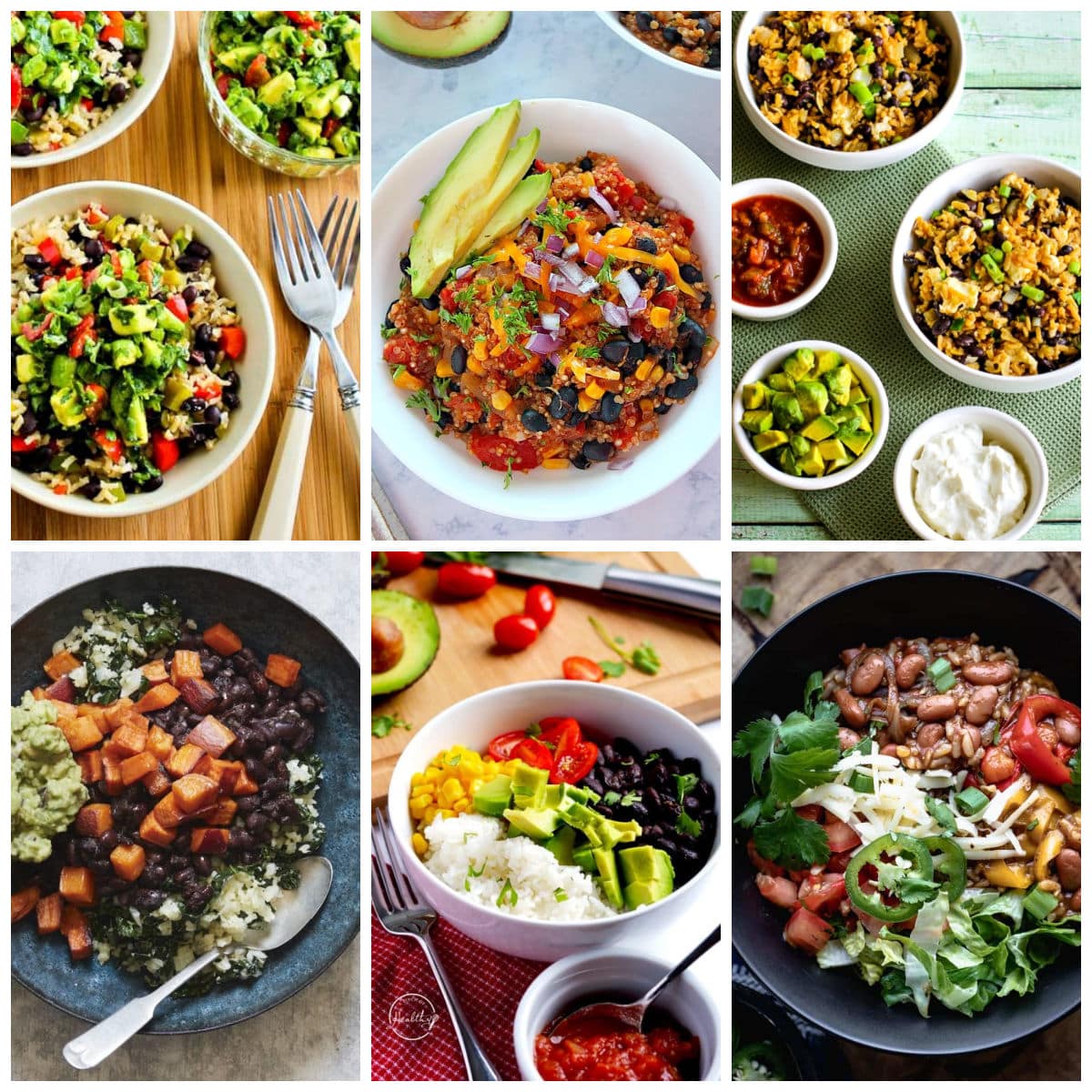 Flavorful vegetarian Mexican bowl with quinoa, roasted veggies, and fresh toppings, prepped in a slow cooker
Frequently Asked Questions
What Are The Best Vegetables For Slow Cooker Recipes?
Root vegetables like carrots, potatoes, sweet potatoes, and parsnips work best for long cooks, as their dense structure holds up to hours of simmering without turning mushy. Softer vegetables like zucchini, bell peppers, and cherry tomatoes are best added in the final 1–2 hours of cooking to avoid overcooking. Leafy greens like spinach and kale should only be added in the final 10–15 minutes, as they wilt almost instantly in the slow cooker’s heat. For maximum flavor, roast harder vegetables like squash or Brussels sprouts in the oven for 15 minutes before adding them to the slow cooker to caramelize their natural sugars.
How Can I Make Slow Cooker Vegetarian Meals More Flavorful?
Umami is the key to avoiding bland vegetarian slow cooker meals: add ingredients like mushrooms, miso paste, nutritional yeast, soy sauce, or a splash of balsamic vinegar to build deep, savory flavor without extra salt. Sautéing onions and garlic in a pan for 5 minutes before adding them to the slow cooker also adds a rich, caramelized base that raw onions can’t match. Always taste and adjust seasoning in the final 15 minutes of cooking, as slow cooking mellow out bright flavors over time.
Are Slow Cooker Vegetarian Recipes Healthy?
Yes, when made with whole, unprocessed ingredients, slow cooker vegetarian meals are an incredibly healthy option. They’re typically high in fiber, plant-based protein, vitamins, and minerals, and low in saturated fat and added sugars, especially when you use low-sodium broth and limit added sweeteners. According to USDA MyPlate guidelines, plant-based diets rich in legumes, whole grains, and vegetables are linked to lower risk of heart disease, type 2 diabetes, and certain cancers when properly balanced with a variety of food groups. The low, slow cooking process also preserves more heat-sensitive nutrients than high-heat stovetop or microwave cooking, making these meals more nutritious than many quick-cook vegetarian options.
How Long Should I Cook Vegetarian Meals In A Slow Cooker?
Cooking times vary based on the recipe and your slow cooker model, but as a general rule: most vegetarian stews, curries, and soups cook for 6–8 hours on the low setting or 3–4 hours on the high setting. Dried legumes and tough root vegetables need the full 6–8 hours on low to become tender, while softer ingredients like spinach, canned beans, and pasta only need 30 minutes to 1 hour of cooking time. Always test doneness with a fork: legumes should be tender but not mushy, and root vegetables should pierce easily with no hard, uncooked core. If you’re using a newer programmable slow cooker, follow the manufacturer’s guidelines for cook times, as some models run hotter than older models.
Dice uniform vegetable pieces on a sturdy prep surface for even cooking; if you want to personalize your board, our guide to custom engraving makes it easy to create a one-of-a-kind tool for your kitchen.
Final Thoughts
Healthy vegetarian slow cooker recipes make it easier than ever to eat nourishing, plant-based meals without spending hours in the kitchen. With the right ingredients, a few simple pro tips, and a willingness to experiment with flavors, you can create endless variations of stews, curries, soups, and breakfasts that fit your taste and dietary needs. The best part? Most recipes require less than 15 minutes of active prep time, leaving you free to focus on work, family, or hobbies while your meal cooks unattended.
For more flexible meal prep ideas beyond slow cooking, our blog’s weeknight meal hacks cut down on active kitchen time even further for busy households. Ready to simplify your cooking routine? Pick one recipe from this guide to try this week, and explore our full collection of kitchen tools and meal prep guides to cut down on prep and cleanup time every day.

I’m Abby Lu, a passionate home cook who loves simplifying everyday meals. At PlugChef.com, I share product reviews and cooking guides to help you find the best tools for your kitchen.
Related posts:
 Seville Expandable Cabinet And Pantry Organizer: Space Savior
 Glideware Pull Out Cabinet Organizer for Pots & Pans: Space Saver
 Small 3-Tier Shelf Organizer: Maximize Space Effortlessly
 Trader Joe’S Spicy Lentil Wrap: Delicious, Healthy, and Quick Meal!
 Easy Way to Peel Pumpkin: Quick Tips for Effortless Prep
 How Long Do Grapes Last: Ultimate Freshness Guide Revealed

