
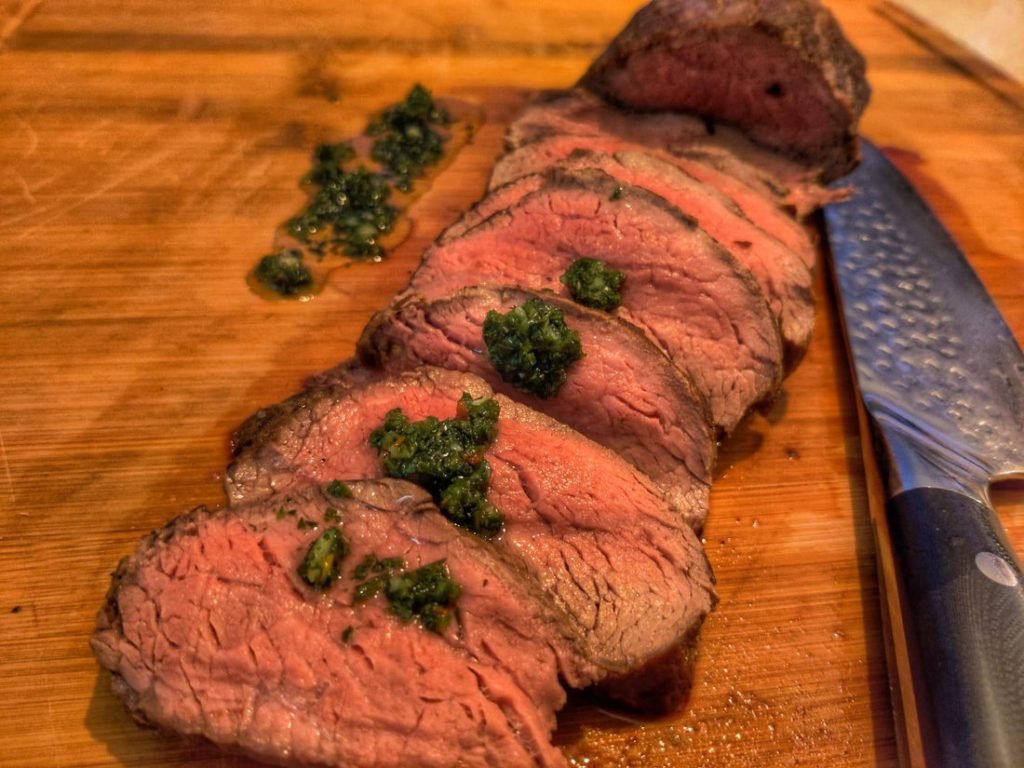
Beef chateaubriand is the ultimate showstopper for special occasions: a thick, buttery-tender cut of beef that feels impressively gourmet but is surprisingly simple to master at home. Unlike smaller filet mignon steaks, chateaubriand is a thick, center-cut section of the beef tenderloin, large enough to serve 2–3 people, with a mild, rich flavor that pairs with everything from classic Béarnaise sauce to roasted seasonal vegetables.
Too many home cooks avoid making chateaubriand because they assume it’s easy to overcook, but with a few simple, tested techniques, you’ll get a perfectly seared crust, juicy medium-rare interior, and zero dry, tough bites every single time. This guide walks you through every step, from picking the right cut to carving and serving, plus pro tips to avoid the most common pitfalls.
What Is Chateaubriand, Exactly?
Chateaubriand takes its name from 19th-century French diplomat François-René de Chateaubriand, who was served this cut at a state dinner in the 1820s. It is cut exclusively from the thick, center section of the beef tenderloin, the most tender muscle on the animal, with almost no connective tissue to toughen when cooked. It is distinct from filet mignon, which is cut from the smaller, thinner ends of the tenderloin and typically served as individual 6–8 ounce steaks. A standard 1–1.5 pound chateaubriand is large enough to slice for a small dinner party, making it a go-to for date nights, holiday meals, or any occasion where you want to serve a special, shareable dish.
Choosing the Right Cut
The quality of your starting cut will make or break your final dish, so it’s worth spending a little extra time selecting the right roast at the butcher counter or grocery store.
USDA Grade and Marbling
Look for a chateaubriand labeled USDA Prime for the best results: this grade has the highest concentration of intramuscular marbling (small white fat streaks woven through the lean meat), which melts during cooking to keep the roast juicy and add deep, savory flavor. USDA Choice is a solid, more budget-friendly alternative with decent marbling, while USDA Select is very lean and will dry out quickly when roasted, so it’s not recommended for this cut. Avoid any roasts with dark, dull spots, excessive surface liquid, or a strong, off smell, as these are signs of poor quality or age.
Size and Thickness Guidelines
Aim for a chateaubriand that weighs 1–1.5 pounds and is 2–3 inches thick. This size cooks evenly in the oven without drying out, and is large enough to slice for 2–3 generous servings. If you buy a whole untrimmed beef tenderloin, you can ask your butcher to cut the center chateaubriand section for you, or trim it yourself by cutting a 2–3 inch thick slice from the center of the roast, discarding the thinner ends for steaks or other uses.
 A properly trimmed and tied chateaubriand roast, ready for searing
Credit: www.youtube.com
A properly trimmed and tied chateaubriand roast, ready for searing
Credit: www.youtube.com
Prepping Your Chateaubriand for Perfect Results
Proper prep is the difference between a dry, unevenly cooked roast and a tender, evenly cooked masterpiece. These steps take 15 minutes or less, and are critical for consistent results.
Trimming and Tying for Even Cooking
Use a sharp boning knife to trim off all silver skin: the thin, silvery connective tissue that runs along the outside of the tenderloin. This tissue does not melt when cooked, so it will be chewy and tough in the finished dish if left on. Trim off any large, hard pieces of surface fat, but leave the delicate internal marbling intact, as this is what keeps the meat juicy during cooking. Tie the roast with food-safe kitchen twine every 1.5 inches along its length to hold its uniform cylindrical shape, which ensures even cooking and a neat, elegant presentation when sliced. Use a well-kept prep surface when trimming to avoid slips and ensure clean, precise cuts.
Seasoning for Maximum Flavor
Pat the entire roast completely dry with paper towels — moisture is the enemy of a good sear, and a dry surface will develop a deep, golden-brown crust instead of steaming. Season generously with coarse kosher salt and freshly cracked black pepper; kosher salt adheres better to the meat’s surface and doesn’t dissolve too quickly, leading to more even seasoning. For extra depth, you can add minced garlic, fresh thyme, rosemary, or a light sprinkle of smoked paprika. Avoid heavy, overpowering spices, as the mild, rich flavor of the tenderloin should be the star of the dish. After prepping your raw chateaubriand, thoroughly sanitize your cutting board and any utensils that came into contact with the meat to avoid cross-contamination with other foods.
The Critical Room Temperature Rest
Take the chateaubriand out of the refrigerator 30–45 minutes before cooking. Cooking cold meat straight from the fridge causes an extreme temperature gradient: the exterior will overcook and turn tough before the center reaches your target doneness. Letting it come to room temperature ensures even, consistent cooking from edge to center.
Step-by-Step Cooking Method
This two-step cooking method (sear then oven roast) delivers the perfect balance of a crispy, flavorful crust and a tender, juicy interior every time.
Step 1: Sear for a Flavorful Crust
Preheat a cast iron or heavy stainless steel skillet over medium-high heat for 2–3 minutes, until a drop of water sizzles and evaporates instantly when it hits the pan. Add 1–2 tablespoons of high-smoke-point oil (avocado, grapeseed, or canola oil work best, as they won’t burn at high heat). Place the chateaubriand in the pan and sear for 2–3 minutes per side, without moving it, until a deep golden-brown crust forms. Don’t forget to sear the two ends of the roast for 1 minute each, to crisp up any exposed fat. A common mistake here is moving the meat too early, which prevents the crust from forming properly.

Step 2: Oven Roast to Perfect Doneness
Preheat your oven to 400°F (200°C). Transfer the seared roast to a preheated roasting pan, or leave it in the oven-safe cast iron skillet. Insert a leave-in meat thermometer into the thickest part of the roast, if you have one, to monitor temperature as it cooks.
Using a Meat Thermometer for Accuracy
The only way to guarantee perfect doneness is with an instant-read meat thermometer, as visual cues are unreliable for thick roasts. The USDA recommends cooking whole cuts of beef to a minimum internal temperature of 145°F (63°C) with a 3-minute rest for food safety, per USDA safe handling guidelines for beef, but many home cooks prefer the juicier, more tender texture of lower doneness levels:
- Rare: 125°F (52°C) pull temperature, 130°F (54°C) final after resting
- Medium-rare: 130°F (54°C) pull temperature, 135°F (57°C) final after resting
- Medium: 135°F (57°C) pull temperature, 140°F (60°C) final after resting
Never cook above medium, as the lean tenderloin will dry out quickly. As noted by University of Minnesota Extension’s beef cooking guide, carryover cooking will raise the internal temperature of your roast by 5–7°F during the resting period, so always pull it from the oven 5 degrees below your target doneness. For a 1.5 lb chateaubriand, roast for 18–22 minutes for medium-rare, adjusting time slightly for larger or smaller roasts.
Resting, Carving, and Serving
These final steps are just as important as cooking, as they lock in juiciness and make for an elegant, restaurant-quality presentation.
Why Resting Is Non-Negotiable
When you cook meat, the muscle fibers tighten and squeeze all the natural juices to the center of the roast. If you cut into it immediately after cooking, all those juices will spill out onto your cutting board, leaving the meat dry and tough. Let the roast rest, loosely covered with aluminum foil, on a cool kitchen rack for 10–15 minutes. The rack keeps the crust crisp while the meat rests, and the foil retains heat without steaming the exterior. Resting also lets the internal temperature stabilize, so you get an even doneness from edge to center.
Carving for Tender, Elegant Slices
First, remove the kitchen twine from the rested roast. Use a sharp, well-cared for knife to slice the chateaubriand against the grain (the direction the muscle fibers run) into 1-inch thick slices. Cutting against the grain shortens the muscle fibers, making each bite far more tender. Arrange the slices neatly on a warm platter for serving.
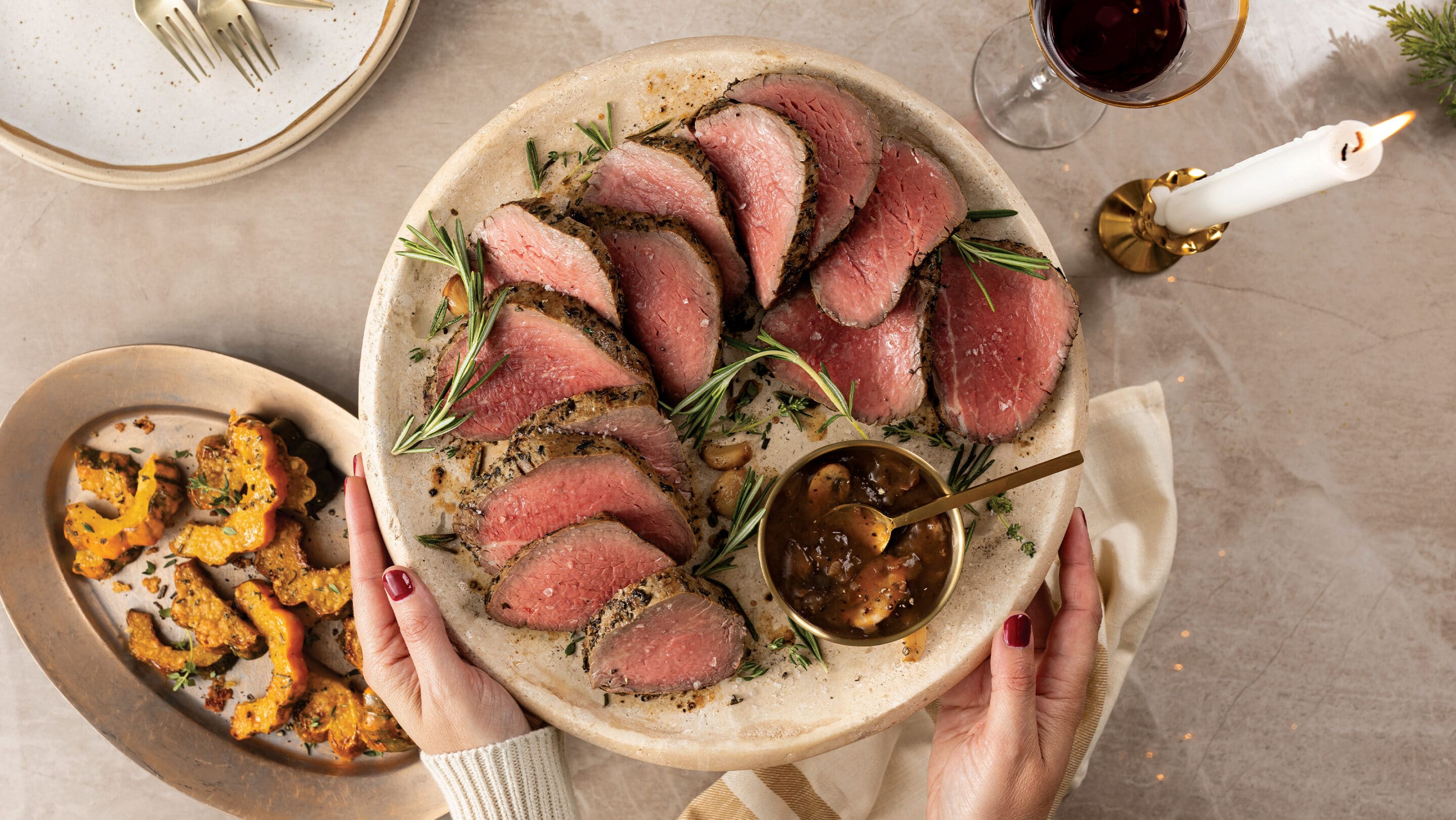 Sliced chateaubriand served with roasted acorn squash, red wine mushroom sauce, and parmesan
Credit: www.omahasteaks.com
Sliced chateaubriand served with roasted acorn squash, red wine mushroom sauce, and parmesan
Credit: www.omahasteaks.com
Classic Sauces and Side Pairings
Chateaubriand’s mild, rich flavor pairs with a huge range of sauces and sides, so you can customize it to your taste:
- Sauces: Classic options include Béarnaise (a creamy, tarragon-infused French sauce that cuts through the beef’s richness), red wine reduction (a savory, slightly sweet sauce made with reduced red wine, beef broth, and butter), peppercorn sauce, or a simple compound butter made with softened butter, garlic, parsley, and chives, melted over the hot slices for extra flavor.
- Sides: Opt for textures and flavors that complement the beef without overpowering it: roasted asparagus, garlic mashed potatoes, sautéed cremini mushrooms, caramelized shallots, or a simple arugula salad with lemon vinaigrette to cut through the richness. For a creamy sweet potato side that balances savory and sweet, top roasted sweet potato wedges with a dollop of sour cream and a sprinkle of chives.
For wine pairings, opt for medium to full-bodied red wines: Pinot Noir (light body, bright red fruit notes that won’t overpower the beef), Cabernet Sauvignon (firm tannins that cut through the meat’s richness), or Malbec (plush, fruity, and perfect for medium-rare roasts). White wine lovers can opt for an oaked Chardonnay, which has enough buttery body to pair well with the tender beef.
Common Mistakes to Avoid
Even experienced home cooks can run into issues with chateaubriand, but these are easy to sidestep with a little prep:
- Overcooking the meat: The tenderloin is an extremely lean cut, so it has no internal fat to baste itself as it cooks, meaning it goes from perfectly juicy to dry and tough in a matter of minutes. Always use a meat thermometer instead of relying on cooking time alone, and pull the roast 5°F below your target doneness to account for carryover cooking.
- Skipping the resting period: Cutting into the roast immediately after cooking will cause a significant amount of its natural juices to spill out, leaving the meat dry and flavorless. The 10–15 minute rest is non-negotiable for a juicy result.
- Searing cold or wet meat: A cold roast or wet surface will steam instead of searing when it hits the pan, leading to a gray, flavorless crust instead of a deep golden-brown sear. Always pat the meat completely dry and let it come to room temperature before cooking.
- Using a non-stick pan for searing: Non-stick pans can’t get hot enough to develop the Maillard reaction that creates that flavorful, golden crust. Use a cast iron or heavy stainless steel skillet for the best results.
- Over-seasoning with strong spices: Chateaubriand’s mild, delicate flavor is its biggest asset, so avoid heavy spice rubs or overly pungent herbs that will overpower the natural taste of the beef. Stick to salt, pepper, and mild aromatics like thyme and rosemary.
Storing and Reheating Leftovers
If you have leftover chateaubriand, store it properly to keep it juicy for future meals:
- Let the leftover roast cool completely to room temperature, then store it in an airtight container in the refrigerator for up to 4 days.
- For longer storage, wrap the roast tightly in plastic wrap and aluminum foil, then freeze for up to 3 months.
To reheat, avoid the microwave if possible, as it will make the meat tough and rubbery. Instead, wrap the leftover roast in aluminum foil and warm it in a 275°F (135°C) oven for 15–20 minutes, until heated through. For sliced leftovers, reheat them in a skillet with a splash of beef broth over low heat to keep the meat moist.
Frequently Asked Questions
What cut of beef is used for chateaubriand?
Chateaubriand is cut from the thick, center section of the beef tenderloin, the most tender cut of beef, located along the spine of the animal. It is different from filet mignon, which is cut from the smaller, thinner ends of the tenderloin and typically served as individual steaks.
How do you season chateaubriand?
For the best results, season chateaubriand simply with coarse kosher salt and freshly cracked black pepper before cooking. You can add mild aromatics like fresh thyme, rosemary, or minced garlic for extra depth, but avoid heavy spice rubs that will overpower the meat’s natural, mild flavor.
What is the best cooking method for chateaubriand?
The best method is a two-step process: first sear the roast in a hot pan to develop a golden-brown crust, then finish cooking in a preheated oven for even, gentle heat that cooks the interior without drying out the exterior.
How long should chateaubriand rest before carving?
Let the roast rest, loosely covered with aluminum foil, for 10–15 minutes after cooking. This allows the juices to redistribute evenly throughout the meat, so they don’t spill out when you slice it.
Can I cook chateaubriand on the grill?
Yes! Use indirect heat for best results: sear the roast over direct high heat for 2 minutes per side to develop a crust, then move it to the cooler side of the grill, close the lid, and cook for 12–18 minutes for medium-rare, using a meat thermometer to check doneness.
What internal temperature should chateaubriand be cooked to?
Pull the roast from the oven at 125°F (52°C) for rare, 130°F (54°C) for medium-rare, or 135°F (57°C) for medium. Carryover cooking will raise the internal temperature by 5–7°F during resting, so never cook above 135°F to avoid drying out the lean tenderloin.
Conclusion
Mastering how to cook beef chateaubriand at home is easier than it seems, and the payoff is a restaurant-quality meal that feels perfect for date nights, holiday dinners, or any occasion where you want to impress. The key steps are simple: pick a high-quality, well-marbled center-cut tenderloin, trim and tie it for even cooking, sear it hard for a flavorful crust, roast it to temperature using a meat thermometer, let it rest fully before slicing, and serve it with your favorite sides and sauce.
With these tips, you’ll never end up with a dry, tough roast again — just juicy, tender, flavorful beef that feels like a special treat. Ready to master more easy, gourmet recipes for your home kitchen? Browse our full recipe library for tested, step-by-step guides to everything from weeknight dinners to impressive holiday spreads.

Hi, I’m Daniel Brooks—a food lover and kitchen gear enthusiast. I enjoy testing cookware, utensils, and gadgets to see what really works in everyday cooking. At PlugChef.com, I share honest reviews, comparisons, and simple guides to help you choose the best tools for a safer, smarter, and more enjoyable kitchen.
Related posts:
 How to Make a Fruit Basket for a Gift: Easy DIY Guide
 Do You Need a Basket? Essential Guide for Air Fryers
 How to Adjust Syrup Dispenser Pressure: Expert Tips
 White Appliances in Kitchen Design: Elevate Your Space
 Kitchen Appliances Stainless Steel Vs White: Ultimate Showdown
 Kitchen Appliances Made in Usa: Quality and Innovation

