
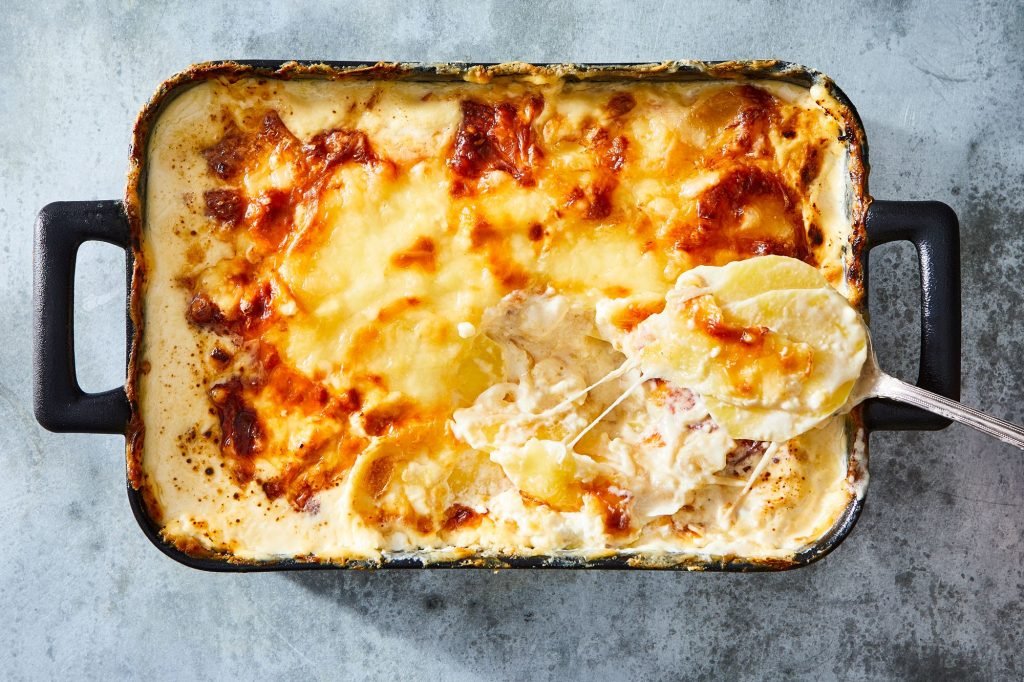
Are you looking for a dish that’s simple, comforting, and packed with flavor? Potato Onion and Cheese Casserole might just be your new favorite.
Imagine layers of tender potatoes, sweet onions, and gooey melted cheese coming together in one warm, satisfying meal. Whether you’re cooking for family, friends, or just yourself, this casserole is easy to make and impossible to resist. Keep reading, and you’ll discover how to create this delicious dish that will make your taste buds sing and your kitchen smell amazing.
Ingredients Needed
Getting the ingredients right is the first step to making a delicious Potato Onion And Cheese Casserole. Each component plays a crucial role in building layers of flavor and texture. Choosing the best potatoes, onions, cheese, and extras can elevate your dish from ordinary to unforgettable.
Choosing The Right Potatoes
Not all potatoes are made equal when it comes to casseroles. You want potatoes that hold their shape but become tender during baking.
- Yukon Goldoffers a creamy texture and buttery flavor, perfect for a smooth casserole.
- Red potatoeskeep their firmness and add a subtle sweetness.
- Russet potatoesare starchy and can become too mushy, so use them cautiously or mix with waxy varieties.
Have you noticed how the texture changes when you choose different potatoes? Try mixing two types to get the best of both worlds.
Selecting Onion Varieties
Onions add depth and sweetness to your casserole, but choosing the right type can make a big difference.
- Yellow onionsoffer a balanced, slightly sweet flavor that caramelizes nicely.
- Sweet onionslike Vidalia provide a milder taste and soften quickly during cooking.
- Red onionsadd color and a sharper bite, but they mellow out when baked.
Think about the flavor profile you want—is it mild and creamy or bold and tangy? Your onion choice can steer the dish either way.
Best Cheese Options
Cheese is the star ingredient that brings gooeyness and richness to your casserole. Picking the right cheese is essential to balance the potatoes and onions.
- Sharp cheddaradds a bold, tangy flavor and melts beautifully.
- Gruyèreoffers a nutty, sophisticated taste with a smooth melt.
- Monterey Jackgives a mild, creamy texture perfect for those who prefer less intense cheese.
Have you ever combined cheeses? Mixing sharp cheddar with a milder cheese like Monterey Jack can create a perfect harmony of flavors and textures.
Additional Flavor Enhancers
Besides the main ingredients, simple additions can make your casserole unforgettable. Think about herbs, spices, and liquids that bring out the best in your dish.
- Garlicadds a punch of savory aroma.
- Fresh thyme or rosemarygives an earthy, fragrant note.
- Salt and pepperare essential to brighten and balance flavors.
- Heavy cream or milkcreates a luscious, creamy texture.
What little twist could you add to make this casserole your own? Experimenting with spices and herbs can turn a classic recipe into your signature dish.
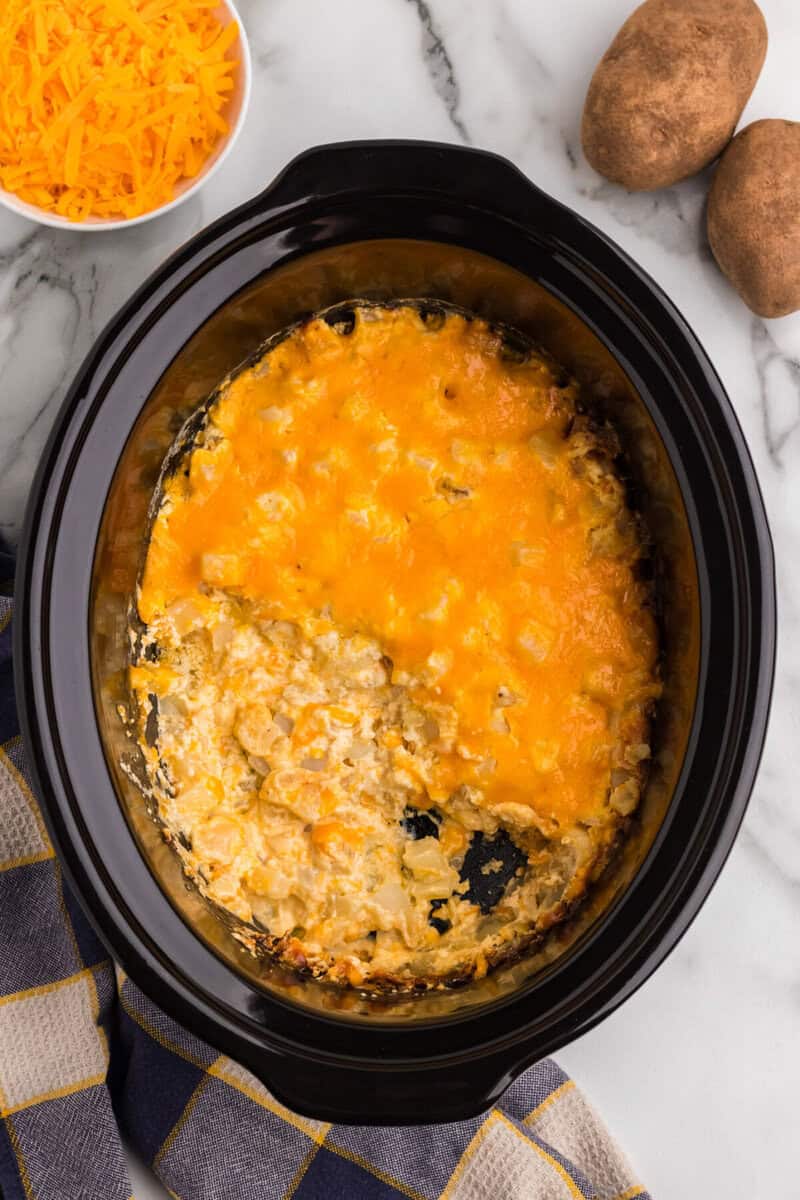
Credit: www.thediaryofarealhousewife.com
Preparation Steps
Preparing a Potato Onion and Cheese Casserole is simple and fun. This section breaks down the key steps to make it perfect. Follow each part carefully to get the best taste and texture.
Prepping Potatoes And Onions
Start by washing the potatoes thoroughly. Peel them if you prefer a smoother texture. Slice the potatoes thinly for even cooking. Next, peel the onions and cut them into thin rings or half-moons. Keep slices uniform to cook well together.
Grating And Mixing Cheese
Choose a cheese that melts nicely, like cheddar or mozzarella. Grate the cheese finely for easy layering. Mix the grated cheese with a little bit of cream or milk to add creaminess. This mixture will create a rich, cheesy flavor throughout the casserole.
Layering The Casserole
- Start with a thin layer of potatoes at the bottom of your dish.
- Add a layer of onions on top of the potatoes.
- Sprinkle a generous amount of the cheese mixture over the onions.
- Repeat these layers until all ingredients are used.
- Finish with a cheese layer to create a golden crust while baking.
Seasoning Tips
Season each layer lightly with salt and pepper for balanced flavor. Add herbs like thyme or rosemary for an earthy touch. Garlic powder or paprika can give a mild spice boost. Avoid over-seasoning to keep the natural flavors fresh and clear.
Baking Techniques
Slicing potatoes and onions thinly helps them cook evenly in the casserole. Layering ingredients and sprinkling cheese on top creates a tasty, golden crust. Baking slowly allows flavors to blend and the dish to become creamy and soft.
Baking the perfect Potato Onion and Cheese Casserole is as much an art as it is a science. Whether you are a seasoned cook or just starting out, understanding the baking techniques can make all the difference. Imagine the satisfaction of slicing into a casserole with layers that melt in your mouth, each bite bursting with flavor. Let’s dive into the essentials that will ensure your casserole bakes to perfection.Ideal Oven Temperature
Setting your oven to the right temperature is crucial for a casserole that’s cooked evenly. Preheat your oven to 350°F (175°C). This temperature allows the cheese to melt gently and the potatoes to become tender without burning the top. Avoid the temptation to crank up the heat to speed up the process. Higher temperatures can result in a burnt crust and undercooked layers. Consistency is key, and 350°F provides just that.Cooking Time Guidelines
Generally, a potato onion and cheese casserole should bake for about 45-60 minutes. The exact time can vary based on the thickness of your potato slices and the depth of your baking dish. Thinner slices will cook faster, providing a softer texture. If you find your casserole is browning too quickly, cover it with aluminum foil halfway through the baking process. This ensures the center cooks thoroughly without over-browning the top.Checking For Doneness
Wondering if your casserole is fully baked? Insert a fork or knife into the center. If it slides through the potatoes easily, your dish is ready to enjoy. Look for a golden-brown top with bubbling cheese. This visual cue indicates that the flavors have melded beautifully. Remember, patience pays off. Letting your casserole rest for a few minutes after baking enhances the flavors and makes serving easier. Are you ready to impress your family and friends with your perfect casserole?:max_bytes(150000):strip_icc()/11771723-taco-bell-cheesy-potato-casserole-beauty-4x3-c41102722a1e46f19e3525e94e79448d.jpg)
Credit: www.allrecipes.com
Serving Suggestions
Serving your Potato Onion and Cheese Casserole opens up many delicious possibilities. How you present and pair this dish can elevate your entire meal experience. Let’s dive into some tasty ideas that can complement, enhance, and preserve this comforting casserole.
Pairing With Side Dishes
Think about balancing the rich, cheesy flavors of the casserole with fresh or light sides. A crisp green salad with a tangy vinaigrette adds a refreshing contrast. Roasted vegetables like asparagus or Brussels sprouts bring earthiness and texture.
You might also want to try simple steamed broccoli or a tomato cucumber salad. These keep the meal light but satisfying. Wondering what makes a side dish work well? It’s about balancing richness with freshness or crunch.
Garnishing Ideas
A sprinkle of fresh herbs instantly brightens your casserole’s look and taste. Chopped parsley, chives, or even a bit of thyme can add a fresh aroma and color pop. For an extra touch, add a few thin slices of green onion or a dusting of smoked paprika to enhance flavor.
If you want a little crunch, toasted breadcrumbs or crushed nuts on top work beautifully. They add texture without overpowering the cheesy base. Have you ever noticed how a simple garnish can turn a dish from everyday to extraordinary?
Storing Leftovers
Store leftover casserole in an airtight container in the refrigerator for up to 3 days. To keep it fresh, place a piece of parchment paper between layers if stacking. When reheating, cover the dish with foil to prevent drying out and warm it at 350°F (175°C) for 15-20 minutes.
If you want to freeze leftovers, wrap tightly in foil or plastic wrap and freeze for up to 2 months. Thaw overnight in the fridge before reheating. Have you tried freezing casseroles before? It’s a lifesaver for busy days when you need a quick, comforting meal.
Variations To Try
Potato Onion And Cheese Casserole is a versatile dish that welcomes creativity. Changing up the ingredients can turn a simple recipe into something uniquely yours. Here are some variations that can elevate your casserole and surprise your taste buds.
Adding Herbs And Spices
Think beyond just salt and pepper. Fresh herbs like rosemary, thyme, or sage add a fragrant touch that complements the potatoes and onions beautifully.
Try sprinkling smoked paprika or a pinch of cayenne for a subtle kick. These spices give the dish warmth without overpowering the main flavors.
Have you ever tried nutmeg in a cheese-based casserole? A tiny amount can bring out a rich, comforting aroma that pairs perfectly with creamy cheese.
Incorporating Meats
Adding meat can turn your casserole into a hearty meal. Diced bacon or pancetta provides a smoky, crispy contrast to the softness of the potatoes and cheese.
Ground sausage, cooked and crumbled, adds savory depth and a bit of spice depending on the variety you choose. It’s a quick way to boost protein without extra fuss.
For something different, shredded chicken or ham works well too. These options keep the casserole moist and add a familiar, comforting flavor.
Using Alternative Cheeses
Cheese is the star of this dish, so switching it up can make a big difference. Sharp cheddar offers a classic taste with a punch, while Gruyère melts smoothly and adds a nutty note.
Go for mozzarella if you want a gooey, stretchy texture that kids love. Or try goat cheese for a tangy twist that cuts through the richness.
Have you experimented with blue cheese? A little goes a long way, but it can add an unexpected layer of flavor that makes your casserole stand out.
Tips For Success
Perfecting a potato onion and cheese casserole takes some care. Simple tips make a big difference. These tips help keep the dish tasty and well-textured. Follow them for a delicious, creamy casserole that everyone will enjoy.
Avoiding Soggy Casserole
- Use firm potatoes like Yukon Gold or Russet for better texture.
- Slice potatoes thinly and evenly for uniform cooking.
- Drain excess moisture from onions before mixing.
- Layer ingredients loosely to allow steam to escape.
- Preheat the oven to ensure the casserole cooks quickly and evenly.
- Cover the dish with foil at first, then remove it to brown the top.
Enhancing Creaminess
- Use full-fat cheese for a richer flavor and smoother melt.
- Add a splash of cream or milk to the cheese sauce.
- Mix in a little butter for extra silkiness.
- Grate cheese fresh for better melting properties.
- Stir cheese gently into the sauce to avoid clumps.
- Allow the casserole to rest before serving for the sauce to set.
Making Ahead Tips
- Prepare the casserole a day before to save time.
- Store in the fridge covered tightly with plastic wrap or foil.
- Let the casserole come to room temperature before baking.
- Bake a little longer if cooking from cold to ensure thorough heat.
- Freeze portions for future meals and thaw overnight in the fridge.
- Reheat gently to keep the cheese smooth and avoid drying out.
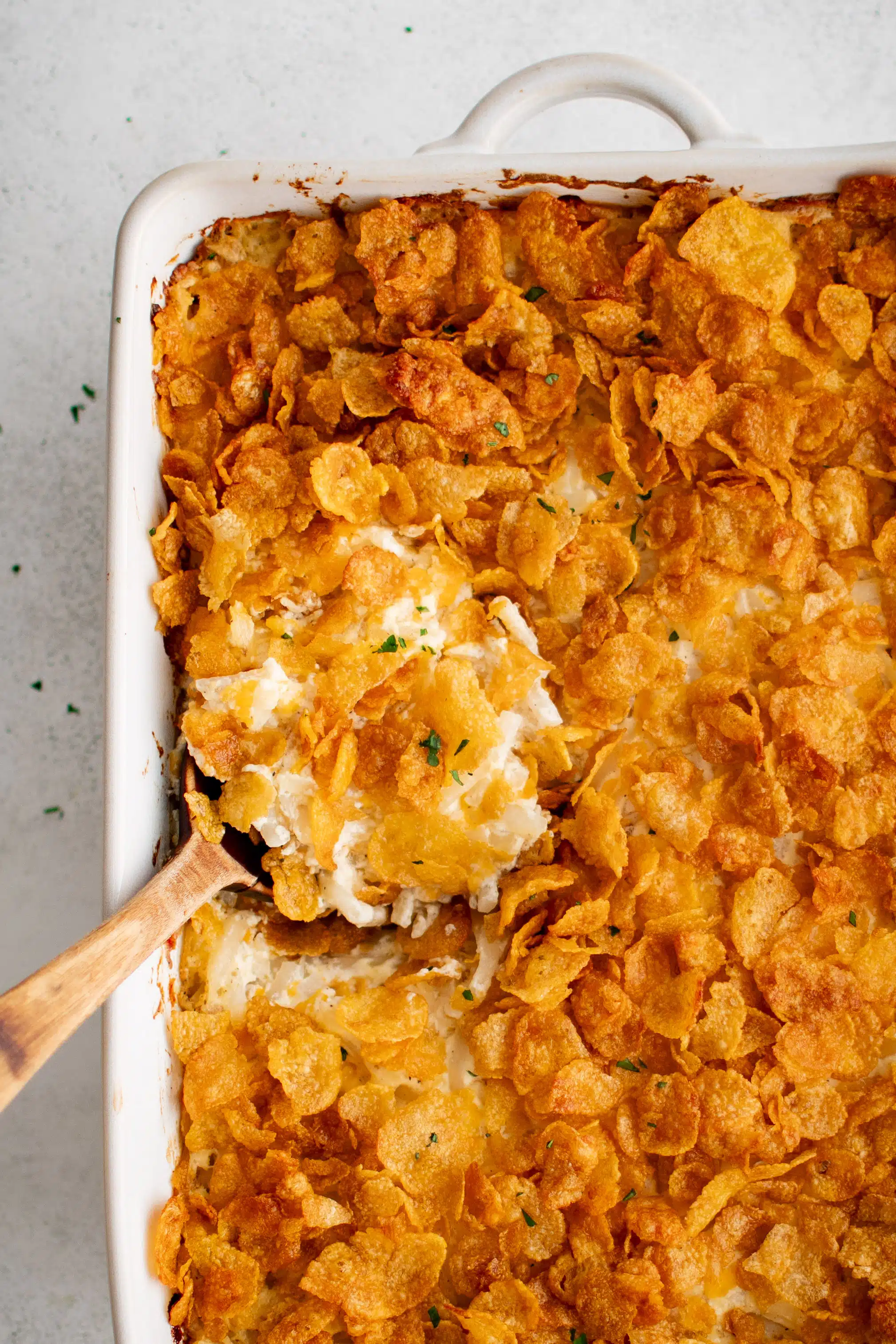
Credit: theforkedspoon.com
Frequently Asked Questions
What Ingredients Are Needed For Potato Onion And Cheese Casserole?
You need potatoes, onions, cheese, butter, cream, salt, and pepper. Optional herbs enhance flavor. These simple ingredients create a rich, creamy casserole.
How Do You Prepare Potato Onion And Cheese Casserole?
Slice potatoes and onions thinly. Layer them with cheese in a buttered dish. Pour cream over and bake until golden and bubbly.
Can I Use Different Cheeses In This Casserole?
Yes, cheddar, mozzarella, or Gruyère work well. Choose cheese that melts smoothly and adds flavor depth.
How Long Should I Bake Potato Onion And Cheese Casserole?
Bake at 350°F (175°C) for 45-60 minutes. Cook until potatoes are tender and the top is golden brown.
Conclusion
This Potato Onion and Cheese Casserole makes a warm, tasty meal. It’s simple to prepare and uses easy ingredients. The flavors blend well, pleasing many tastes. Serve it for family dinners or special days. Everyone will enjoy its creamy, cheesy texture.
Try this recipe and add it to your favorites. Cooking can be fun and rewarding with dishes like this. Give it a try and enjoy a cozy, delicious meal.

Hi, I’m Daniel Brooks—a food lover and kitchen gear enthusiast. I enjoy testing cookware, utensils, and gadgets to see what really works in everyday cooking. At PlugChef.com, I share honest reviews, comparisons, and simple guides to help you choose the best tools for a safer, smarter, and more enjoyable kitchen.
Related posts:
 What Type of Cooking Utensils are Safe: Expert Picks
 What Innovations Could Blenders Make: Unleashing Future Tech
 Smart Strategies to Organize a Small Kitchen: Maximize Space
 How to Organize a Kitchen Cabinet: Expert Tips & Tricks
 How to Organize Kitchen Drawers: Expert Tips and Tricks
 How to Organize a Corner Kitchen Cupboard: Expert Tips

