
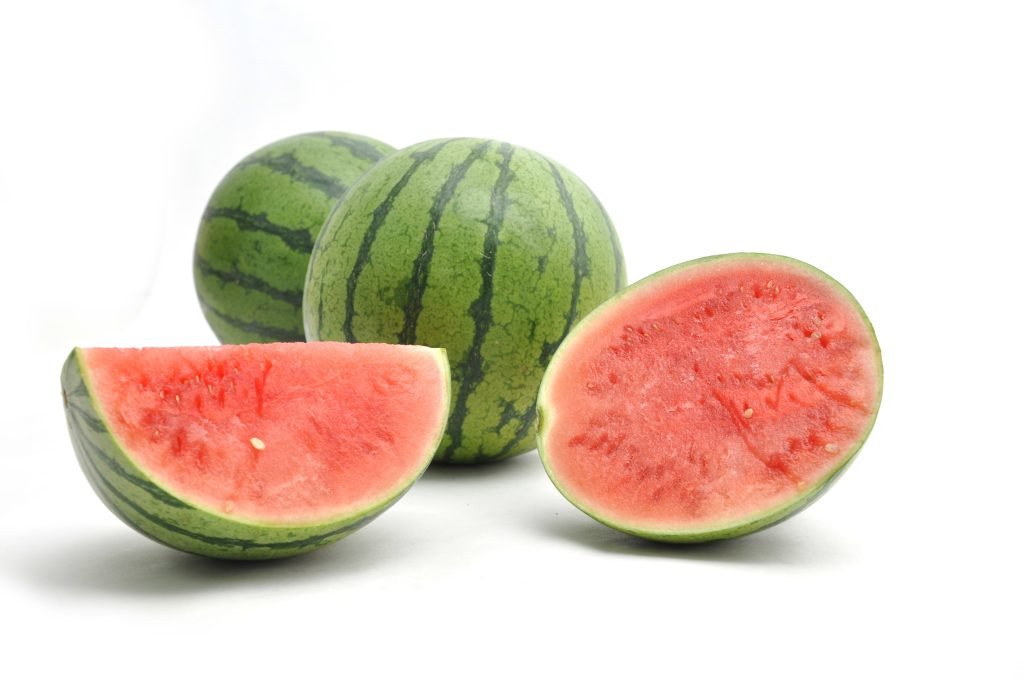
Are you torn between choosing a mini watermelon or a regular watermelon for your next snack? Both look refreshing and delicious, but which one is really the best fit for you?
Whether you want something easy to carry, quick to eat, or just want to know which tastes better, this guide will clear up the confusion. Keep reading to discover the surprising differences and find out which watermelon suits your lifestyle and cravings perfectly.
Your perfect summer treat is just a few lines away!

Credit: creators.yahoo.com
Size And Appearance
Size and appearance play a big role in choosing between mini watermelons and regular watermelons. Both types offer a refreshing treat, but their looks and size differ a lot. Understanding these differences helps pick the right watermelon for any occasion.
Mini Watermelon Characteristics
Mini watermelons are small and round, usually about the size of a cantaloupe. They weigh between 2 to 5 pounds. Their skin is smooth and has bright green stripes or spots. The color is often lighter than regular watermelons.
- Compact and easy to carry
- Bright green skin with clear patterns
- Round shape, perfect for small servings
Regular Watermelon Features
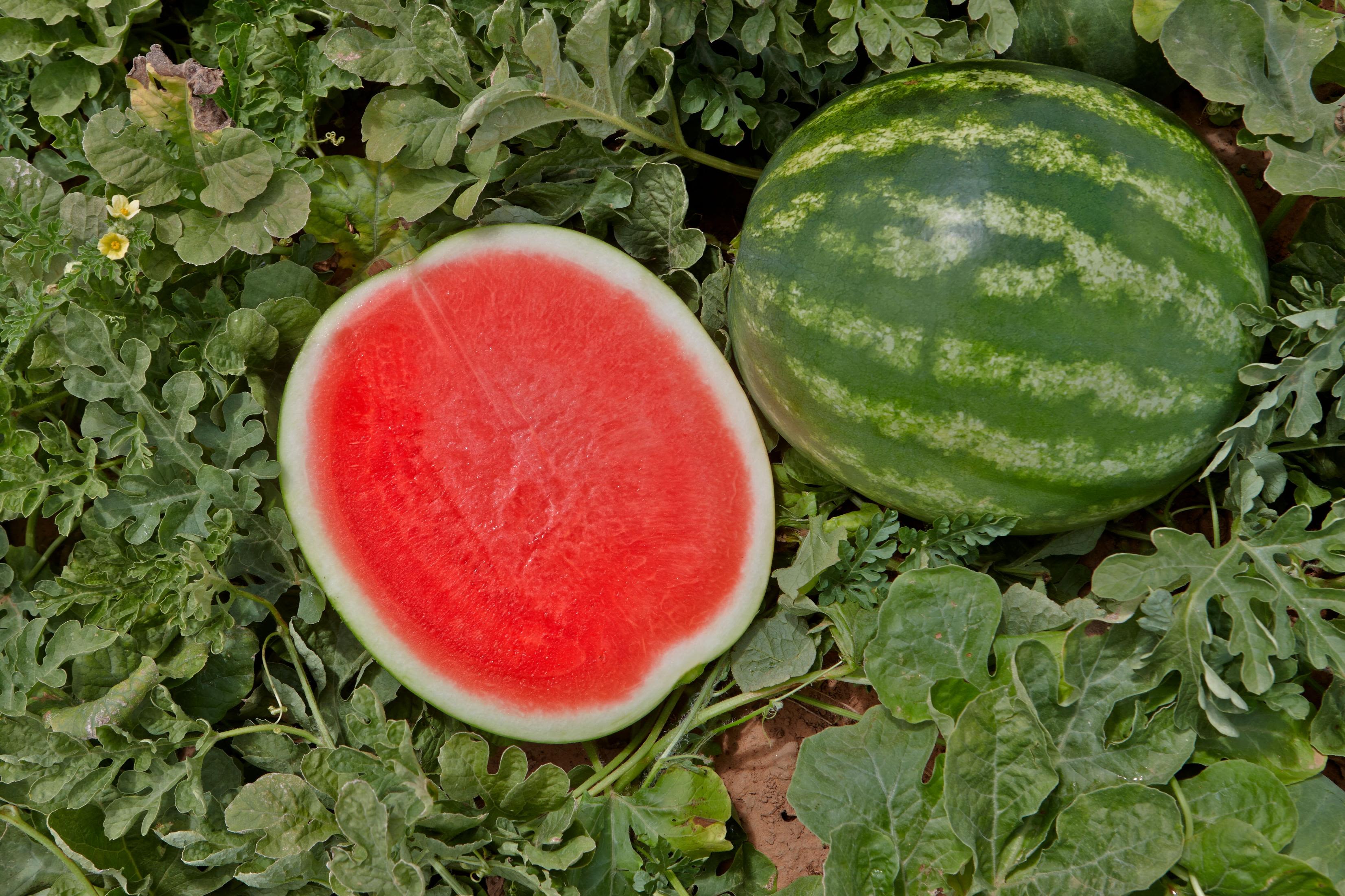
Regular watermelons are much larger, ranging from 10 to 30 pounds. They have a thick green rind with dark green stripes. The shape is mostly oval or oblong. Their skin feels rougher compared to mini watermelons.
- Large size, ideal for groups
- Thick rind with dark stripes
- Oval or oblong shape

Credit: www.youtube.com
Flavor And Texture
Flavor and texture define the eating experience of watermelons. Both mini and regular watermelons offer a refreshing taste. Yet, subtle differences exist in their sweetness and crunch. Understanding these can help you pick the best fruit for your snack or recipe.
Sweetness Levels
Mini watermelons tend to be sweeter than regular ones. Their smaller size often means a higher sugar concentration. Regular watermelons have a mild sweetness, balanced and refreshing. The sweetness depends on ripeness and variety for both types.
Juiciness And Crunch
Mini watermelons are juicy but slightly less crunchy than regular ones. Their flesh is tender and soft, offering a melt-in-your-mouth feel. Regular watermelons have a crisp texture that provides a satisfying crunch. Both types are hydrating and perfect for hot days.
Nutritional Comparison
Mini watermelons and regular watermelons offer similar nutrients like vitamins A and C. Mini watermelons often have slightly more sugar and calories per serving. Both provide hydration and antioxidants, making them healthy snack choices.
In the world of watermelons, size isn’t the only difference. The nutritional content between mini and regular watermelons varies. Let’s dive into their nutritional profiles to understand their differences.Calories And Sugar Content
Mini watermelons generally have fewer calories per serving. This makes them a lighter option for those counting calories. Regular watermelons, being larger, often contain more calories. The sugar content in both types is similar. Both offer natural sweetness, making them a refreshing choice.Vitamins And Minerals
Both mini and regular watermelons are rich in vitamins. They provide a good amount of vitamin C, which boosts immunity. Vitamin A is also present, promoting healthy skin and vision. Minerals like potassium are abundant in both types. This mineral helps maintain heart health and proper muscle function. Mini watermelons might have slightly varied nutrient concentrations due to size. But overall, both types are nutritious and hydrating.Health Benefits
Watermelons offer great health benefits, whether mini or regular size. Both types provide essential nutrients and hydration. They help maintain a healthy body and support overall wellness. Understanding their benefits can guide your choice.
Hydration And Antioxidants
Watermelon is over 90% water, making it excellent for hydration. Eating it helps keep the body refreshed and hydrated. Both mini and regular watermelons contain antioxidants like lycopene and vitamin C. These antioxidants protect cells and reduce inflammation. Lycopene also supports heart health and may reduce cancer risk.
Weight Management And Digestion
Watermelon is low in calories, aiding weight management. It provides a feeling of fullness with fewer calories. The fiber content helps improve digestion and prevent constipation. Both mini and regular watermelons support a healthy digestive system. They offer a tasty, low-calorie snack option for weight control.
Growing And Availability
Understanding how mini watermelons and regular watermelons grow and their availability can help you decide which one fits your needs better. Both types thrive under similar conditions but differ in size and growing time, affecting how and when you can enjoy them. Let’s look closer at their season, harvest time, cost, and accessibility to help you plan your next watermelon purchase or growing project.
Season And Harvest Time
Mini watermelons usually have a shorter growing season than regular watermelons. They mature in about 70 to 80 days, while regular watermelons take around 80 to 90 days to reach harvest.
This difference means you can enjoy mini watermelons earlier in the summer. If you want fresh fruit quickly, mini watermelons might be the better choice. However, regular watermelons often have a longer availability window due to larger-scale farming.
Have you noticed how some farmers stagger their watermelon harvests to keep fresh fruit available longer? You might find mini watermelons appearing in markets earlier and regular watermelons staying available well into late summer or early fall.
Cost And Accessibility
Mini watermelons often cost a bit more per pound compared to regular watermelons. Their smaller size and popularity as a convenient, portable snack contribute to this price difference.
Regular watermelons tend to be more accessible in larger grocery stores and farmers markets, especially during peak season. Mini watermelons can sometimes be harder to find outside of specialty stores or local markets.
If you value ease of handling and quick consumption, paying a little extra for a mini watermelon might be worth it. But if budget and quantity matter more, regular watermelons offer better value and wider availability.
Usage And Serving Ideas
Mini watermelons and regular watermelons offer versatile options for meals and snacks. Both types bring sweet, juicy flavors that brighten dishes and drinks. Their size and texture influence how you can serve them best. Below are practical ideas for using each type in everyday eating.
Snacking And Salads
Mini watermelons are perfect for quick snacks. Their smaller size means less waste and easy handling. Slice them into bite-sized pieces for children or on-the-go moments. Regular watermelons suit large gatherings or family meals. Cut into wedges or cubes, they fill bowls and plates with vibrant color.
- Mini watermelon chunks mixed with cucumber and mint create fresh salads.
- Regular watermelon pairs well with feta cheese and olives for a savory salad.
- Both can be sprinkled with lime juice or chili powder for a tangy twist.
Beverages And Desserts
Blend mini watermelon for small servings of refreshing juice or smoothies. Their sweetness reduces the need for added sugar. Regular watermelons provide enough pulp for pitchers of cold drinks. Use them to make watermelon lemonade, cocktails, or chilled soups.
- Mini watermelon sorbet offers a simple, cool treat.
- Regular watermelon cubes freeze well for icy dessert pops.
- Both types work wonderfully in fruit punches or as garnishes in drinks.
Credit: www.syngenta.com
Frequently Asked Questions
What Is The Size Difference Between Mini And Regular Watermelons?
Mini watermelons are much smaller, typically weighing 5-7 pounds. Regular watermelons can weigh 15-30 pounds or more. The size difference makes minis easier to handle and store.
Are Mini Watermelons Sweeter Than Regular Ones?
Yes, mini watermelons generally taste sweeter and have a higher sugar content. Their smaller size concentrates the flavor, making them a popular choice for snacking.
How Do Mini And Regular Watermelons Differ Nutritionally?
Nutritionally, both have similar vitamins and hydration benefits. Mini watermelons offer fewer calories due to their size but provide the same vitamins A and C.
Which Watermelon Type Is Better For Small Households?
Mini watermelons are ideal for small households. Their smaller size reduces waste and is perfect for quick consumption, unlike larger regular watermelons.
Conclusion
Mini watermelons offer convenience and sweetness in a small size. Regular watermelons provide more fruit for sharing and big gatherings. Both types have similar taste and nutrition benefits. Choose mini for easy handling and quick snacks. Pick regular for larger portions and family meals.
Either way, watermelon stays a refreshing, healthy choice. Enjoy the juicy, delicious fruit any time you want. Simple, tasty, and good for you.

Hi, I’m Daniel Brooks—a food lover and kitchen gear enthusiast. I enjoy testing cookware, utensils, and gadgets to see what really works in everyday cooking. At PlugChef.com, I share honest reviews, comparisons, and simple guides to help you choose the best tools for a safer, smarter, and more enjoyable kitchen.
Related posts:
 What Type of Cooking Utensils are Safe: Expert Picks
 What Innovations Could Blenders Make: Unleashing Future Tech
 Smart Strategies to Organize a Small Kitchen: Maximize Space
 How to Organize a Kitchen Cabinet: Expert Tips & Tricks
 How to Organize Kitchen Drawers: Expert Tips and Tricks
 How to Organize a Corner Kitchen Cupboard: Expert Tips

