
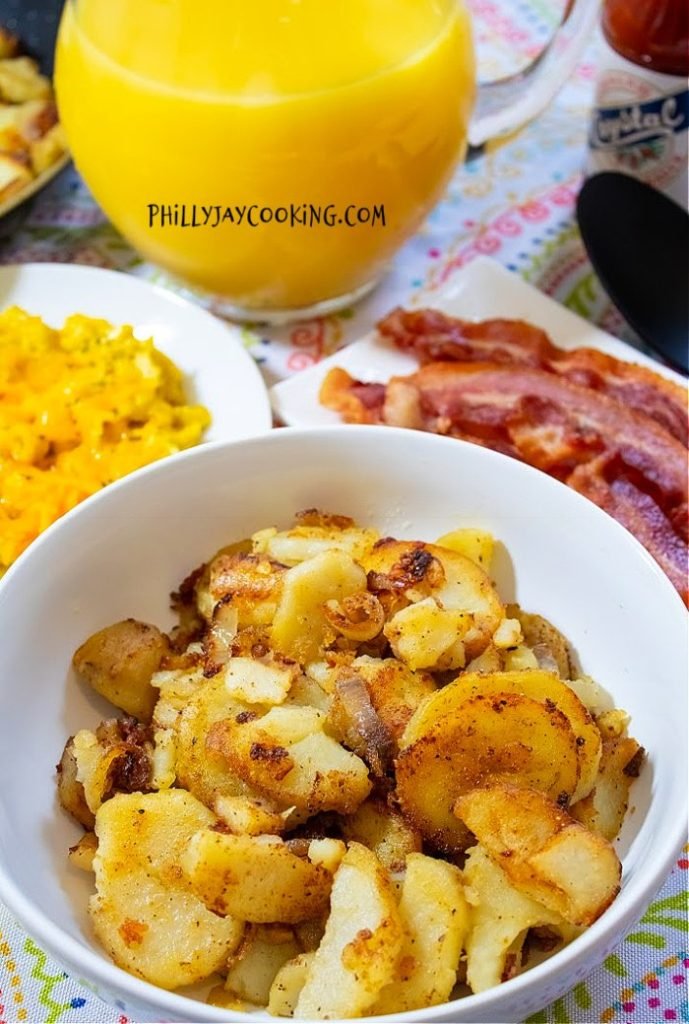
There’s nothing worse than biting into a batch of home fries only to hit a soggy, undercooked center and a limp, greasy crust. While most home cooks blame their cooking technique for this letdown, the #1 factor determining crispy, golden, fluffy home fries is the type of potato you choose. The right variety balances starch, moisture, and density to deliver that perfect crunch-on-the-outside, melt-on-the-inside texture every time, while the wrong pick will leave you with bland, mushy bites no matter how carefully you cook them.
In this guide, we’ll break down the best potatoes for home fries, explain the science behind crispiness, share pro prep tips from tested recipes, and help you avoid the common mistakes that ruin even the most well-intentioned batches. By the end, you’ll have all the tools to make restaurant-quality home fries at home, tailored to your texture and flavor preferences.
Why Potato Variety Is the Foundation of Perfect Home Fries
Not all potatoes are created equal when it comes to high-heat cooking. As outlined in University of Minnesota Extension’s guide to potato varieties, potatoes fall into three core categories based on starch content, each with distinct performance traits for frying:
- High-starch (20–22% starch): Low moisture, fluffy interior, crisp exterior when cooked at high heat. Ideal for maximum crunch.
- Medium-starch (15–17% starch): Balanced moisture and starch, creamy interior with moderate crispiness. The most versatile all-rounder.
- Waxy (12–14% starch): High moisture, firm texture, holds shape perfectly when cooked. Best for rustic, skin-on fries with a softer bite.
Understanding these categories will help you pick the right potato for your desired texture, no matter what recipe you’re following.
Top Potato Varieties for Home Fries, Ranked by Use Case
We’ve tested and ranked the most common potato varieties below by performance, flavor, and best use cases to help you make the right choice for your next batch.
#1 Pick for Maximum Crispiness: Russet Potatoes
Russets (also called Idaho potatoes) are the gold standard for ultra-crispy home fries. Their high starch content creates a fluffy, almost mashed-potato-like interior, while their low moisture content allows the exterior to crisp up beautifully without turning greasy. They hold their shape well when diced into uniform cubes, making them perfect for classic diner-style home fries.
- Pros: Unmatched crispiness, neutral flavor that absorbs seasoning well, widely available and affordable.
- Cons: Mild, earthy flavor, can fall apart if overcooked or cooked at too low a temperature.
- Best for: Pan-fried home fries served with eggs and bacon for a hearty breakfast.
Best All-Rounder: Yukon Gold Potatoes
Yukon Golds are the go-to choice for home cooks who want a balance of crispiness and rich, buttery flavor. Their medium starch content creates a creamy, dense interior with a golden, moderately crisp exterior, and they hold their shape far better than russets when tossed with other ingredients like onions and peppers.
- Pros: Rich, buttery flavor requires less seasoning, holds up well in oven roasting, less likely to fall apart during cooking.
- Cons: Less crispy than russets if cooked at temperatures below 400°F.
- Best for: Oven-roasted home fries or skillet fries mixed with vegetables for a weeknight side.
Best for Rustic, Skin-On Home Fries: Red Bliss or New Potatoes
Waxy red potatoes have thin, crisp skin and a firm, dense texture that holds its shape perfectly even when cooked for longer periods. Their subtle sweetness adds a unique flavor twist to savory home fries, and their vibrant red skin adds visual appeal to any plate.
- Pros: Holds shape when cut into thick wedges, sweet, earthy flavor, no peeling required for a rustic texture.
- Cons: Less crispy crust than high-starch varieties, softer interior.
- Best for: Skillet home fries mixed with bell peppers, onions, and smoked sausage for a hearty one-pan meal.
Best for Gourmet, Elevated Home Fries: Fingerling Potatoes
Small, elongated fingerling potatoes have a waxy texture and rich, nutty, buttery flavor that makes them a favorite for upscale home fry recipes. Their small size means they cook faster than larger potato varieties, and their thin skin crisps up beautifully with minimal prep.
- Pros: Unique, restaurant-style appearance, rich, complex flavor, no peeling needed.
- Cons: Higher cost per pound, smaller yield per potato, best for small batches.
- Best for: Brunch home fries served with poached eggs and hollandaise sauce.
Flavorful Twist: Sweet Potatoes
While not a traditional white potato, sweet potatoes make a delicious, nutrient-dense alternative for home fries. Their high natural sugar content caramelizes beautifully at high heat, creating a crispy, sweet crust that pairs perfectly with savory spices like chili powder, paprika, and cumin.
- Pros: High in vitamin A and fiber, unique sweet-savory flavor profile, crisp well when sliced into thin wedges.
- Cons: Cook faster than white potatoes, can burn if left unattended, softer interior.
- Best for: Breakfast home fries served with scrambled eggs and avocado, or as a side for barbecue dishes.
 Crispy homemade home fries fresh from the skillet, ready to serve with breakfast
Credit: www.simplyrecipes.com
Crispy homemade home fries fresh from the skillet, ready to serve with breakfast
Credit: www.simplyrecipes.com
The Science of Crispy Home Fries: Key Texture Factors
Crispiness comes down to three core variables: starch content, surface moisture, and cooking temperature. Understanding how each works will help you troubleshoot soggy fries and get consistent results every time.
Starch Content and the Maillard Reaction
High-starch potatoes like russets contain more amylose, a type of starch that leaches out of the potato’s surface during cooking. When exposed to high heat (above 300°F), this amylose undergoes the Maillard reaction, creating the golden, crispy crust that defines perfect home fries. Waxy potatoes have lower amylose content, so they brown less and stay firmer even when cooked for longer periods.
Moisture Control: The #1 Culprit for Soggy Fries
Excess surface moisture is the most common cause of soggy home fries. When wet potatoes hit hot oil, the water steams instead of frying, preventing the crust from forming. Even a small amount of leftover moisture on the potato surface will lead to soft, limp fries. In practice, most home cooks skip the drying step after soaking, which leaves enough moisture to ruin the crispiness of even the best-quality potato.
Skin-On vs. Peeled: How It Affects Crispiness
Leaving the skin on your potatoes adds an extra layer of crispiness and boosts the fiber content of your home fries. Thin-skinned varieties like red bliss or fingerlings crisp up almost as well as peeled potatoes when scrubbed thoroughly, while thick-skinned russets add a hearty, chewy texture when left unpeeled. Always scrub potatoes with a vegetable brush under cold water before prepping, and use a properly cleaned cutting board to avoid cross-contamination with raw produce or meat.
Step-by-Step Prep Tips for Restaurant-Quality Home Fries
Great home fries start long before you turn on the stove. Follow these tested prep steps to get consistent, crispy results every time:
Cutting Techniques for Even Cooking
Cut potatoes into uniform ½ to ¾ inch cubes or wedges to ensure even cooking. Smaller pieces cook faster but risk burning, while larger chunks take longer to cook through and can end up with a burnt exterior and raw interior. For large batches, use a mandoline with a safety guard to cut uniform pieces in half the time.
Soaking and Drying Best Practices
Soak cut potatoes in cold water for 30 minutes to 2 hours (or overnight for meal prep) to remove excess surface starch. This prevents sticking and promotes crispiness. After soaking, drain the potatoes and pat them completely dry with paper towels, then let them air dry for 10 minutes before cooking. A common mistake even experienced cooks make is skipping the air dry step, which leaves enough surface moisture to prevent proper crisping.
Seasoning and Oil Choices
Toss dried potatoes with 1–2 tablespoons of high-smoke-point oil per pound of potatoes, then season with ½ teaspoon of kosher salt per pound plus your desired spices (paprika, garlic powder, dried rosemary, or black pepper all work well). For optimal crispiness without burnt, bitter flavors, opt for oils with a smoke point above 400°F, such as avocado, canola, or peanut oil, per American Heart Association cooking oil guidelines. Avocado oil has a smoke point of 520°F, making it ideal for high-heat frying without breaking down.
Cooking Methods Tailored to Your Potato Choice
Different potato varieties perform best with different cooking methods:
- Russets: Pan-fry in ¼ inch of oil over medium-high heat for 10–12 minutes, flipping once, for maximum crispiness.
- Yukon Golds: Oven roast at 425°F for 25–30 minutes, tossed in oil, for even browning and a creamy interior.
- Red or fingerling potatoes: Skillet fry with diced onions and peppers for 15 minutes for a hearty, rustic side.
 Savory skillet home fries with diced onions and bell peppers, a classic Southern preparation
Credit: easyhealthyrecipes.com
Savory skillet home fries with diced onions and bell peppers, a classic Southern preparation
Credit: easyhealthyrecipes.com
Common Home Fry Mistakes (And How to Fix Them)
Even with the right potato, small errors can ruin your home fries. Avoid these common pitfalls to get consistent results:
- Overcrowding the pan: Adding too many potatoes at once lowers the pan temperature, causing them to steam instead of fry. Fix: Cook in batches of 1 cup of diced potatoes at a time, leaving space between pieces for air to circulate.
- Skipping the pan preheat: A cold pan causes potatoes to stick and cook unevenly. Fix: Heat oil in the pan for 2–3 minutes before adding potatoes; the oil should shimmer but not smoke.
- Using low-smoke-point oils: Butter or extra virgin olive oil burn at frying temperatures, creating a bitter flavor. Fix: Stick to high-smoke-point oils as outlined above.
- Flipping too often: Disturbing potatoes before a crust forms prevents crispiness. Fix: Let potatoes cook undisturbed for 4–5 minutes per side before flipping.
- Draining on paper towels: Paper towels trap steam and make fried potatoes soggy. Fix: Drain cooked potatoes on a wire rack set over a baking sheet to let excess oil drip off while keeping the crust crisp.
 Herb-seasoned pan-roasted potato wedges, a versatile base for custom home fry recipes
Credit: food52.com
Herb-seasoned pan-roasted potato wedges, a versatile base for custom home fry recipes
Credit: food52.com
Serving and Storage Tips
Perfect Pairings for Home Fries
Home fries are a versatile side that work for any meal of the day:
- Breakfast: Pair with scrambled or fried eggs, crispy bacon, or sausage. Toss roasted shishito peppers into your home fries for a mild, smoky kick, or serve with perfectly ripe avocado slices for a creamy, nutrient-dense addition.
- Lunch/Dinner: Pair with grilled steak, roasted chicken, veggie burgers, or barbecue ribs for a hearty, satisfying side that soaks up savory juices.
- Dips: Elevate your home fries with garlic aioli, sriracha mayo, Dijon mustard, or a mix of sour cream and fresh chives.
Storing and Reheating Leftovers
Store leftover home fries in an airtight container in the refrigerator for up to 3 days. To restore crispiness, reheat in a hot skillet or air fryer at 400°F for 3–4 minutes; avoid microwaving, which will make them soggy. When draining fried potatoes after cooking, use a durable sink basket to catch excess oil and crumbs, making cleanup faster. Follow regular kitchen sink maintenance tips to prevent oil residue from clogging drains after frying. Keeping your organized under-sink storage stocked with cleaning supplies makes post-cooking cleanup even easier.
Frequently Asked Questions
What type of potatoes are best for home fries?
Russet potatoes are the top pick for maximum crispiness, with a fluffy interior and crunchy exterior. Yukon Golds are the best all-rounder for a balance of crispiness and buttery flavor, while waxy red or fingerling potatoes are ideal for rustic, skin-on home fries that hold their shape.
How do potato types affect home fries texture?
High-starch potatoes like russets create a crispy exterior and fluffy interior via the Maillard reaction. Waxy potatoes hold their shape but have a softer, less crispy exterior, while medium-starch varieties offer a middle ground of moderate crispiness and creamy texture.
Can I use red potatoes for home fries?
Yes, red potatoes work well for home fries, but they will have a softer, less crispy crust than high-starch varieties. They are ideal if you prefer chunkier, firmer home fries that hold their shape when mixed with other ingredients.
Should I soak potatoes before cooking home fries?
Yes, soaking cut potatoes in cold water for 30 minutes to 2 hours removes excess surface starch, preventing sticking and promoting crispiness. Be sure to pat potatoes completely dry and let them air dry for 10 minutes before cooking to avoid sogginess.
Can I mix potato varieties for home fries?
Absolutely! Mixing russet and Yukon Gold potatoes gives you the best of both worlds: the crispiness of russets with the buttery flavor of Yukon Golds. Just adjust cooking time slightly, as russets may cook a few minutes faster than waxy varieties.
How do I reheat home fries to keep them crispy?
Avoid microwaving, which makes fries soggy. Instead, reheat in a hot skillet or air fryer at 400°F for 3–4 minutes, flipping halfway through, to restore their crispy crust.
Final Tips for Perfect Home Fries Every Time
Perfect home fries start with the right potato, but small prep and cooking tweaks make all the difference between soggy, forgettable bites and crispy, flavorful golden perfection. For maximum crunch, reach for high-starch russet potatoes, which crisp up beautifully and stay fluffy inside. If you prefer a richer, buttery flavor with moderate crispiness, medium-starch Yukon Golds are the perfect all-rounder. For rustic, skin-on home fries that hold their shape in hearty mixes, waxy red bliss or fingerling potatoes are ideal, and sweet potatoes add a caramelized, sweet-savory twist for a unique variation.
No matter which variety you choose, remember to control surface moisture, cook in batches, and use a high-smoke-point oil for the best results. Ready to test your skills? Start with a simple russet home fry recipe, toss in some roasted shishito peppers for extra flavor, and serve with a side of perfectly ripe avocado for a breakfast that will become a weekday staple.

Hi, I’m Daniel Brooks—a food lover and kitchen gear enthusiast. I enjoy testing cookware, utensils, and gadgets to see what really works in everyday cooking. At PlugChef.com, I share honest reviews, comparisons, and simple guides to help you choose the best tools for a safer, smarter, and more enjoyable kitchen.
Related posts:
 5 Drawer Organizer for Clothes: Maximize Your Space
 Bamboo Dish Rack With Drain Tray: Ultimate Kitchen Organizer
 Side Dish for Rack of Lamb: Perfect Pairings Unveiled
 Yamazaki Home 2608 Dish Drainer: Sleek Kitchen Essential
 Hidden Dish Drying Rack Ideas: Space-Saving Solutions
 Kraus Roll Up Dish Drying Rack: Space-Saving Kitchen Essential

