
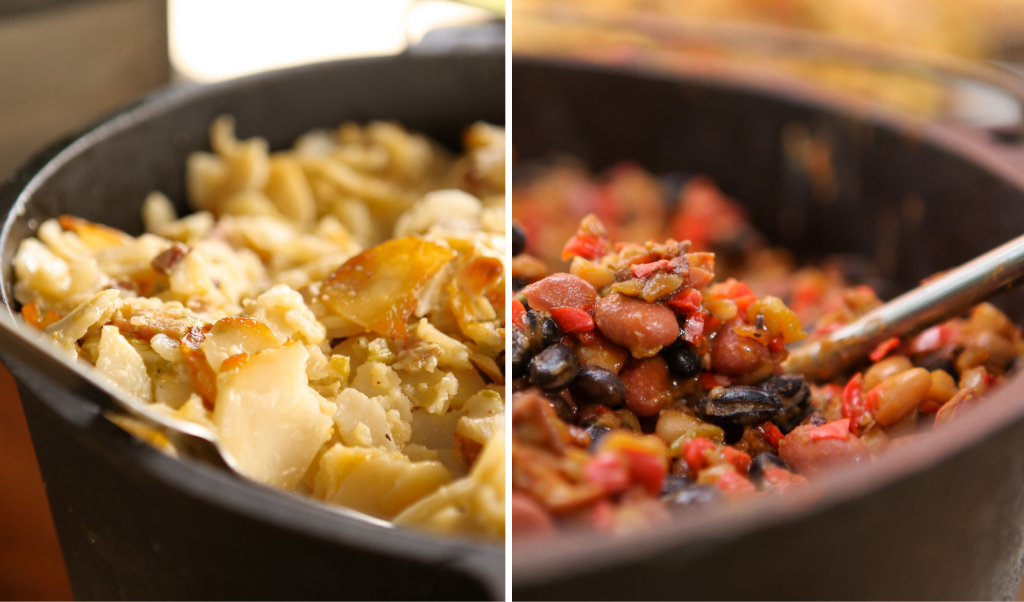
If you love cooking and want to impress your family and friends, mastering prize winning Dutch oven recipes is your next best step. Imagine creating mouthwatering meals that not only taste amazing but also earn you praise and maybe even awards.
Whether you’re a beginner or an experienced cook, these recipes will help you unlock the full potential of your Dutch oven. Ready to discover dishes that bring out rich flavors and unforgettable aromas? Keep reading, because your kitchen is about to become the place where magic happens.
Classic Dutch Oven Dishes
Classic Dutch oven dishes bring comfort and rich flavors to any meal. These recipes have stood the test of time and remain favorites in many kitchens. The Dutch oven’s thick walls and tight lid create perfect conditions for slow cooking.
It locks in moisture and allows ingredients to blend beautifully. Traditional recipes like stews, pot pies, and braised meats thrive in this cookware. Each dish offers a unique taste experience with hearty, savory notes.
Hearty Beef Stew
This stew features tender beef chunks simmered with vegetables. Carrots, potatoes, and onions soak up the rich broth. The slow cooking in the Dutch oven makes the meat melt in your mouth. Herbs like thyme and bay leaves add depth to the flavor.
- Brown beef pieces before adding broth
- Add chopped vegetables and seasoning
- Simmer slowly until beef is tender
- Serve with crusty bread for a complete meal
Savory Chicken Pot Pie
Chicken pot pie in a Dutch oven offers a golden crust and creamy filling. Cooked chicken mixes with peas, carrots, and a thick sauce. The Dutch oven helps bake the crust evenly while keeping the inside moist.
- Prepare the filling with cooked chicken and vegetables
- Pour into the Dutch oven and cover with pie crust
- Bake until the crust is golden and crisp
- Enjoy a warm and satisfying dish
Traditional Coq Au Vin
This French classic uses chicken cooked in red wine with mushrooms and onions. The Dutch oven’s slow heat tenderizes the meat and blends flavors deeply. Garlic and herbs infuse the dish with rich aroma and taste.
- Brown chicken pieces in the Dutch oven
- Add wine, mushrooms, onions, and herbs
- Simmer gently until the chicken is soft
- Serve with mashed potatoes or crusty bread

Image: Prize Winning Dutch Oven Recipes Ultimate Flavor Boosters
Creative Flavor Boosters
Creative flavor boosters can transform your Dutch oven recipes from ordinary to extraordinary. They add depth, excitement, and layers of taste that keep every bite interesting. Using simple yet powerful ingredients, you can elevate your dish and impress everyone at the table.
Using Fresh Herbs
Fresh herbs bring vibrant, natural flavors that dried versions can’t match. Adding chopped parsley, thyme, or rosemary near the end of cooking keeps their bright aroma intact.
I once tossed fresh basil into a tomato stew right before serving, and the whole dish instantly felt fresher and more balanced. Don’t be afraid to experiment—cilantro, dill, or tarragon can add unique twists to your recipes.
Incorporating Bold Spices
Bold spices like smoked paprika, cumin, or chili powder introduce exciting heat and complexity. Toasting whole spices in the Dutch oven before adding liquids releases essential oils and intensifies their flavor.
Try layering spices in stages—start with garlic and onion powder, then add a pinch of cayenne or curry powder midway. This technique builds a rich, multi-dimensional taste that keeps your dish from becoming flat.
Adding Umami Ingredients
Umami is the savory “fifth taste” that makes food deeply satisfying. Ingredients like soy sauce, mushrooms, Parmesan cheese, or anchovies can naturally boost umami in your Dutch oven recipes.
Adding a splash of soy sauce to a beef stew or mixing in sautéed mushrooms with your veggies can make your dish heartier and more flavorful. Have you tried combining different umami sources to see how they enhance each other?
Vegetarian Dutch Oven Recipes
Discover delicious vegetarian Dutch oven recipes that have won prizes for their rich flavors and easy preparation. These dishes bring hearty, healthy meals to your table with simple, fresh ingredients. Perfect for cozy family dinners or special occasions.
Vegetarian Dutch Oven Recipes offer comforting meals packed with flavor. These recipes highlight the versatility of the Dutch oven. They are perfect for creating hearty, meat-free dishes. With a few simple ingredients, you can enjoy satisfying meals that everyone will love.
Mushroom And Lentil Ragu
This dish is rich and savory. Mushrooms provide a meaty texture, while lentils add protein. Sauté onions and garlic until fragrant. Add chopped mushrooms and let them brown. Stir in cooked lentils and tomato sauce. Simmer until thick and flavorful. Serve over pasta or rice for a complete meal.
Roasted Vegetable Medley
A colorful mix of vegetables makes this dish delightful. Chop carrots, bell peppers, and zucchini into bite-sized pieces. Toss with olive oil, salt, and pepper. Place in the Dutch oven and roast until tender. Fresh herbs like rosemary or thyme enhance the taste. Enjoy as a side or main dish.
Cheesy Baked Pasta
This cheesy pasta is a crowd-pleaser. Cook your favorite pasta until al dente. Mix with tomato sauce and vegetables like spinach or broccoli. Layer with shredded cheese in the Dutch oven. Bake until the cheese is bubbly and golden. Serve hot for a comforting dinner.
Tips For Perfect Dutch Oven Cooking
Perfect Dutch oven cooking requires attention to simple yet important details. These tips help you create delicious meals every time. Understanding heat, ingredient placement, and cooking time makes a big difference.
Temperature Control
Keep the heat steady for even cooking. Avoid sudden temperature changes that can crack the pot or burn food. Use low to medium heat on the stove or a controlled fire for outdoor cooking. Preheat the Dutch oven before adding ingredients to prevent sticking.
Layering Ingredients
Place hard vegetables like potatoes and carrots at the bottom. Add meats and softer vegetables on top. This order helps cook everything evenly. Avoid overcrowding the pot to allow heat circulation. Use a lid to keep moisture inside and enhance flavors.
Timing And Patience
Cook slowly to bring out deep flavors. Resist the urge to lift the lid often, as this lets heat escape. Follow recipe times but check food gently near the end. Let dishes rest after cooking to improve taste and texture.
Desserts Made In Dutch Ovens
Dutch ovens are perfect for baking desserts with rich flavors and moist textures. Their heavy lids and thick walls trap heat evenly. This creates a cozy environment for sweet treats to cook slowly and develop deep tastes.
Many prize-winning dessert recipes use Dutch ovens to achieve amazing results. These desserts are simple to make and impress guests every time. Here are three classic Dutch oven desserts that win hearts and awards alike.
Fruit Cobbler
Fruit cobbler is a warm, comforting dessert. Fresh or frozen fruits simmer under a golden, biscuit-like topping. The Dutch oven locks in moisture, making the fruit tender and juicy.
- Choose fruits like peaches, berries, or apples
- Mix with sugar, cinnamon, and a splash of lemon juice
- Top with a simple batter or biscuit dough
- Bake until the crust is browned and the fruit bubbles
This dessert is perfect for sharing at family dinners or outdoor gatherings.
Chocolate Lava Cake
Chocolate lava cake bakes beautifully in a Dutch oven. The thick walls keep the edges firm and the center gooey. The result is a rich, molten chocolate surprise.
- Use high-quality cocoa or melted chocolate
- Mix with eggs, sugar, butter, and a pinch of flour
- Pour batter into greased Dutch oven or small ramekins
- Bake until the edges set but the center jiggles slightly
Serve warm with ice cream or whipped cream for extra delight.
Cinnamon Apple Crisp
Cinnamon apple crisp blends tender baked apples with a crunchy topping. The Dutch oven cooks everything evenly, creating a perfect balance of soft and crisp.
- Slice tart apples and toss with cinnamon and sugar
- Top with a mix of oats, brown sugar, butter, and nuts
- Cover and bake until apples soften and topping crisps
- Enjoy with a scoop of vanilla ice cream or cream
This dessert fills the kitchen with a warm, inviting aroma.

Credit: scarlatifamilykitchen.com

Credit: www.yahoo.com
Frequently Asked Questions
What Makes Dutch Oven Recipes Prize-winning?
Prize-winning Dutch oven recipes combine rich flavors, perfect texture, and creative ingredients. They showcase cooking skills and originality, impressing judges and food lovers alike.
How Do I Cook Perfect Stew In A Dutch Oven?
To cook perfect stew, brown meat first, then simmer slowly with vegetables. Use low heat and cover tightly for tender, flavorful results.
Can I Bake Bread In A Dutch Oven?
Yes, Dutch ovens create ideal conditions for baking crusty, moist bread. The heavy lid traps steam, producing a perfect crust and soft crumb.
What Are Easy Dutch Oven Recipes For Beginners?
Start with simple recipes like chili, roast chicken, or vegetable soup. These dishes require minimal prep and deliver delicious, satisfying meals.
Conclusion
These prize-winning Dutch oven recipes bring warmth and flavor to your table. Each dish offers simple steps and rich taste. You can enjoy hearty meals without much effort. Try them one by one and find your favorite. Cooking with a Dutch oven makes meals fun and easy.
Share these recipes with family and friends. Delicious results await you every time. Ready to create your own kitchen success? Keep these recipes close and enjoy every bite.

Hi, I’m Daniel Brooks—a food lover and kitchen gear enthusiast. I enjoy testing cookware, utensils, and gadgets to see what really works in everyday cooking. At PlugChef.com, I share honest reviews, comparisons, and simple guides to help you choose the best tools for a safer, smarter, and more enjoyable kitchen.
Related posts:
 What Type of Cooking Utensils are Safe: Expert Picks
 What Innovations Could Blenders Make: Unleashing Future Tech
 Smart Strategies to Organize a Small Kitchen: Maximize Space
 How to Organize a Kitchen Cabinet: Expert Tips & Tricks
 How to Organize Kitchen Drawers: Expert Tips and Tricks
 How to Organize a Corner Kitchen Cupboard: Expert Tips

