
Imagine this: you’ve just opened a delightful bottle of wine to celebrate a special occasion, or perhaps to simply unwind after a long day. The first glass is perfect, but you wonder what happens to the wine left in the bottle.
You might ask yourself, “Can an open bottle of wine go bad? ” You’re not alone in wondering about this. Many wine lovers face this dilemma, and understanding what happens to wine once it’s uncorked can help you make the most of every bottle.
With the right tips, you’ll never have to waste another drop. Dive into the secrets of wine preservation, and ensure every sip stays as enjoyable as the first. Discover how to keep your favorite vintage fresh and flavorful, and uncover the mysteries of open wine bottles. Stay with us—your taste buds will thank you.

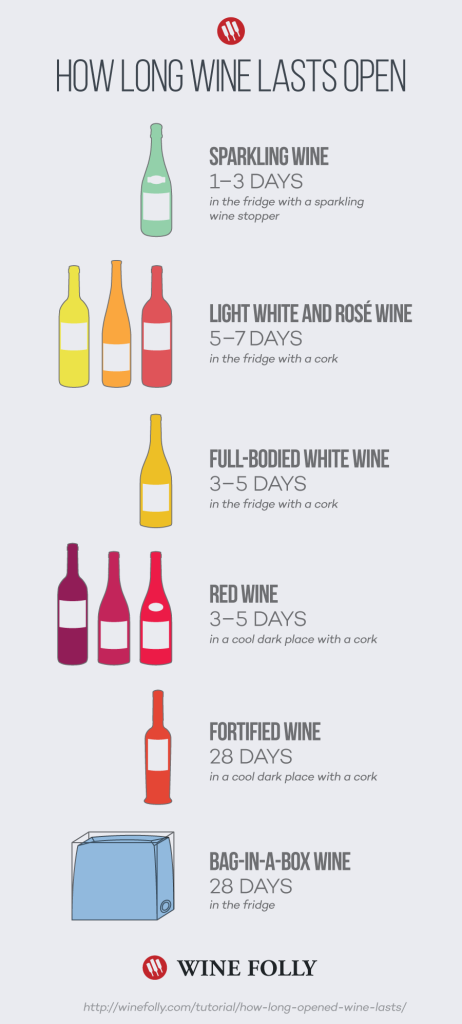
Credit: winefolly.com
Wine Shelf Life
Understanding the shelf life of wine is crucial for every enthusiast. Once a bottle is opened, its lifespan changes significantly. Oxygen exposure begins to alter the wine’s flavor and quality. Knowing how long wine lasts helps you enjoy it at its best.
How Long Does Wine Last After Opening?
Red wines typically last about 3 to 5 days. Store them with a cork in a cool, dark place. White wines usually keep fresh for 3 days when refrigerated. Sparkling wines are more delicate. They lose their fizz within 1 to 3 days.
Factors Influencing Wine Shelf Life
Several factors affect how long an open bottle remains good. Temperature plays a big role. High temperatures speed up oxidation. Exposure to light also degrades wine quickly. Airtight sealing slows down spoilage. Wine type impacts shelf life too.
Signs Your Wine Has Gone Bad
Recognizing spoilage signs is important. A sour or vinegar-like smell indicates oxidation. A change in taste to bitter or sharp suggests spoilage. Discoloration or cloudiness shows the wine is compromised. Trust your senses to assess wine quality.
Tips To Extend Wine Shelf Life
Seal the bottle tightly with a cork or stopper. Store it in a fridge or cool area. Vacuum pumps help remove air from the bottle. Keep the bottle upright to reduce air contact. Following these tips can preserve your wine longer.
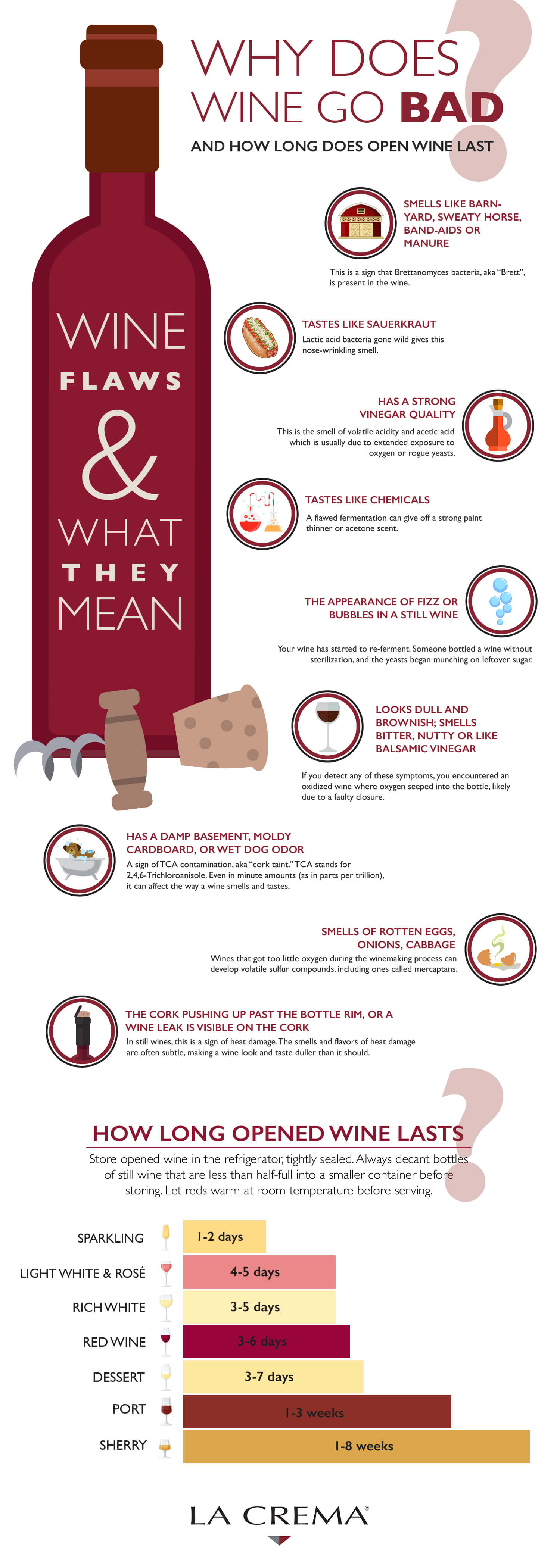
Credit: www.lacrema.com
Factors Affecting Wine Quality
Wine is a delightful companion to many meals and gatherings, but once opened, its quality can decline rapidly. Several factors play a crucial role in determining how long your open bottle of wine will remain enjoyable. Understanding these elements can save you from pouring a glass that has lost its charm. Let’s dive into the key factors affecting wine quality.
Oxidation
Oxidation is a silent thief of wine’s vibrant flavors. When air sneaks into your bottle, it starts a chemical reaction. This reaction can mellow and soften the taste initially. However, too much exposure can make the wine taste flat and lifeless. Have you ever poured a glass only to find it lacking the punch you remember? That’s oxidation at work. To slow this process, consider using a wine stopper that minimizes air contact.
Temperature Changes
The temperature at which you store your open wine has a big impact on its quality. Extreme fluctuations can be particularly damaging. If you leave it out in a warm kitchen, the wine can spoil faster than expected. Keeping your bottle in a fridge can help maintain its integrity. Have you noticed how a chilled wine seems to hold its flavor longer? That’s because cooler temperatures slow down spoilage.
Light Exposure
Light exposure might not be the first thing you think about, but it’s a sneaky culprit. UV rays can degrade the wine, altering its taste and aroma. Ever stored wine near a window and noticed it didn’t taste the same? That’s light exposure diminishing its quality. To combat this, store your wine in a dark place or use opaque containers.
Closure Type
The closure type of your wine bottle plays a significant role in preserving its quality. Corks allow a bit of air exchange, which can be beneficial for aging wine but detrimental for open bottles. Screw caps, on the other hand, offer a tighter seal and can help keep your wine fresher longer. Have you ever noticed how screw cap wines seem to stay lively after opening? It’s all about the closure keeping the air out.
Wine quality is a delicate balance, influenced by elements that are often overlooked. Next time you open a bottle, think about these factors. Could a simple change in storage make a difference? You might be surprised at how a few adjustments can prolong the enjoyment of your favorite wine.
Signs Of Spoiled Wine
Opening a bottle of wine is a delight. But, leaving it open can spoil it. Identifying signs of spoiled wine helps avoid unpleasant surprises. Here are some indicators that your wine has gone bad.
Unpleasant Odor
A strong, off-putting smell is a clear sign. Spoiled wine often smells like vinegar or wet cardboard. This happens due to oxidation. The wine reacts with air, leading to a sour scent. Trust your nose. A bad smell means the wine is not safe to drink.
Change In Color
Wine changes color as it spoils. Red wines turn brownish. White wines may appear cloudy or yellow. This color change indicates the wine has oxidized. Always inspect the wine in good light. A visible change in color means it is likely spoiled.
Off Taste
Wine that tastes different from its usual flavor is a concern. Spoiled wine often tastes sharp, sour, or flat. It loses its original fruity or rich notes. A sip can help you decide. If it tastes unpleasant, discard it. Trust your taste buds.
Proper Storage Techniques
Properly storing an open bottle of wine can extend its life and preserve its taste. Neglecting this can lead to disappointment when you take that first sip days later. You don’t need to be a sommelier to keep your wine fresh, just a few simple techniques can make all the difference.
Refrigeration
Refrigeration is key to slowing down the oxidation process that makes wine go bad. Once you uncork a bottle, place it in the fridge, regardless of whether it’s red or white. It might surprise you to know that reds can benefit from a slight chill, preserving their flavor longer.
Think of your fridge as a wine’s short-term haven. Even if you’re not planning to drink it immediately, keeping it cool helps maintain its quality. Have you ever noticed how a leftover glass of wine tastes off after sitting out on the counter? The cool environment of a fridge prevents this.
Wine Stoppers
A good wine stopper is a simple yet effective tool for preserving wine. It creates a seal to limit oxygen exposure, which can alter the wine’s flavor. There are various types available, from vacuum pumps to silicone caps, each with its own advantages.
Have you ever tried re-corking a bottle only to find it doesn’t quite fit the same? Stoppers solve this issue effortlessly. They’re also a great conversation starter at parties—imagine showing off your sleek wine stopper collection to curious guests!
Ideal Storage Conditions
Besides refrigeration and stoppers, storing wine at the right angle and in a dark place helps maintain its integrity. Keep bottles lying down so the wine stays in contact with the cork, preventing it from drying out and letting air in. Darkness is crucial as direct sunlight can degrade wine faster than you might think.
Is your wine rack in a sunlit room? Consider moving it to a cooler, darker spot to keep your collection in top shape. Remember, wine is a living thing, sensitive to its environment, and with a little care, you can enjoy it at its best.
Have you ever had a wine go bad because you didn’t store it properly? Share your experiences in the comments, and let’s learn from each other’s mistakes!
Extending Wine Freshness
There’s nothing quite like savoring a glass of wine at the end of a long day. But what happens when you don’t finish the bottle? Can it go bad? The truth is, yes, it can. However, there are effective methods to extend the freshness of your opened wine. With a little effort, you can keep your favorite wine tasting great for days. Let’s dive into some practical solutions.
Vacuum Sealers
Vacuum sealers are a game-changer for preserving wine. These handy gadgets work by removing air from the bottle, slowing oxidation. Have you ever noticed how your wine tastes different the next day? That’s because oxygen changes its flavors. By using a vacuum sealer, you minimize exposure to air, keeping your wine fresh longer. It’s an easy tool that ensures you enjoy every last drop.
Inert Gas Preservation
Another effective method is inert gas preservation. This involves spraying a layer of harmless gas into the bottle, which acts as a protective shield against oxygen. If you’re a wine enthusiast, this might be your go-to method. Have you ever tried it? It’s fascinating how a quick spray can preserve the rich flavors and aroma of your wine. It’s like a secret weapon in your wine arsenal.
Wine Preserving Gadgets
Wine preserving gadgets are all the rage. From simple stoppers to sophisticated systems, they offer solutions for every wine lover. Consider investing in a wine preservation system if you’re serious about extending wine freshness. You might find one that suits your lifestyle and needs. Have you explored these gadgets? You’d be surprised at how effective they can be in saving your wine from going bad.
So, next time you open a bottle, think about how you can keep it fresh. Don’t let good wine go to waste! What method will you try? Whether it’s vacuum sealing, inert gases, or gadgets, there’s a solution for everyone. Cheers to longer-lasting wine enjoyment!
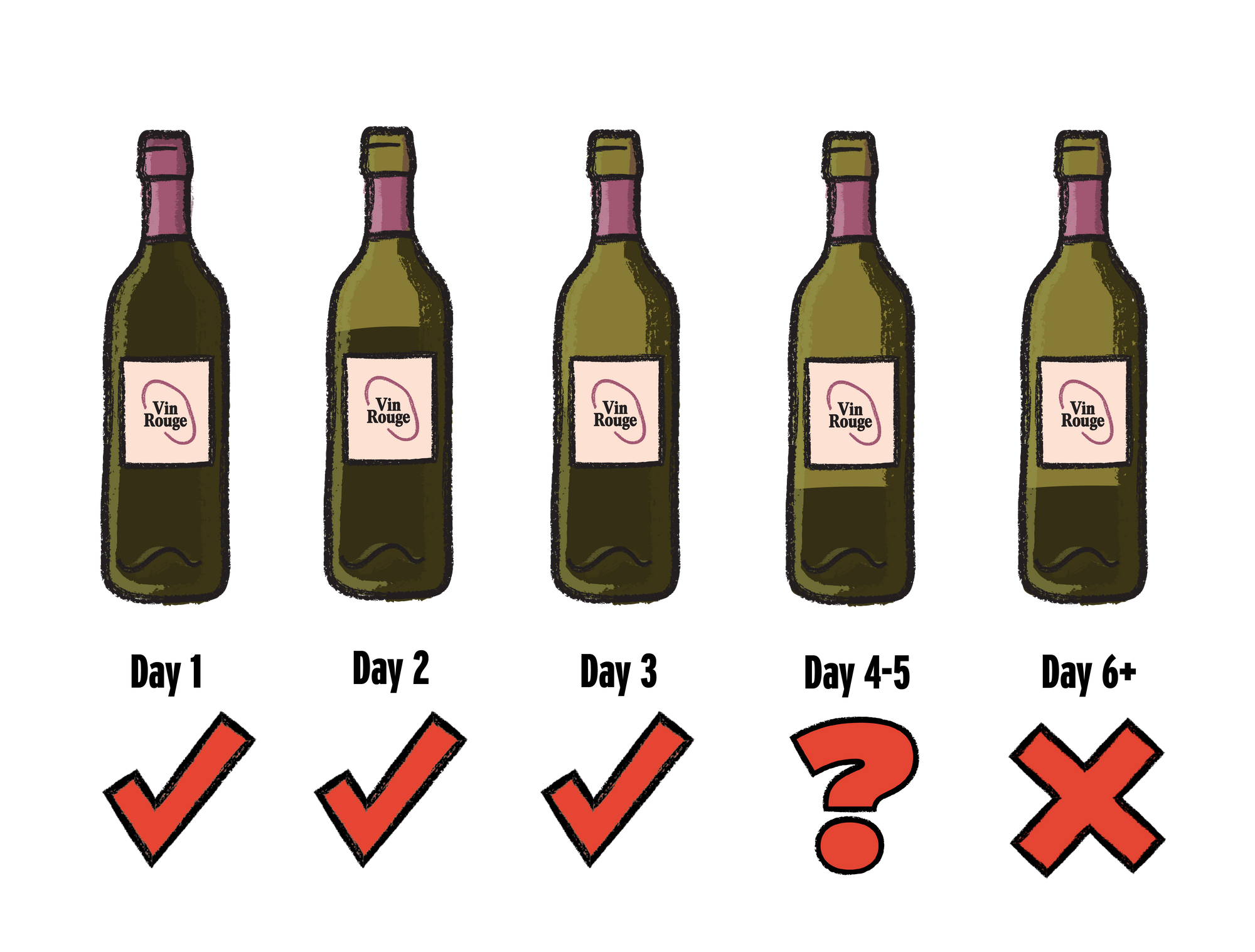
Credit: www.goodpairdays.com
Common Myths Debunked
An open bottle of wine can spoil due to air exposure. Oxygen affects taste, turning the wine sour. Proper storage can delay this process, preserving its flavor for a few days.
When it comes to storing an open bottle of wine, myths abound. Some of these misconceptions have been passed down through generations, while others might stem from outdated practices. Let’s demystify these myths and uncover the truth about what happens when you leave a bottle of wine uncorked.Wine Always Improves With Age
You may have heard that wine gets better the longer it sits. This isn’t always true. While certain wines do age well, an open bottle does not benefit from extended exposure to air. Think about that half-finished bottle from last week. Did it taste as good as the first glass? Probably not. Once opened, wine begins to oxidize, which can lead to unpleasant flavors.All Wines Spoil Quickly
Not all wines spoil at the same rate. Some can actually last several days after opening. Red wines typically hold up better than whites due to their tannins and acidity. Consider how long you typically leave an open bottle in your fridge. Was it a day, two, or even three? Knowing your wine type can help you plan accordingly.Refrigeration Prevents Spoilage Entirely
Refrigeration does slow down the spoilage process, but it doesn’t stop it completely. While a colder environment can preserve your wine longer, it won’t make it immortal. Reflect on your own experiences with storing wine. Did refrigeration make it last longer, but not indefinitely? If you’re serious about keeping your wine fresh, consider using a vacuum pump to remove air from the bottle. Why not experiment with these insights? The next time you open a bottle, pay attention to how it evolves over time. You might discover that some wines are better enjoyed quickly, while others can linger a bit longer.Frequently Asked Questions
Can I Drink Opened Wine After 2 Weeks?
Opened wine can be safe to drink after 2 weeks, but it may lose flavor. Store it properly in the fridge, and use a wine stopper to maintain quality. Red wines last longer than white wines. Always check for off smells or tastes before consuming.
How Long Can You Keep An Opened Wine Bottle?
An opened wine bottle lasts 3-5 days with proper storage. Red wines last longer, up to a week. Keep wine sealed and refrigerated to maintain freshness. Use a vacuum pump or stopper for extended preservation. Enjoy wine’s best flavors within this timeframe.
How Do You Know If An Open Bottle Of Wine Is Bad?
Check for sour smell, vinegar-like or musty odor. Taste for unpleasant, flat, or sharp flavors. Inspect for cloudy appearance or change in color. Look for bubbles in still wine indicating fermentation. Trust your senses; if it doesn’t seem right, it’s likely bad.
What Happens If You Drink Wine 7 Days After Opening?
Wine loses its flavor and aroma after 7 days. Exposure to air can cause oxidation, making it taste sour or stale. Store it properly to minimize spoilage. Drinking it is safe but less enjoyable. Use leftover wine for cooking or vinegar instead.
Conclusion
Wine can lose its flavor after opening. Air exposure affects its taste. Seal it tightly and store properly. Refrigerate white wine for freshness. Red wine can stay good for a few days. Use it in cooking if taste changes. Always check for off-smells.
Bad wine won’t harm you, but it won’t taste great. Enjoy your wine while it’s fresh. Don’t let it sit too long. The key is proper storage. Keep an eye on its condition. Enjoy every sip before it turns. It’s all about timing and care.

I’m Abby Lu, a passionate home cook who loves simplifying everyday meals. At PlugChef.com, I share product reviews and cooking guides to help you find the best tools for your kitchen.
Related posts:
 What Type of Cooking Utensils are Safe: Expert Picks
 What Innovations Could Blenders Make: Unleashing Future Tech
 Smart Strategies to Organize a Small Kitchen: Maximize Space
 How to Organize a Kitchen Cabinet: Expert Tips & Tricks
 How to Organize Kitchen Drawers: Expert Tips and Tricks
 How to Organize a Corner Kitchen Cupboard: Expert Tips

