
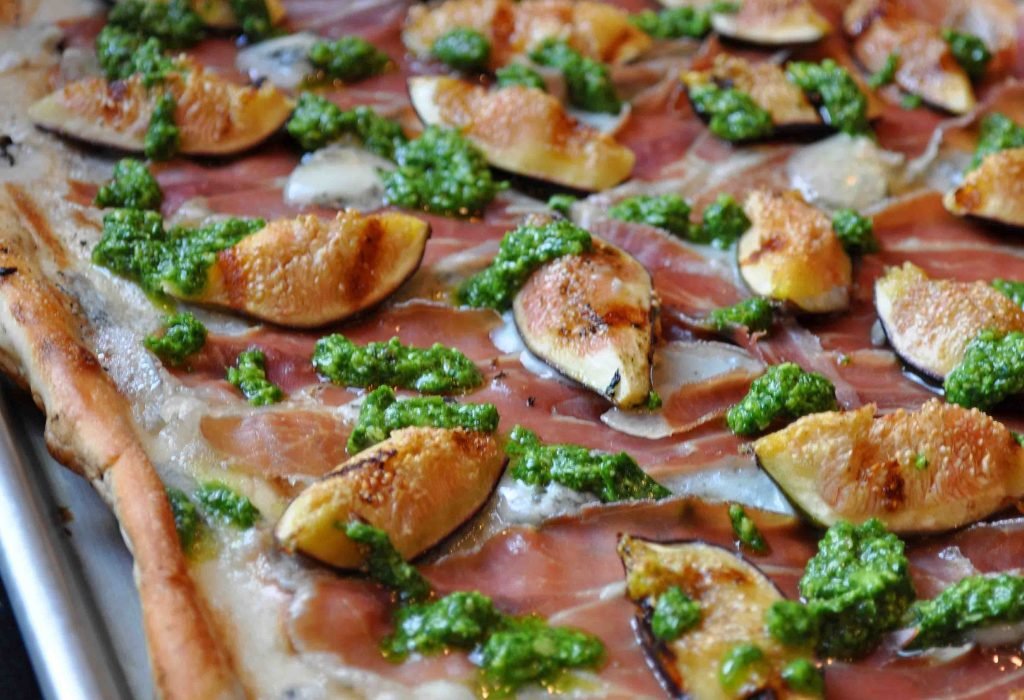
There’s a reason prosciutto and arugula pizza is a staple on gourmet restaurant menus and home pizza night menus alike: the contrast of warm, crispy crust, silky salty cured ham, and bright, peppery fresh greens creates a flavor balance that feels both indulgent and light enough for casual weeknight eating. Unlike heavy, loaded meat pizzas, this combination relies on high-quality, minimal ingredients to shine, making it surprisingly easy to recreate at home with a few key tips. In this guide, we’ll walk through the history of this iconic pairing, how to source the best ingredients, step-by-step preparation to avoid common pitfalls, and creative twists to make it your own.
 Credit: www.kyleecooks.com
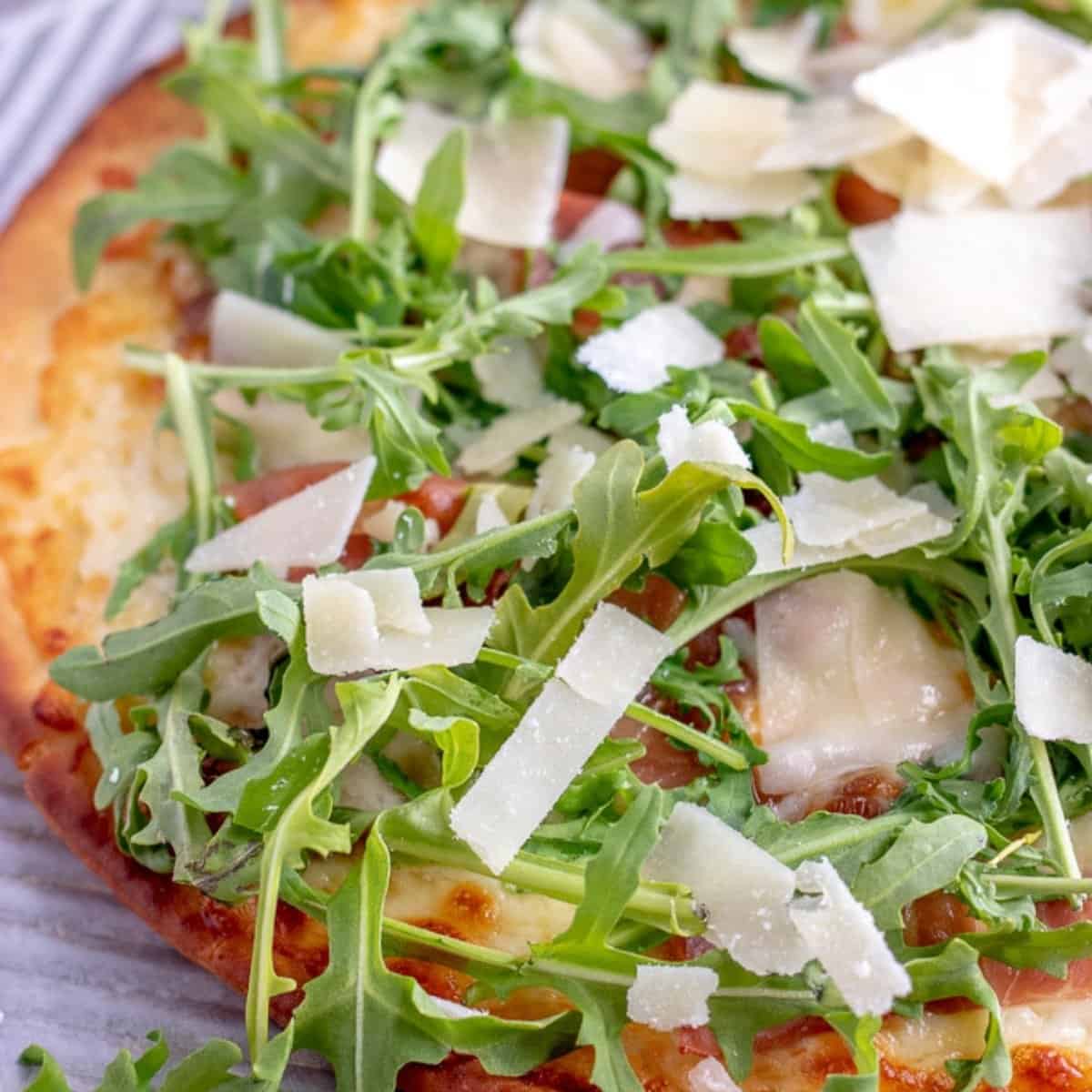
A single serving of the pizza, topped with silky prosciutto and crisp peppery arugula.
Credit: www.kyleecooks.com
A single serving of the pizza, topped with silky prosciutto and crisp peppery arugula.
What Makes This Pizza a Gourmet Standout
The magic of this pizza lies in its intentional contrast of textures and flavors: the salty, umami-rich prosciutto cuts through the richness of melted cheese, while the peppery, slightly bitter arugula adds a bright, fresh finish that prevents the dish from feeling heavy. Unlike meat-heavy pizzas loaded with greasy toppings, this combination feels light yet satisfying, making it equally well-suited for a quick weeknight dinner or a casual gathering with friends.
A common mistake home cooks make is adding prosciutto to the pizza before baking, which causes the ham to crisp up and lose its signature silky, melt-in-your-mouth texture. The same goes for arugula: adding it before baking will leave you with wilted, soggy greens instead of the crisp, peppery bite that makes this topping so special. Getting these small timing details right is the difference between a good pizza and an unforgettable one.
The History Behind the Iconic Combo
Origins of Prosciutto
Prosciutto, the dry-cured ham at the heart of this pizza, has roots dating back to ancient Roman times, when salting and air-drying pork was the most reliable way to preserve meat before refrigeration. Today, only two Italian varieties hold official Protected Designation of Origin (PDO) status: prosciutto di Parma, produced in the Emilia-Romagna region, and prosciutto di San Daniele, made in the Friuli-Venezia Giulia region. Both are aged for a minimum of 12 months, developing a deep, savory flavor and delicate, almost translucent texture that can’t be replicated with mass-produced cured ham. For context on safe handling and quality standards for dry-cured meats, refer to USDA dry-cured ham standards.
Arugula’s Role in Italian Cuisine
Arugula, known as rucola in Italy, has been a staple of Italian cooking for centuries, valued for its peppery, slightly nutty flavor and nutrient-dense profile. Unlike milder salad greens, mature arugula has a sharp, almost wasabi-like bite that pairs perfectly with rich, salty ingredients like cured ham and melted cheese. Beyond pizza, it’s a common topping for bruschetta, pasta dishes, and simple salads dressed with just olive oil and lemon juice. Harvard T.H. Chan School of Public Health research notes that arugula is particularly high in vitamin K, calcium, and antioxidants, making it a far more nutrient-dense topping than iceberg lettuce or other mild greens.
How the Pairing Landed on Pizza
While pizza has existed in Naples for centuries, the combination of prosciutto and arugula as a topping emerged in Northern Italy in the 1980s, as pizzerias began experimenting with lighter, more refined toppings to move away from heavy, meat-loaded pies. Bakers found that adding thinly sliced prosciutto and fresh arugula after baking preserved the ham’s silky texture and the greens’ crisp bite, creating a balanced, restaurant-quality slice that felt far more elevated than standard pepperoni or sausage pies. The combination spread to the US in the early 2000s, as artisanal pizza culture took off in cities like New York and San Francisco, and has since become a menu staple at pizzerias worldwide.
Sourcing the Perfect Ingredients
Selecting Premium Prosciutto
The quality of your prosciutto will make or break this pizza, so it’s worth investing in a high-quality cut. Look for prosciutto with a PDO label if possible, as this guarantees it was produced using traditional, region-specific methods. The slices should be paper-thin, almost translucent, with a delicate, rosy hue and a tender, non-greasy texture. Avoid pre-packaged prosciutto sold in vacuum-sealed packs at most grocery stores: these are often aged for shorter periods, contain added preservatives, and have a dry, overly salty flavor that can overpower the other toppings. If you have a local Italian deli, ask for prosciutto sliced to order, as it will have a far superior texture and flavor.
For flavor preference, prosciutto di Parma has a sweeter, milder profile with subtle nutty notes, while prosciutto di San Daniele is saltier and more savory, with a firmer texture. Both work beautifully, so choose based on your taste preference.
Choosing the Freshest Arugula
Fresh arugula is non-negotiable for this pizza, as wilted or bitter greens will throw off the entire flavor balance. Look for bunches with deep green, crisp leaves, no yellowing or brown edges, and no signs of sliminess. Baby arugula is milder and less peppery, making it a good option for kids or anyone who dislikes strong bitter flavors, while mature arugula has a more intense, peppery bite that stands up better to the salty prosciutto.
Always wash arugula thoroughly in cold water, then dry it completely in a salad spinner or with a clean kitchen towel before adding it to the pizza. Excess moisture will make the crust soggy and dilute the greens’ peppery flavor.
Cheese Options That Work
While fresh mozzarella is the classic choice for this pizza, not all mozzarella is created equal. Fresh mozzarella packed in water has a rich, creamy flavor and melt, but it releases a lot of moisture that can make your crust soggy if you don’t pat it dry with a paper towel before adding it to the pizza. Low-moisture mozzarella, sold in blocks or pre-shredded, melts more cleanly and keeps the crust crisp, making it a better option if you’re worried about sogginess. For a luxurious upgrade, swap fresh mozzarella for burrata, which has a rich, buttery cream center that oozes beautifully over the warm pizza.
A sprinkle of grated Parmigiano-Reggiano or Pecorino Romano after baking adds a salty, nutty umami kick that complements the prosciutto perfectly. Avoid pre-shredded cheese, which is coated in anti-caking agents that prevent it from melting smoothly and can leave a grainy texture on your pizza. Starting with a crisp homemade base ensures the crust stays crisp even with moist toppings.
Crust and Sauce Foundations
The crust is the foundation of any great pizza, and for this combo, you want a thin, crisp base that can stand up to the toppings without getting soggy. If you’re making dough from scratch, use a high-hydration dough (70-75% water to flour ratio) for a light, airy crumb and a chewy, crisp exterior. Let the dough rise for at least 1 hour at room temperature, or 24 hours in the fridge for more complex flavor. If you’re short on time, store-bought artisan pizza dough works well, just let it come to room temperature for 30 minutes before shaping to avoid shrinkage.
Skip heavy, chunky marinara sauce for this pizza: a thin layer of smooth tomato passata, or even just a brush of extra virgin olive oil and a sprinkle of garlic for a white pizza, will let the prosciutto and arugula shine without overwhelming them. Too much sauce is one of the most common causes of soggy pizza crust.
Step-by-Step Homemade Preparation
Prep Work
Start by preheating your oven to 500°F (260°C) if you’re using a pizza stone or steel, which is essential for getting a crisp, well-charred crust. If you don’t have a pizza stone, a preheated aluminum baking sheet works almost as well. Let your dough come to room temperature for 30 minutes before shaping to make it easier to stretch without springing back. Pat your fresh mozzarella dry with paper towels to remove excess moisture, and slice your prosciutto into 1-inch wide strips. Wash and thoroughly dry your arugula, and set it aside until the very end of the process.
Assembling the Pizza
Lightly flour your work surface and stretch the dough by hand into a 12-inch circle, leaving a ½-inch border around the edge for the crust. Avoid using a rolling pin, which compresses the air pockets in the dough and leads to a dense, chewy crust instead of a light, airy one. Transfer the stretched dough to a pizza peel dusted with semolina flour or cornmeal, which will help it slide easily onto the pizza stone.
Spread a thin, even layer of tomato passata or olive oil over the dough, leaving the border bare. Add your mozzarella in an even layer, then bake immediately – do not add the prosciutto or arugula yet.
Baking for Perfect Texture
Slide the pizza onto the preheated pizza stone or baking sheet, and bake for 8-10 minutes, until the crust is golden and crisp around the edges, and the cheese is bubbly and slightly charred in spots. Remove the pizza from the oven, and immediately top with the sliced prosciutto and dried arugula. The residual heat from the pizza will warm the prosciutto slightly without cooking it, keeping its silky texture, and will slightly wilt the arugula without making it soggy. Finish with a drizzle of high-quality extra virgin olive oil, a sprinkle of flaky sea salt, and freshly ground black pepper, then cut into slices and serve immediately.
 Credit: www.thekitchenwhisperer.net
Finished pizza resting on a wooden peel, ready to slice and serve.
Credit: www.thekitchenwhisperer.net
Finished pizza resting on a wooden peel, ready to slice and serve.
Flavor Balancing and Pairing Ideas
Balancing Salty, Peppery, and Rich Notes
The key to a perfect slice is balancing the three core components: the salty, umami-rich prosciutto, the peppery, bitter arugula, and the rich, creamy melted cheese. If you find your pizza too salty, add a drizzle of balsamic glaze or a squeeze of fresh lemon juice to cut through the richness. If the arugula is too peppery for your taste, use baby arugula or mix it with a handful of mild baby spinach. A sprinkle of toasted pine nuts adds a nutty crunch that ties all the flavors together without overpowering them.
Complementary Topping Ideas
While the classic three-ingredient combo is perfect on its own, a few carefully chosen add-ins can elevate it even further:
- Sliced fresh figs or pears for a sweet, juicy contrast to the salty prosciutto
- Toasted pine nuts or walnuts for a crunchy, nutty depth
- Roasted cherry tomatoes for a burst of bright, tangy acidity
- A drizzle of hot honey for a sweet and spicy kick
- Fresh lemon zest for a bright, citrusy finish
The key is to keep additions minimal: this pizza is designed to let high-quality ingredients shine, so avoid adding more than 1-2 extra toppings to prevent flavor overload.
Beverage Pairings
The bright, bold flavors of this pizza pair well with a wide range of drinks, both alcoholic and non-alcoholic. For wine lovers, crisp, light-bodied whites like Pinot Grigio or Vermentino are perfect, as their bright acidity cuts through the richness of the prosciutto and cheese. Light red wines like Sangiovese or Chianti Classico also work well, as their bright cherry notes complement the arugula’s peppery bite. For beer fans, a light pilsner or hazy IPA with bright citrus notes is a great match.
For non-alcoholic options, sparkling water with a slice of lemon is a classic, refreshing choice that won’t overpower the pizza’s flavors. A well-crafted cold brew has bright, slightly bitter notes that pair beautifully with the prosciutto and arugula, while a tangy vodka lemonade spritz adds a bright, sweet-tart kick that’s perfect for warm weather.
Creative Variations to Suit Any Taste
White Pizza Variation
If you prefer a richer, creamier base, skip the tomato sauce entirely and use a brush of extra virgin olive oil and a sprinkle of minced garlic as your base. Top with mozzarella and bake as usual, then finish with prosciutto, arugula, and a drizzle of white balsamic glaze for a tangy, bright finish. You can also add a dollop of ricotta mixed with lemon zest after baking for an extra creamy, tangy element.
Sweet and Savory Twists
For a sweeter take on the classic combo, add slices of fresh ripe pear or fig after baking, then drizzle with a touch of honey and sprinkle with toasted walnuts. The sweetness of the fruit pairs perfectly with the salty prosciutto, while the nuts add a satisfying crunch. A sprinkle of dried cranberries or pomegranate seeds also works well for a burst of tart sweetness.
Dietary Adjustments
This pizza is easy to adapt for dietary restrictions: use a gluten-free pizza crust for a gluten-free option, swap dairy cheese for a vegan mozzarella alternative for a dairy-free version, and use low-sodium prosciutto if you’re watching your salt intake. For a vegetarian version, swap the prosciutto for crispy prosciutto-style tofu or smoked mushrooms, which add a similar salty, umami flavor without the meat.
 Credit: www.sobeys.com
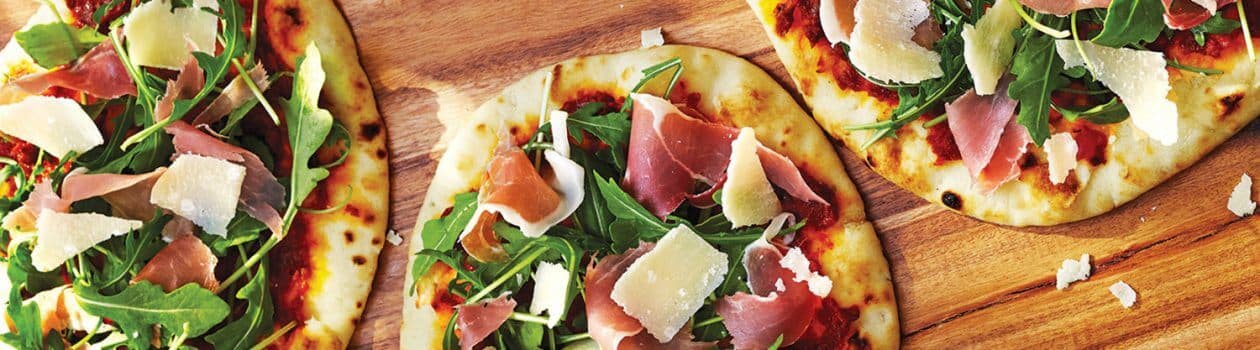
Pre-assembled flatbread base topped with arugula and prosciutto, ready for serving.
Credit: www.sobeys.com
Pre-assembled flatbread base topped with arugula and prosciutto, ready for serving.
Serving, Storing, and Leftover Tips
Presentation Ideas
While this pizza tastes delicious no matter how you serve it, a few small presentation touches can make it feel even more gourmet. Serve it on a wooden pizza peel or rustic ceramic platter to highlight its artisanal feel, and garnish with extra arugula, a drizzle of high-quality extra virgin olive oil, and a few shavings of Parmigiano-Reggiano right before serving. For a dinner party, cut the pizza into smaller, bite-sized slices to make it easy for guests to grab and go.
Serving Suggestions
This pizza is versatile enough to work as a main dish, appetizer, or even a light lunch. For a complete meal, pair it with a light jarred side salad for a no-fuss, fresh side that won’t compete with the pizza’s bold flavors. If you’re hosting a crowd, serve it alongside easy shareable appetizers like pigs in a blanket or bruschetta for a low-effort, high-reward spread. For dessert, serve with a light panna cotta or a slice of rich chocolate cake to contrast the savory pizza.
Storage and Reheating
If you have leftovers, store the pizza in an airtight container in the refrigerator for up to 2 days. Keep the arugula separate if possible, and add it fresh after reheating to preserve its crisp texture. To reheat, place the pizza on a preheated baking sheet in a 375°F (190°C) oven for 5-7 minutes, which will crisp up the crust without making it soggy. Avoid microwaving, as this will leave the crust chewy and rubbery. Leftover arugula can be tossed with a simple lemon vinaigrette for a quick side salad, or added to a pasta dish for an extra peppery kick.
Frequently Asked Questions
What is prosciutto and why is it used on this pizza?
Prosciutto is a dry-cured Italian ham, thinly sliced and known for its salty, savory, silky texture. It pairs perfectly with arugula because its saltiness balances the green’s peppery bitterness, and its delicate flavor doesn’t overpower the other toppings on the pizza.
How do I prepare arugula for pizza topping?
Always wash arugula thoroughly in cold water, then dry it completely in a salad spinner or with a clean kitchen towel. Add the arugula to the pizza immediately after taking it out of the oven, so it stays crisp and peppery instead of wilting.
Can I use pre-packaged prosciutto for this pizza?
Yes, but deli-sliced prosciutto will always taste better. Pre-packaged prosciutto is often aged for shorter periods, contains added preservatives, and has a dry, overly salty flavor that can throw off the balance of the pizza. If you must use pre-packaged, look for options with no added nitrates or preservatives for the best flavor.
What cheese pairs best with prosciutto and arugula?
Fresh mozzarella is the classic choice, as its creamy, mild flavor complements the salty prosciutto and peppery arugula without overpowering them. Burrata is a luxurious upgrade, with its rich, buttery cream center, while a sprinkle of grated Parmigiano-Reggiano after baking adds an extra layer of salty, nutty umami.
Can I make this pizza ahead of time?
You can prep all components up to 1 day in advance: store the dough in an airtight container in the fridge, slice the prosciutto and store it in the fridge, and wash and dry the arugula and store it in a salad spinner or airtight container with a paper towel to absorb excess moisture. Assemble and bake the pizza just before serving for the best texture.
Final Thoughts
Pizza with prosciutto and arugula is the perfect example of how a few high-quality, simple ingredients can come together to create a meal that feels far more special than the sum of its parts. The contrast of salty, silky prosciutto, bright, peppery arugula, and creamy melted cheese on a crisp, warm crust is a flavor combination that never gets old, and it’s easy to customize to suit your taste preferences, whether you prefer a white pizza base, sweet and savory add-ins, or dietary adjustments.
For more quick, approachable gourmet meals you can pull together in 30 minutes or less, browse our full library of quick weeknight recipes for inspiration. If you love Italian-inspired dishes, you might also enjoy our sweet and sour shrimp pineapple for a bright, tangy main, or our kale and cannellini bean stew for a hearty, vegetarian-friendly option.

Hi, I’m Daniel Brooks—a food lover and kitchen gear enthusiast. I enjoy testing cookware, utensils, and gadgets to see what really works in everyday cooking. At PlugChef.com, I share honest reviews, comparisons, and simple guides to help you choose the best tools for a safer, smarter, and more enjoyable kitchen.
Related posts:
 How to Make a Fruit Basket for a Gift: Easy DIY Guide
 Do You Need a Basket? Essential Guide for Air Fryers
 Stainless Steel Appliances in a White Kitchen: Stylish Harmony
 Kitchen With White Cabinets And Stainless Steel Appliances: Timeless Elegance
 Culinary Evolution Smart Kitchen Appliances Leomart: Transform Cooking
 How to Clean Kitchen Sink Drain Smell: Easy Tips to Eliminate Odors

