
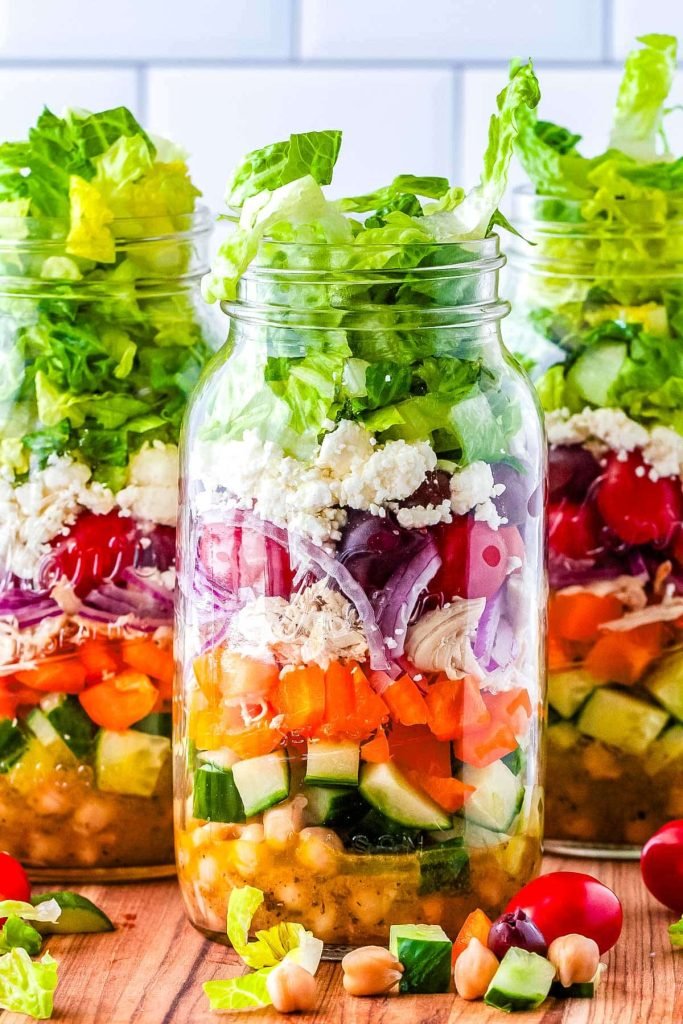
Looking for a fresh, tasty meal that’s quick to make and easy to take anywhere? Greek Salad in a Jar is your perfect solution.
Imagine all the vibrant flavors of a classic Greek salad packed neatly in a jar, ready whenever you are. Whether you need a healthy lunch at work, a picnic treat, or a simple dinner, this colorful, crunchy salad will satisfy your cravings.
Keep reading to discover how you can create this delicious, convenient meal that fits perfectly into your busy lifestyle.
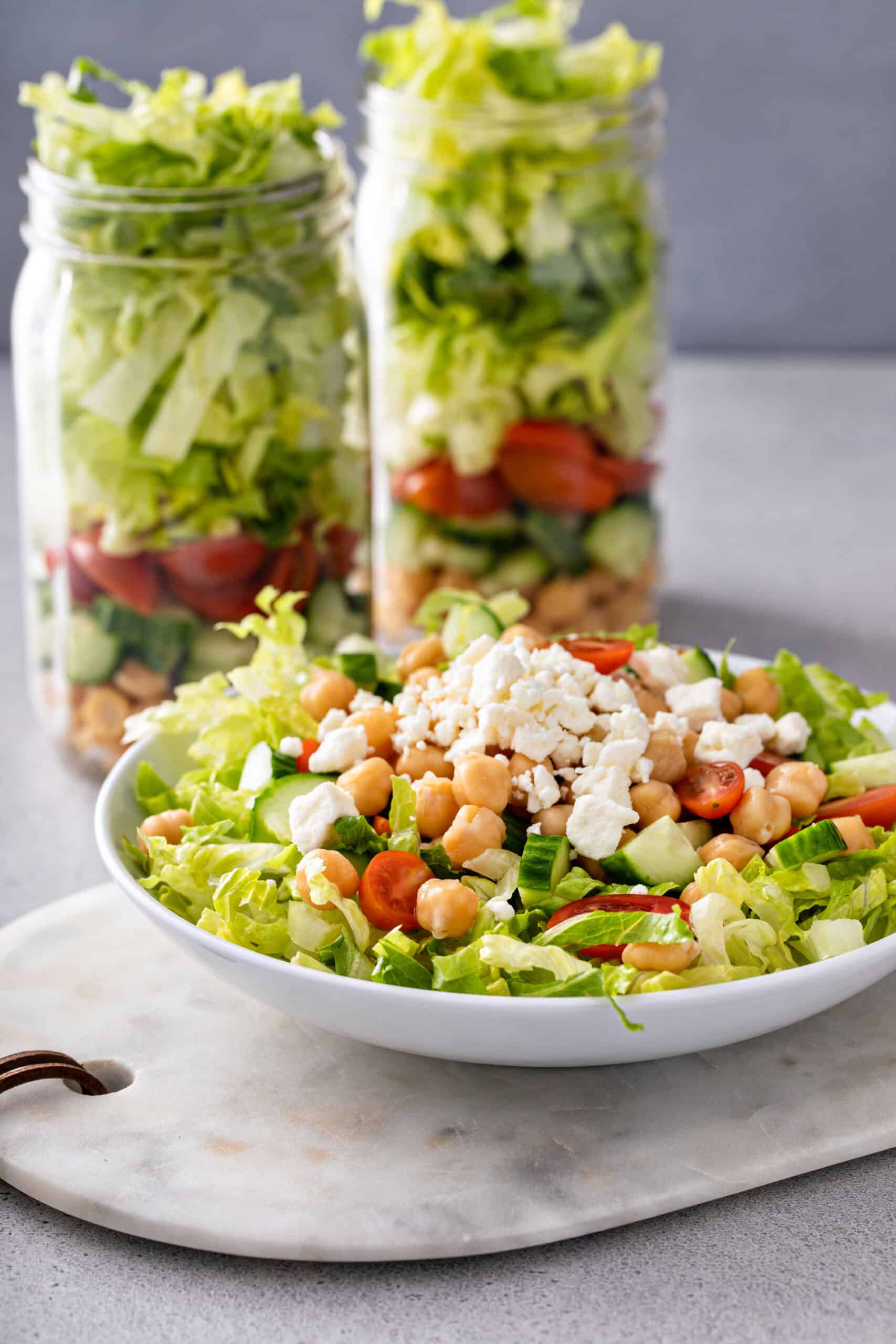
Credit: bonicellicookingclub.com
Benefits Of Greek Salad In A Jar
Greek salad in a jar offers many benefits that make it a smart choice for meals. It combines fresh ingredients in a portable form. This makes eating healthy easier and more enjoyable every day.
Convenience For Meal Prep
Greek salad in a jar saves time during busy days. You can prepare several jars at once. Grab one quickly for work or school. No need to chop or mix later. It keeps your routine simple and stress-free.
Freshness Retention
The jar keeps each ingredient fresh longer. Dressing stays at the bottom, away from greens. This stops leaves from getting soggy. When ready to eat, just shake the jar. The salad tastes crisp and delicious every time.
Portion Control
Using a jar helps control how much you eat. Each jar holds a perfect single serving. It prevents overeating and food waste. You can enjoy a balanced meal with the right amount. This supports healthy eating habits easily.
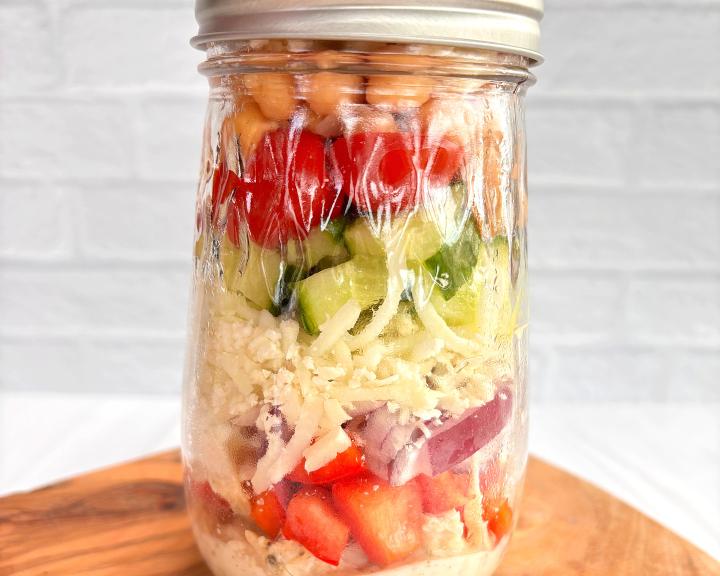
Credit: diabetesfoodhub.org
Ingredients For A Classic Greek Salad
Gathering the right ingredients is key to making a Greek Salad in a Jar that tastes just like the ones you enjoy in Greece. Each component plays a role in balancing flavors and textures, delivering that perfect fresh and tangy bite every time. Let’s break down what you need to pack into your jar for a classic, vibrant salad.
Fresh Vegetables
Freshness is everything here. Crisp cucumbers, ripe tomatoes, and crunchy green bell peppers form the backbone of your salad. Red onions add a sharp bite, but if you find them too strong, try soaking the slices in cold water for a few minutes before adding.
- 1 cup diced cucumbers
- 1 cup chopped tomatoes
- ½ cup sliced green bell peppers
- ¼ cup thinly sliced red onions
Have you ever noticed how the quality of your veggies can make or break a salad? Try to pick the freshest, firmest ones you can find for the best crunch and flavor.
Cheese And Olives
No Greek salad is complete without the creamy saltiness of feta cheese and the briny pop of olives. Use authentic feta, preferably made from sheep’s or goat’s milk, for that rich, tangy taste. Kalamata olives, with their deep purple color and fruity flavor, are the classic choice.
- ½ cup crumbled feta cheese
- ½ cup pitted Kalamata olives
Try not to overdo the cheese; a little goes a long way in adding that signature richness without overpowering the fresh veggies.
Dressing Essentials
The dressing is simple but critical. Extra virgin olive oil provides a smooth, fruity base, while red wine vinegar adds sharpness and acidity. Sprinkle in some dried oregano and a pinch of salt and pepper to boost the flavors.
- 3 tablespoons extra virgin olive oil
- 1 tablespoon red wine vinegar
- 1 teaspoon dried oregano
- Salt and freshly ground black pepper to taste
Have you tried whisking the dressing separately before adding it to your jar? It helps blend the flavors evenly and keeps your salad vibrant and tasty even after sitting for a while.
Choosing The Right Jar
A wide-mouth jar works best to fit all salad ingredients easily. Choose a clear jar to show the colorful layers inside. Make sure the jar seals tightly to keep the salad fresh longer.
Choosing the right jar can elevate your Greek Salad in a Jar. The jar impacts freshness, flavor, and presentation. A well-chosen jar keeps your salad crisp and appetizing. Let’s explore essential aspects to consider for your perfect salad jar.Jar Sizes And Types
Selecting the right size jar is crucial. Small jars suit single servings. They are perfect for a quick lunch. Medium jars work well for family servings. Larger jars are great for parties or gatherings. For types, glass jars are popular. They are durable and eco-friendly. Mason jars are a classic choice. They offer a tight seal and are easy to clean. Plastic jars are lightweight. They are also less prone to breaking. Consider your needs before choosing the jar.Sealing And Storage Tips
Proper sealing keeps your salad fresh. Ensure the jar lid fits tightly. This prevents air from entering. Airtight seals maintain the salad’s crunch. Store your jar in a cool place. The fridge is ideal for freshness. Avoid sunlight exposure to preserve ingredients. Consume the salad within a week for the best taste. Labeling the jar helps track freshness. Use a dry-erase marker on the lid.Step-by-step Assembly
Creating a Greek Salad in a Jar might seem simple, but the way you assemble it makes all the difference. Proper layering keeps each ingredient fresh and flavorful until you’re ready to enjoy it. The order you choose impacts texture and taste, so let’s dive into how to get it right.
Layering Ingredients Properly
Start with the heaviest and wettest ingredients at the bottom, such as olives and cucumbers. These vegetables release moisture, so placing them at the base prevents sogginess. Next, add firmer vegetables like tomatoes and bell peppers, followed by lighter ingredients like feta cheese and lettuce on top.
Think about the jar as a mini salad bowl turned upside down. If you put the lettuce at the bottom, it will wilt quickly. Have you ever found your greens soggy in a packed lunch? Proper layering solves that problem.
Keeping Ingredients Crisp
To keep your salad crisp, dry your veggies thoroughly before adding them to the jar. Excess water is the enemy of crunch. Use a salad spinner or pat them with a clean towel to remove moisture.
Also, avoid mixing ingredients that release water, like tomatoes, with leafy greens until you’re ready to eat. This separation keeps everything fresh and crunchy. Have you noticed how soggy salads lose their appeal? This simple tip preserves that satisfying snap.
Adding Dressing Last
Always add the dressing at the very bottom of the jar. This keeps the salad from becoming soggy during storage. When it’s time to eat, just shake the jar or pour the salad into a bowl to mix everything evenly.
Keeping the dressing separate until the last moment allows each bite to have the perfect balance of flavors. Have you ever had a salad drowned in dressing? This method gives you control over how much you want.
Tips For Meal Prep Success
Meal prepping a Greek Salad in a jar can save you tons of time and keep your lunches exciting all week. But success depends on a few smart strategies. Paying attention to storage, transport, and personalization can make your salad taste fresh and delicious every day.
Storage Duration And Freshness
Greek Salad in a jar stays fresh best when you use airtight containers. Glass jars with tight lids are perfect because they prevent sogginess and keep veggies crisp.
Keep your salad refrigerated and try to eat it within 3 to 4 days. Beyond that, ingredients like cucumbers and tomatoes start to lose their crunch and flavor.
Want to extend freshness? Store wet ingredients like olives and feta cheese at the bottom, and add leafy greens on top. This layering trick stops greens from wilting too soon.
Transporting And Serving
Carrying your salad jar is easy, but shaking it right before eating is key. Mix the dressing and ingredients well to combine flavors and textures.
Consider bringing a small fork or reusable cutlery to enjoy your salad without hassle. If you’re worried about leaks, place your jar inside a sealed plastic bag for extra protection.
When serving, pour the salad into a bowl if you prefer, or eat directly from the jar for convenience. Which way do you find more satisfying during a busy day?
Customizing Your Salad
Greek Salad in a jar is incredibly versatile. You can swap out traditional ingredients like cucumbers or tomatoes for roasted peppers or even grilled chicken to boost protein.
Add fresh herbs like mint or dill for a surprising twist. Don’t hesitate to experiment with different dressings—try lemon vinaigrette or a balsamic glaze instead of classic olive oil and vinegar.
What’s your favorite ingredient to add that makes your salad uniquely yours? Sharing your go-to combinations can inspire others to mix it up too.
Variations To Try
Greek salad in a jar is a fresh and tasty meal. It offers many ways to change flavors and textures. Trying different variations keeps the salad exciting. It also suits different tastes and dietary needs.
Protein Additions
Adding protein makes the salad more filling. Grilled chicken strips blend well with the classic flavors. Tuna or salmon adds a rich taste and omega-3 benefits. For vegetarians, chickpeas or boiled eggs work great. Feta cheese itself provides some protein and creaminess.
Different Dressings
The dressing changes the salad’s character completely. Traditional Greek dressing uses olive oil, lemon juice, and oregano. For a twist, try balsamic vinaigrette or red wine vinegar. Yogurt-based dressings add creaminess and tang. A simple mix of olive oil and garlic can also shine.
Seasonal Vegetable Swaps
Seasonal vegetables keep the salad fresh and colorful. Swap cucumbers for summer zucchini or radishes. Add roasted peppers or cherry tomatoes in autumn. Fresh peas or green beans bring spring freshness. These swaps add crunch and new flavors.

Credit: danosseasoning.com
Frequently Asked Questions
What Ingredients Are Essential For Greek Salad In A Jar?
A classic Greek salad in a jar includes cucumbers, tomatoes, red onions, olives, and feta cheese. Use olive oil, lemon juice, oregano, salt, and pepper for dressing. Layer ingredients to keep them fresh and flavorful until ready to eat.
How Long Can Greek Salad In A Jar Stay Fresh?
Greek salad in a jar stays fresh for up to 3 days refrigerated. Keep the dressing at the bottom and veggies above to avoid sogginess. Always seal jars tightly to maintain freshness and crunch.
Can I Prepare Greek Salad In A Jar Ahead?
Yes, Greek salad in a jar is perfect for meal prep. Layer ingredients properly to prevent sogginess and refrigerate until needed. This makes a convenient, healthy lunch or snack option for busy days.
Is Greek Salad In A Jar Healthy And Nutritious?
Yes, it’s rich in vitamins, fiber, and healthy fats from olive oil and vegetables. Feta cheese adds protein and calcium. This salad is low in calories and perfect for a balanced diet.
Conclusion
Greek Salad in a Jar makes lunch quick and fresh. It stays crisp and tasty for days. You can take it anywhere, easily. The layers keep ingredients from getting soggy. It saves time and reduces waste. Plus, it looks colorful and inviting.
Try different veggies to match your taste. Perfect for school, work, or picnics. A simple way to enjoy healthy food daily. Easy to make, easy to love. Give it a try and enjoy your meals!

Hi, I’m Daniel Brooks—a food lover and kitchen gear enthusiast. I enjoy testing cookware, utensils, and gadgets to see what really works in everyday cooking. At PlugChef.com, I share honest reviews, comparisons, and simple guides to help you choose the best tools for a safer, smarter, and more enjoyable kitchen.
Related posts:
 What Type of Cooking Utensils are Safe: Expert Picks
 What Innovations Could Blenders Make: Unleashing Future Tech
 Smart Strategies to Organize a Small Kitchen: Maximize Space
 How to Organize a Kitchen Cabinet: Expert Tips & Tricks
 How to Organize Kitchen Drawers: Expert Tips and Tricks
 How to Organize a Corner Kitchen Cupboard: Expert Tips

