
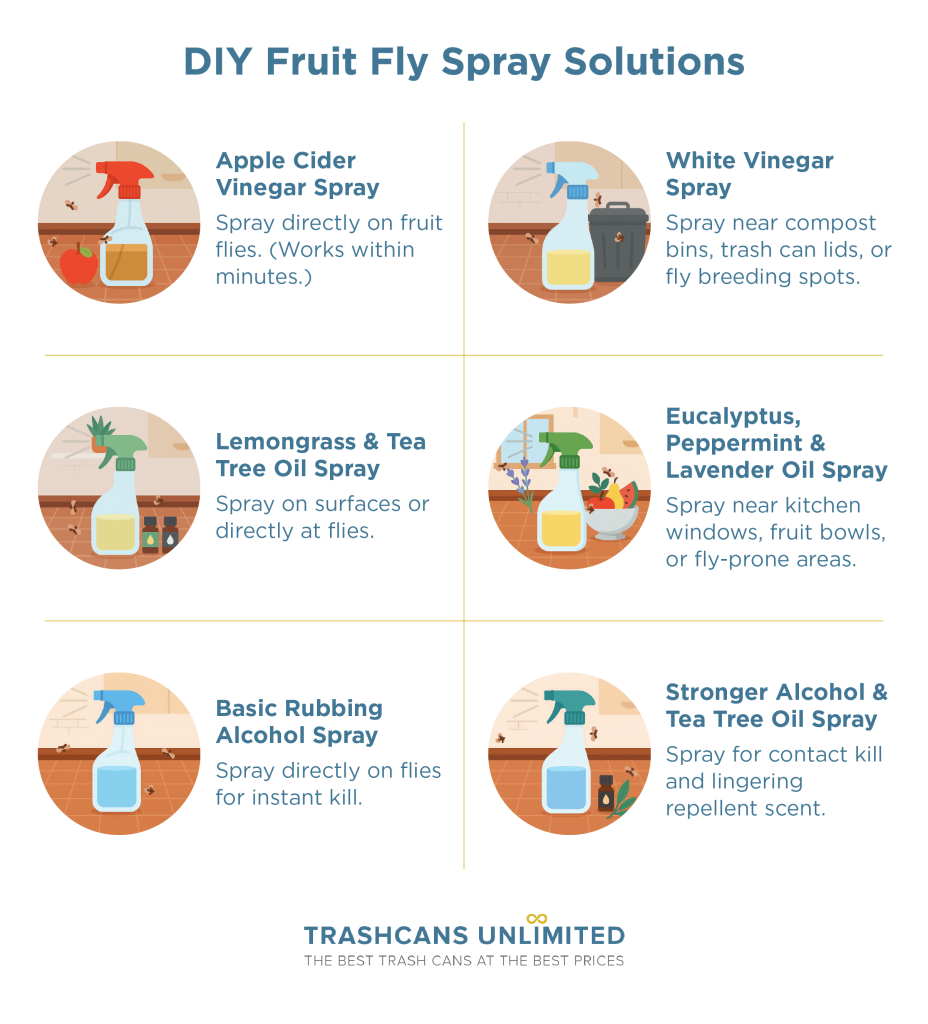
Are fruit flies buzzing around your sink, making your kitchen feel like their personal playground? These tiny pests are not just annoying—they can also spread germs and spoil your fresh fruit.
But before you reach for harsh chemicals, what if you could stop them quickly and safely with ingredients you already have at home? You’ll discover a simple, effective DIY fruit fly drain killer that targets the source of the problem.
Keep reading, and you’ll learn how to reclaim your space and say goodbye to those pesky flies for good.
Why Fruit Flies Thrive In Drains
Fruit flies are more than just a minor nuisance in your kitchen; they can quickly multiply and become a persistent problem. One surprising place they thrive is in your drains. Understanding why drains are such a hotspot for fruit flies can help you tackle the problem at its root and keep your home pest-free.
Common Drain Breeding Spots
Drains in sinks, tubs, and floor traps offer ideal breeding grounds for fruit flies. These areas often have a slimy film of organic matter where flies lay eggs. Even rarely used drains can harbor this residue, creating a hidden nursery for larvae.
Think about your kitchen sink drain where food scraps and grease accumulate unnoticed. Bathroom drains also provide moisture and organic buildup, especially if they aren’t cleaned regularly. Could one of these spots be the reason fruit flies keep coming back in your home?
Conditions That Attract Fruit Flies
Fruit flies love warm, moist environments with an abundance of organic material. Drains provide all of these conditions consistently. The combination of water, leftover food particles, and darkness makes drains irresistible to these pests.
- Moisture:Standing water or dampness in drains keeps eggs and larvae alive.
- Food Sources:Decomposing organic matter feeds larvae and attracts adult flies.
- Darkness:Drains are sheltered from light, offering a safe breeding environment.
Have you noticed fruit flies swarming near a particular drain? That’s a clear sign the conditions there are perfect for their growth. Addressing these factors directly can stop fruit flies from multiplying in your drains.
Natural Ingredients That Kill Fruit Flies
Natural ingredients offer a simple yet powerful way to get rid of fruit flies without using harsh chemicals. These common household items can trap, repel, or kill fruit flies effectively. You might be surprised how easy it is to turn your kitchen staples into a fruit fly solution.
Vinegar And Dish Soap Mix
Vinegar attracts fruit flies because of its strong smell, similar to fermenting fruit. When you add a few drops of dish soap, it breaks the surface tension of the liquid, causing the flies to sink and drown.
Simply pour apple cider vinegar into a bowl, add a few drops of dish soap, and leave it near the problem area. You’ll notice fruit flies gathering and disappearing quickly. Have you tried this mix before? It’s a quick fix that often works better than store-bought sprays.
Baking Soda And Vinegar Reaction
Baking soda and vinegar together create a fizzy reaction that can help flush out fruit fly breeding sites in your drains. Pour baking soda down the drain, followed by vinegar, and let it bubble for a few minutes.
This natural chemical reaction cleans the drain and disrupts the environment fruit flies need to breed. Rinse with hot water afterward to wash away any remaining eggs or larvae. Could this simple kitchen experiment be the key to stopping fruit flies at their source?
Essential Oils That Repel Flies
Essential oils like peppermint, eucalyptus, and lavender are known to repel fruit flies. Their strong scent overwhelms the flies’ senses, keeping them away from your kitchen.
You can mix a few drops of essential oil with water in a spray bottle and mist areas where fruit flies hang out. Not only does this keep flies away, but it also leaves your home smelling fresh. Which essential oil scent do you enjoy enough to use regularly?
Step-by-step Diy Drain Cleaner Recipes
Fruit flies in your drain can be a real nuisance. Fortunately, you can tackle this issue with some simple DIY methods. These step-by-step recipes will help you keep those pesky flies away. Using common household items, you can create effective drain cleaners. Let’s dive into these easy solutions.
Simple Vinegar Trap
This trap is easy to set up and highly effective. You will need a small bowl, apple cider vinegar, and plastic wrap. Here’s what to do:
- Pour a cup of apple cider vinegar into the bowl.
- Cover the bowl with plastic wrap and secure it tightly.
- Poke small holes in the plastic wrap using a fork or toothpick.
- Place the bowl near the affected drain.
Fruit flies are attracted to vinegar and will get trapped inside.
Baking Soda Flush Method
This method helps clean the drain and repel flies. You’ll need baking soda, vinegar, and boiling water.
- Pour half a cup of baking soda into the drain.
- Follow with a cup of vinegar.
- Let the mixture fizz for 5-10 minutes.
- Flush the drain with boiling water.
This combination removes buildup and keeps flies at bay.
Essential Oil Spray Solution
Essential oils can deter fruit flies naturally. Gather essential oils like lavender or peppermint, water, and a spray bottle.
- Mix 10 drops of essential oil with a cup of water.
- Pour the mixture into a spray bottle.
- Spray the solution around the drain and affected areas.
This solution masks odors that attract fruit flies.

Credit: www.budget101.com
Tools And Supplies You’ll Need
Creating a DIY fruit fly drain killer requires a few simple tools and supplies. Most of these items are easy to find around the house or at a local store. Having the right materials helps build effective traps and makes the process safer. This section explains what you need to get started.
Household Items For Traps
- Small glass jars or cups
- Plastic wrap or paper cones
- Apple cider vinegar or white vinegar
- Dish soap
- Rubber bands or tape
- Fruit scraps or sugar water
- Toothpicks or small sticks
These items create simple traps that attract and capture fruit flies near drains. Vinegar lures the flies, while dish soap breaks the surface tension, trapping them in the liquid.
Safety Gear Tips
- Wear gloves to protect your hands
- Use eye protection if handling chemicals
- Work in a well-ventilated area
- Keep children and pets away from traps
- Wash hands thoroughly after setting traps
Safety is important even with household items. Gloves and ventilation prevent skin irritation and breathing issues. Keep traps out of reach to avoid accidents.
Preventing Future Infestations
Preventing fruit fly infestations requires consistent effort and attention. These tiny pests thrive in moist, food-rich environments. Stopping them before they return means cutting off their breeding grounds. Focus on keeping drains clean, food stored properly, and surfaces dry. These simple habits make your home less attractive to fruit flies.
Regular Drain Maintenance
Drains often collect leftover food and moisture. This creates a perfect place for fruit flies to breed. Clean drains weekly using natural cleaners like baking soda and vinegar. Pour boiling water down the drain to flush away debris. Use a brush to scrub drain walls and remove slime build-up. Regular drain care stops fruit flies from settling.
Proper Food Storage Habits
Fruit flies target exposed fruits and vegetables. Store fresh produce in sealed containers or in the fridge. Avoid leaving overripe fruit out in the open. Clean spills and crumbs immediately to remove food sources. Trash bins should have tight lids and be emptied often. Proper food storage reduces fruit fly attraction.
Keeping Drains Dry And Clean
Moisture is a key factor for fruit fly survival. Wipe down sinks and counters to remove water puddles. Fix leaky pipes or faucets to prevent constant dampness. Use absorbent mats or towels in areas prone to moisture. Dry and clean surfaces deny fruit flies the wet conditions they need.

Credit: creatingmaryshome.com
When To Use Commercial Products
Sometimes, DIY solutions are not enough to control fruit flies in your drain. Commercial products can provide a stronger, faster way to eliminate them. Knowing when to use these products helps avoid bigger infestations and keeps your home fresh.
Signs You Need Extra Help
- Fruit flies keep coming back after cleaning.
- You see many flies around the drain daily.
- Unpleasant odors persist despite efforts.
- Drain clogs or slow water flow occur.
- Flies spread to other areas in the kitchen.
These signs show the problem is deeper than surface cleaning.
Safe Chemical Options
Choose commercial products designed for home use. Look for those labeled safe for drains and kitchens. Use products with natural enzymes or bio-cleaners to break down organic matter. Avoid harsh chemicals that can damage pipes or harm your health.
- Enzyme-based drain cleaners
- Baking soda and vinegar blends
- Non-toxic fruit fly sprays
- Organic fly traps
Follow product instructions carefully to ensure safety and effectiveness.

Credit: food52.com
Frequently Asked Questions
How Does Diy Fruit Fly Drain Killer Work?
DIY fruit fly drain killers use natural ingredients to trap and kill flies. They attract flies with sweet scents. The flies enter the trap and cannot escape. This method effectively reduces fly populations in drains without harsh chemicals.
What Are The Best Ingredients For Fruit Fly Drain Killer?
Common ingredients include apple cider vinegar, dish soap, and baking soda. Vinegar attracts fruit flies, while soap breaks the surface tension. Baking soda helps clean the drain and kills larvae. These ingredients are safe, affordable, and easy to find.
How Often Should I Use Fruit Fly Drain Killer?
Use the fruit fly drain killer once or twice a week. Regular use prevents fly breeding and keeps drains clean. If infestations persist, increase frequency until flies reduce significantly. Always follow with thorough drain cleaning for best results.
Can Diy Fruit Fly Drain Killers Harm Plumbing?
No, homemade drain killers with natural ingredients are safe for plumbing. They avoid corrosive chemicals that damage pipes. However, avoid excessive use of harsh substances. Proper use keeps drains clean without harming pipes or septic systems.
Conclusion
DIY fruit fly drain killers work well and cost very little. You can make them with common kitchen items. These simple traps stop fruit flies from breeding in drains. Keep drains clean and dry for best results. Try these easy methods to enjoy a fly-free home.
Small steps can make a big difference. Stay patient and repeat if needed. Say goodbye to pesky fruit flies without harsh chemicals.

Hi, I’m Daniel Brooks—a food lover and kitchen gear enthusiast. I enjoy testing cookware, utensils, and gadgets to see what really works in everyday cooking. At PlugChef.com, I share honest reviews, comparisons, and simple guides to help you choose the best tools for a safer, smarter, and more enjoyable kitchen.
Related posts:
 What Type of Cooking Utensils are Safe: Expert Picks
 What Innovations Could Blenders Make: Unleashing Future Tech
 Smart Strategies to Organize a Small Kitchen: Maximize Space
 How to Organize a Kitchen Cabinet: Expert Tips & Tricks
 How to Organize Kitchen Drawers: Expert Tips and Tricks
 How to Organize a Corner Kitchen Cupboard: Expert Tips

