
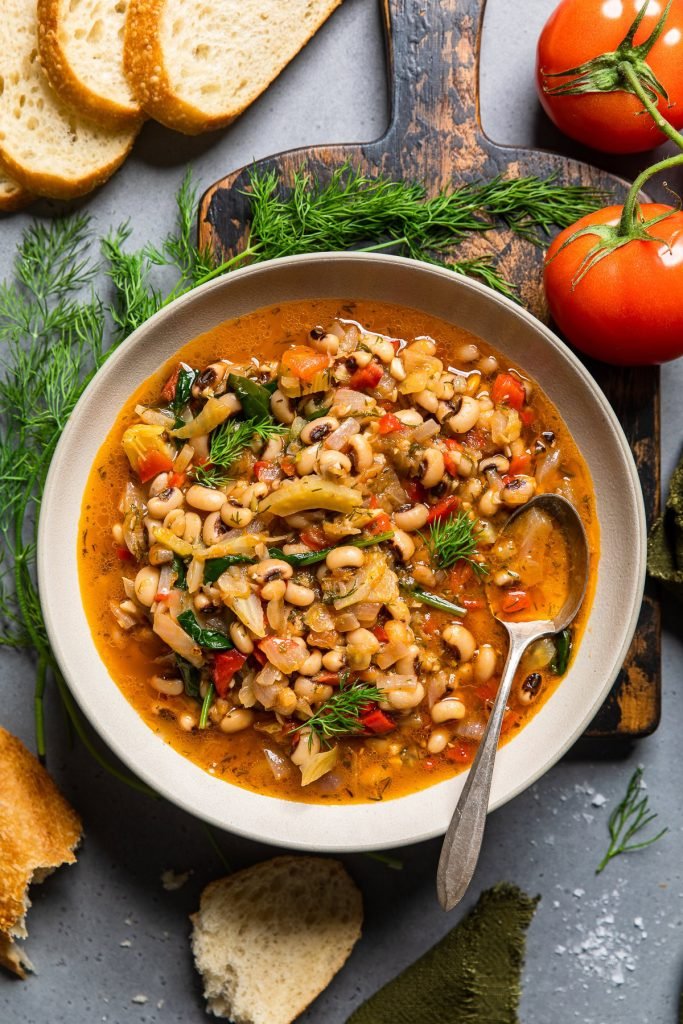
There’s a reason black-eyed pea stew is a staple across West African, Southern U.S., and Caribbean cuisines: it’s equal parts comforting, nutrient-dense, and endlessly customizable. Traditionally served on New Year’s Day for good luck and prosperity, this one-pot dish is just as perfect for casual weeknight dinners, meal prep batches, or feeding a crowd with minimal effort.
Unlike complicated stew recipes that require hours of active cooking or hard-to-find ingredients, this guide walks you through a foolproof version that comes together in under an hour, uses affordable pantry staples, and scales easily to feed 4 or 20. You’ll learn pro tips to avoid common mistakes (like mushy veggies or bland flavor), plus creative variations to suit any diet or taste preference. By the end, you’ll have a go-to recipe you’ll return to all winter long.
 Credit: www.ranchogordo.com
A finished bowl of the hearty stew, ready to serve with your choice of sides.
Credit: www.ranchogordo.com
A finished bowl of the hearty stew, ready to serve with your choice of sides.
Why This Black Eyed Peas Stew Stands Out
Most black-eyed pea stew recipes rely on hours of simmering to develop flavor, but this version balances speed and depth by layering ingredients strategically. The base of sautéed aromatics and bloomed spices builds a rich, smoky foundation in just 5 minutes, while the peas cook low and slow to absorb every bit of flavor. It’s naturally gluten-free, low in saturated fat, and packed with plant-based protein and fiber, making it a satisfying option for vegan, vegetarian, and omnivore eaters alike. Plus, it tastes even better the next day as the flavors meld, making it a top pick for meal prep and leftovers.
Ingredients You’ll Need
All ingredients are kept to common pantry and grocery store staples, with optional add-ins to match your taste.
Core Vegetables & Legumes
This recipe uses dried black-eyed peas for the best texture and flavor, though canned works in a pinch (see FAQ for adjustments). All vegetables are kept to a standard ½-inch dice for even cooking:
- 1 cup dried black-eyed peas (rinsed and sorted for debris)
- 1 medium yellow onion, diced
- 3 cloves garlic, minced
- 1 red bell pepper, diced
- 2 medium carrots, peeled and diced
- 2 stalks celery, diced
- 1 (14.5-ounce) can diced tomatoes, with their juices (fire-roasted adds extra smoky depth if available)
- 4 cups low-sodium vegetable or chicken broth
- 2 cups fresh spinach or chopped kale (optional, for added greens)
Spices & Seasonings
Bloomed spices add far more flavor than adding them directly to the cooking liquid, so don’t skip the sauté step for these:
- 1 teaspoon smoked paprika
- 1 teaspoon ground cumin
- 2 bay leaves
- 1 teaspoon dried thyme
- ½ teaspoon red chili flakes (adjust to taste for heat)
- 1 teaspoon kosher salt, plus more to taste
- ½ teaspoon freshly ground black pepper, plus more to taste
Optional Add-Ins
Customize the stew to match your taste or what you have on hand:
- Smoked sausage, diced ham, or shredded chicken for extra protein
- 1 cup diced potato or sweet potato for extra heartiness
- 1 tablespoon lemon juice or apple cider vinegar to brighten the final flavor
- Fresh parsley or cilantro for garnish
- Hot sauce or sliced jalapeños for extra heat
- A splash of coconut milk for a creamy, vegan-friendly twist
Prep Work: 10 Minutes of Effort for Better Flavor
Proper prep makes the cooking process seamless and ensures every bite is perfectly textured. Follow these quick steps before you turn on the stove:
Soaking Black Eyed Peas
While you can cook unsoaked peas, soaking them for 4–6 hours (or overnight) cuts cook time by nearly half and yields a creamier, more even texture. If you forgot to soak them ahead of time, use the quick soak method: rinse the peas, cover them with 2 inches of water in a pot, bring to a boil for 2 minutes, then remove from heat, cover, and let sit for 1 hour before draining. A common mistake is skipping the soak entirely, which leads to tough, unevenly cooked peas that take 90+ minutes to tenderize.
Using a durable veggie prep surface makes chopping uniform vegetable dice faster and safer, especially for harder veggies like carrots and celery.
Chopping Vegetables
Uniform ½-inch dice ensures all vegetables cook through at the same rate, so you don’t end up with mushy onions or crunchy carrots. Take your time with this step – consistent chopping takes just a few extra minutes but makes a noticeable difference in the final texture of the stew.
Measuring Spices
Blooming spices (cooking them in the hot oil with the onions for 30 seconds) releases their essential oils and deepens their flavor exponentially. Eyeballing spices often leads to bland or overly spicy results, so use measuring spoons for accuracy, and adjust salt and heat at the end of cooking once the peas have absorbed most of the liquid.
Step-by-Step Cooking Instructions
This recipe uses a one-pot method for minimal cleanup, and works with any heavy-bottomed pot (a Dutch oven or well-seasoned cast iron pot works best to prevent scorching).
Sauté the Flavor Base
Heat 2 tablespoons of olive oil in a large pot over medium heat. Add the diced onion, carrot, and celery, and sauté for 5–7 minutes until the onion is soft and translucent, but not browned. Add the minced garlic, smoked paprika, cumin, and red chili flakes, and sauté for 30 seconds more until fragrant – don’t let the garlic burn, as it will turn bitter.
Simmer Until Tender
Add the diced tomatoes (with their juices), rinsed black-eyed peas (if you didn’t soak them, add an extra 1 cup of broth), broth, bay leaves, and thyme. Bring the mixture to a gentle boil, then reduce the heat to low, cover, and simmer for 45–60 minutes if the peas were soaked, or 80–90 minutes if unsoaked. Skim any foam that rises to the top of the pot halfway through cooking for a clearer, cleaner-tasting stew.
Finish and Adjust Seasonings
When the peas are tender and creamy, stir in the spinach or kale (if using) and let it wilt for 2–3 minutes. Remove the bay leaves, then taste and adjust seasoning: add more salt and pepper if needed, and stir in a tablespoon of lemon juice or apple cider vinegar to cut through the earthiness and brighten the overall flavor. Let the stew simmer uncovered for 5 more minutes to thicken slightly if it’s too thin.
 Credit: www.averiecooks.com
The sautéed vegetable and spice base forms the flavorful foundation of the stew.
Credit: www.averiecooks.com
The sautéed vegetable and spice base forms the flavorful foundation of the stew.
Serving & Storage Tips
Perfect Pairings
This stew’s smoky, earthy flavor pairs well with a wide range of sides:
- Steamed white or brown rice to soak up the savory broth
- Crusty sourdough bread or cornbread for a hearty, filling meal
- Simple green salad with a tangy vinaigrette for a fresh contrast
- Roasted sweet potatoes for extra sweetness and fall flavor
- Mashed cauliflower for a low-carb, gluten-free option
Garnishing Ideas
Top each bowl with a sprinkle of fresh herbs, a dollop of sour cream or coconut yogurt (for a vegan option), a dash of hot sauce, or toasted pepitas for extra crunch. For a traditional New Year’s serving, add a side of collard greens and cornbread for extra good luck.
Storage & Reheating
Let the stew cool to room temperature before transferring to airtight containers. It will keep in the refrigerator for up to 4 days, or in the freezer for up to 3 months. When reheating, warm it gently on low heat on the stovetop, adding a splash of extra broth if it has thickened too much in storage. For safe storage and reheating guidelines, follow the USDA Food Safety and Inspection Service’s recommendations to prevent foodborne illness.
For a full comforting meal, pair this stew with a side of cornbread and finish with our cozy follow-up dessert for a sweet end to the night.
Customizable Variations
Slow Cooker Adaptation
For a hands-off version perfect for busy days, add all ingredients except the spinach/kale to a slow cooker, stir to combine, and cook on low for 8 hours or high for 4 hours. Stir in the greens 30 minutes before serving. This makes a perfect plant-based slow cooker meal prep staple that you can portion out for lunches all week.
Spicy Kick
If you love heat, add 1–2 minced chipotle peppers in adobo sauce to the sauté step for a smoky, spicy kick, or stir in a diced habanero for extra heat. Balance the spice with an extra squeeze of lime juice at the end to keep the flavor bright, not harsh.
Seasonal Twists
Swap in seasonal veggies to keep the recipe fresh year-round: add 1 cup of diced butternut squash or smooth prepped squash in the fall for extra sweetness, fresh corn kernels in the summer, or chopped collard greens in place of spinach for a Southern-inspired twist.
Protein Boosted
For a higher-protein meal, add 1 pound of diced smoked sausage, cubed ham, or shredded chicken to the stew when you add the broth. Leftover shredded chicken works perfectly here, making it a great use for batch-cooked shredded chicken meal prep hack protein.
Health & Nutrition Highlights
Black-eyed peas are a nutritional powerhouse, and this stew delivers all their benefits with minimal added fat. Per the USDA Agricultural Research Service FoodData Central database, 1 cup of cooked black-eyed peas provides:
- 8 grams of plant-based protein, ideal for supporting muscle growth and repair
- 4 grams of dietary fiber, which supports healthy digestion and keeps you feeling full longer
- 30% of the daily recommended value of folate, essential for brain health and cell function
- 15% of the daily recommended value of iron, which supports healthy oxygen transport in the blood
- No saturated fat and only 100 calories per serving, making it a great option for weight management
The stew is naturally gluten-free, dairy-free, and vegan (if made with vegetable broth and no animal-based add-ins), and has a low glycemic index to support stable blood sugar levels. The combination of protein and fiber makes it a filling, nutrient-dense option for any meal.
Frequently Asked Questions
Can I use canned black-eyed peas instead of dried?
Yes. Rinse and drain two 15-ounce cans of black-eyed peas and add them to the stew in step 3, then simmer for just 20 minutes to heat through. Canned peas are pre-cooked, so they won’t need the full cook time, and they work perfectly for weeknight meals when you’re short on time.
How long does it take to cook black-eyed pea stew?
If you soak the peas overnight, the active cook time is just 45–60 minutes. If you use the quick soak method or skip soaking entirely, cook time increases to 80–90 minutes. Canned peas cut the total cook time down to 30 minutes total.
Can this stew be made vegan?
Absolutely. Use vegetable broth instead of chicken broth, and skip any meat-based add-ins like sausage or ham. The base recipe is already vegan, and you can add extra veggies or a splash of coconut milk for extra creaminess if desired.
Why is my stew bland?
Bland stew usually comes from one of three common mistakes: skipping the step of blooming spices in the hot oil with the onions, underseasoning (remember legumes absorb salt as they cook, so adjust salt at the end), or skipping a splash of acid like lemon juice to brighten the flavors at the finish.
Can I make this stew ahead of time?
Yes, and it actually tastes better the next day! The flavors meld and deepen as the stew sits in the refrigerator. Store it in an airtight container for up to 4 days, and reheat gently on the stovetop before serving.
Final Pro Tips for Success
- Use a heavy-bottomed pot like a Dutch oven or well-seasoned cast iron pot to prevent the stew from scorching on the bottom during the long simmer.
- Avoid stirring the stew too often while it simmers; this lets the natural starches from the peas and tomatoes thicken the broth slightly.
- Always taste and adjust seasoning at the end of cooking, as the peas will have absorbed most of the salt and spice during the simmer.
- If you’re short on time, use canned black-eyed peas and skip the sauté step for a 20-minute meal, though the flavor will be less deep than the full version.
This black-eyed pea stew is the perfect blend of easy, hearty, and delicious, making it a staple you’ll turn to again and again. Whether you’re cooking for a crowd, prepping lunches for the week, or just craving a cozy, nutrient-packed meal, this recipe delivers consistent, flavorful results with minimal effort. Customize it with your favorite add-ins, serve it with your go-to sides, and enjoy the warm, comforting flavor in every bite.
Ready to try it tonight? Grab your ingredients and get cooking – you’ll have a hearty meal on the table in no time.
 Credit: kelliesfoodtoglow.com
Serve the stew over steamed rice for a filling, balanced meal. This recipe is built to accommodate every skill level and dietary need, with clear instructions to avoid common pitfalls like undercooked peas or bland flavor. It freezes beautifully, so you can batch cook it on a weekend and have ready-to-eat meals for busy weeknights without any extra effort. Whether you follow it exactly or tweak it to match your favorite flavors, it’s a reliable, crowd-pleasing dish that will earn a permanent spot in your dinner rotation.
Credit: kelliesfoodtoglow.com
Serve the stew over steamed rice for a filling, balanced meal. This recipe is built to accommodate every skill level and dietary need, with clear instructions to avoid common pitfalls like undercooked peas or bland flavor. It freezes beautifully, so you can batch cook it on a weekend and have ready-to-eat meals for busy weeknights without any extra effort. Whether you follow it exactly or tweak it to match your favorite flavors, it’s a reliable, crowd-pleasing dish that will earn a permanent spot in your dinner rotation.
If you’re looking for more easy, hearty one-pot meals to add to your weekly menu, check out our easy meal prep lunch for a protein-packed option that comes together with almost no active work, or our crowd-pleasing pasta bake for a comforting, cheesy dinner that feeds a family with minimal effort.

Hi, I’m Daniel Brooks—a food lover and kitchen gear enthusiast. I enjoy testing cookware, utensils, and gadgets to see what really works in everyday cooking. At PlugChef.com, I share honest reviews, comparisons, and simple guides to help you choose the best tools for a safer, smarter, and more enjoyable kitchen.
Related posts:
 How to Make a Fruit Basket for a Gift: Easy DIY Guide
 Do You Need a Basket? Essential Guide for Air Fryers
 Affresh Kitchen And Appliance Cleaner W10355010: Ultimate Guide
 Kitchen Color Ideas With White Appliances: Stunning Combinations
 How to Clean Drains Outside: Easy Steps for a Clog-Free Yard
 Baking Soda Uses Beyond Cooking: The Ultimate Multi-Purpose Guide

