
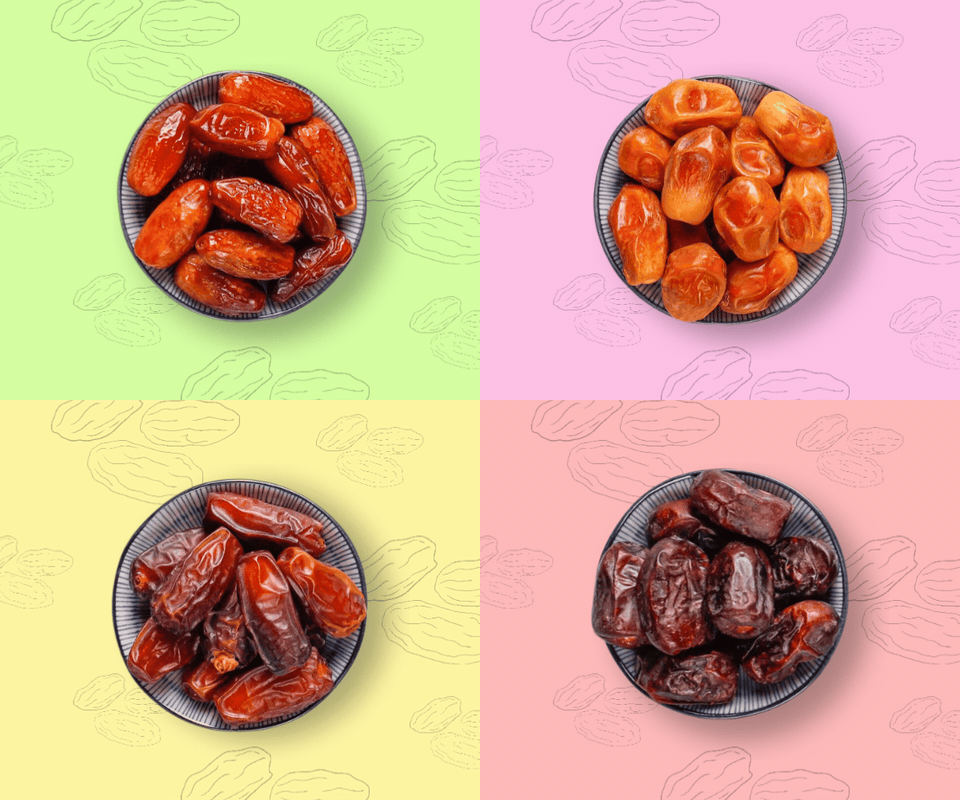
Have you ever wondered how long dates fruit can stay fresh and tasty? Whether you enjoy them as a quick snack or use them in your favorite recipes, knowing the shelf life of dates can save you money and prevent waste.
You’ll discover simple tips to keep your dates fresh for longer and understand when they might have gone bad. Keep reading to make the most out of every bite and enjoy your dates at their best!
Shelf Life Of Dates
Understanding the shelf life of dates is essential if you want to enjoy their rich taste and nutritional benefits over time. Dates are known for their natural sweetness and long-lasting qualities, but how long they stay fresh depends on several factors. Knowing these can help you store them properly and avoid wastage.
Factors Affecting Shelf Life
Several elements influence how long dates remain fresh and edible. The moisture content plays a big role; drier dates tend to last longer because they resist mold and spoilage better. Temperature is another key factor—storing dates in a cool, dry place extends their life significantly.
Packaging also matters. Dates kept in airtight containers or vacuum-sealed bags maintain freshness much longer by preventing exposure to air and humidity. Have you ever noticed how dates left out in open containers tend to harden and lose flavor quickly? That’s why proper storage is crucial.
Types Of Dates And Their Longevity
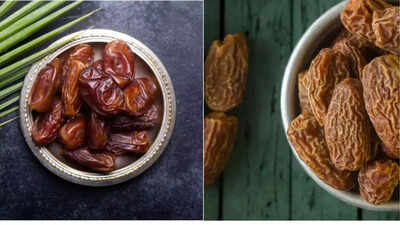
Not all dates are created equal when it comes to shelf life. Soft dates like Medjool have higher moisture and usually last about 1 to 2 months at room temperature. If you refrigerate them, they can stay fresh for up to 6 months.
On the other hand, dry dates such as Deglet Noor have lower moisture content and can last several months even without refrigeration. They are naturally more durable and less prone to spoilage.
| Type of Date | Room Temperature Shelf Life | Refrigerated Shelf Life |
|---|---|---|
| Medjool (Soft) | 1-2 months | Up to 6 months |
| Deglet Noor (Dry) | 3-6 months | Up to 1 year |
Knowing your dates’ type can help you decide how best to store them. Have you checked your dates lately? You might be surprised how much longer they can last with the right care.
Signs Of Fresh And Spoiled Dates
Dates are a delicious and nutritious fruit enjoyed worldwide. Knowing how to spot fresh dates versus spoiled ones helps avoid waste. Fresh dates offer the best taste and texture. Spoiled dates can taste sour or unpleasant. Recognizing the signs is simple and important for food safety.
Visual Indicators
- Fresh dates have smooth, shiny skin with a rich color.
- They look plump and slightly soft to the touch.
- Wrinkled or dry skin suggests the dates are old but may still be edible.
- Dark spots or mold on the surface indicate spoilage.
- Any white powdery coating can be natural sugar crystallization, not mold.
- Sticky or overly wet spots are signs of decay.
Texture And Smell Changes
- Fresh dates feel soft and slightly chewy.
- They should not be hard or dry inside.
- A sour or fermented smell means the dates are spoiled.
- A strong, unpleasant odor is another spoilage sign.
- Sticky or slimy texture signals bacterial growth.
- Fresh dates have a sweet, mild aroma.
Optimal Storage Conditions
Dates are not just sweet treats; they’re nature’s candy with numerous health benefits. But to enjoy them at their best, understanding how to store them properly is crucial. Different storage methods can significantly impact their shelf life and flavor.
Room Temperature Storage
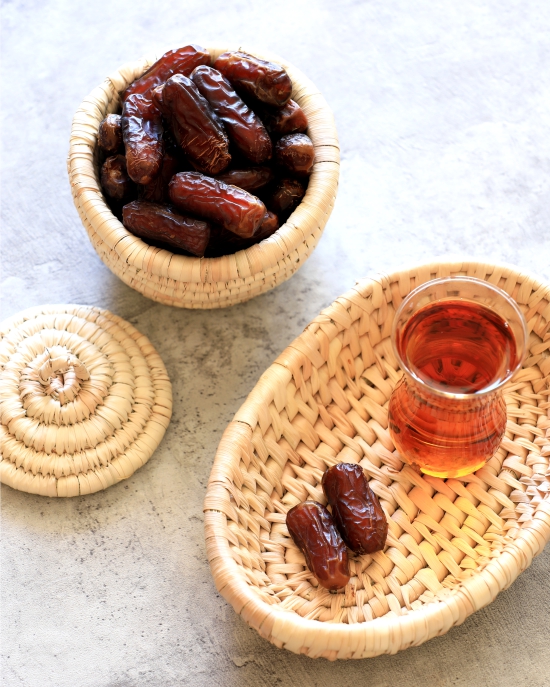
Keeping dates at room temperature is convenient, especially if you plan to consume them within a few weeks. Simply store them in an airtight container away from direct sunlight. This method works well if your kitchen remains cool and dry, but warmer climates can accelerate spoilage.
Have you ever noticed how dates tend to dry out or become sticky when left in the open? That’s because exposure to air causes them to lose moisture. Seal them tightly to retain their natural texture and flavor.
Refrigeration Benefits
Refrigerating dates can extend their freshness significantly. A cool environment slows down the natural ripening process, preserving their taste and texture. Store them in a sealed container in the fridge to prevent them from absorbing odors from other foods.
Refrigeration is especially beneficial if you’ve bought dates in bulk. Have you ever opened a pack and discovered they’ve become hard or gritty? Keeping them cool can prevent this, ensuring they remain plump and delicious.
Freezing Dates
For long-term storage, freezing is an excellent option. When you freeze dates, you can keep them fresh for up to a year. Place them in a freezer-safe bag, removing as much air as possible before sealing.
Have you ever thought about using dates in smoothies or baking? Freezing them makes it easy to have a ready supply on hand for these culinary adventures. Just thaw them at room temperature, and they’re ready to use.
By understanding these storage methods, you can ensure your dates remain as delightful as the day you bought them. Which method will you try next to keep your dates fresh and tasty?
Credit: iishbae.com
Packaging Tips For Longer Freshness
Keeping your dates fresh for longer starts with smart packaging choices. How you store them can make a big difference in maintaining their taste, texture, and nutritional value. Let’s look at some practical packaging tips that help extend the shelf life of dates.
Choosing The Right Containers
Opt for airtight containers to shield dates from moisture and air exposure. Glass jars with tight-fitting lids work well, as they don’t absorb odors or flavors. Plastic containers can be useful too, but ensure they are BPA-free and seal completely.
Think about size — using containers that match the quantity of your dates limits excess air inside. Smaller containers help if you plan to open them frequently, reducing the risk of spoilage. Have you noticed how dates stored in bulky bags tend to dry out faster?
Sealing And Wrapping Methods
Proper sealing is key. Use vacuum-sealed bags if you want to store dates for an extended period, especially in the freezer. This method removes air, slowing down oxidation and moisture loss.
If vacuum sealing isn’t an option, wrap dates tightly in plastic wrap or foil before placing them in containers. This double layer of protection keeps out humidity and prevents the dates from sticking together.
Adding a small food-safe silica gel packet can absorb any residual moisture inside the packaging. Have you tried this simple trick? It often surprises people how much longer their dates stay soft and flavorful.
Using Dates Beyond Fresh Consumption
Dates don’t have to be enjoyed only fresh. Once you realize their shelf life extends beyond just eating them raw, you open up a world of delicious possibilities. Using dates beyond fresh consumption lets you add natural sweetness and rich flavor to many dishes.
Cooking And Baking Ideas
Dates are fantastic in both sweet and savory recipes. You can chop them up and add them to oatmeal or salads for a natural sugar boost. Cooking dates with meats like chicken or lamb creates a wonderful balance of sweet and savory flavors.
In baking, dates are a great substitute for refined sugar. Try blending dates into your muffin or bread batter to keep your treats moist and flavorful. Have you ever tried date-stuffed cookies? They bring a chewy texture that’s hard to resist.
Making Date Syrup And Paste
Transforming dates into syrup or paste is a smart way to use a larger batch. To make date syrup, simmer chopped dates in water until soft, then blend and strain the mixture. This syrup works wonderfully as a sweetener in tea, pancakes, or salad dressings.
Date paste is just as easy to prepare. Soak dates in warm water, then blend until smooth. You can store this paste and add it to smoothies, energy bars, or spread it on toast. Have you tried using date paste instead of jam? It’s less sugary and packed with natural nutrients.
Credit: tavazoeurope.com
Credit: timesofindia.indiatimes.com
Frequently Asked Questions
How Long Do Dates Last At Room Temperature?
Dates typically last 1 to 3 months at room temperature. Store them in an airtight container away from sunlight and heat to maintain freshness.
Can Dates Be Frozen To Extend Shelf Life?
Yes, freezing dates can extend their shelf life up to 1 year. Place them in a sealed freezer bag to prevent freezer burn.
What Signs Indicate That Dates Have Gone Bad?
Spoiled dates develop a sour smell, mold, or an off taste. They may also become excessively hard or dry, signaling spoilage.
How Should Dates Be Stored To Maximize Freshness?
Store dates in an airtight container in a cool, dry place. Refrigeration can further prolong freshness, especially in warm climates.
Conclusion
Dates last longer when stored properly in cool, dry places. Keep them sealed tight to avoid moisture and pests. Refrigeration can extend their freshness for months. Freezing dates works well for even longer storage. Always check for signs of spoilage before eating.
Fresh dates taste best within weeks, dried ones last much longer. Knowing how to store dates helps reduce waste. Enjoy their natural sweetness while they stay fresh. Simple care keeps dates tasty and safe to eat.

Hi, I’m Daniel Brooks—a food lover and kitchen gear enthusiast. I enjoy testing cookware, utensils, and gadgets to see what really works in everyday cooking. At PlugChef.com, I share honest reviews, comparisons, and simple guides to help you choose the best tools for a safer, smarter, and more enjoyable kitchen.
Related posts:
 What Type of Cooking Utensils are Safe: Expert Picks
 What Innovations Could Blenders Make: Unleashing Future Tech
 Smart Strategies to Organize a Small Kitchen: Maximize Space
 How to Organize a Kitchen Cabinet: Expert Tips & Tricks
 How to Organize Kitchen Drawers: Expert Tips and Tricks
 How to Organize a Corner Kitchen Cupboard: Expert Tips

