
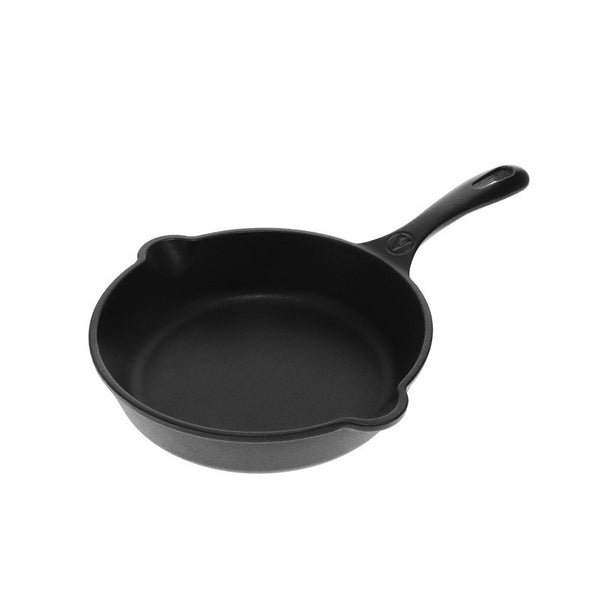
If you own a cast iron pan, you know how important it is to keep it well-seasoned and protected. But have you ever wondered what the best oil is to achieve a smooth, non-stick surface that lasts?
Flaxseed oil might be the secret weapon your cast iron needs. You’ll discover why flaxseed oil stands out from other oils, how it can transform your pan’s performance, and simple steps to season your cast iron like a pro. Ready to make your cooking experience easier and more enjoyable?
Let’s dive in!
Benefits Of Flaxseed Oil
Flaxseed oil offers several benefits that make it ideal for seasoning cast iron pans. It creates a strong, durable coating that protects the pan from rust. The oil also enhances the pan’s non-stick surface over time. Using flaxseed oil helps maintain your cast iron cookware for years.
Nutritional Profile
Flaxseed oil is rich in omega-3 fatty acids. These healthy fats support heart and brain health. The oil also contains antioxidants, which reduce damage to cells. Using flaxseed oil adds nutritional value to your cooking.
High Smoke Point
Flaxseed oil has a relatively high smoke point. This means it can handle the heat needed for seasoning cast iron. The oil does not burn quickly, preventing unwanted flavors. It ensures even heating during the seasoning process.
Polymerization Properties
Flaxseed oil bonds well to metal surfaces when heated. This process is called polymerization. It forms a hard, smooth layer on the pan’s surface. The layer is resistant to peeling and sticking. This makes the pan easier to clean and use.

Credit: www.amazon.in
Why Choose Flaxseed Oil For Cast Iron
Choosing the right oil for seasoning your cast iron pan affects its performance and longevity. Flaxseed oil stands out as a top option for creating a strong, lasting coating. It offers benefits that improve the pan’s surface and safety for cooking.
Durability Of Seasoning
Flaxseed oil creates a hard, durable layer on cast iron. It polymerizes well under heat, forming a strong bond. This tough coating resists chipping and peeling. It lasts longer than many other oils, keeping the pan protected.
Non-toxic Coating
Flaxseed oil is natural and free from harmful chemicals. It provides a safe, food-friendly surface for cooking. Unlike some synthetic oils, it does not release toxins when heated. This makes it ideal for health-conscious cooks.
Enhanced Non-stick Surface
The seasoning from flaxseed oil offers excellent non-stick properties. Food slides off easily, reducing the need for extra oil. This makes cooking and cleaning easier and more enjoyable. The smooth surface improves with each use.
Preparing Your Cast Iron Pan
Preparing your cast iron pan properly sets the stage for a strong, lasting seasoning. This process helps the flaxseed oil bond well with the pan’s surface. It also ensures your pan cooks evenly and resists rust. Taking time to clean, dry, and inspect the pan makes a big difference in performance and durability.
Cleaning And Drying
Start by washing your pan with warm water and mild soap. Use a soft brush or sponge to remove dirt and debris. Avoid soaking the pan as it can cause rust. Dry the pan thoroughly with a clean towel. Place it on low heat for a few minutes to remove any remaining moisture.
Removing Old Seasoning
Old seasoning may be uneven or sticky. Remove it by scrubbing with coarse salt and a small amount of oil. For tougher buildup, use steel wool or a scraper. Rinse the pan well after scrubbing. Dry it completely to prevent rust.
Surface Inspection
Check the pan’s surface for rust, cracks, or rough spots. Rust should be removed with a scrubber or fine sandpaper. Small cracks can weaken the pan and may need professional repair. Smooth surfaces help the flaxseed oil create a strong, even layer. Look for any damage before starting the seasoning process.

Credit: www.amazon.ca
Step-by-step Seasoning Process
Seasoning a cast iron pan with flaxseed oil creates a strong, non-stick surface. The process needs patience and care. Each step helps build layers of protection. This guide walks through the key steps for best results.
Applying Flaxseed Oil
Start with a clean, dry pan. Pour a small amount of flaxseed oil onto the surface. Use a cloth or paper towel to spread the oil evenly. Cover every part, including the sides and bottom. Wipe off any extra oil to avoid sticky spots.
Heating Techniques
Preheat your oven to 450°F (230°C). Place the pan upside down on the oven rack. Put a baking sheet or foil below to catch drips. Heat the pan for one hour. This high heat bonds the oil to the iron, creating a hard layer.
Multiple Coats And Curing
Repeat the oil application and heating process 3 to 4 times. Each layer adds strength and smoothness. Allow the pan to cool completely between coats. This curing builds a durable, non-stick surface that lasts longer.
Cooling And Storage Tips
After the last heating, let the pan cool inside the oven. Store your pan in a dry place. Avoid stacking with other cookware to keep the seasoning safe. Wipe the pan with a light coat of oil before storage to keep it fresh.
Common Mistakes To Avoid
Flaxseed oil is a popular choice for seasoning cast iron pans because it creates a hard, durable layer that protects and enhances cooking performance. However, using flaxseed oil incorrectly can ruin your pan’s seasoning or leave you frustrated with uneven results. Avoiding common mistakes helps you get the best from your cast iron and keeps it looking and cooking great for years.
Using Too Much Oil
Applying too much flaxseed oil can cause sticky, uneven seasoning on your pan. You only need a thin, almost invisible layer; excess oil pools and creates a gummy surface that’s hard to fix.
When I first seasoned my pan, I spread on too much oil and ended up with a tacky finish that took several rounds of scrubbing to remove. A small amount wiped evenly with a lint-free cloth is all it takes.
Insufficient Heating
Flaxseed oil must be heated to its smoke point to polymerize properly and form a strong seasoning layer. If your pan isn’t hot enough, the oil won’t bond well, leaving a weak or patchy coating.
Try heating your cast iron in the oven at 450°F (232°C) for about an hour. This ensures the flaxseed oil cures fully and creates a smooth, durable surface. Have you checked your oven temperature with a thermometer? Many ovens run cooler than the dial suggests.
Skipping Cleaning Steps
Proper cleaning before seasoning is crucial. Any leftover food residue, rust, or moisture prevents the oil from adhering correctly, resulting in a poor finish.
Always scrub your pan thoroughly and dry it completely before applying flaxseed oil. I once rushed this step and noticed bubbles forming in the seasoning—an annoying problem that’s easy to avoid with a clean, dry surface.

Credit: www.amazon.ca
Maintaining Your Seasoned Pan
Maintaining a seasoned cast iron pan with flaxseed oil ensures long-lasting performance. Proper care keeps the non-stick layer strong and prevents damage. Regular maintenance improves cooking results and extends the pan’s life.
Cleaning After Use
Clean the pan while it is still warm. Avoid using soap or harsh detergents. Use hot water and a soft brush or sponge to remove food. For stuck bits, scrub gently with coarse salt and a cloth. Dry the pan completely with a towel or by heating it on low heat. Never leave the pan wet to avoid rust.
Reapplying Oil
After cleaning, apply a thin layer of flaxseed oil to the surface. Use a paper towel to spread the oil evenly. Wipe off any excess to prevent sticky residue. Heat the pan on low for about 10 minutes to set the oil. This process rebuilds the seasoning and protects the pan from moisture.
Handling Rust And Damage
Rust can form if the pan stays wet or is stored improperly. Remove rust by scrubbing with steel wool or a fine abrasive pad. Rinse and dry thoroughly afterward. Reapply flaxseed oil and heat the pan to restore the seasoning layer. For deep damage, consider reseasoning by applying multiple oil coats and baking the pan in the oven. Regular care helps avoid rust and keeps the pan smooth.
Alternative Oils Compared
Flaxseed oil is a popular choice for seasoning cast iron pans due to its high smoke point and drying properties. Compared to other oils, it creates a strong, durable coating that resists sticking and rust. This makes it ideal for maintaining cast iron cookware.
When it comes to seasoning your cast iron pan, the choice of oil can make a significant difference. While flaxseed oil is often celebrated for creating a strong, smooth, and non-stick surface, there are other contenders worth considering. Let’s dive into some of these alternative oils and see how they stack up.Vegetable Oil
Vegetable oil is a popular choice due to its affordability and easy availability. It’s versatile and works well for many cooking methods, making it a convenient option for seasoning cast iron. However, it might not create as hard a surface as flaxseed oil. The smoke point of vegetable oil is relatively high, which helps in achieving a good seasoning layer. But have you ever wondered if the cost-saving is worth the trade-off in quality?Canola Oil
Canola oil is another widely used oil for seasoning cast iron. It’s known for its neutral flavor and high smoke point, making it a great fit for a variety of cooking styles. While it’s an inexpensive option, some users find that it doesn’t produce as durable a coating as flaxseed oil. If budget is a concern, canola oil might be your best bet, but be prepared for more frequent re-seasoning.Grapeseed Oil
Grapeseed oil is often touted for its health benefits and light texture. It’s favored by some for seasoning because of its clean finish and high smoke point. However, grapeseed oil can be more expensive than other oils. It’s worth pondering whether the higher cost translates into a noticeably better seasoning. Ultimately, the choice of oil depends on your priorities—whether it’s cost, durability, or ease of use. Which oil will you choose to season your cast iron pan?Tips For Longevity And Performance
Maintaining your flaxseed oil cast iron pan ensures it lasts long and performs well. Proper care keeps the surface non-stick and prevents rust. Follow simple steps regularly to protect your investment and enjoy better cooking results.
Regular Use
Use your pan often to keep it seasoned. Cooking with oil helps build a strong, natural coating. Avoid cooking acidic foods frequently, as they can wear down the seasoning. Heat the pan before use to maintain its non-stick surface.
Proper Storage
Store the pan in a dry place to stop rust. Avoid stacking heavy items on it, which can damage the seasoning. Wipe the pan with a light layer of flaxseed oil before storing to protect the surface. Allow the pan to cool completely before putting it away.
Avoiding Harsh Detergents
Clean your pan with warm water and a soft brush. Skip strong soaps or abrasive scrubbers that can strip the seasoning. Use mild detergent only if necessary, then reapply a thin coat of flaxseed oil. Dry the pan thoroughly after washing to prevent rust.
Frequently Asked Questions
What Makes Flaxseed Oil Ideal For Seasoning Cast Iron Pans?
Flaxseed oil polymerizes into a strong, durable coating when heated. It creates a smooth, non-stick surface that protects cast iron pans from rust and damage. Its drying properties help form a hard, long-lasting seasoning layer.
How Do I Apply Flaxseed Oil To A Cast Iron Pan?
Clean and dry the pan thoroughly. Apply a thin coat of flaxseed oil evenly over the surface. Bake the pan upside down at 450°F for one hour. Repeat the process 3-4 times for best results.
Can Flaxseed Oil Improve Cast Iron Pan Non-stick Properties?
Yes, flaxseed oil creates a hard, smooth layer that prevents food from sticking. Regular seasoning with flaxseed oil enhances the pan’s non-stick performance over time.
Is Flaxseed Oil Better Than Other Oils For Seasoning Cast Iron?
Flaxseed oil is preferred because it forms a tough, durable seasoning faster than most oils. Its high polymerization rate makes it more effective for long-lasting cast iron seasoning.
Conclusion
Flaxseed oil works well to season cast iron pans. It creates a strong, smooth layer that protects the pan. This helps food cook evenly and stops rust from forming. Using flaxseed oil regularly keeps your pan in good shape. Remember to apply thin coats and heat the pan properly.
This simple step makes a big difference over time. Taking care of your cast iron pan extends its life. Enjoy cooking with a pan that gets better with use.

I’m Abby Lu, a passionate home cook who loves simplifying everyday meals. At PlugChef.com, I share product reviews and cooking guides to help you find the best tools for your kitchen.
Related posts:
 What Type of Cooking Utensils are Safe: Expert Picks
 What Innovations Could Blenders Make: Unleashing Future Tech
 Smart Strategies to Organize a Small Kitchen: Maximize Space
 How to Organize a Kitchen Cabinet: Expert Tips & Tricks
 How to Organize Kitchen Drawers: Expert Tips and Tricks
 How to Organize a Corner Kitchen Cupboard: Expert Tips

