
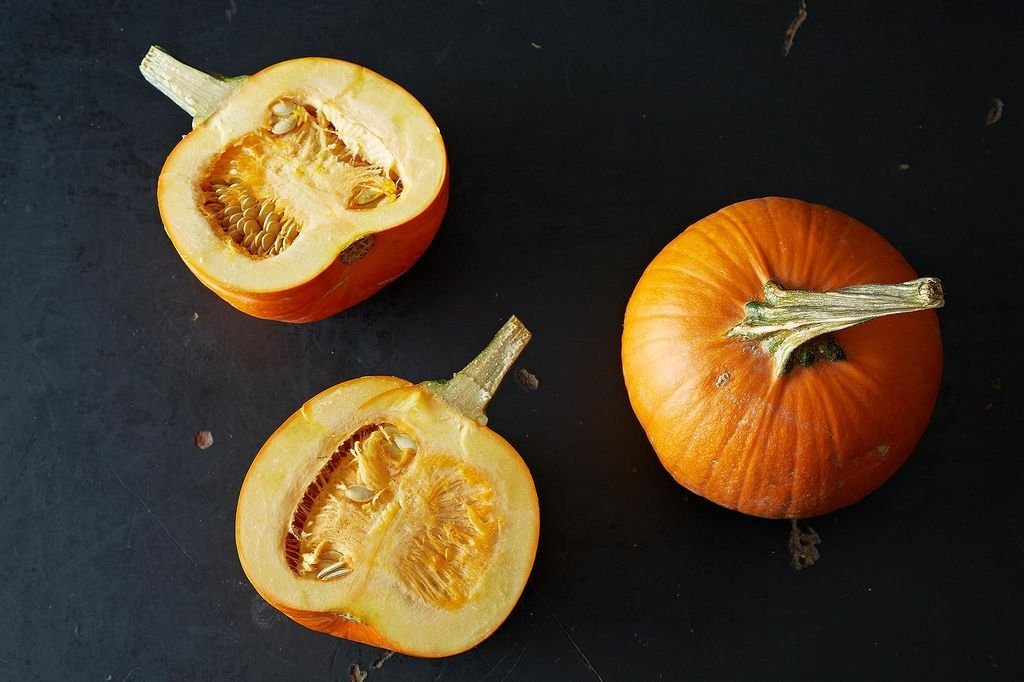
If you’ve ever held a ghostly white pumpkin at a fall market or grocery store and wondered what’s hiding beneath its pale skin, you’re not alone. The short answer? Nearly all true white pumpkin varieties have creamy, off-white to pale yellow flesh inside—not the bright orange you see in standard carving pumpkins. Rare exceptions exist, but the inside color has a major impact on how you’ll want to use these unique gourds. We’ll break down the science behind the color difference, the best white pumpkin varieties for cooking and decor, common myths, and expert growing and harvesting tips to help you get the most out of your harvest.
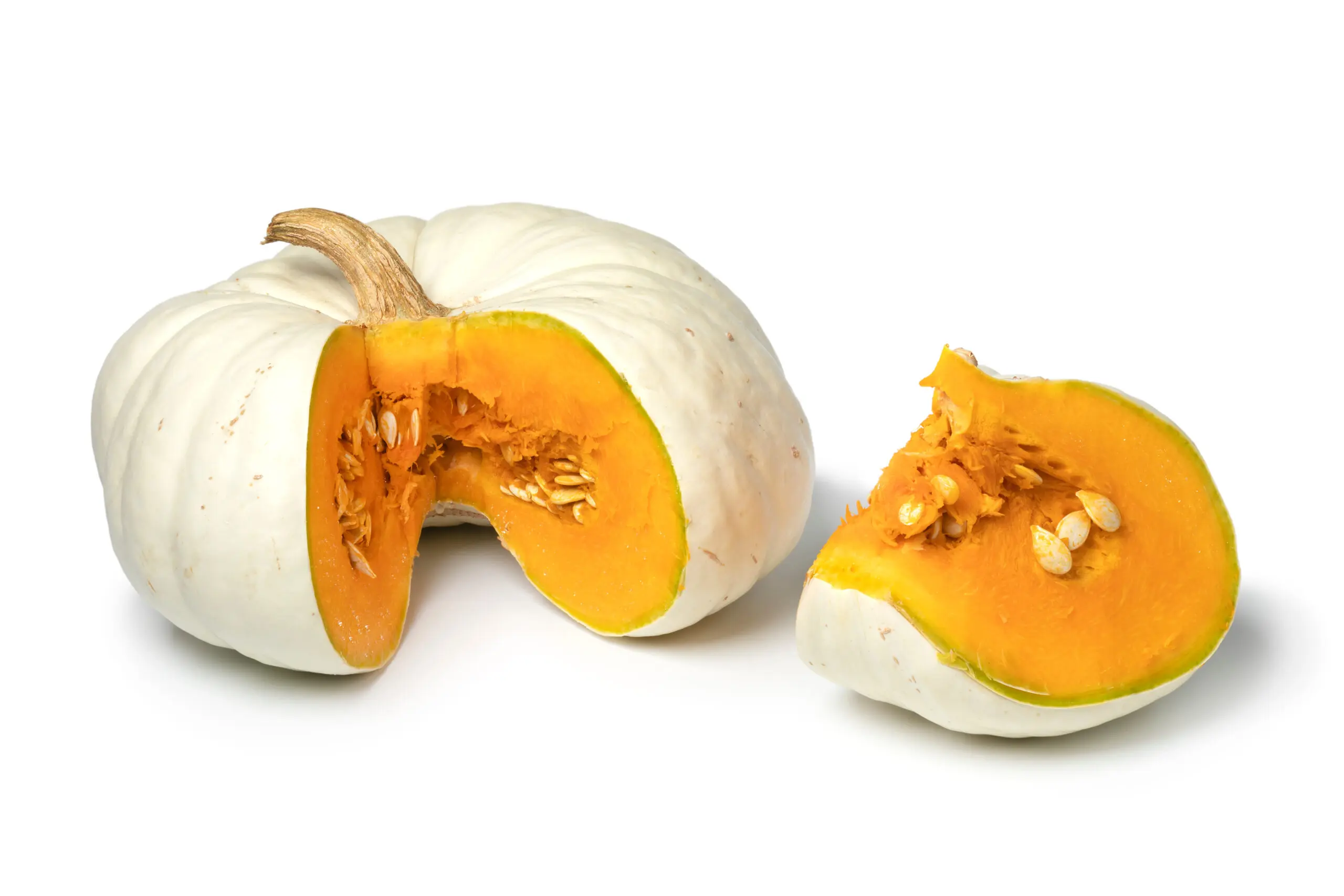 White pumpkins (left) have pale, creamy flesh, unlike the bright orange interior of standard orange varieties (right)
Credit: alseed.com
White pumpkins (left) have pale, creamy flesh, unlike the bright orange interior of standard orange varieties (right)
Credit: alseed.com
The Short Answer to Your Burning Question
Almost all commercially available white pumpkins have pale, neutral flesh inside, not orange. The only time you might encounter an orange interior is if you purchase a mislabeled hybrid variety, or if you grow white pumpkins from saved seeds that were cross-pollinated with an orange variety (this affects the next generation of plants, not the current pumpkin’s flesh). For official, research-backed guidance on pumpkin variety traits, the University of Illinois Extension notes that white pumpkins are a distinct, naturally occurring cultivar, not a genetic oddity. Official pumpkin growing guidance from the university outlines the specific characteristics of each common white variety.
What Makes White Pumpkin Flesh Pale (And Why It’s Not Orange
The Science of Pumpkin Pigmentation
The bright orange color of standard pumpkins comes from high levels of beta-carotene, a carotenoid pigment that builds up in the skin and flesh as the fruit ripens. White pumpkin varieties have a natural genetic mutation that stops them from producing this pigment entirely, so their skin and flesh stay pale, ranging from ivory to soft yellow, sometimes with a faint green tint if harvested slightly underripe. This lack of pigment is a stable, heritable trait, meaning consistently white-fleshed varieties will produce pale fruit generation after generation when grown in isolation from orange varieties to avoid cross-pollination.
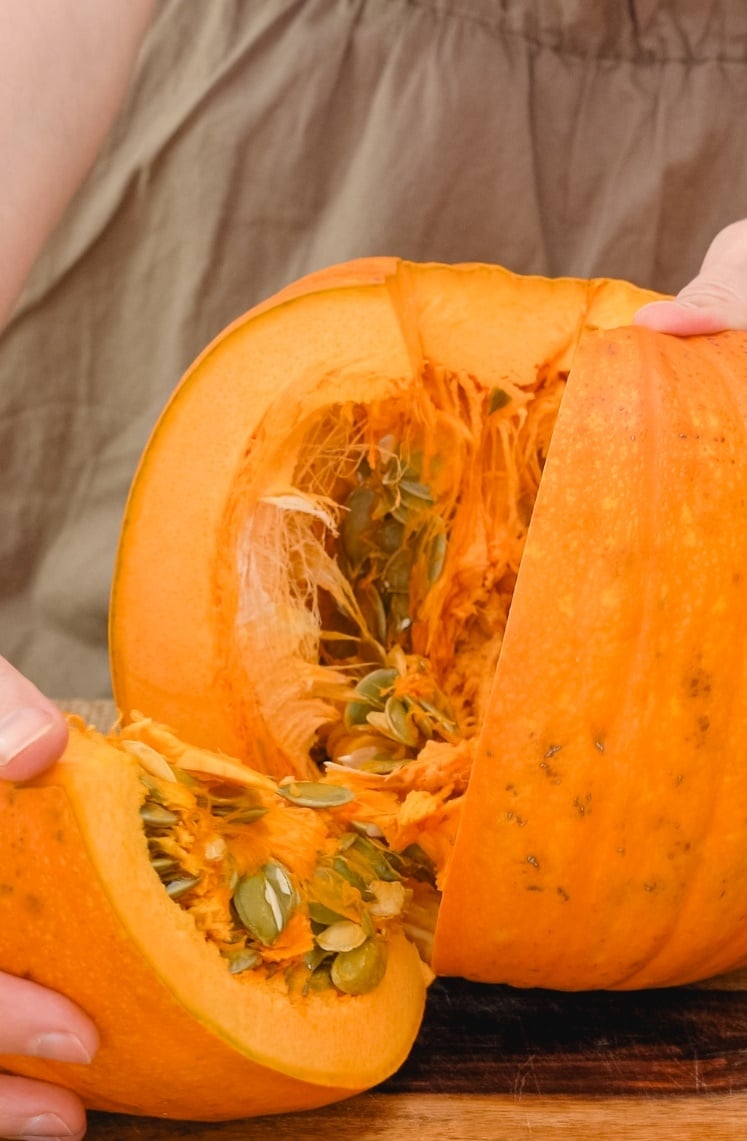 Cross-section of a ripe white pumpkin, showing its characteristic off-white, creamy flesh and seed cavity
Credit: realbalanced.com
Cross-section of a ripe white pumpkin, showing its characteristic off-white, creamy flesh and seed cavity
Credit: realbalanced.com
Nutritional Differences Between White and Orange Pumpkin Flesh
The lack of beta-carotene in white pumpkins leads to meaningful nutritional differences from their orange cousins. According to official USDA nutrition data, a 1-cup serving of cooked white pumpkin contains roughly 10% of the daily recommended vitamin A, compared to 190% for the same serving of orange pumpkin. That said, white pumpkins still offer valuable nutrients: they are high in vitamin C, dietary fiber, potassium, and antioxidants, making them a healthy addition to any diet. The mild, less sweet flavor of white pumpkin flesh also makes it a versatile base for savory dishes, where it won’t overpower other ingredients.
Top White Pumpkin Varieties for Cooking and Decor
Not all white pumpkins are created equal: some are bred specifically for thick, sweet flesh ideal for cooking, while others have thin, watery flesh meant only for decoration. Common varieties include:
- Casper: A large, smooth-skinned variety with thick, mild flesh, perfect for both carving and cooking. It holds its shape well when roasted, making it ideal for soups and purees.
- Lumina: Known for its bright, ghostly white skin and slightly flattened shape, Lumina has sweet, fine-grained flesh that works well in pies and baked goods.
- Baby Boo: A tiny, round variety (2-4 inches in diameter) with ultra-sweet flesh, perfect for individual desserts or fall tablescapes.
- Snowball: A compact, round variety with thick flesh, great for both decor and savory cooking.
- Cotton Candy: A newer heirloom variety with extra sweet, bright white flesh, widely considered the best white pumpkin for baking.
When shopping, look for labels indicating a variety is "culinary" or "pie" grade if you plan to cook with it, as large decorative white pumpkins often have thin, fibrous flesh that’s not pleasant to eat.
How to Use White Pumpkins in Your Kitchen and Home
Cooking with White Pumpkin Flesh
In practice, most home cooks find white pumpkin puree works best in savory dishes like roasted squash soup, curry, or pasta sauce, where its mild, slightly sweet flavor lets herbs and spices take center stage, rather than sweet pies where the lack of orange color and rich sweetness is noticeable. If you do want to use it for desserts, add extra cinnamon, nutmeg, and ginger to compensate for the milder flavor, and expect a pale, creamy final product rather than the classic bright orange hue of traditional pumpkin pie.
When prepping white pumpkin for cooking, start by scrubbing the exterior thoroughly with a sturdy produce brush to remove dirt, debris, or any wax coating applied to extend shelf life for decor displays. Peel, seed, and cube the flesh as you would an orange pumpkin, then roast, boil, or steam as desired for your recipe.
Decorating with White Pumpkins
White pumpkins are a favorite for modern fall displays, pairing seamlessly with black, navy, or deep burgundy accents for a sophisticated, non-traditional aesthetic. They also hold their color longer than orange pumpkins when displayed indoors, making them a long-lasting option for mantles, entryways, and tablescapes. For a high-end look, pair them with metallic gold or copper accents, or mix with dried eucalyptus and pomegranates for a textured, elegant arrangement.
If you’re carving white pumpkins, use a serrated pumpkin carving tool for clean, sharp edges, and place a battery-operated tea light inside for a safe, long-lasting glow. After carving or cooking, clean up sticky pumpkin residue on countertops and utensils with heavy-duty cleanup tools designed to tackle tough food buildup without scratching surfaces.
 White pumpkins are a popular modern alternative to orange varieties for fall home decor
Credit: www.freepik.com
White pumpkins are a popular modern alternative to orange varieties for fall home decor
Credit: www.freepik.com
Common Myths About White Pumpkins, Busted
Myth 1: White Pumpkins Are Genetically Modified
White pumpkins are the result of traditional selective breeding, not GMO. The white trait has existed in pumpkin genetics for centuries, and breeders have cultivated it over multiple generations to create consistent, reliable white varieties. No genetic modification is involved in their production.
Myth 2: All White Pumpkins Have Orange Flesh Inside
Nearly all true white pumpkin varieties have pale flesh. The only exception is if you purchase a mislabeled hybrid, or if you plant saved seeds from a white pumpkin that was cross-pollinated with an orange variety during growth (the cross-pollination affects the seeds, not the flesh of the parent white pumpkin). If you cut open a white pumpkin and find bright orange flesh, it was almost certainly mislabeled at the point of sale.
Myth 3: White Pumpkins Aren’t Edible
All pumpkins are edible, including white varieties. The only exception is decorative pumpkins that have been painted, waxed, or treated with preservatives to extend their shelf life for display—these are not safe to eat. Always confirm with the seller that a white pumpkin is culinary-grade before using it in recipes.
Myth 4: White Pumpkins Are a New Trend
White pumpkin varieties have been cultivated for over 100 years, with records of white pumpkins being grown in the U.S. as early as the 1900s. Their recent popularity in fall decor is just a resurgence of a classic variety, not a new invention.
Expert Tips for Growing and Harvesting White Pumpkins
Ideal Growing Conditions
White pumpkins have the same basic needs as orange varieties: full sun (6+ hours of direct sunlight daily), well-drained soil rich in organic matter, soil pH between 6.0 and 6.8, and consistent moisture (1-2 inches of water per week, more during fruit set). A common mistake new growers make is overwatering, which leads to root rot and bland, watery flesh. Mulch around the base of plants to retain moisture, suppress weeds, and keep soil temperature stable. Unlike orange pumpkins, white varieties are more prone to sunscald (sunburned patches on the skin) in hot, sunny climates, so use a light row cover to protect developing fruit during the hottest part of the day if you live in a region with intense summer sun.
When and How to Harvest
Wait for the pumpkin’s skin to harden completely: it should not be possible to pierce it with your fingernail. The stem should be dry, brown, and hard, not green and flexible. Cut the pumpkin from the vine with a sharp pair of pruning shears, leaving 3-4 inches of stem attached to extend shelf life. Harvest all pumpkins before the first hard frost, as frost will damage the skin and flesh and cause them to rot quickly. Handle pumpkins gently, as bruises can lead to mold and decay during storage. Store harvested white pumpkins in a cool, dry place (50-55°F is ideal) for up to 3 months. If you have kids helping with harvest or pumpkin carving, keep all sharp tools out of reach with secure knife storage to avoid accidents.
Common Growing Problems to Avoid
- Cross-pollination: If you’re growing multiple pumpkin varieties, hand-pollinate flowers to avoid cross-pollination, which can lead to unexpected fruit traits in saved seeds.
- Pests: Watch for squash bugs, vine borers, and powdery mildew, which are common in all pumpkin varieties. Use organic pest control methods like neem oil or insecticidal soap as needed.
- Poor fruit set: If flowers aren’t turning into pumpkins, ensure you have both male and female flowers (male flowers grow on long thin stems, female have a small fruit at the base) and pollinate by hand if there are no active bees in your area.
Frequently Asked Questions
Are white pumpkins orange inside?
No, nearly all true white pumpkin varieties have creamy off-white, pale yellow, or light orange-tinged flesh inside. The only time you might find orange flesh is if the pumpkin was mislabeled at the store, or if you planted saved seeds from a cross-pollinated pumpkin, which will grow orange-fleshed fruit, not affect the current white pumpkin’s flesh.
Do white pumpkins taste different from orange pumpkins?
Yes, white pumpkins have a milder, less sweet, more delicate flavor than orange pumpkins, which have a richer, sweeter taste thanks to their high beta-carotene content. White pumpkins work best in savory dishes, while orange pumpkins are ideal for sweet pies and baked goods.
Can you cook with white pumpkins?
Absolutely! White pumpkins are fully edible and work well in soups, roasted vegetable medleys, curries, pasta sauces, and even pies (just add extra spices to compensate for the milder flavor). Avoid using pumpkins that have been painted or treated with preservatives for decor, as these are not safe to eat.
Are white pumpkin seeds edible?
Yes! Just like orange pumpkin seeds, white pumpkin seeds are a nutritious snack when roasted. Scoop them out of the pumpkin, rinse off the pulp, toss with oil and salt, and roast at 300°F for 20-30 minutes until crispy.
Do white pumpkins store as long as orange pumpkins?
Yes, if harvested and stored properly (cool, dry, 50-55°F, no direct sunlight), white pumpkins will last 2-3 months, the same as orange pumpkins. Avoid storing them near apples or bananas, which release ethylene gas and cause pumpkins to ripen and rot faster.
Can you carve white pumpkins?
Yes! White pumpkins carve just as easily as orange ones, and their pale skin creates a striking contrast for carved designs. Use a serrated carving tool for clean edges, and place a battery-operated tea light inside for a spooky glow. For step-by-step carving tutorials and display ideas, check out our fall decor guides for creative projects.
Final Tips for Choosing and Using White Pumpkins
- For cooking: Look for pumpkins labeled "pie pumpkin" or "culinary white pumpkin" (like Cotton Candy or Lumina) for the sweetest, thickest flesh. Avoid large, flat white pumpkins meant only for decor, as they have thin, watery flesh.
- For decor: Choose pumpkins with smooth, unblemished skin, no soft spots, and a hard, dry stem. They’ll last for months on your porch or mantle.
- When in doubt: If you’re unsure if a white pumpkin is edible, ask the seller. Never eat a pumpkin that has been painted, waxed, or treated with preservatives.
Conclusion
The surprising truth about white pumpkins is that nearly all of them have pale, mild flesh inside, not orange. This unique trait makes them just as versatile as orange pumpkins, but with different strengths: their mild flavor shines in savory cooking, while their soft, neutral look makes them a standout for modern fall decor. Whether you’re roasting a batch of Lumina for soup or carving a Casper for your front porch, white pumpkins are a low-fuss, high-impact addition to your autumn routine. Ready to try one? Pick up a culinary variety for a subtle twist on classic pumpkin dishes, or a decorative variety for a fresh take on seasonal style. For more seasonal cooking and decor ideas, browse our seasonal content library for fresh inspiration all year round.

I’m Abby Lu, a passionate home cook who loves simplifying everyday meals. At PlugChef.com, I share product reviews and cooking guides to help you find the best tools for your kitchen.
Related posts:
 How to Make a Fruit Basket for a Gift: Easy DIY Guide
 Do You Need a Basket? Essential Guide for Air Fryers
 How to Adjust Syrup Dispenser Pressure: Expert Tips
 Appliance Play Food Kitchen Toys: Ignite Imaginative Play
 How Long Do Beauty Blenders Last: Expert Tips Unveiled
 Philips Kitchen Appliances Compact Pasta And Noodle Maker: Effortless Homemade Pasta

