
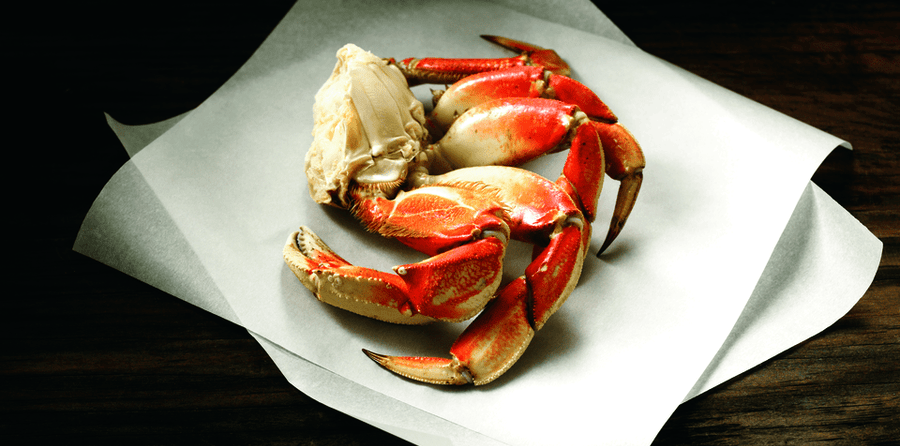
Boiled crab is a beloved coastal staple, perfect for summer cookouts, casual game night feasts, or special family dinners. But for first-time eaters, the intimidating shell and unfamiliar cracking process can turn a delicious meal into a frustrating, messy ordeal. You don’t need specialized gear or years of experience to enjoy sweet, tender crab meat—this guide walks you through every step, from selecting fresh crab to cracking it cleanly, avoiding inedible parts, and pairing it with perfect sauces, all with minimal mess. By the end, you’ll be eating boiled crab like a pro, impressing friends and family with your effortless technique.
Selecting the Perfect Crab for Your Boil
The quality of your crab directly impacts the flavor, texture, and safety of your meal, so taking a few minutes to pick the right specimen is the first step to a delicious feast. For more on this, see our guide on 1 1 2 lbs potatoes easy recipes for.
Signs of Fresh, High-Quality Crab
Freshness is non-negotiable when it comes to crab, as spoiled seafood can cause foodborne illness. If buying live crab, look for active, responsive crabs that move when gently touched—lethargic crabs are likely past their prime. For pre-cooked frozen crab (the most common option for home cooks), check for a firm, unbroken shell with no soft spots, cracks, or discoloration. Smell is the most reliable freshness indicator: fresh crab has a clean, briny ocean scent, while spoiled crab has a strong ammonia or fishy odor. Discard any crab with a foul smell immediately, per FDA seafood safety guidance. A fresh crab will also feel heavy for its size, indicating it is full of meat, while limp, light crabs are likely dried out. If purchasing from a fishmonger, ask when the crab was caught; crabs cooked within 24 hours of being harvested have the best texture and flavor. For more on this, see our guide on 7 steps in cleaning the kitchen.
Common Edible Crab Varieties & Their Flavor Profiles
Different crab species offer unique textures and sweetness levels, so choose the option that fits your meal and budget:
- Blue crab: A U.S. East Coast favorite with sweet, delicate meat. They cook in as little as 10 minutes, and soft-shell blue crabs (molted, with soft edible shells) are a seasonal delicacy typically available in late spring and early summer 2026.
- Dungeness crab: A West Coast staple with large, meaty bodies and rich, briny flavor. Peak season runs May through July 2026, and they hold up well to boiling, pairing perfectly with garlic butter.
- King crab: Sourced from cold Alaskan waters, with thick, firm legs and intensely sweet meat. Almost all king crab sold in stores is pre-cooked and frozen, so you only need to reheat it before eating—no raw boiling required.
- Snow crab: More affordable than king crab, with long, thin legs and mild, sweet meat. Pre-cut snow crab clusters are ideal for beginners, as their shells are easier to crack than larger crab varieties.
Pre-Boil Prep Basics & Inedible Parts to Discard
Even if you buy pre-cooked crab, a quick prep step before eating improves flavor and safety, and knowing what parts to avoid prevents unpleasant bites or illness.
Quick Pre-Cooking Prep for Better Flavor
If boiling live crab, start by scrubbing the shell under cold running water with a stiff-bristled cleaning brush to remove any sand, mud, or debris trapped in the shell. You can optionally remove the top shell and gills before boiling for a cleaner final product, but it is not required. For added flavor, season your boiling water with salt, bay leaves, peppercorns, garlic, and a splash of white wine to infuse the crab meat as it cooks. Avoid overpowering spices that mask the crab’s natural sweetness—simple seasonings work best. Store any unused crab seasoning blends in a cabinet secured with kitchen cabinet safety latches to keep curious kids or pets from accessing them. For more on this, see our guide on easy recipe for candied yams.
Parts of the Crab You Should Never Eat
Not every part of the crab is edible, and eating the wrong parts can lead to an unpleasant taste or, in rare cases, illness. Always discard these parts before eating:
- Gills: The feathery, greyish organs on the sides of the crab’s body, which filter water and can harbor sand and grit.
- Apron: The small, triangular flap on the underside of the crab’s body, which is tough and flavorless.
- Mandibles: The small, hard mouth parts on the front of the crab’s head.
- Internal organs: The soft, stringy organs in the body cavity, including the tomalley (the green hepatopancreas, sometimes called "crab butter"). While tomalley is edible for most healthy adults, NOAA advises that it can accumulate harmful environmental toxins, so pregnant people, children, and those with liver conditions should avoid it entirely.
Essential Tools (And Low-Cost Hacks If You Don’t Have Specialized Gear)
You don’t need a fancy crab-eating toolkit to enjoy your meal—most tools have easy, low-cost substitutes if you don’t have them on hand.
| Essential Tool | Purpose | Low-Cost Hack |
|---|---|---|
| Crab cracker / nutcracker | Breaks hard shell without crushing meat | Back of a heavy chef's knife, wooden meat mallet, or sturdy pair of pliers |
| Seafood pick / small fork | Extracts meat from tight joints and crevices | Clean toothpick, bent paperclip, or butter knife tip |
| Shell discard bowl | Keeps table tidy and prevents shell shards from mixing with meat | Small paper plate or empty ramekin |
| Wet wipes / hand towels | Cleans sticky, buttery fingers between bites | Bowl of warm water with lemon slices (cuts through seafood smell) |
Step-by-Step Guide to Eating Boiled Crab
Cracking crab is all about targeting natural weak points in the shell to avoid crushing the meat inside. The process is slightly different for whole crabs vs. pre-cut clusters, so we’ve broken down both below. For more on this, see our guide on sides to eat with pizza.
How to Eat a Whole Boiled Crab
- Start with the claws and legs first, as they hold the largest, most accessible pieces of meat. Twist the claws off at the base where they attach to the body, then twist off the legs at the joints.
- Crack the claw shell at the thickest, most curved part with your crab cracker or tool of choice, applying gentle, even pressure. A common mistake first-time eaters make is smashing the shell randomly, which crumbles the meat into tiny, unextractable pieces—target the natural seam of the shell instead for clean, intact meat.
- Use your seafood pick or fork to pull the meat out of the claw in one piece if possible. For legs, crack the shell at the middle joint, then either bite the shell to pull the meat out the other end, or use your pick to push it out from the narrow tip.
- Once all the legs and claws are cleaned, flip the crab over to access the body. Pull off the small, triangular apron on the underside to unlock the body, then twist off the top shell.
- Scoop out the white, flaky meat from the body cavities with your fingers or pick, taking care to avoid the gills and internal organs you discarded earlier. Break the body into halves or quarters to reach meat hidden in small joints and crevices.
How to Eat Pre-Cut Crab Clusters (For Beginners)
Pre-cut clusters (usually sold as snow crab or king crab legs attached to a small piece of body) are the easiest option for new crab eaters, as the hard work of cracking the body is already done:
- Start by twisting off any remaining small leg pieces, then crack the main leg joints with your crab cracker.
- Use your pick or fork to push the meat out the narrow end of the leg, or bite the shell and pull the meat out in one piece if you prefer eating with your hands.
- Use your pick to scrape any remaining meat out of the body piece, then discard the shell.
Classic & Creative Dipping Sauces & Perfect Side Pairings
The right sauce and sides can elevate simple boiled crab into a memorable feast, without overpowering the crab’s natural sweetness.
Top Dipping Sauce Recipes
The best sauce for your crab depends on the variety you’re eating: sweeter snow crab pairs perfectly with bright, acidic lemon butter, while briny Dungeness crab stands up to spicy, creamy dips. Here are a few easy, crowd-pleasing recipes:
- Classic Lemon Butter: Melt 1 stick of unsalted butter, stir in 2 tablespoons of fresh lemon juice, 1 minced garlic clove, and a pinch of salt. Drizzle over crab or use for dipping.
- Spicy Cajun Mayo: Mix ½ cup mayonnaise, 1 teaspoon Cajun seasoning, 1 tablespoon lemon juice, and a dash of hot sauce to taste.
- Old Bay Butter: Melt 1 stick of butter, stir in 2 tablespoons of Old Bay seasoning and a squeeze of lemon juice for a classic coastal flavor.
- Garlic Aioli: Mix ¼ cup mayonnaise, 1 minced garlic clove, 1 teaspoon Dijon mustard, and a pinch of black pepper for a tangy, creamy dip.
Complementary Side Dishes That Don’t Overpower Crab
Boiled crab has a delicate, sweet briny flavor, so you want sides that complement it without masking it. Classic pairings for a full seafood boil include corn on the cob, boiled red potatoes, andouille sausage, and coleslaw. If you’re serving crab as a standalone main, opt for light, fresh sides:
- Garlic roasted asparagus
- Crisp green salad with lemon vinaigrette
- Crusty sourdough bread (perfect for soaking up extra sauce)
- Steamed green beans with almond slivers
Mess-Free Feast Hacks & Post-Meal Cleanup Tips
Crab juice and melted butter can leave stubborn stains on clothes and upholstery, but a few simple strategies keep your feast enjoyable and stress-free. For more on this, see our guide on easy thin crust pizza dough.
Protecting Your Clothes and Eating Surface
- Wear a disposable bib or an old oversized shirt you don’t mind getting dirty. Tuck a napkin into your collar to catch drips, and roll up your sleeves to avoid sauce splatters on your arms.
- Cover your eating surface with a disposable plastic tablecloth or layers of newspaper to catch shell shards and sauce spills.
- Keep a small bowl of warm water with lemon slices nearby to rinse your fingers between bites—this cuts through seafood smell and keeps your hands from getting sticky.
Quick Cleanup Strategies
Cleanup is far easier if you tackle it as you eat, rather than waiting until the end:
- Keep a small trash bowl at your place setting to discard empty shells as you go, so you don’t have to sort through a pile of dishes later.
- Soak your crab crackers, utensils, and serving platters in hot, soapy water immediately after the meal to prevent crab residue from hardening and sticking.
- Scrub off stubborn crab butter and shell shards from pots and utensils with a heavy-duty scrub brush to avoid rust and lingering seafood odors.
- If you’re cleaning up with little ones nearby, secure under-sink cleaning supplies with child safety drawer locks to avoid accidental exposure to harsh chemicals.
- Wipe up any stray crab drips from countertops and fridge shelves with a small kitchen cleaning brush to avoid sticky, smelly residue.
 Freshly boiled crab served with classic lemon butter dipping sauce, ready to eat.
Credit: www.youtube.com
Freshly boiled crab served with classic lemon butter dipping sauce, ready to eat.
Credit: www.youtube.com
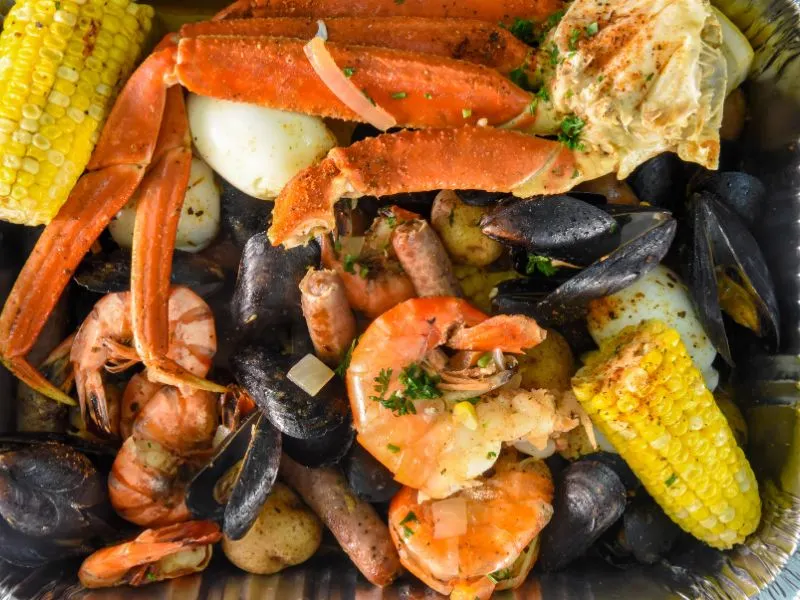 A traditional seafood boil pot with crab, corn, and andouille sausage, a popular pairing for boiled crab meals.
Credit: www.ncseafood.com
A traditional seafood boil pot with crab, corn, and andouille sausage, a popular pairing for boiled crab meals.
Credit: www.ncseafood.com
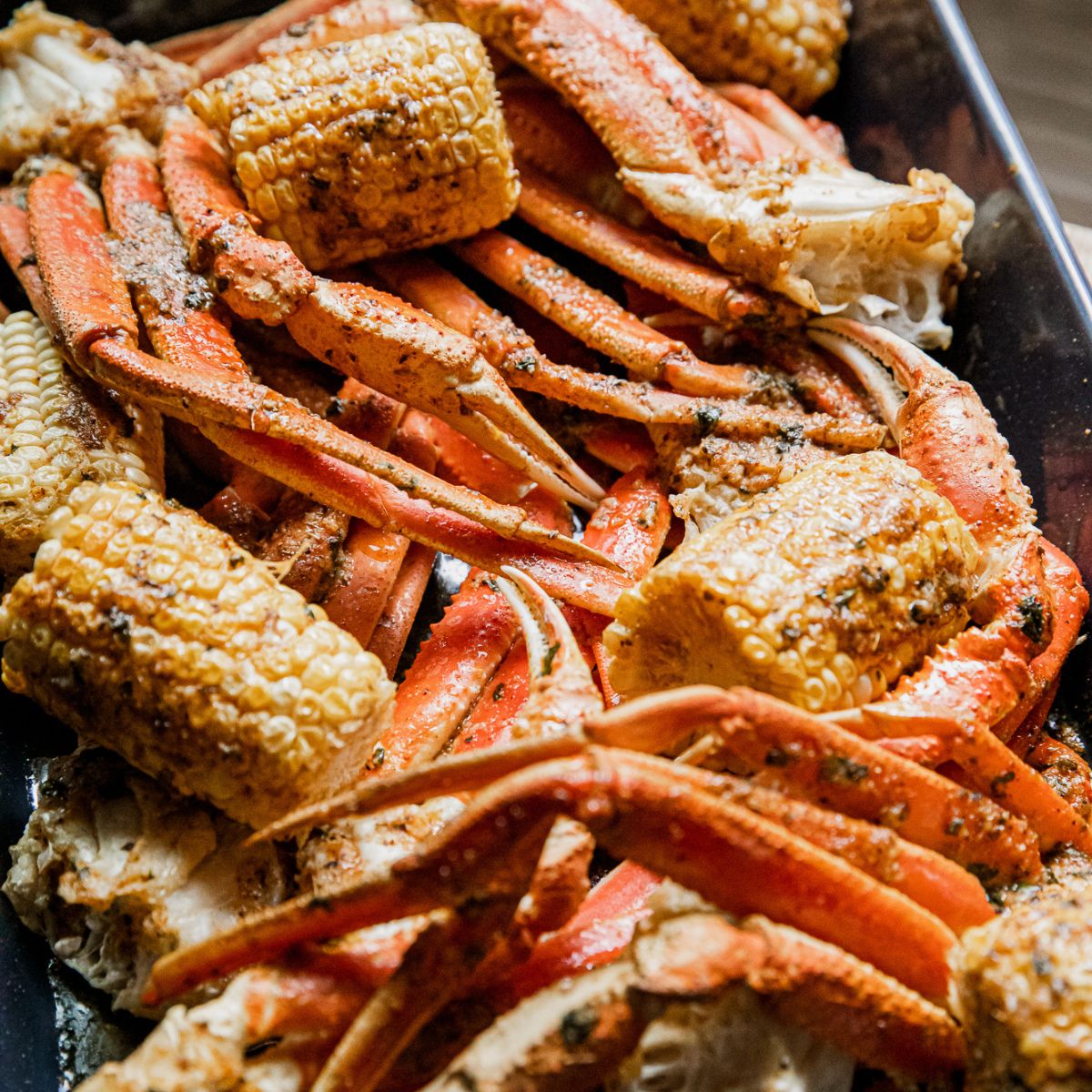 Cajun-spiced boiled crab feast with side dishes and dipping sauces for a casual gathering.
Credit: www.orwhateveryoudo.com
Cajun-spiced boiled crab feast with side dishes and dipping sauces for a casual gathering.
Credit: www.orwhateveryoudo.com
Frequently Asked Questions
How do you properly eat boiled crab?
Start by twisting off the claws and legs, cracking their shells at the natural joints with a crab cracker or sturdy tool. Pull the meat out with a seafood pick or your fingers, then repeat the process for the body: remove the apron and top shell, then scoop out the meat, avoiding inedible gills and organs. Dip the meat in melted butter or your sauce of choice, and eat at a comfortable pace to avoid making a mess.
What tools do you need to eat boiled crab?
At minimum, you only need a tool to crack shells (a crab cracker, nutcracker, or even the back of a heavy knife works) and something to extract meat from crevices (a seafood pick, toothpick, or even a clean paperclip). A bowl for discarded shells and napkins or wet wipes for cleanup make the process even smoother. No specialized gear is required.
How do you avoid making a mess while eating crab?
Wear a bib or old clothes to protect your outfit, cover your eating surface with a disposable tablecloth, and keep a bowl of warm lemon water nearby to rinse sticky fingers. Crack shells gently over a plate to catch any stray shards, and discard shells in a small bowl as you go to avoid clutter.
Is it better to eat boiled crab hot or cold?
Boiled crab is best served warm, right after cooking or reheating, as warm meat is more tender and flavorful. Cold crab is still safe to eat if it has been stored properly in the fridge for up to 3 days, but it can be slightly chewier. If reheating leftover crab, use low heat (steaming or a 300°F oven) to avoid overcooking the meat.
Can you eat the green "mustard" in crab?
The green substance inside a crab’s body is called tomalley, the crab’s hepatopancreas (an organ that filters toxins). While it is edible for most healthy adults and has a rich, briny flavor, NOAA warns that it can accumulate harmful environmental toxins, so pregnant people, children, and those with liver conditions should avoid it entirely.
How do you know when boiled crab is fully cooked?
The USDA recommends cooking live crabs until the shell turns bright orange and the internal temperature reaches 145°F. The meat should be opaque and flake easily with a fork. Undercooked crab can harbor harmful bacteria, so always check for these signs before eating.
What’s the best way to reheat leftover boiled crab?
Avoid microwaving leftover crab, as high heat will make the meat rubbery and tough. Instead, reheat it gently by steaming for 3–5 minutes, or placing it in a 300°F oven for 5–7 minutes, wrapped in foil with a splash of water to keep it moist.
Conclusion
Eating boiled crab doesn’t have to be intimidating or messy. By starting with fresh, high-quality crab, using the right (or hacked) tools, and targeting natural weak points in the shell to extract meat cleanly, you can enjoy sweet, tender crab with minimal effort. Remember to discard inedible parts like gills and the tomalley if you’re in a high-risk group, pair your crab with a sauce that complements its natural sweetness, and use simple cleanup hacks to avoid post-meal stress. Ready to host your own crab feast? Pick up fresh live or pre-cut crab clusters at your local seafood market this weekend, and put these steps to the test for a delicious, memorable meal with friends and family.

I’m Abby Lu, a passionate home cook who loves simplifying everyday meals. At PlugChef.com, I share product reviews and cooking guides to help you find the best tools for your kitchen.
Related posts:
 How to Buy a Steak: Expert Tips for Perfect Cuts Every Time
 How to Start a Scoby: Easy Steps to Brew Your Own Kombucha
 Rolled Steel Vs Cast Iron: Ultimate Strength and Durability Showdown
 How to Grow a Scoby: Easy Steps for Perfect Kombucha Starter
 Baked Brie With Cranberry Relish: Irresistible Holiday Appetizer Idea
 How to Cook Shrimp Frozen: Easy Steps for Perfect Flavor

